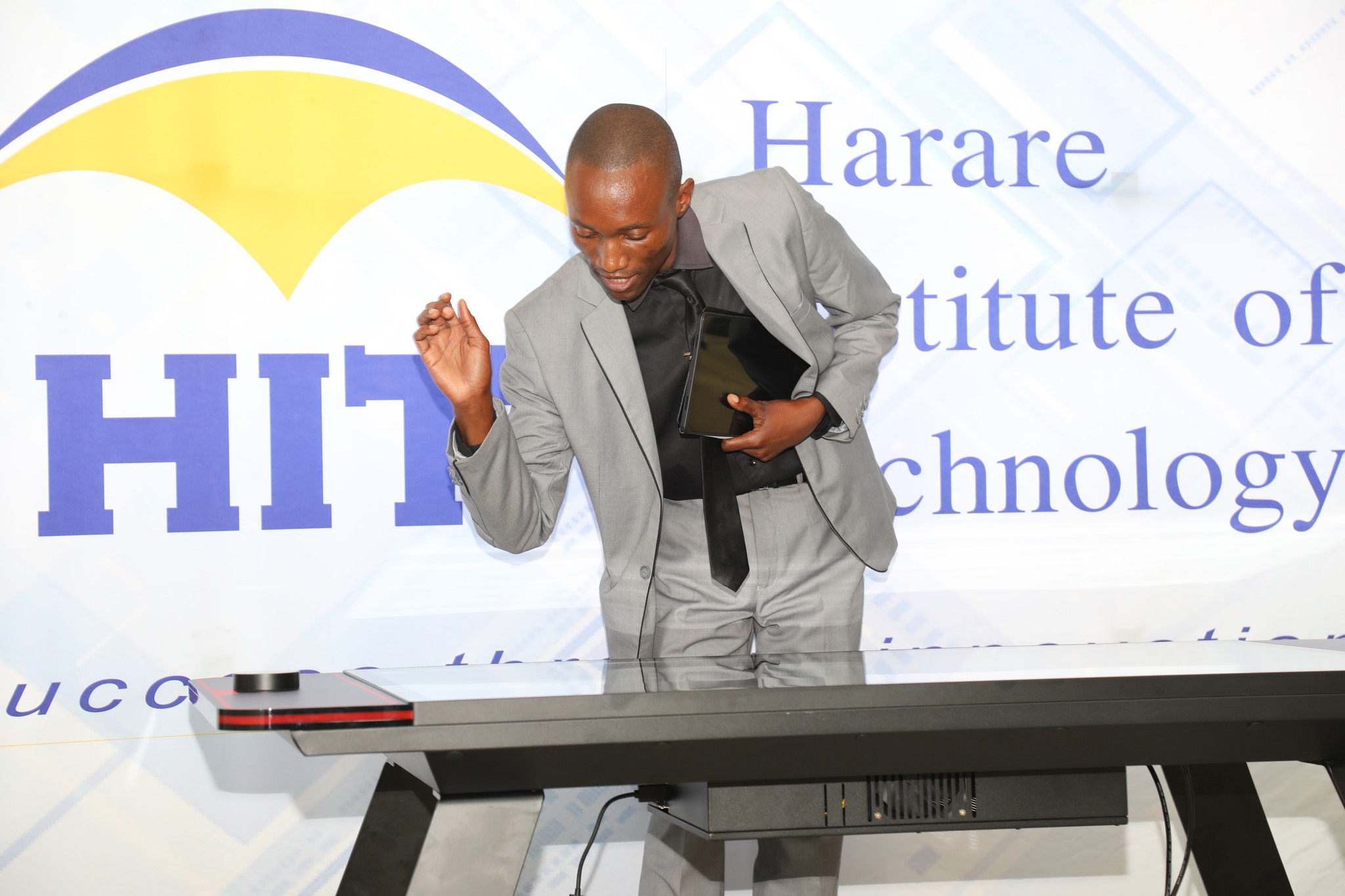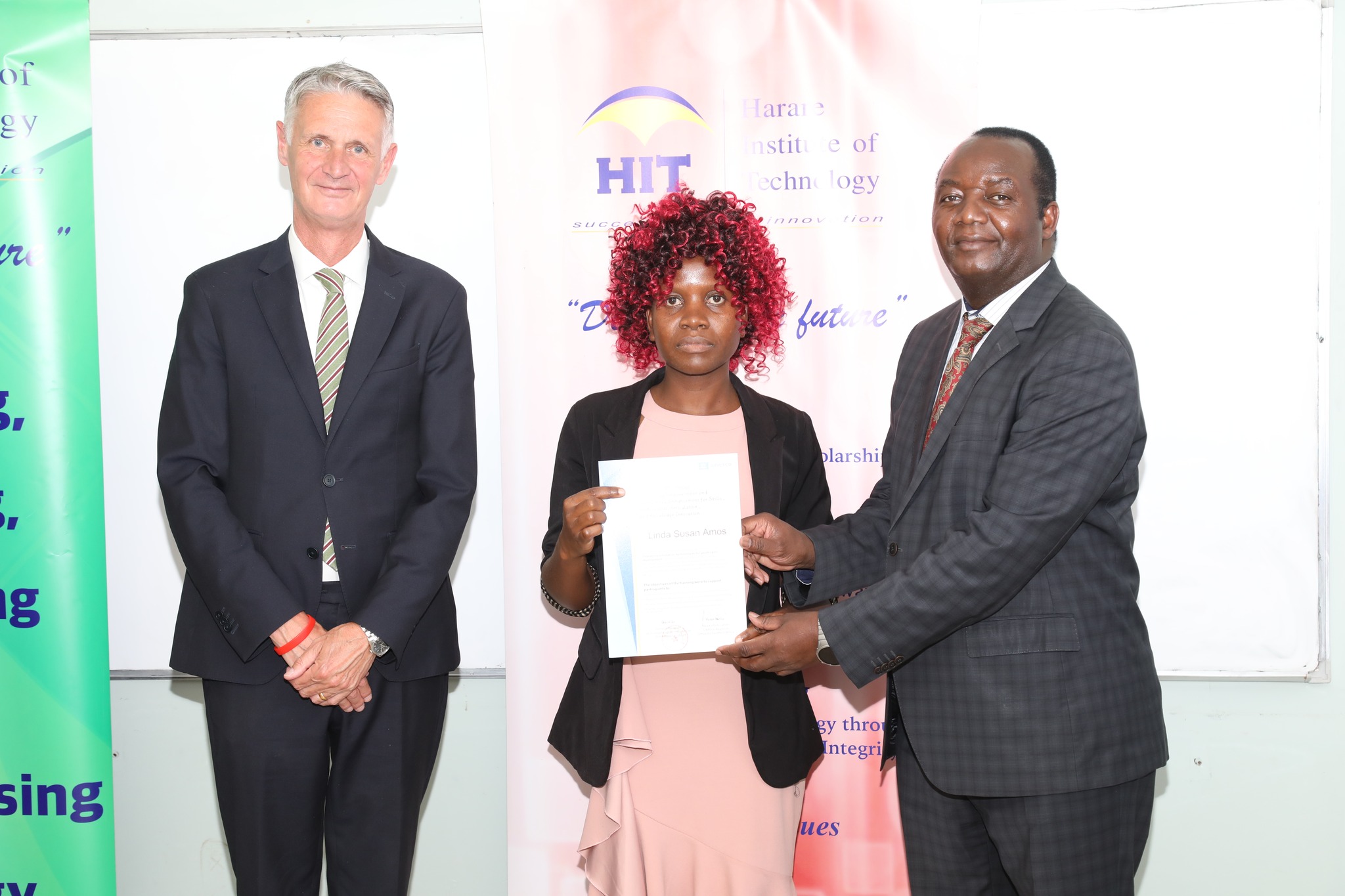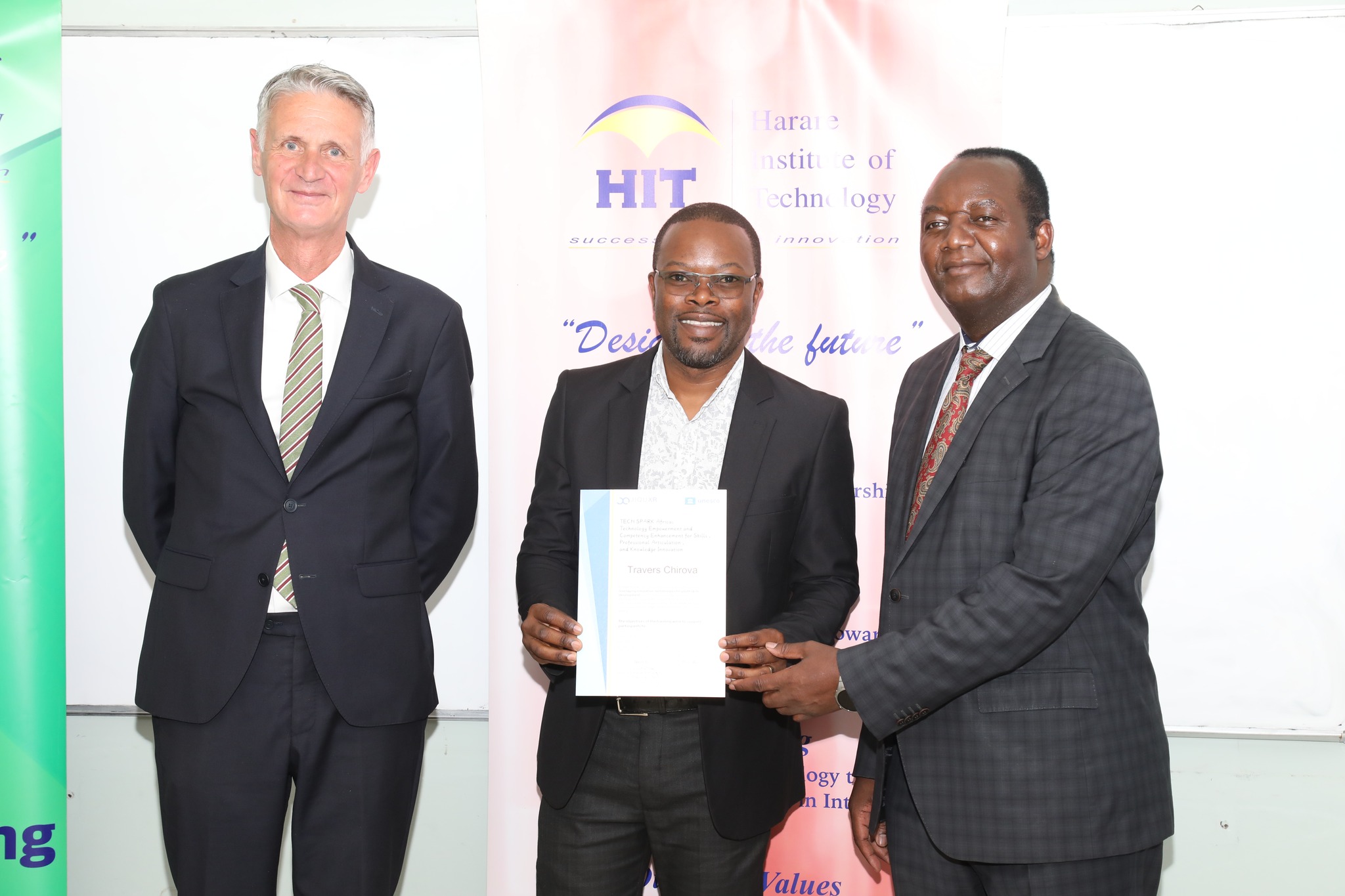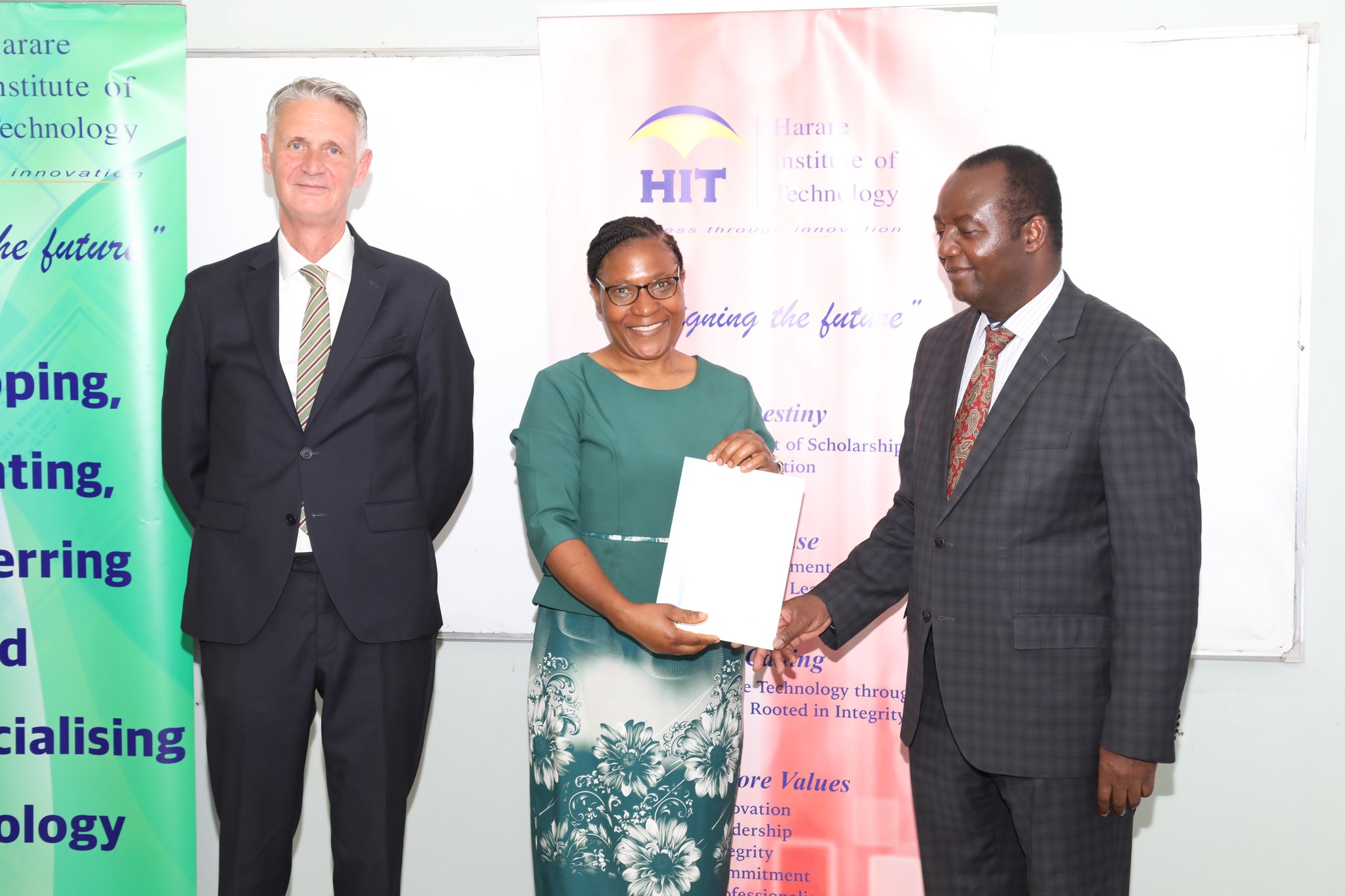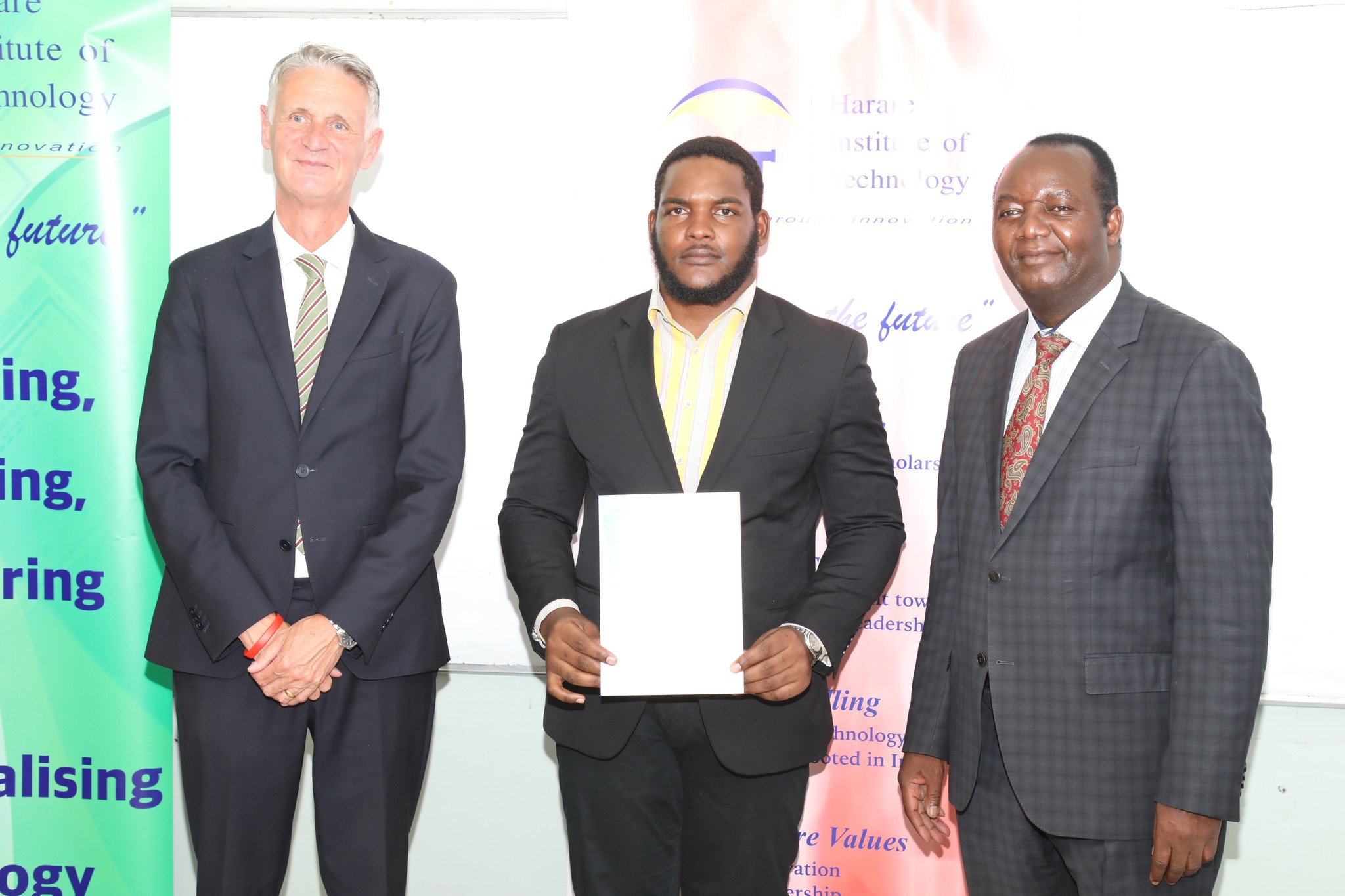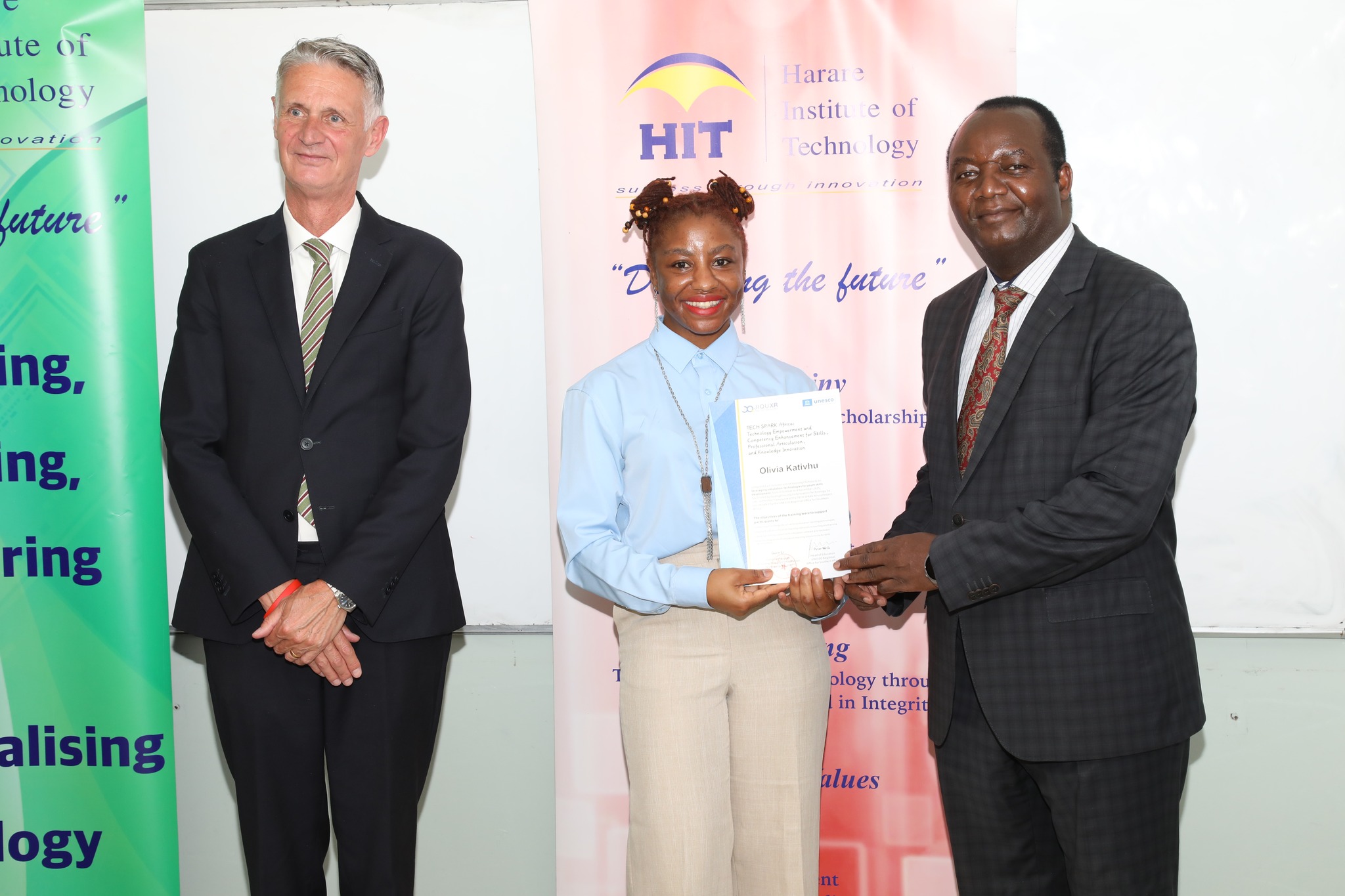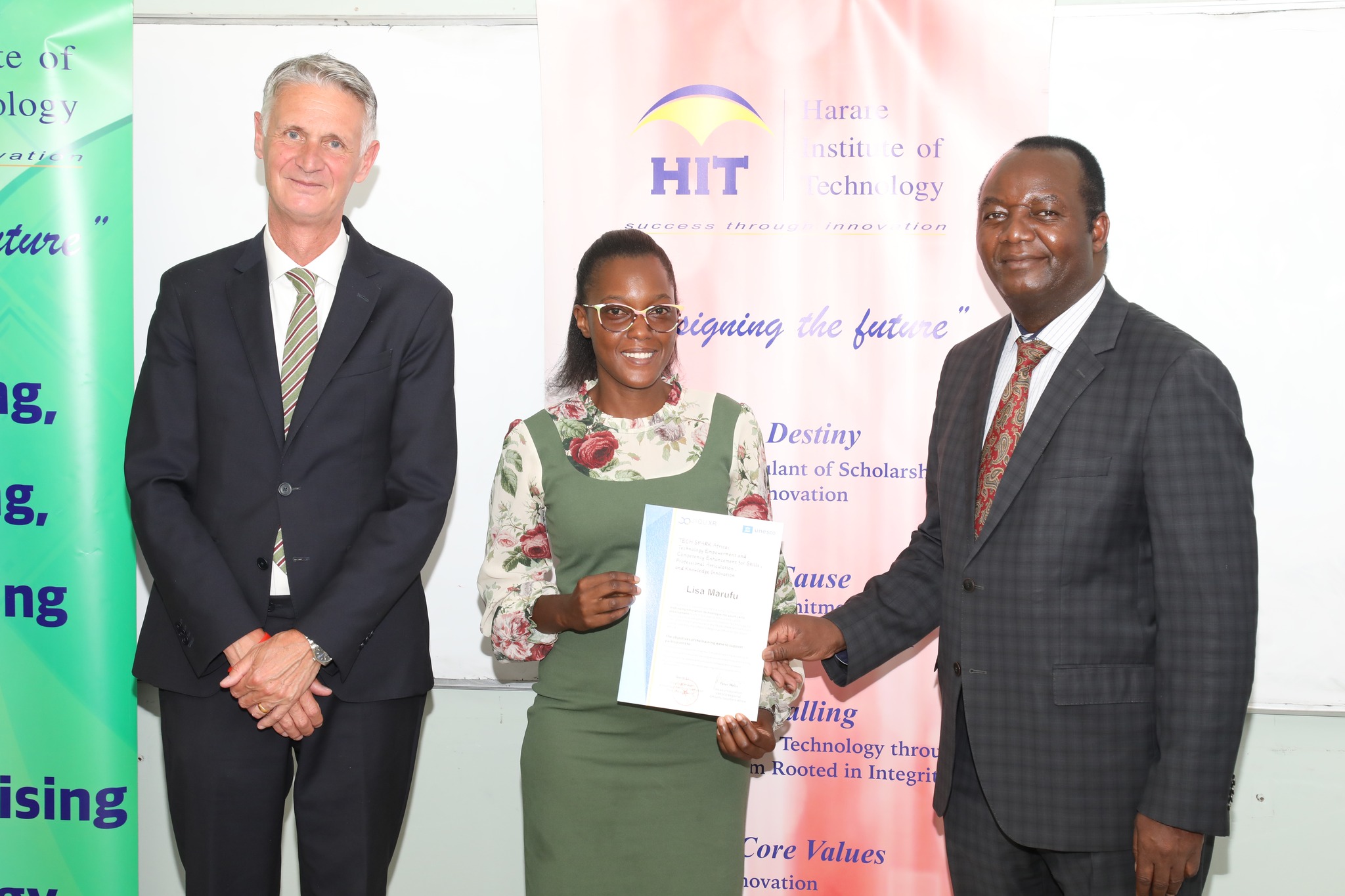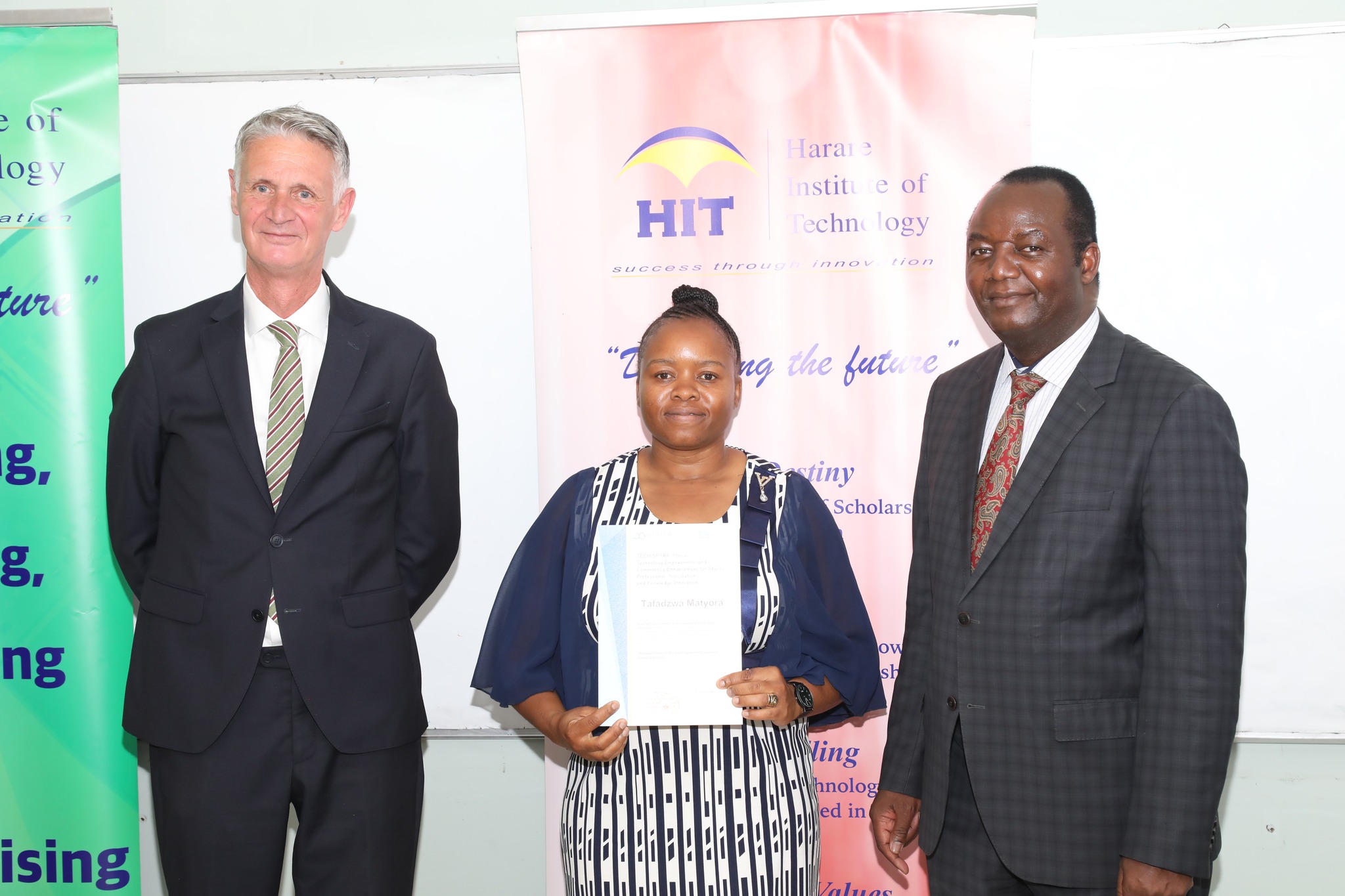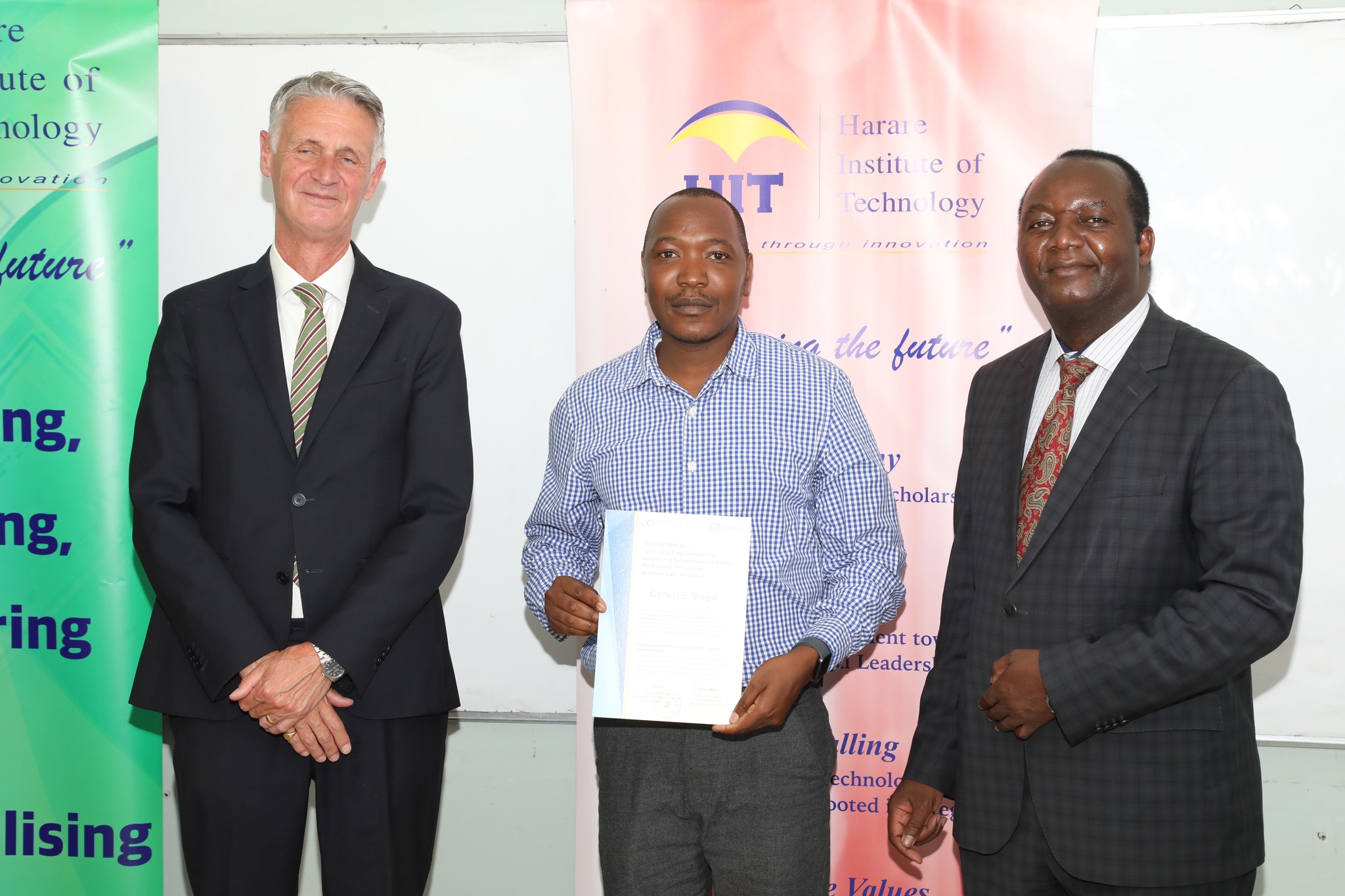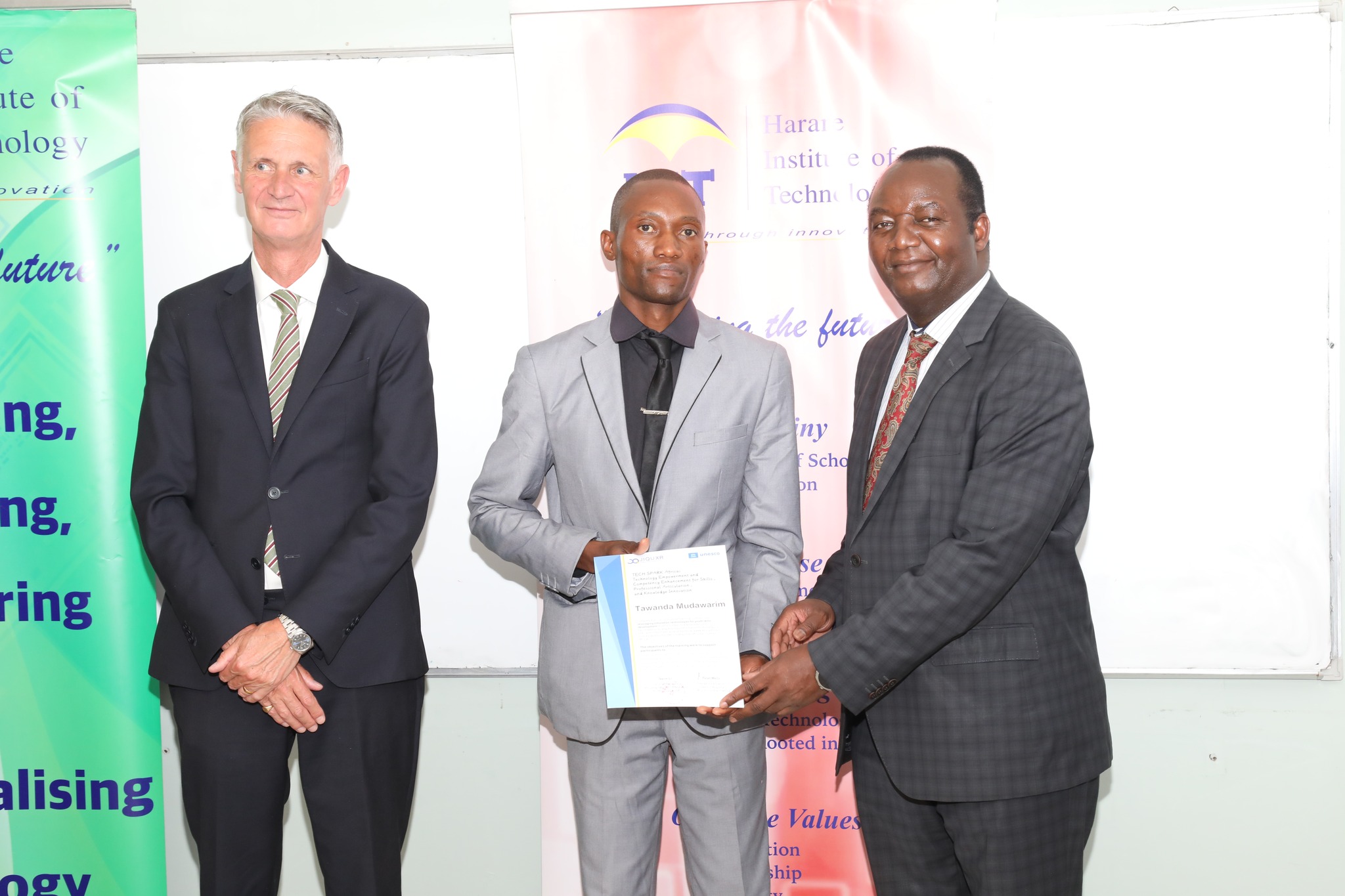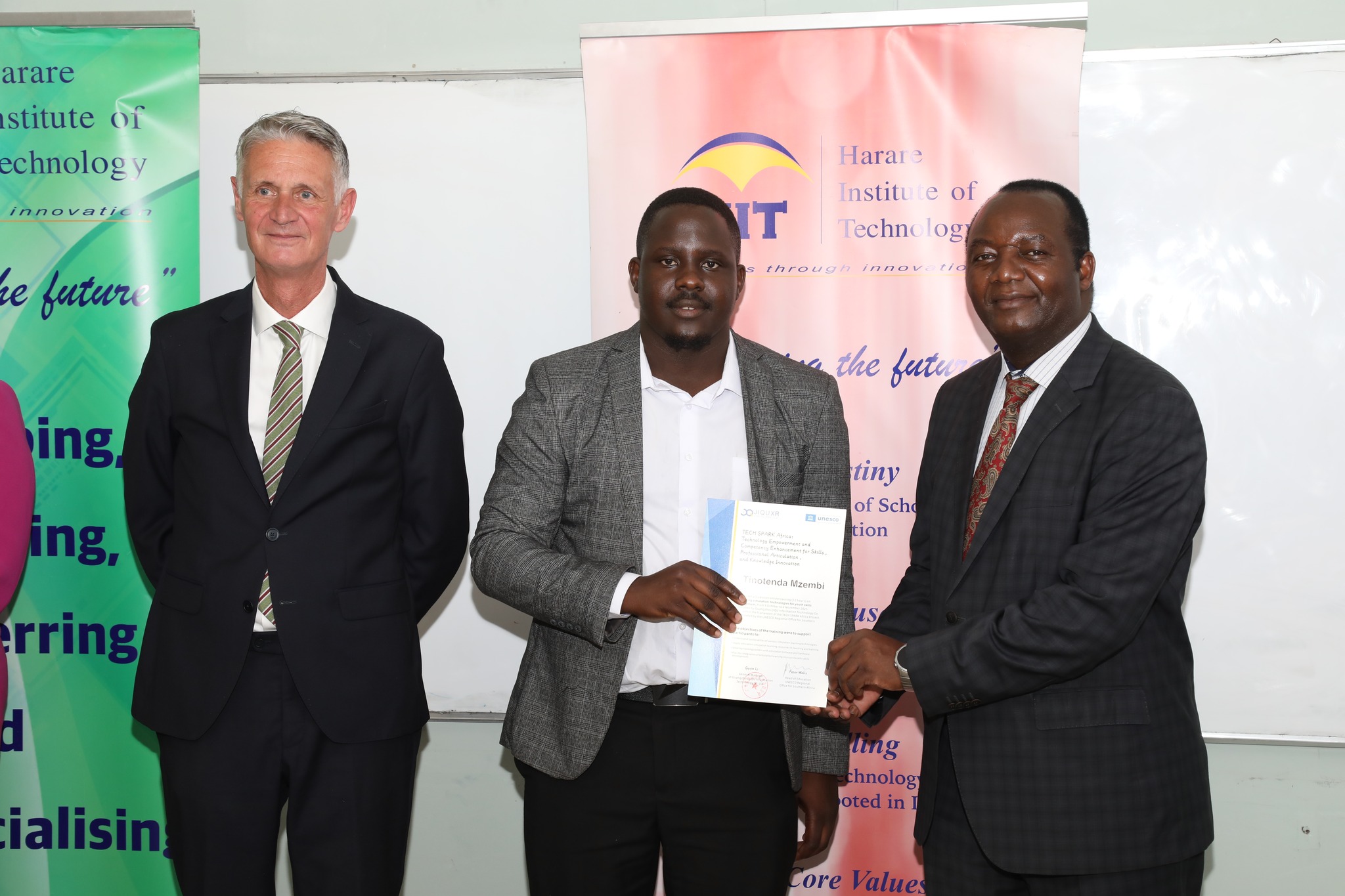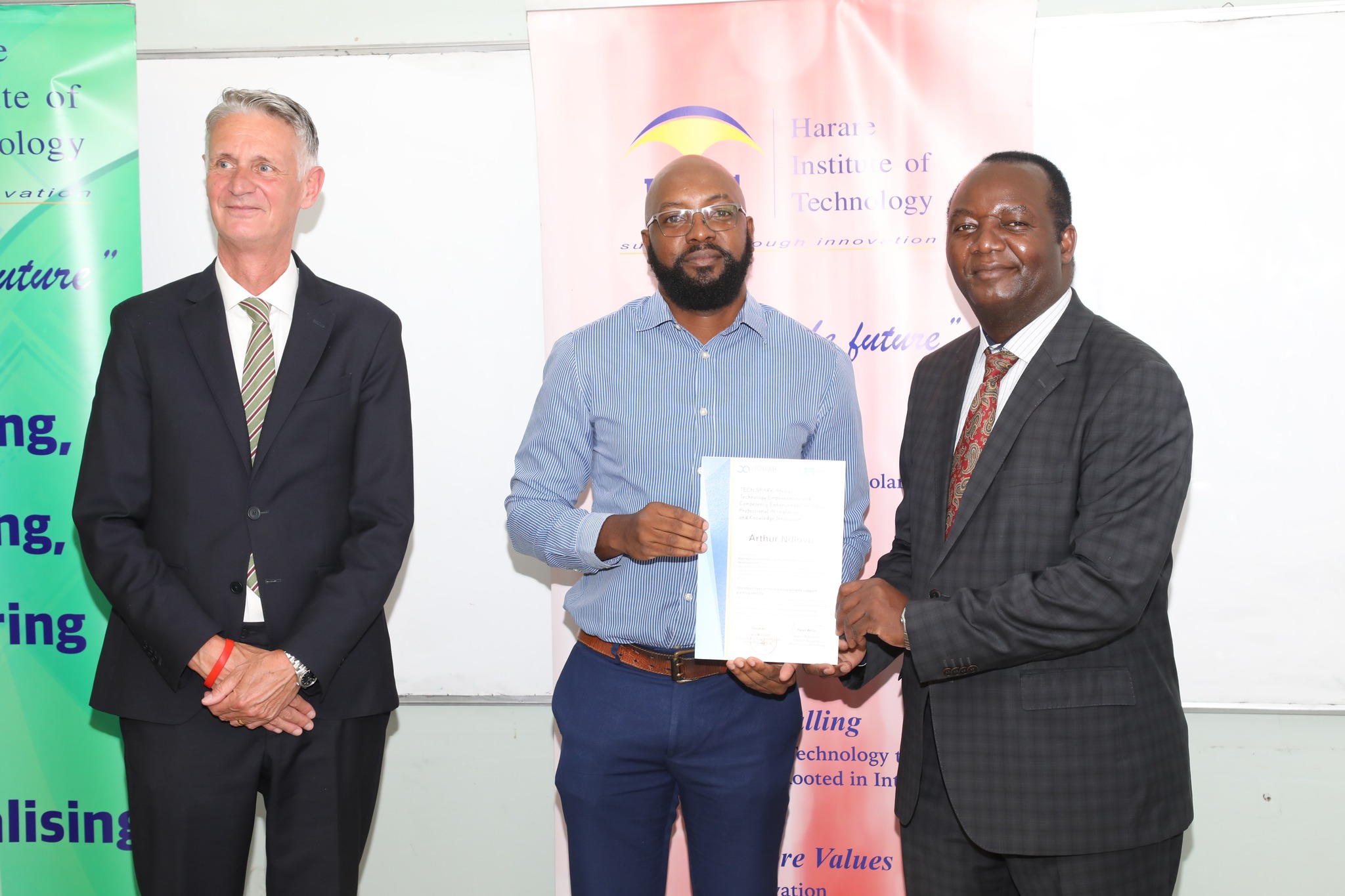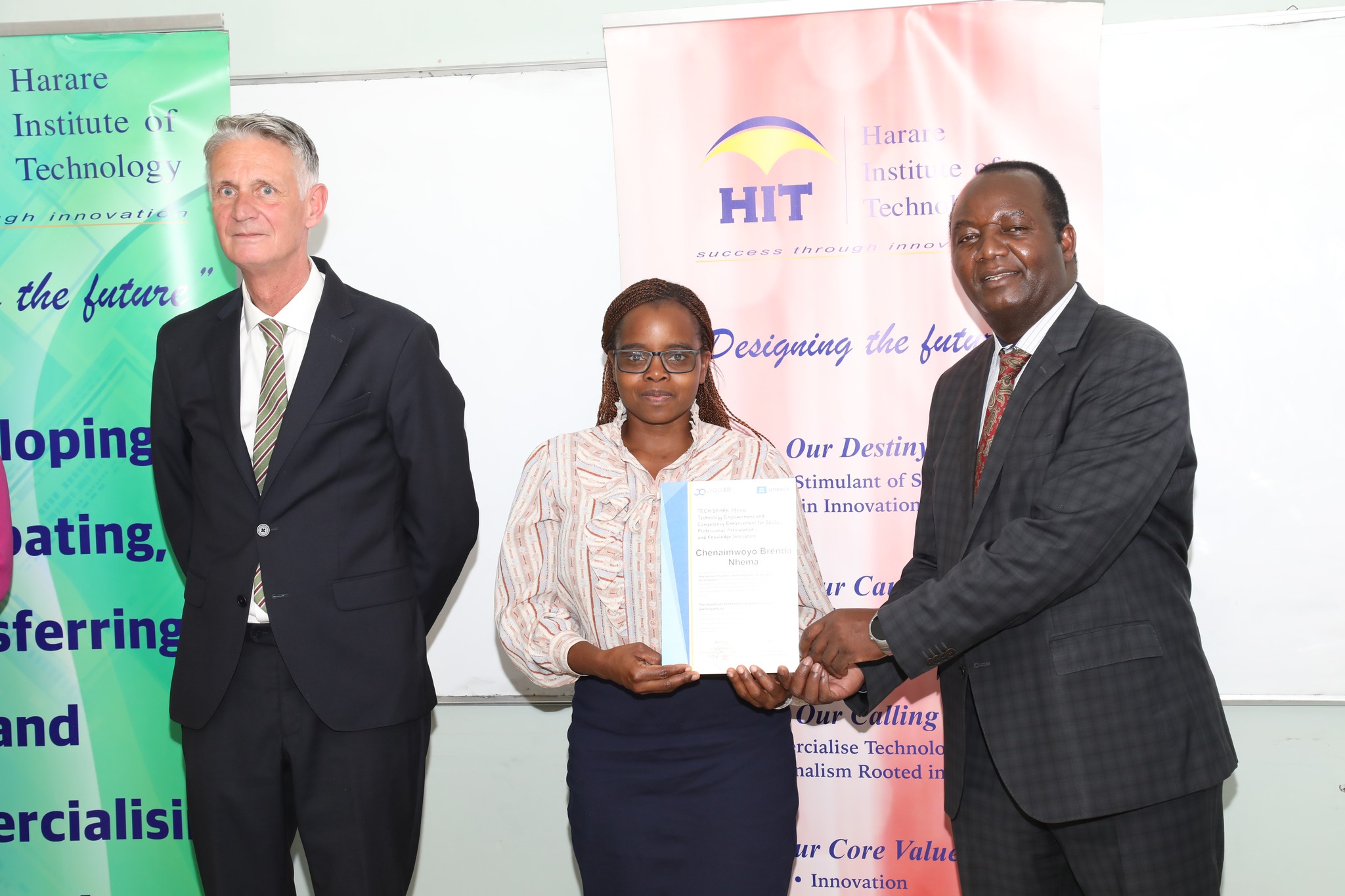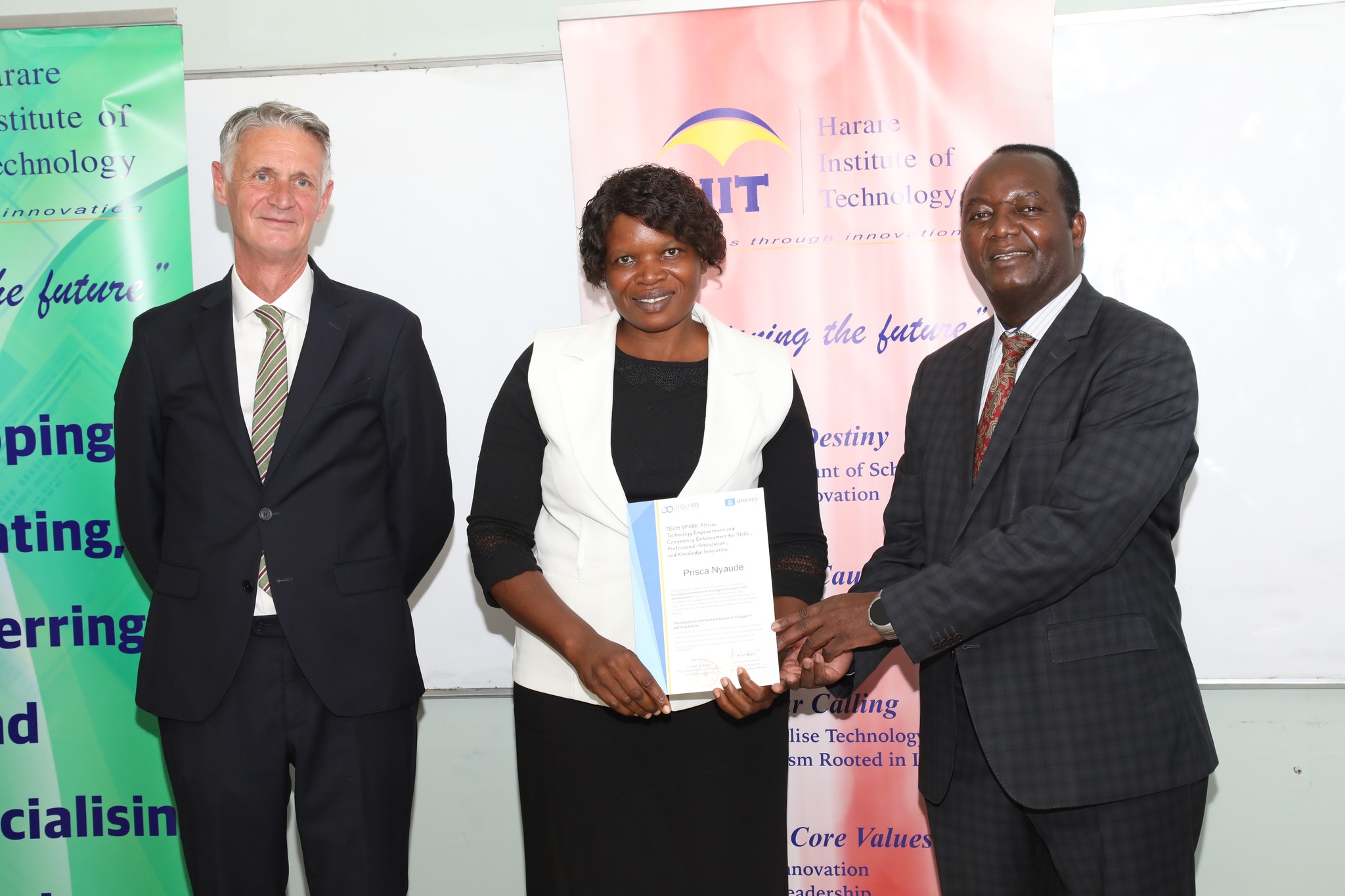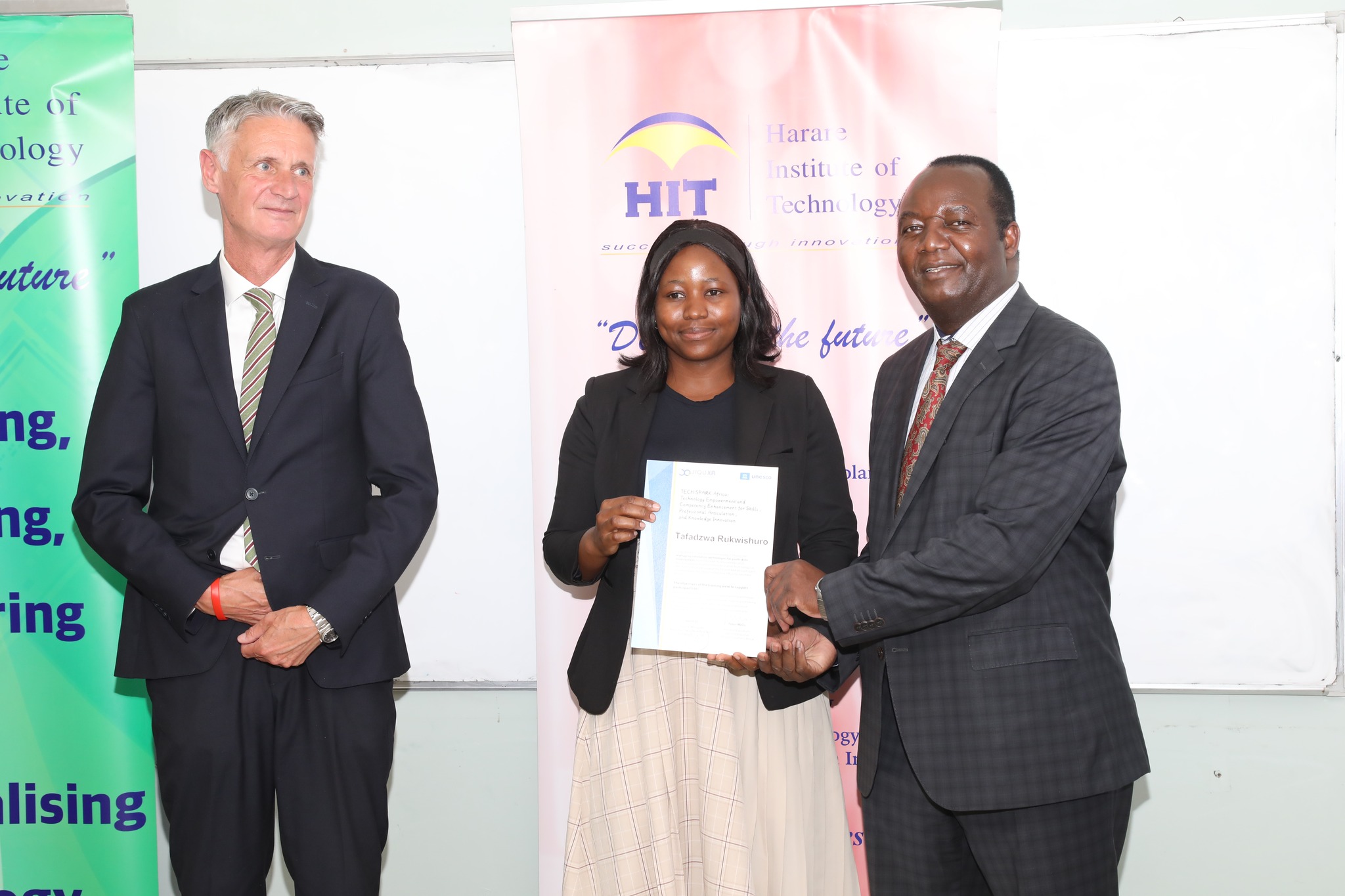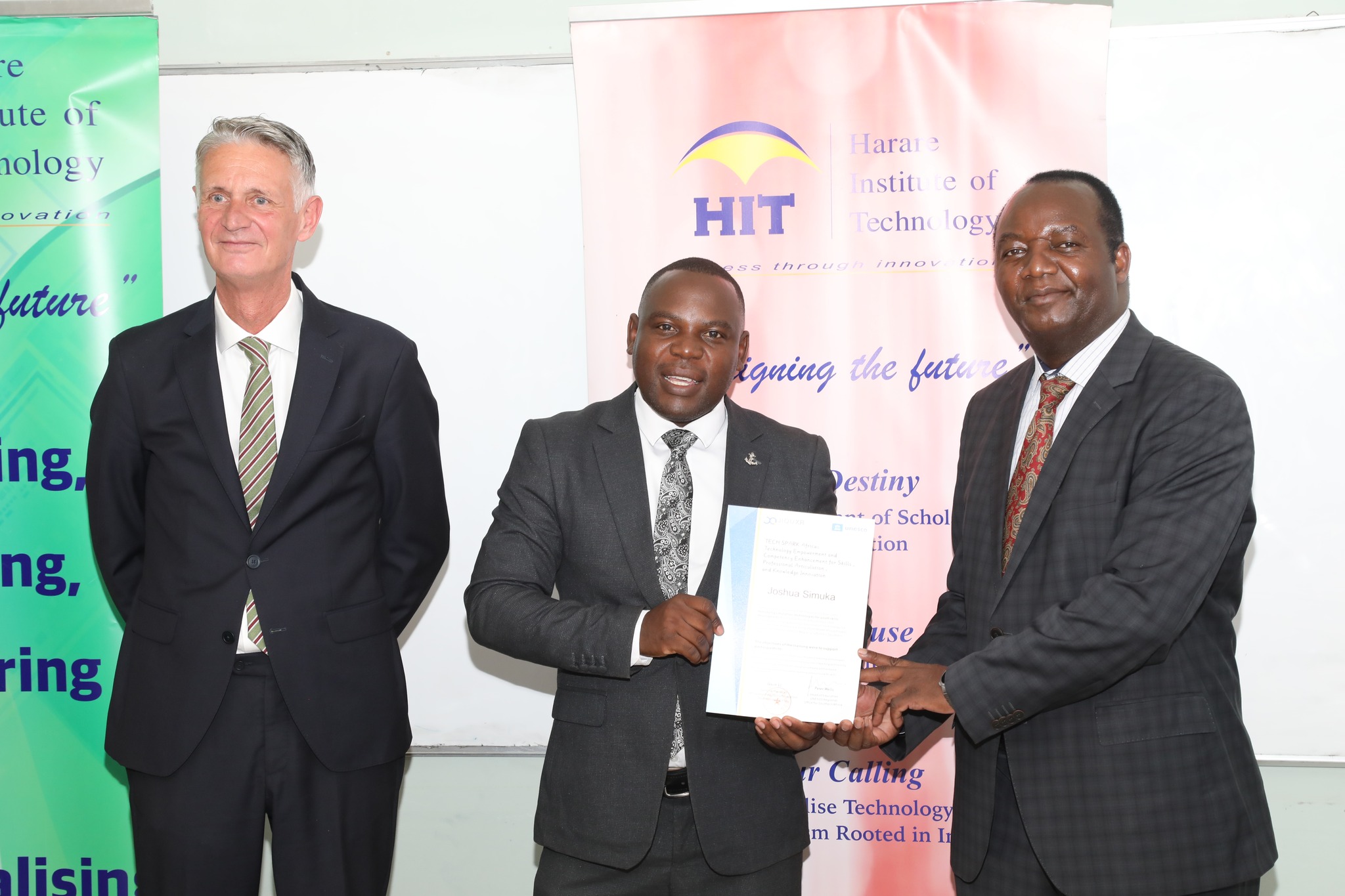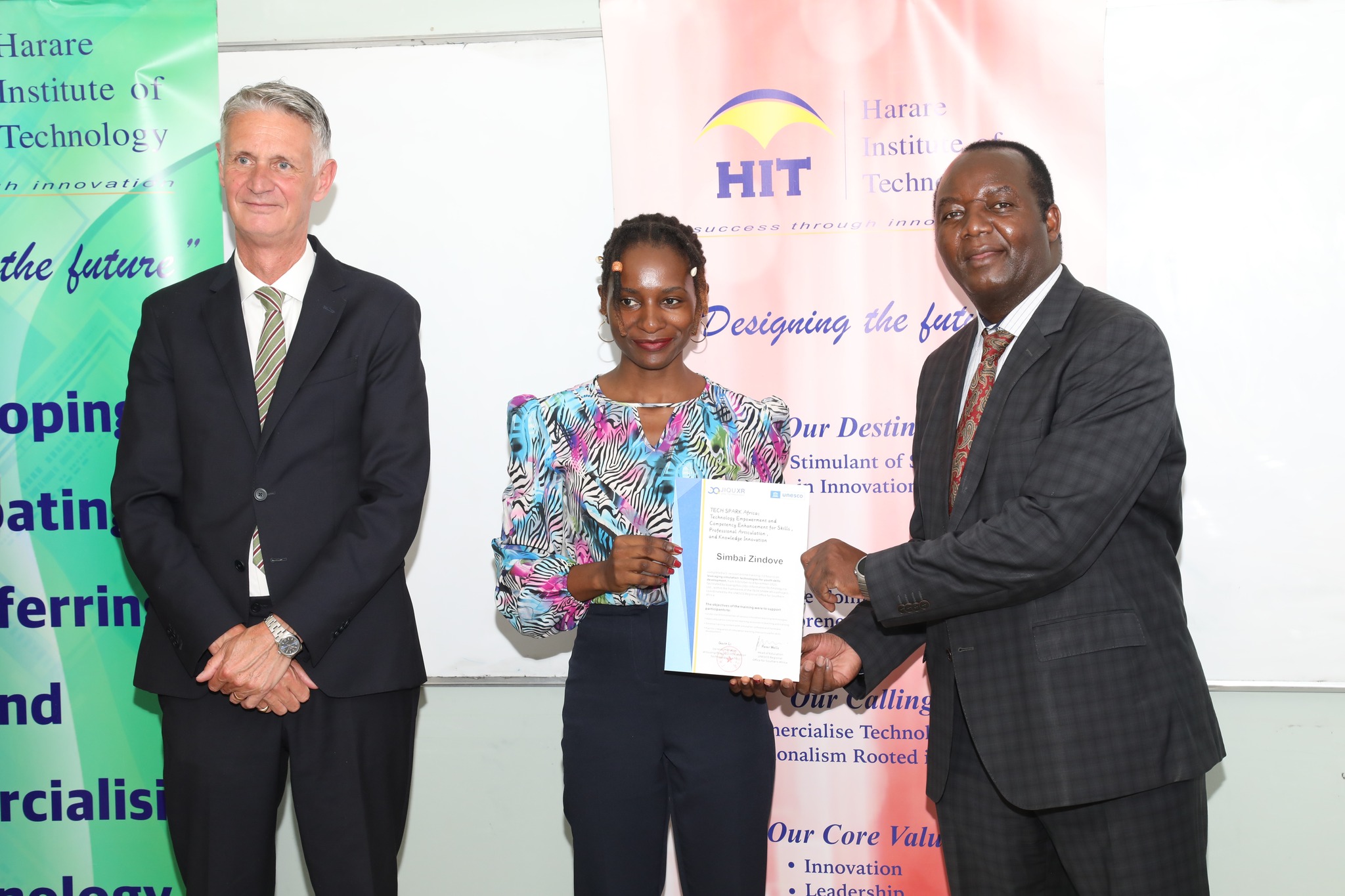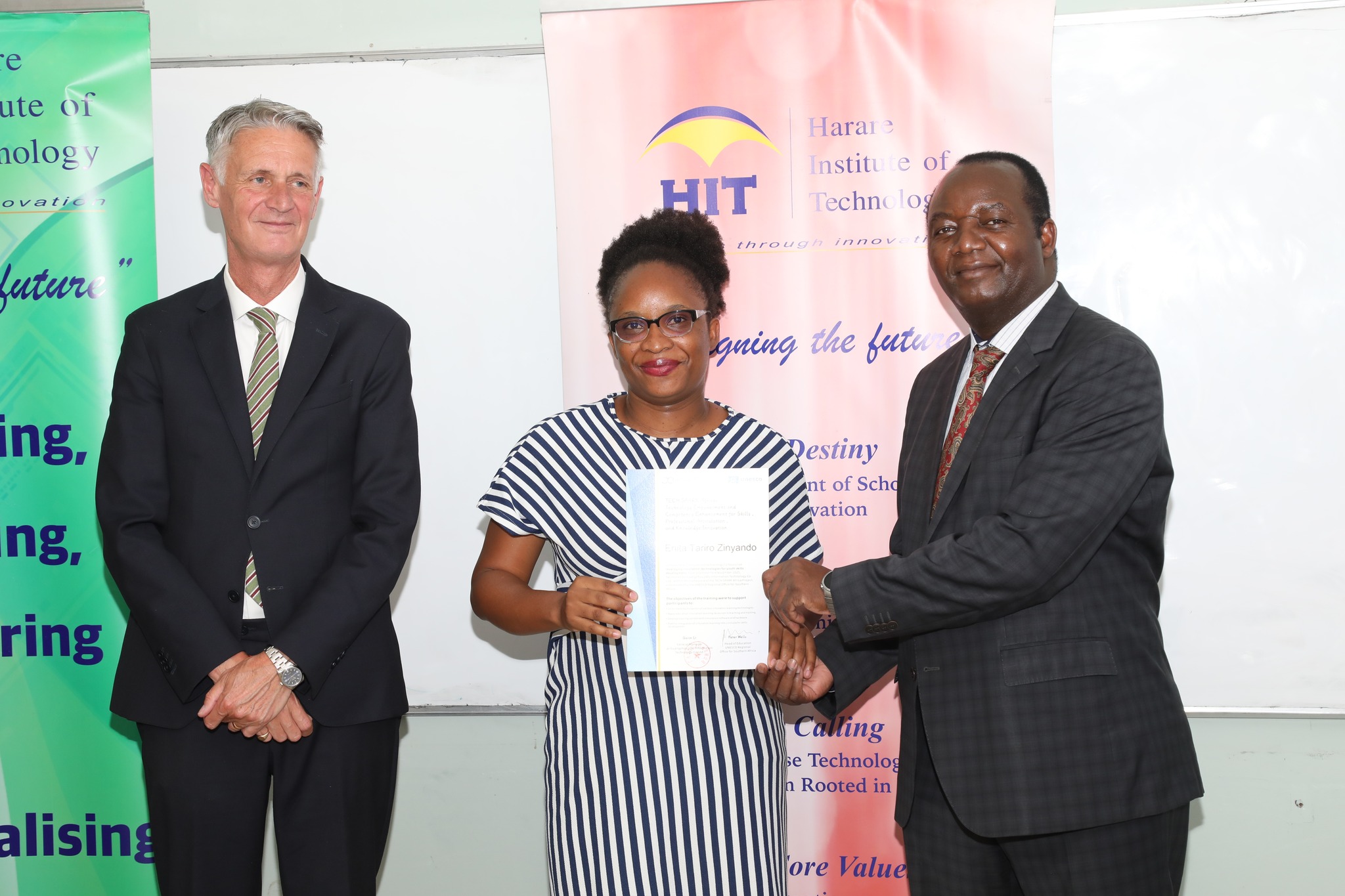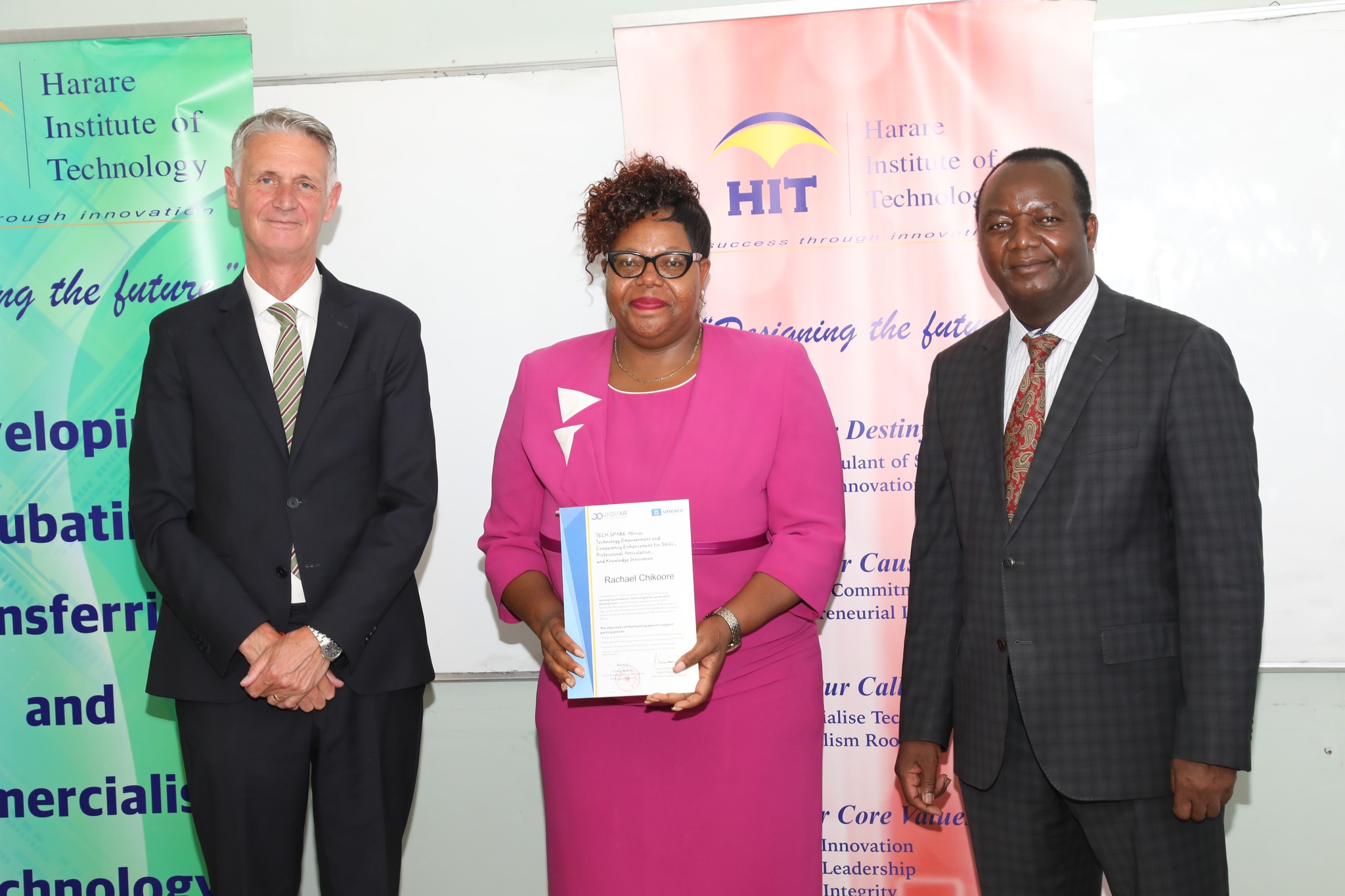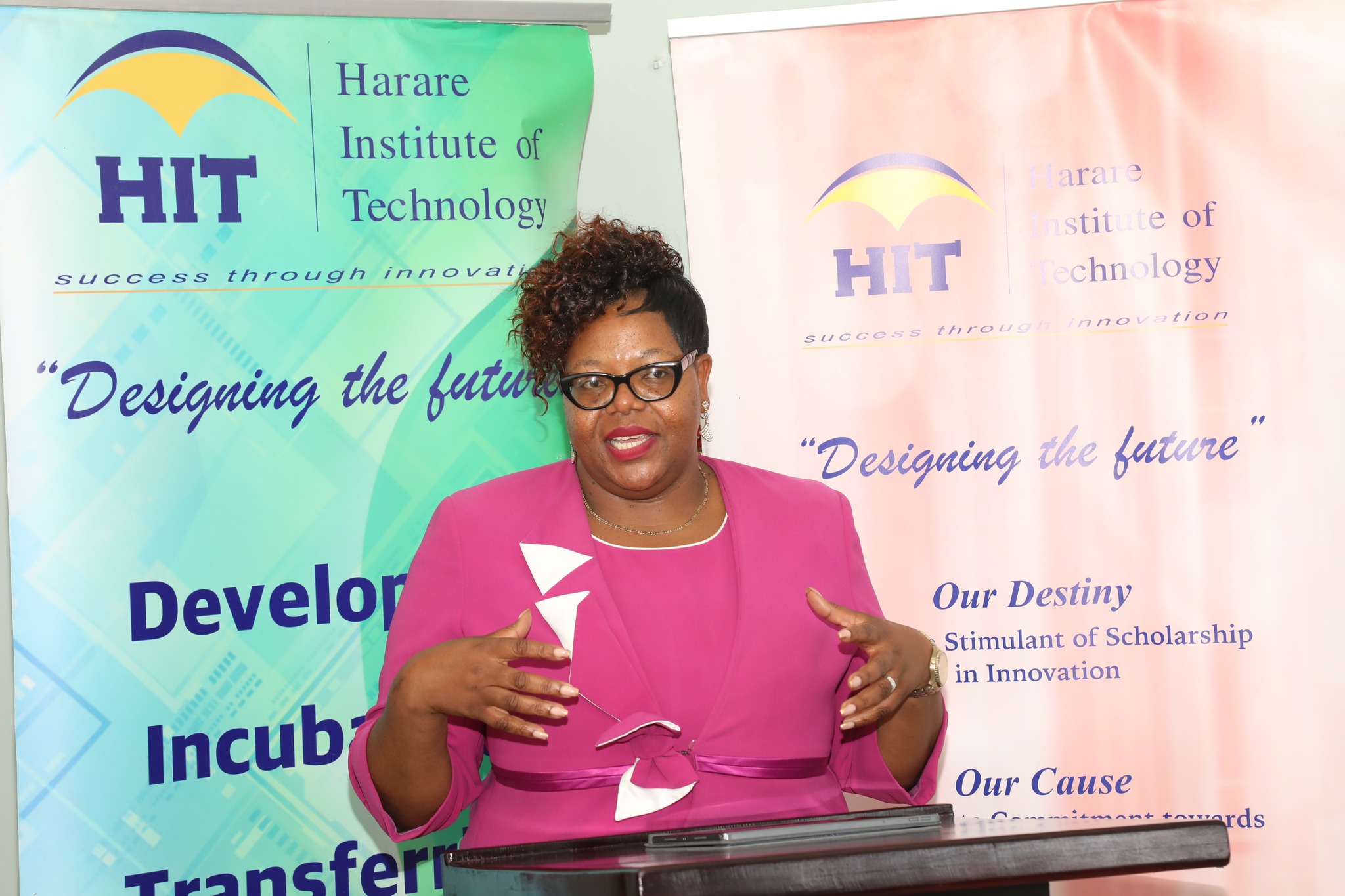
The Harare Institute of Technology (HIT) celebrated a significant milestone in its journey towards technological empowerment and educational innovation by hosting the Certification and Virtual Reality Sand Table Handover Ceremony under the UNESCO Tech Spark Africa Project.
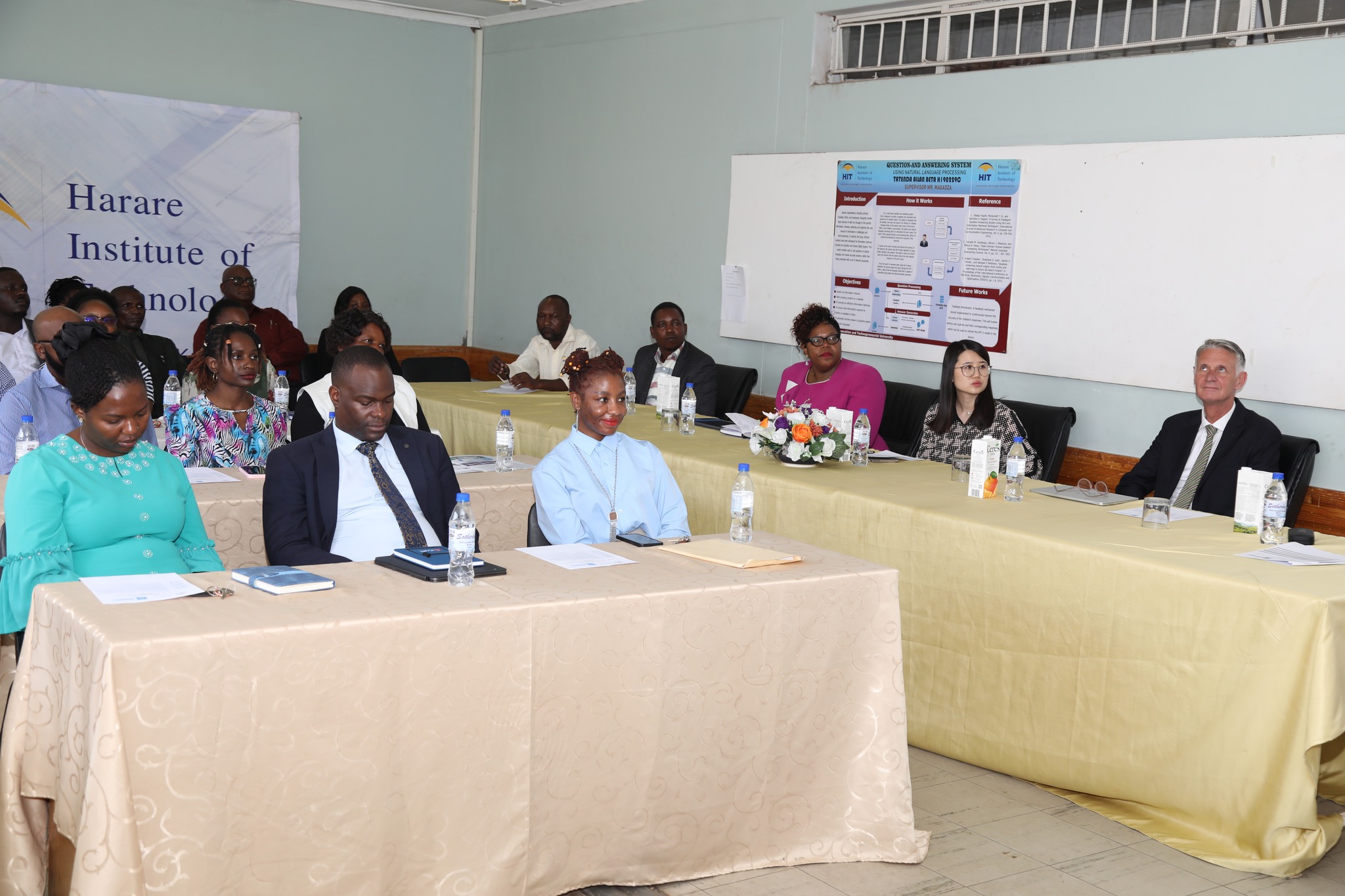
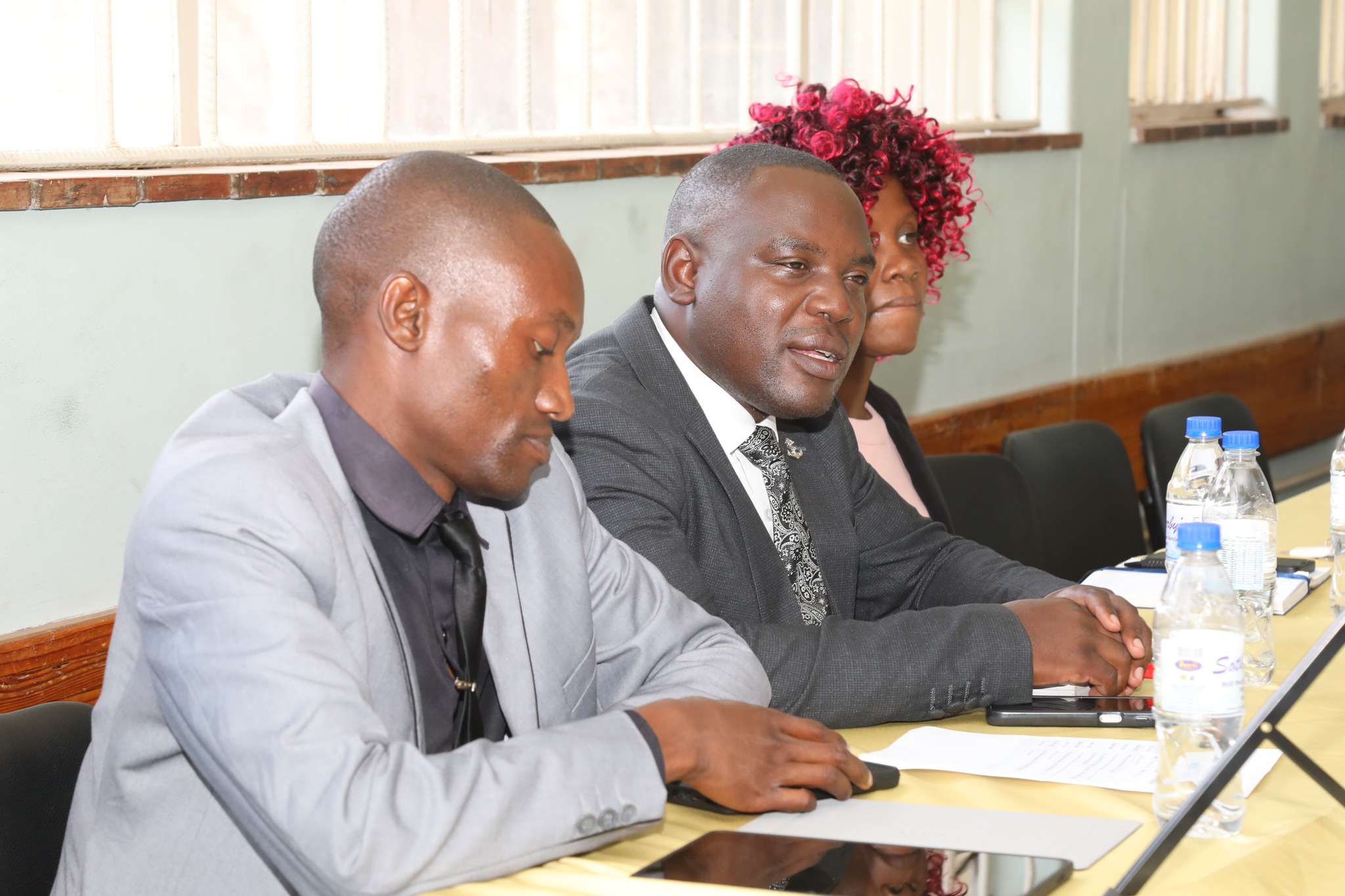
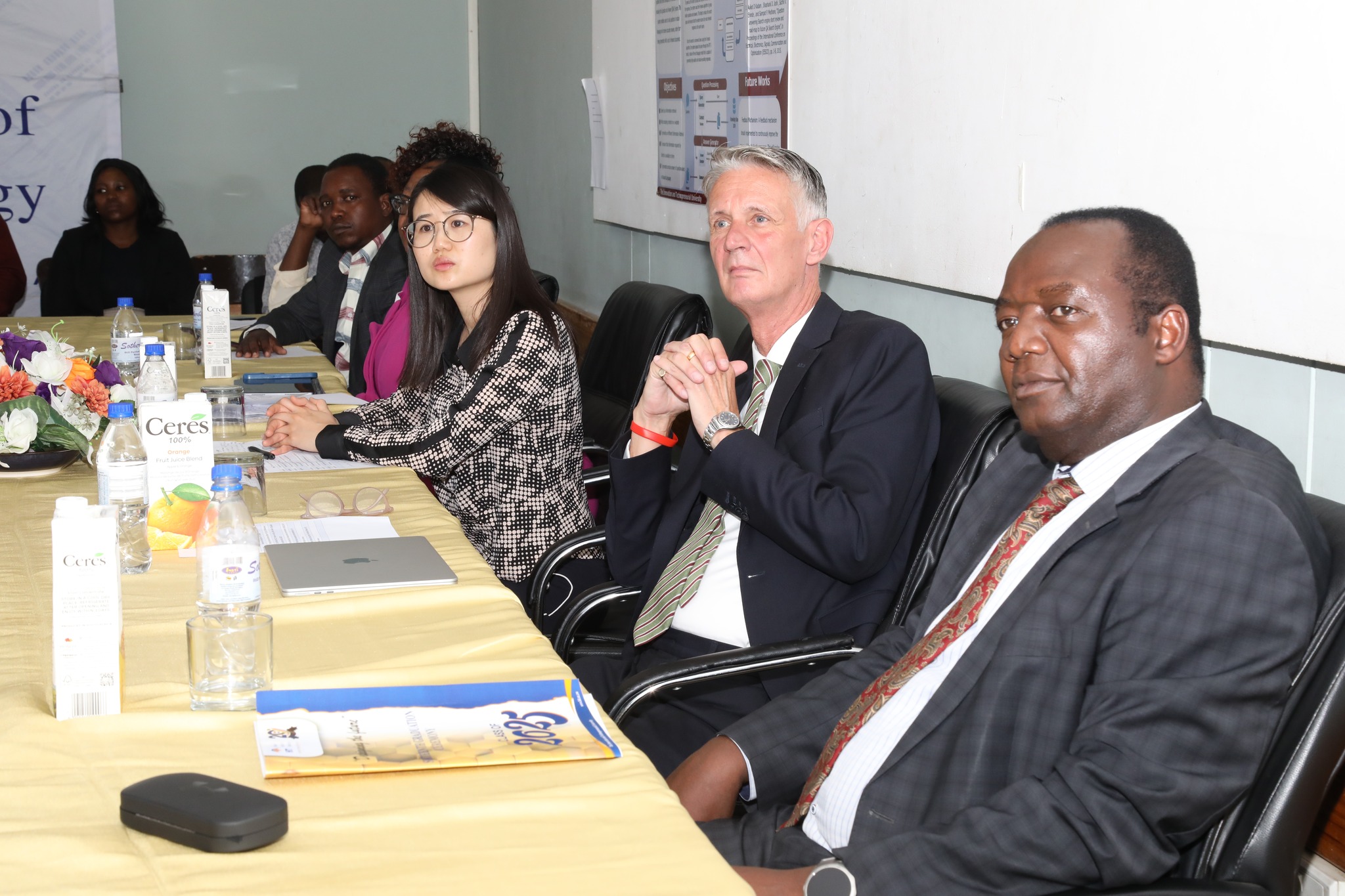
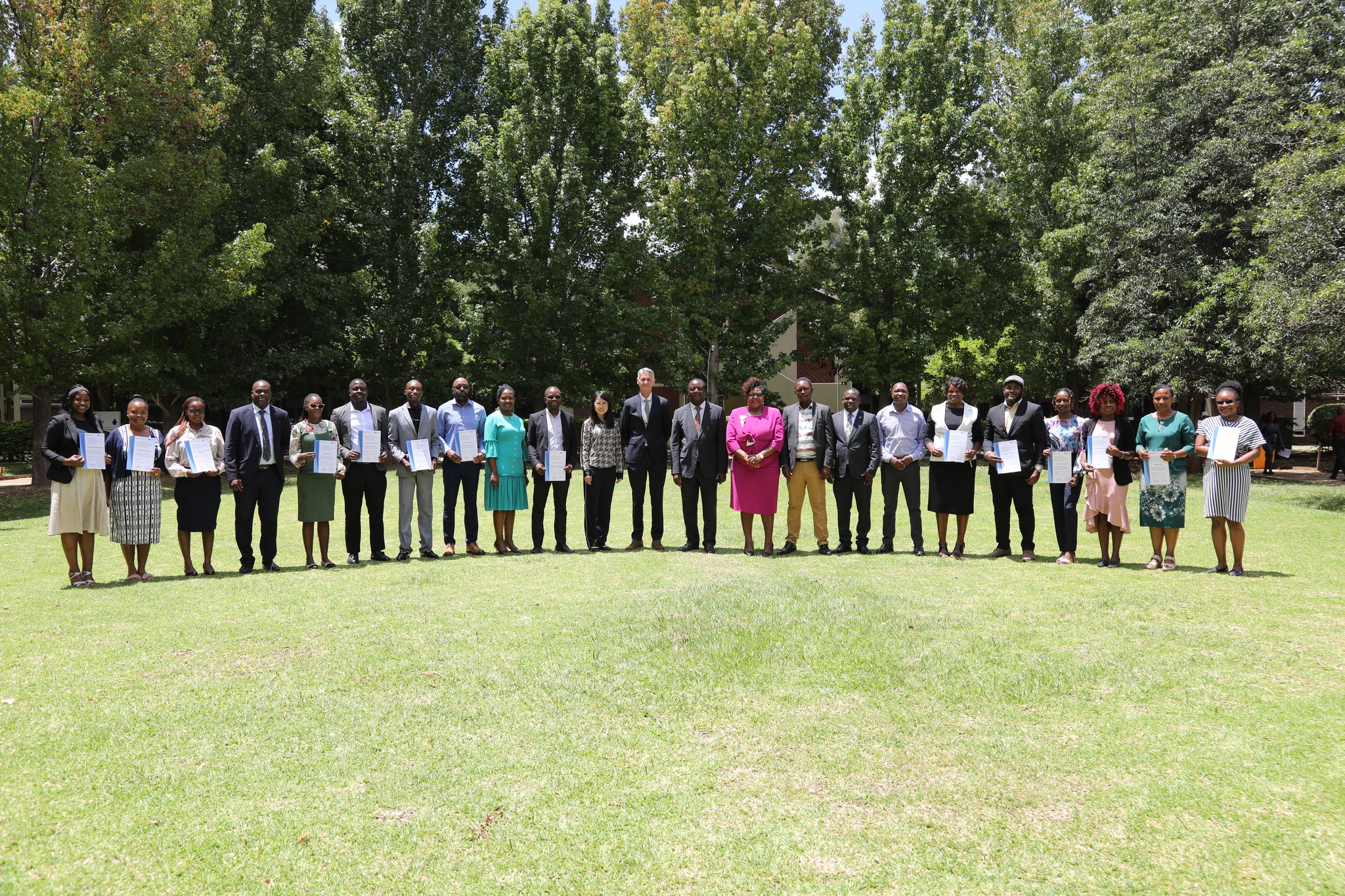
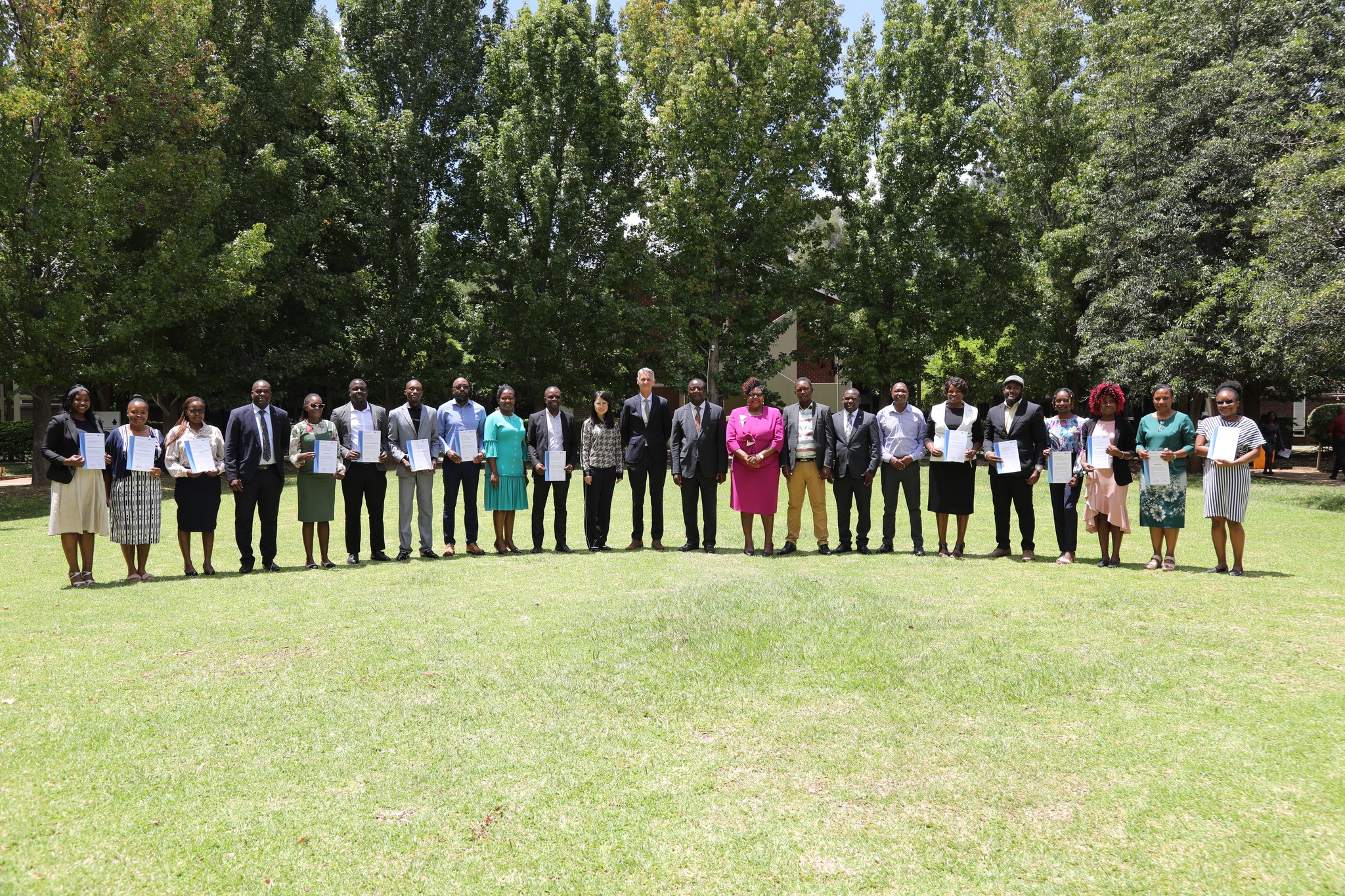
The event, attended by senior management, staff, and certificate recipients, marked the successful culmination of a specialised training initiative aimed at integrating simulation technologies into higher technical education. A cohort of 22 HIT staff and students was honoured for completing the intensive training programme.
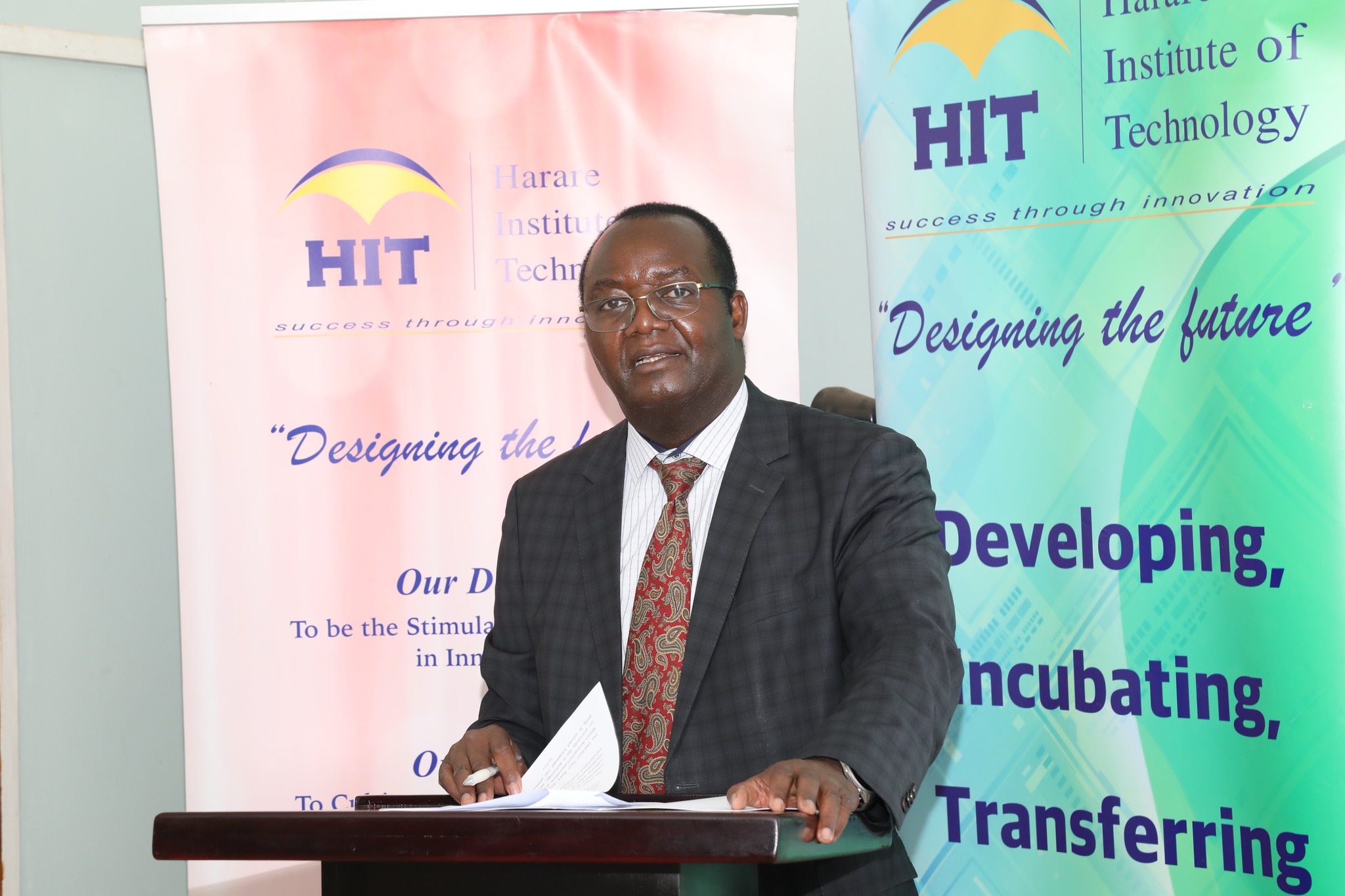
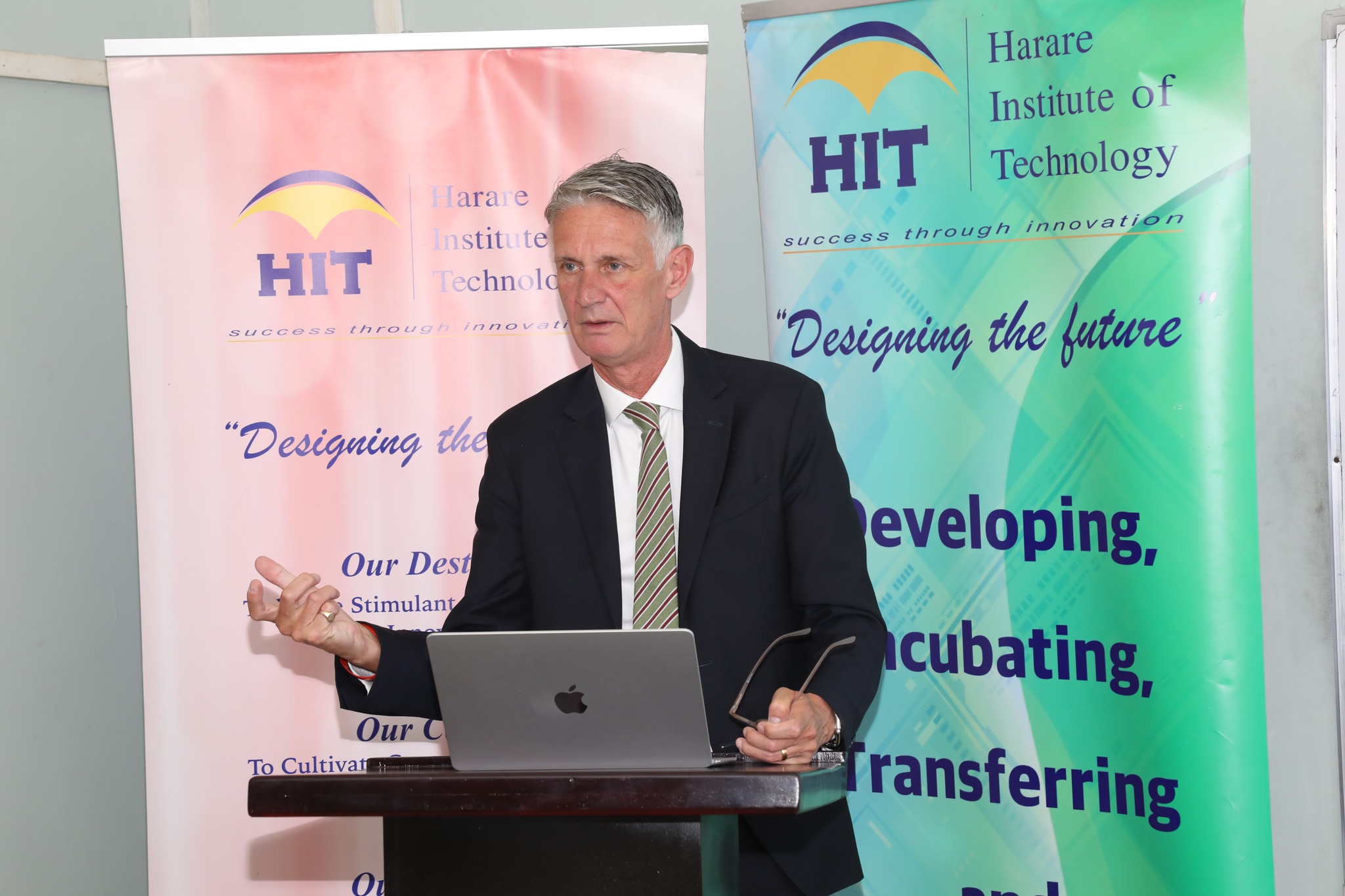
In his keynote address, the Vice Chancellor, Prof Quinton Chamunorwa Kanhukamwe, emphasised the transformative significance of the project. “This event is far more than a ceremonial handover,” he stated. “It marks a strategic milestone in our collective effort to reposition higher education as a driver of industrialisation, innovation, and sustainable socio-economic transformation.”
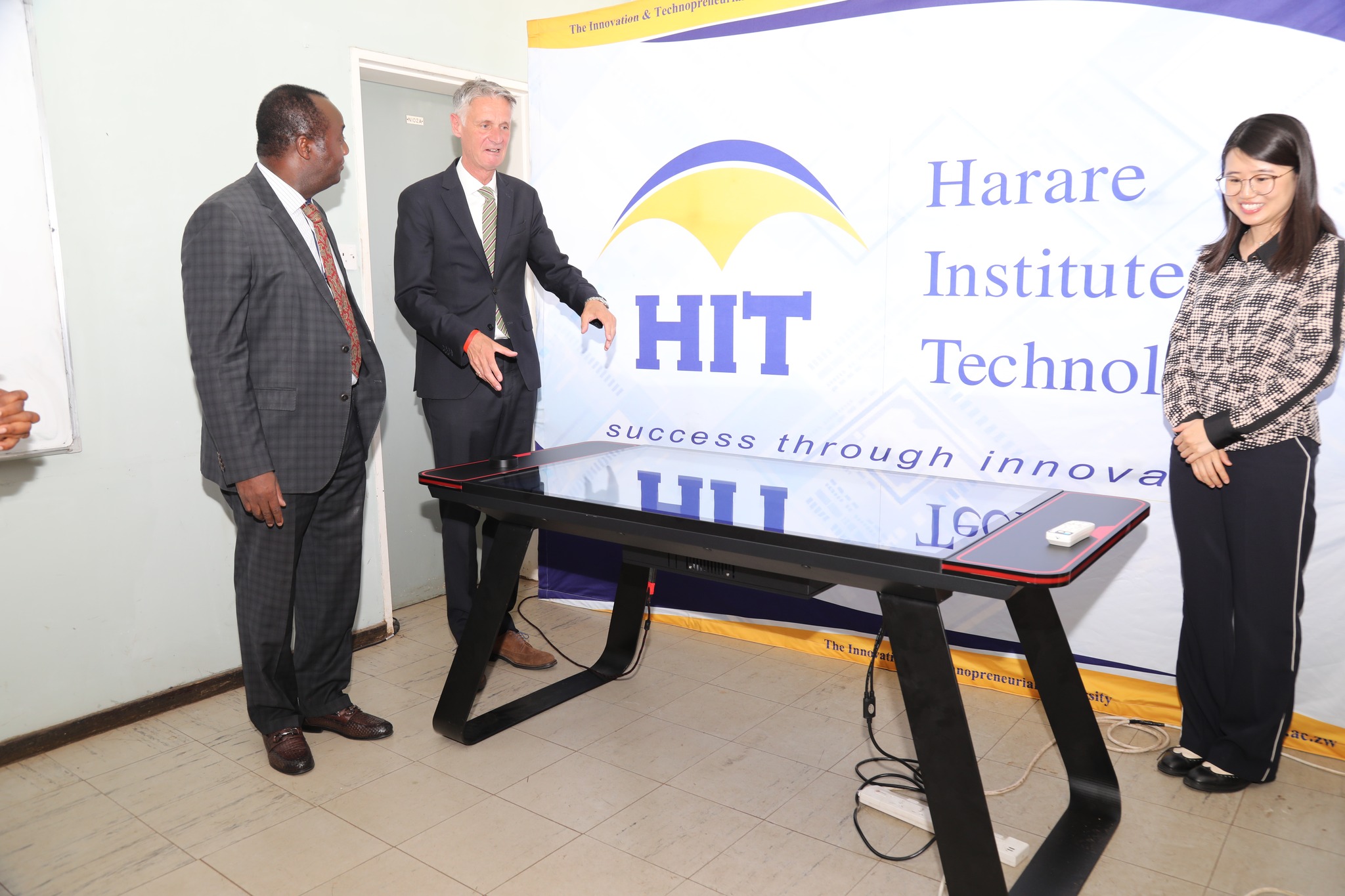
The handover of the state-of-the-art Virtual Reality Sand Table was highlighted as a core investment in HIT’s “Designing the Future” mission. “It strengthens our capacity to offer immersive, practice-oriented education that mirrors real industrial environments,” the Vice Chancellor explained. “Through this technology, students and staff can model complex systems, test engineering solutions, and interrogate industrial processes, thereby enhancing innovation, reducing risk, and accelerating learning.”
The ceremony formally certified the 22 HIT participants who completed the rigorous 5-session online training (totalling 12 hours) held from 9 October to 4 November 2025. The training, titled “Leveraging Simulation Technologies for Youth Skills Development,” was expertly facilitated by Guangzhou JIQU Information Technology Co., Ltd. under the framework of the UNESCO project.
The programme had clear, actionable objectives designed to build tangible competencies, supporting participants to understand functionalities of various simulation learning technologies, and apply education simulation learning resources in teaching and training, develop training content with simulation software and hardware, and plan for integration of simulation learning into curricula for skills development.
Prof Kanhukamwe lauded the recipients, stating, “You are not only beneficiaries of training; you are strategic assets in our national innovation ecosystem. Your newly acquired competencies enhance our institutional capacity to implement Education 5.0 and to support Zimbabwe’s industrialisation agenda under the National Development Strategy 2 (NDS2).”
The certification symbolises a powerful tripartite collaboration between HIT, industry, and a leading UN agency.
The UNESCO Tech Spark Africa Project, coordinated by the UNESCO Regional Office for Southern Africa (ROSA), aligns perfectly with national and continental development goals. The VC noted that the project directly enhances HIT’s contribution to NDS2 outcomes by supporting priority sectors like manufacturing, infrastructure, mining, energy, and digital industries.
Prof Kanhukamwe also extended heartfelt appreciation to UNESCO ROSA and the implementing partner, JIQU Technology, for their “visionary leadership and sustained commitment to Africa’s skills and innovation agenda,” underscoring the power of partnership in advancing sustainable development.
The Vice Chancellor concluded with a forward-looking vision, asserting that the adoption of Virtual, Augmented, and Mixed Reality within HIT’s academic ecosystem is “not optional; it is imperative.” He called for deepening partnerships and expanding innovation ecosystems to ensure education remains a catalyst for industrialisation and inclusive growth.
“Together, through Education 5.0, guided by NDS2 and the HIT Strategic Plan *Designing the Future*, we can empower our youth, strengthen our industries, and secure Zimbabwe’s place in the global knowledge economy,” he said.
UNESCO Head of Education for Southern Africa, Mr Peter J. Wells, framed the event as a “celebration of commitment” to learning, innovation, and partnership. He clarified that the UNESCO TechSpark project (coordinated by the UNESCO Regional Office for Southern Africa) is designed to strengthen higher technical education by equipping institutions, educators, and students with the skills needed for the modern labour market, using simulation learning technologies like the Virtual Reality Sand Table.
Mr Wells highlighted that HIT, along with other university partners in Botswana and Namibia, are pioneers in this initiative, which has generated significant interest from all 16 SADC member states. The core challenge addressed is the global gap between higher education and the world of work, where graduates often lack the necessary practical and transferable skills.
A key focus of Mr Wells’ address was to congratulate the 22 HIT staff members and students who completed the intensive TechSpark training. He thanked HIT’s leadership for prioritising this continuous professional development and praised the participants’ willingness to step outside their comfort zones to learn new teaching methods.
Mr Wells emphasised that the project moves beyond just introducing new hardware as it is about integrating simulation technology into curricula to foster critical transferable skills, problem-solving, teamwork, and decision-making.
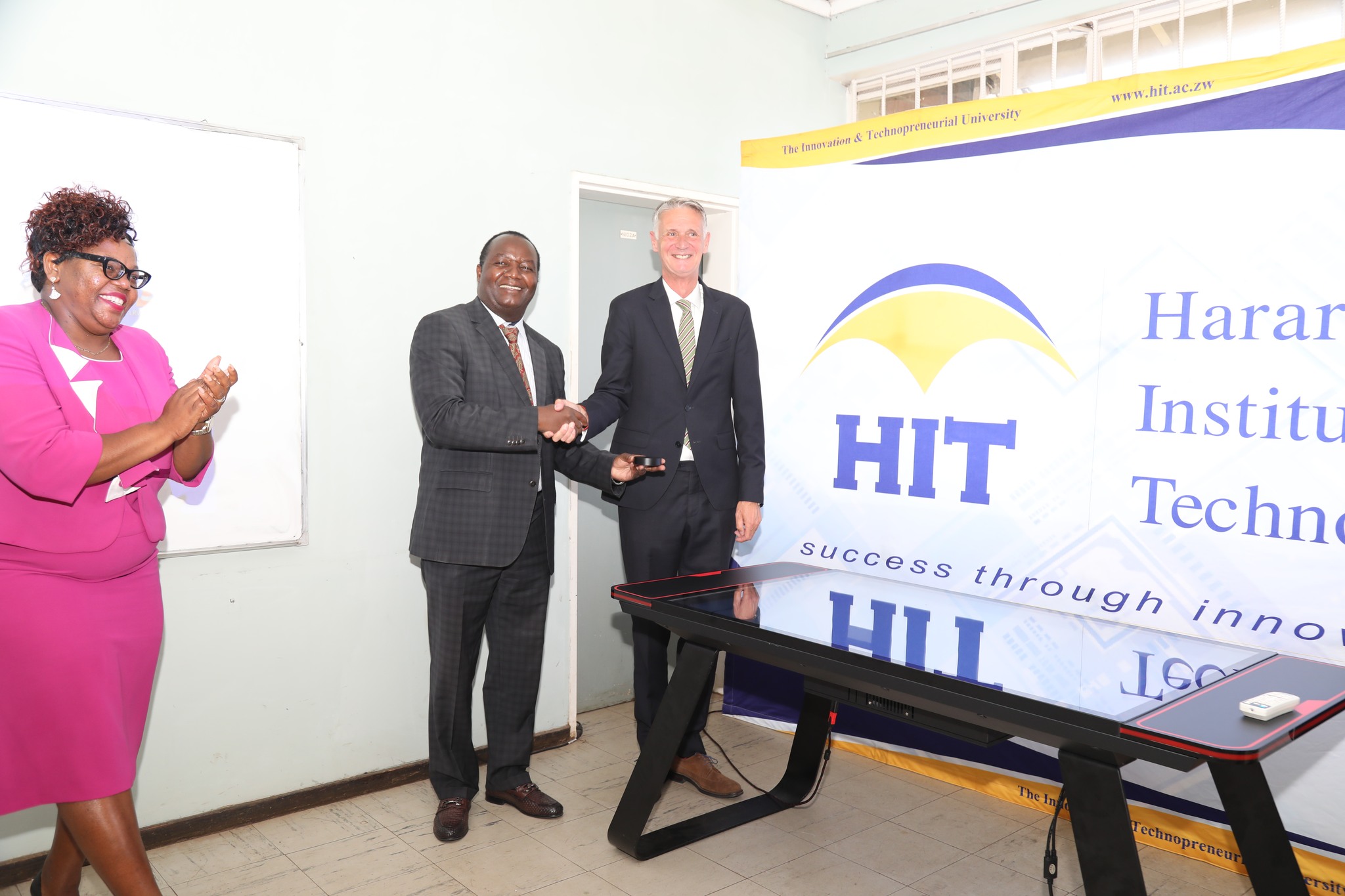
He also stated that the official handover of the Sand Table symbolises the start of a journey, not the end. He expressed a vision for such technology to become as commonplace in classrooms as whiteboards are today and outlined the next phase, which is working with the HIT team to strategically integrate this technology into specific courses and programmes.
This event reaffirmed HIT’s pivotal role as a national hub for technological innovation and its unwavering commitment to producing industry-ready, entrepreneurial graduates poised to lead Zimbabwe’s transformative future.