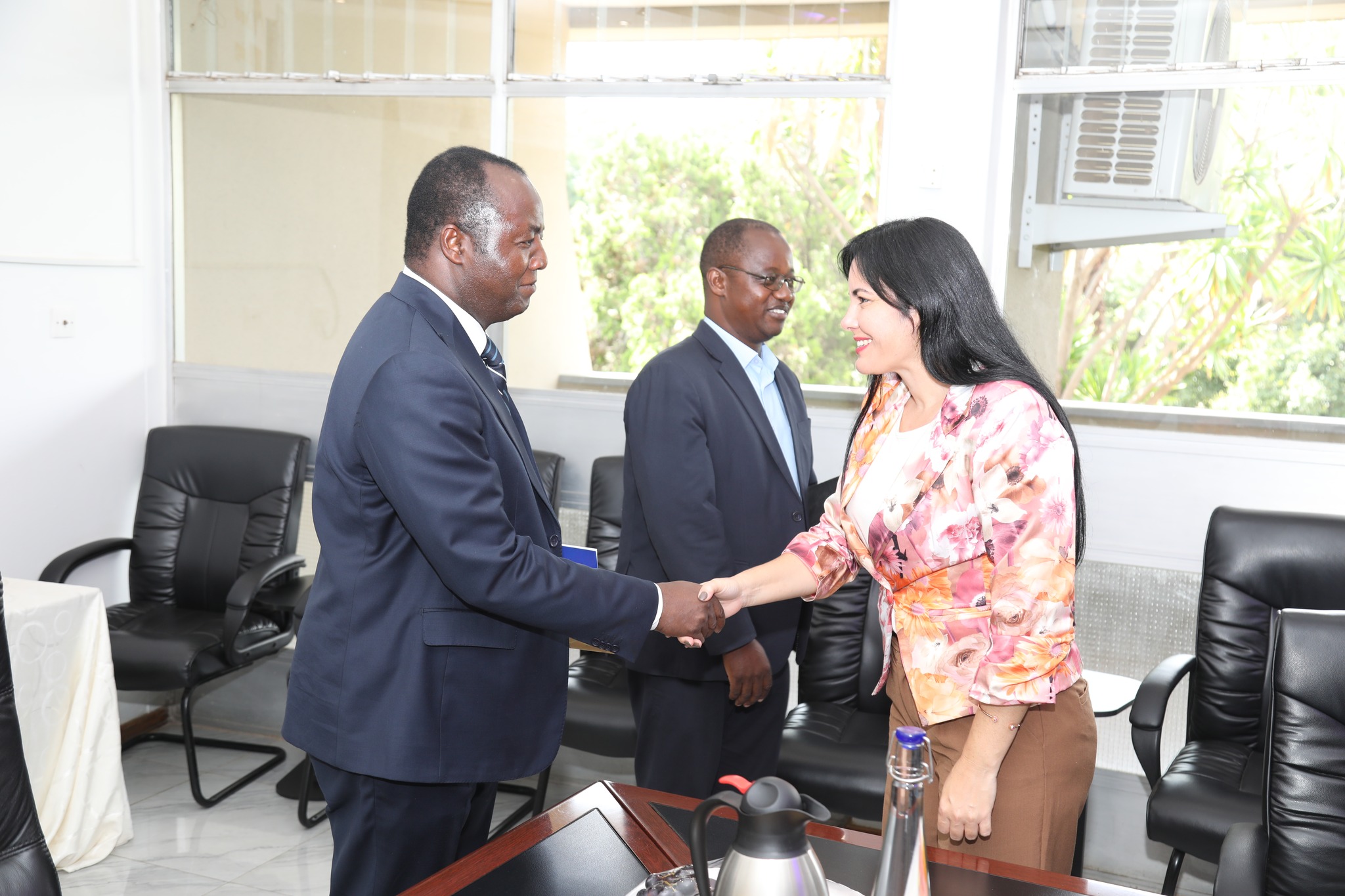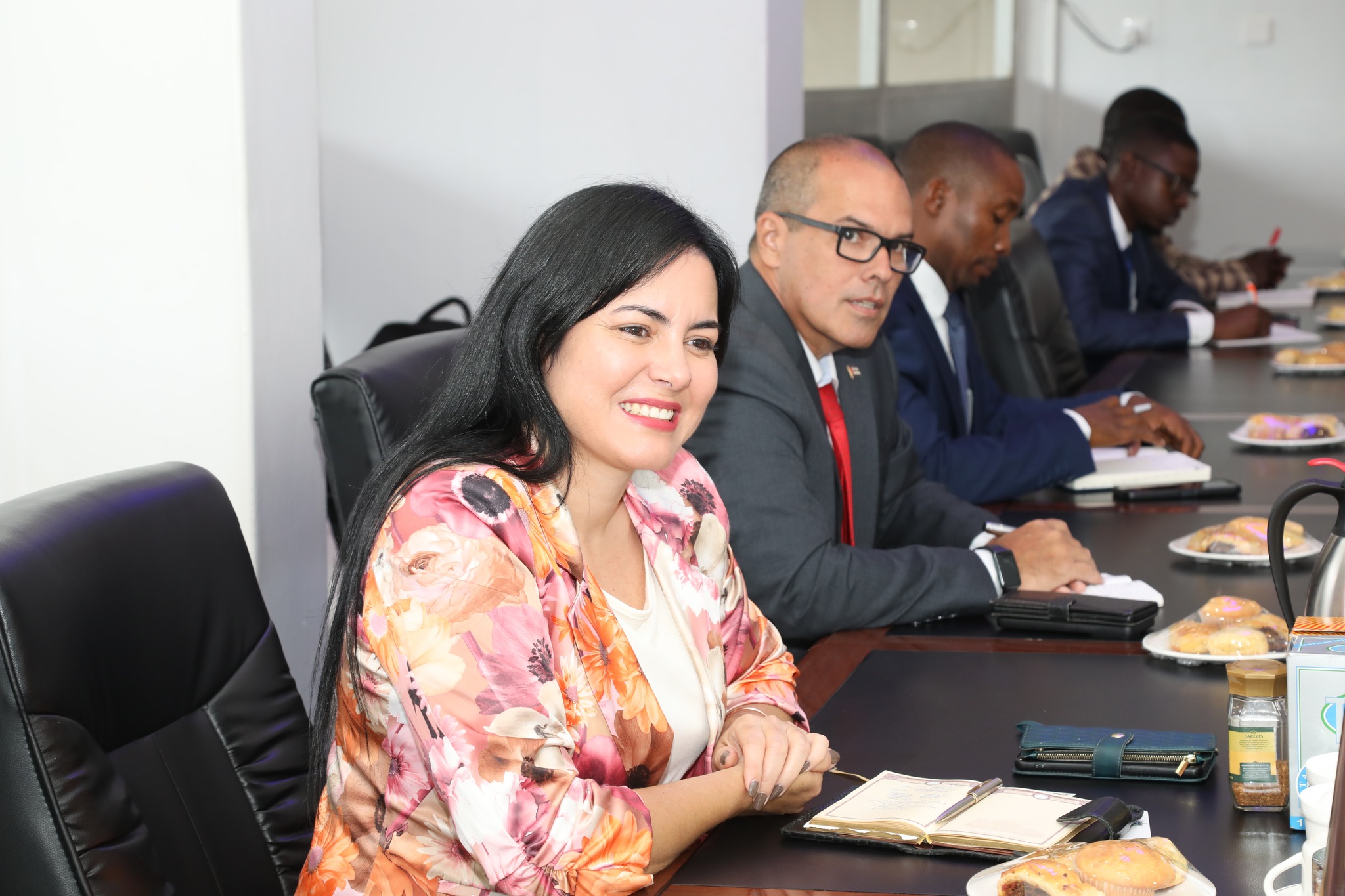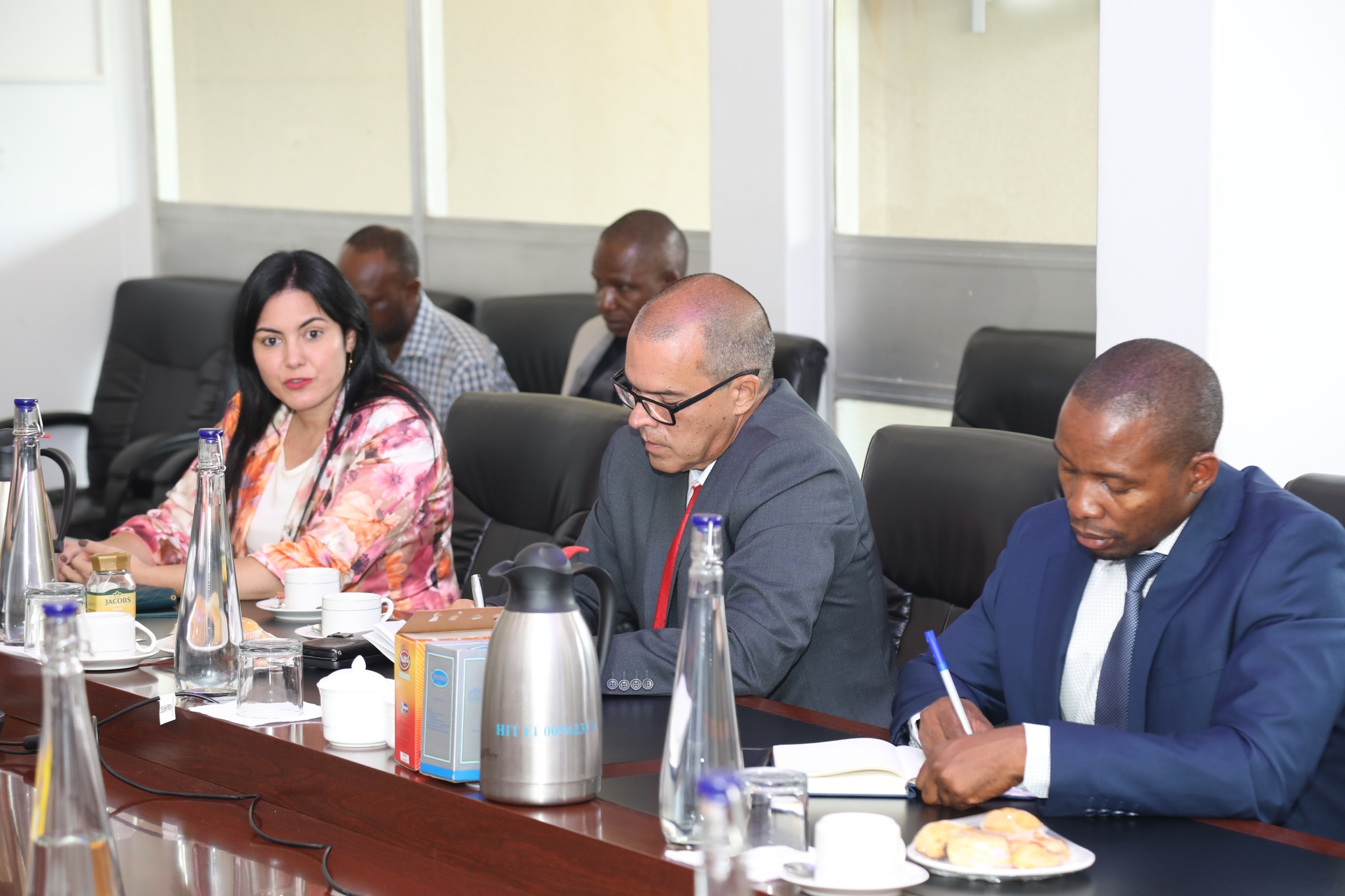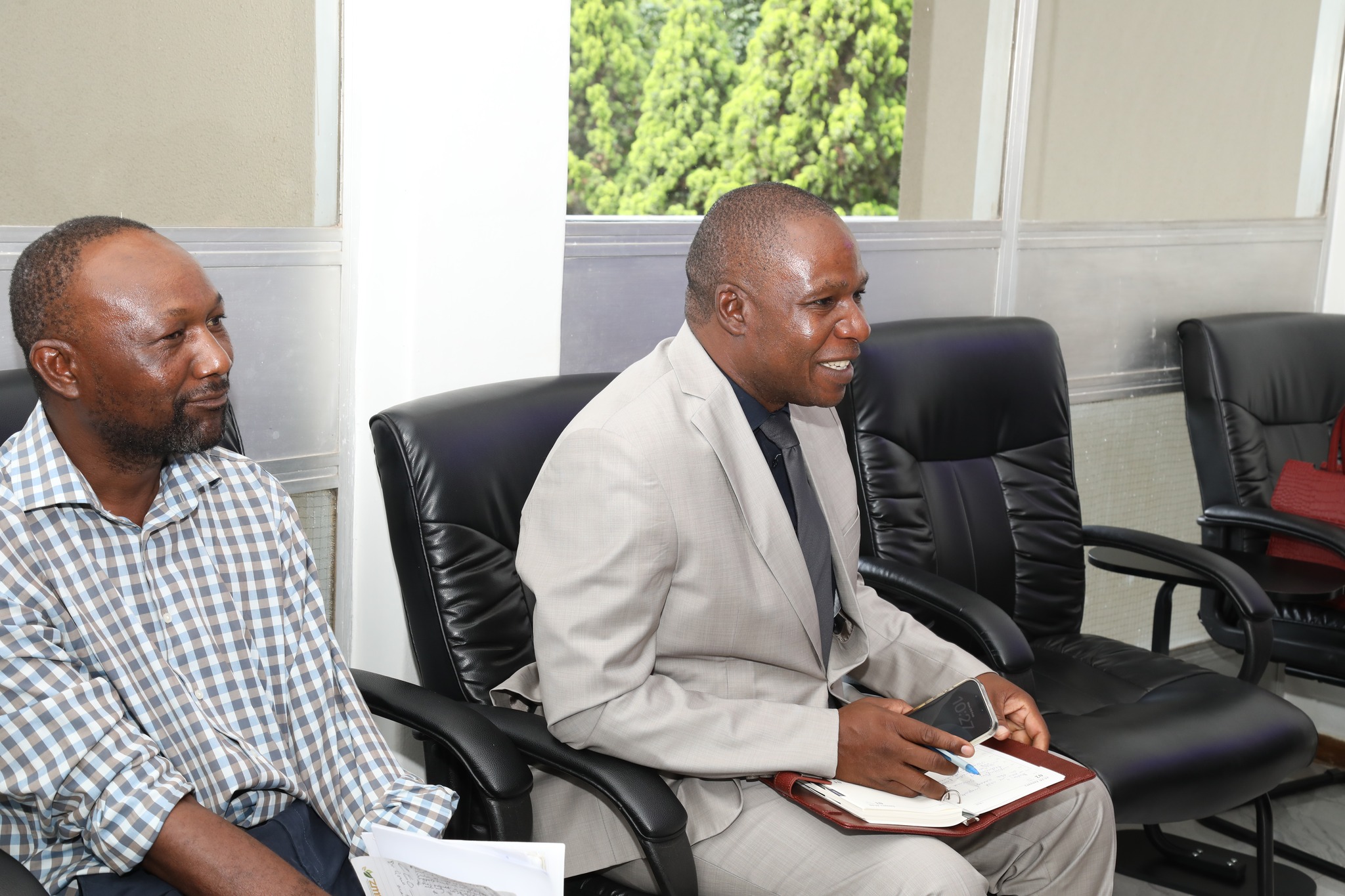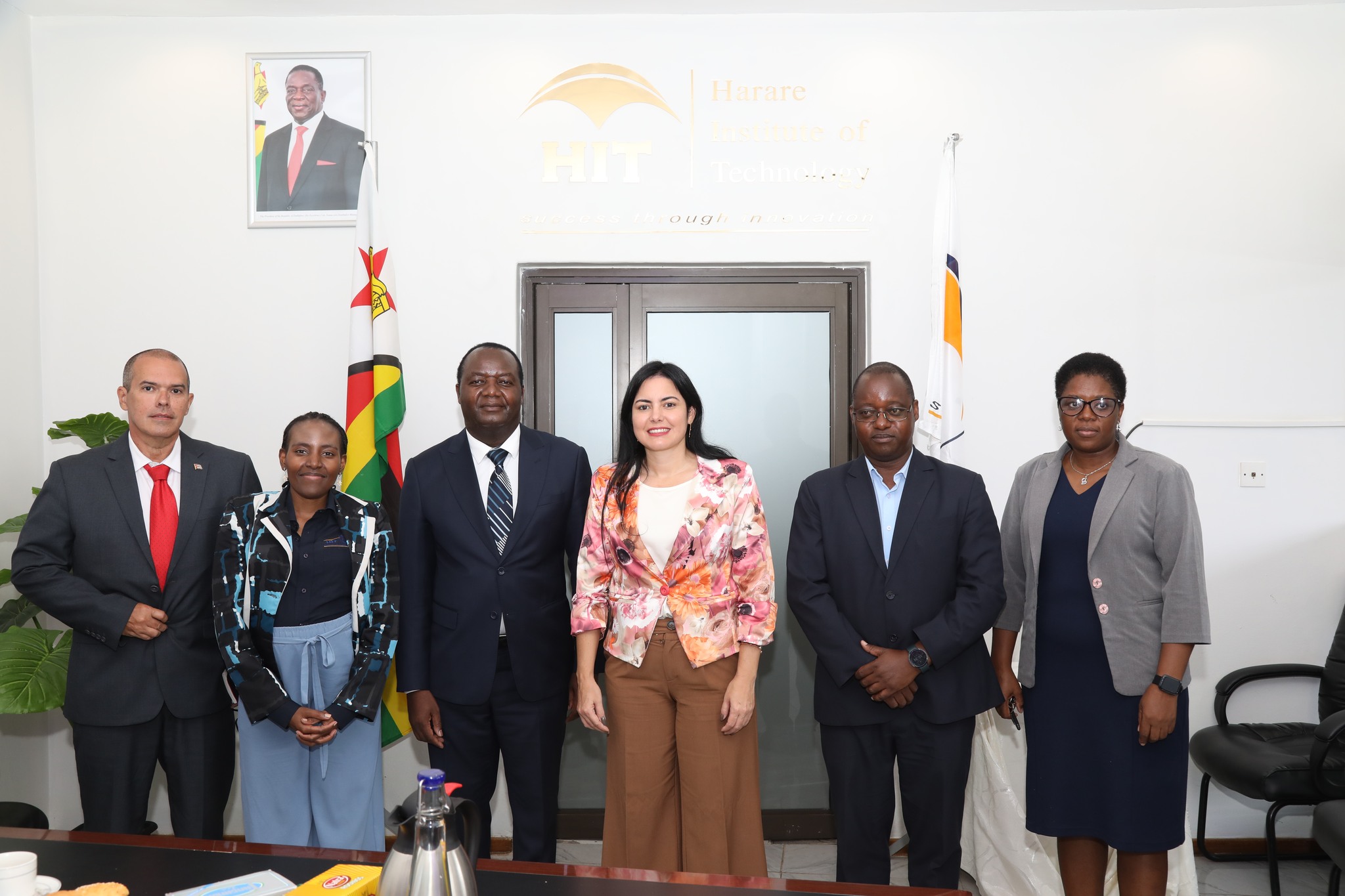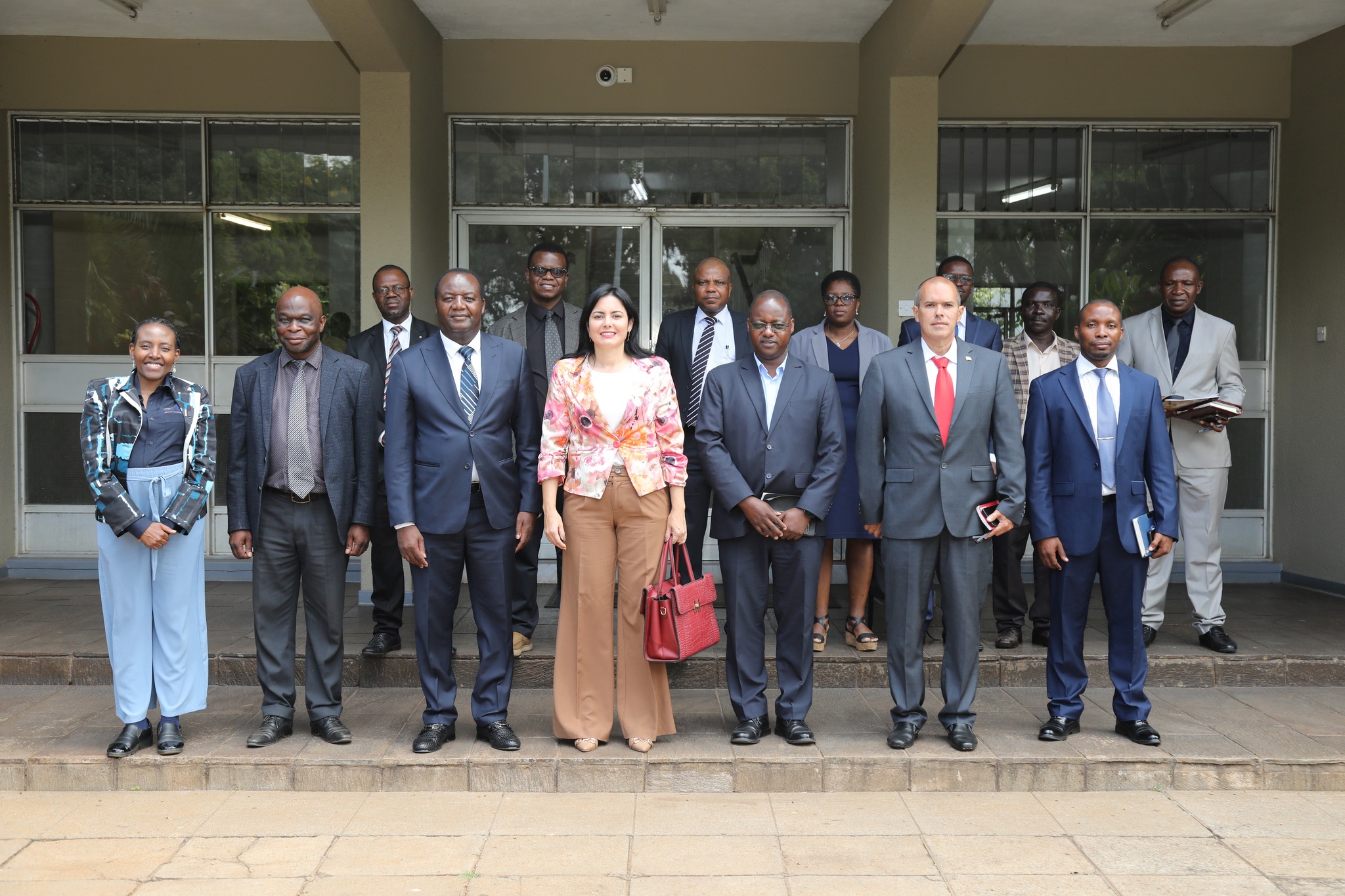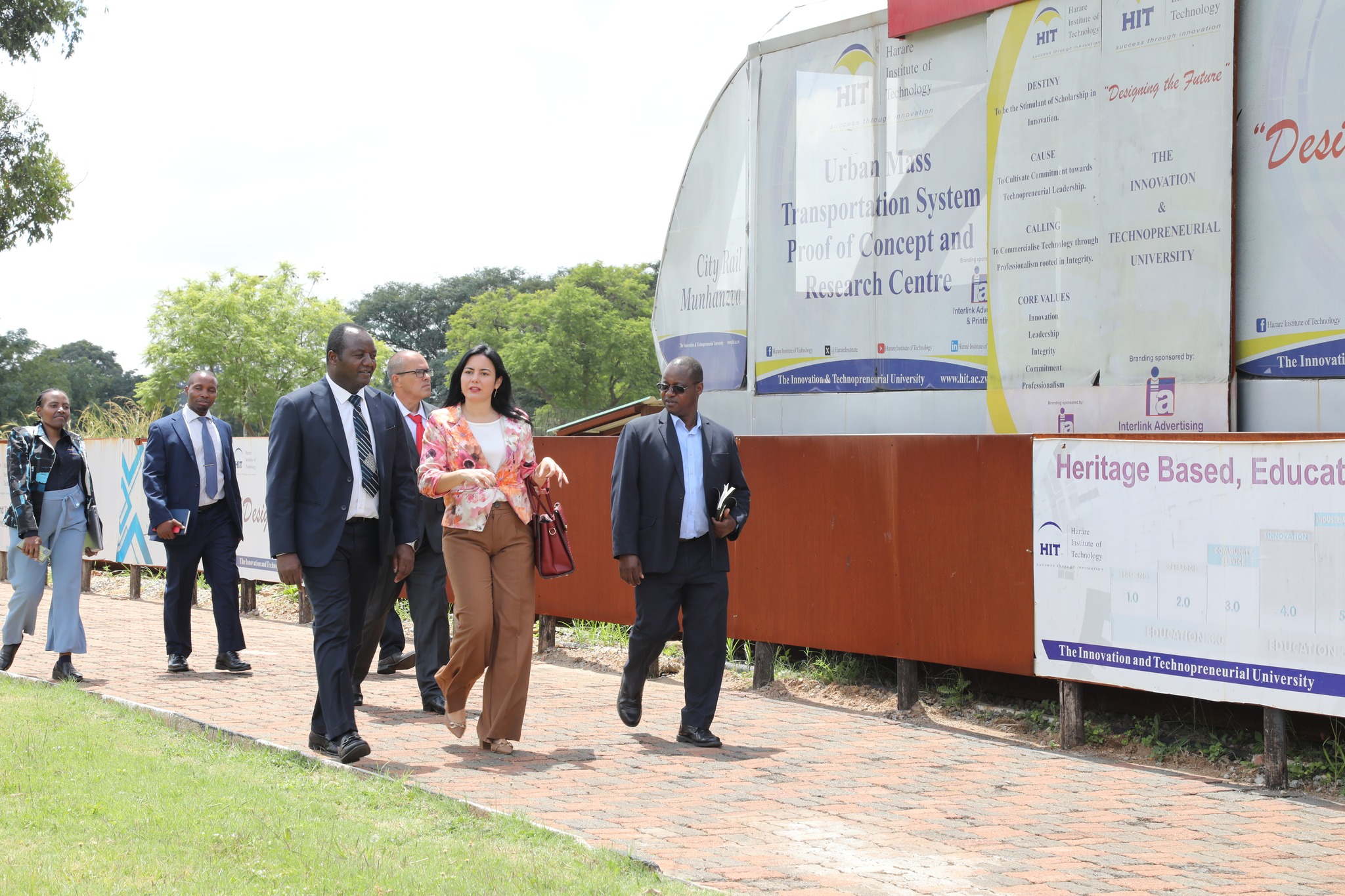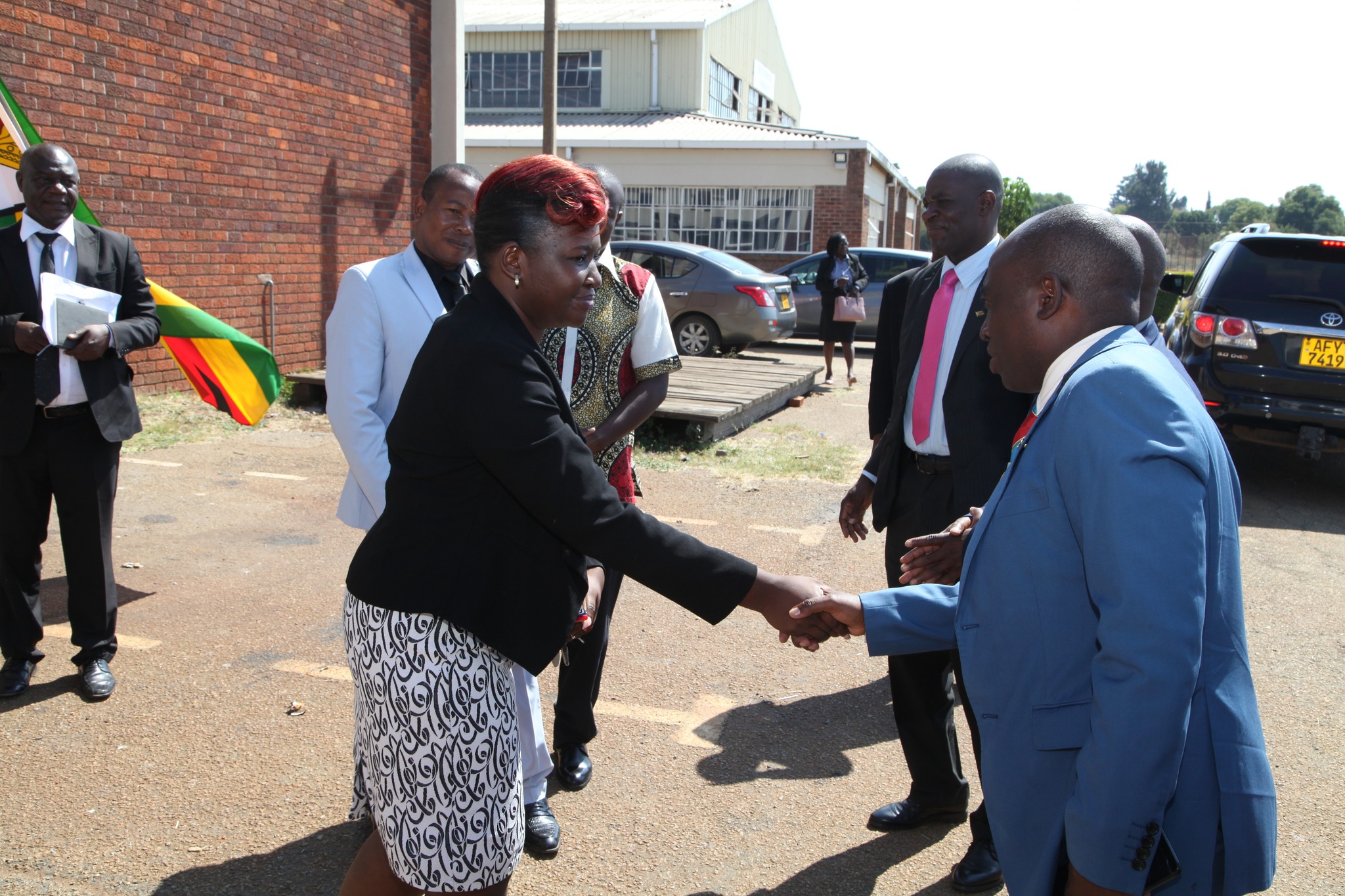

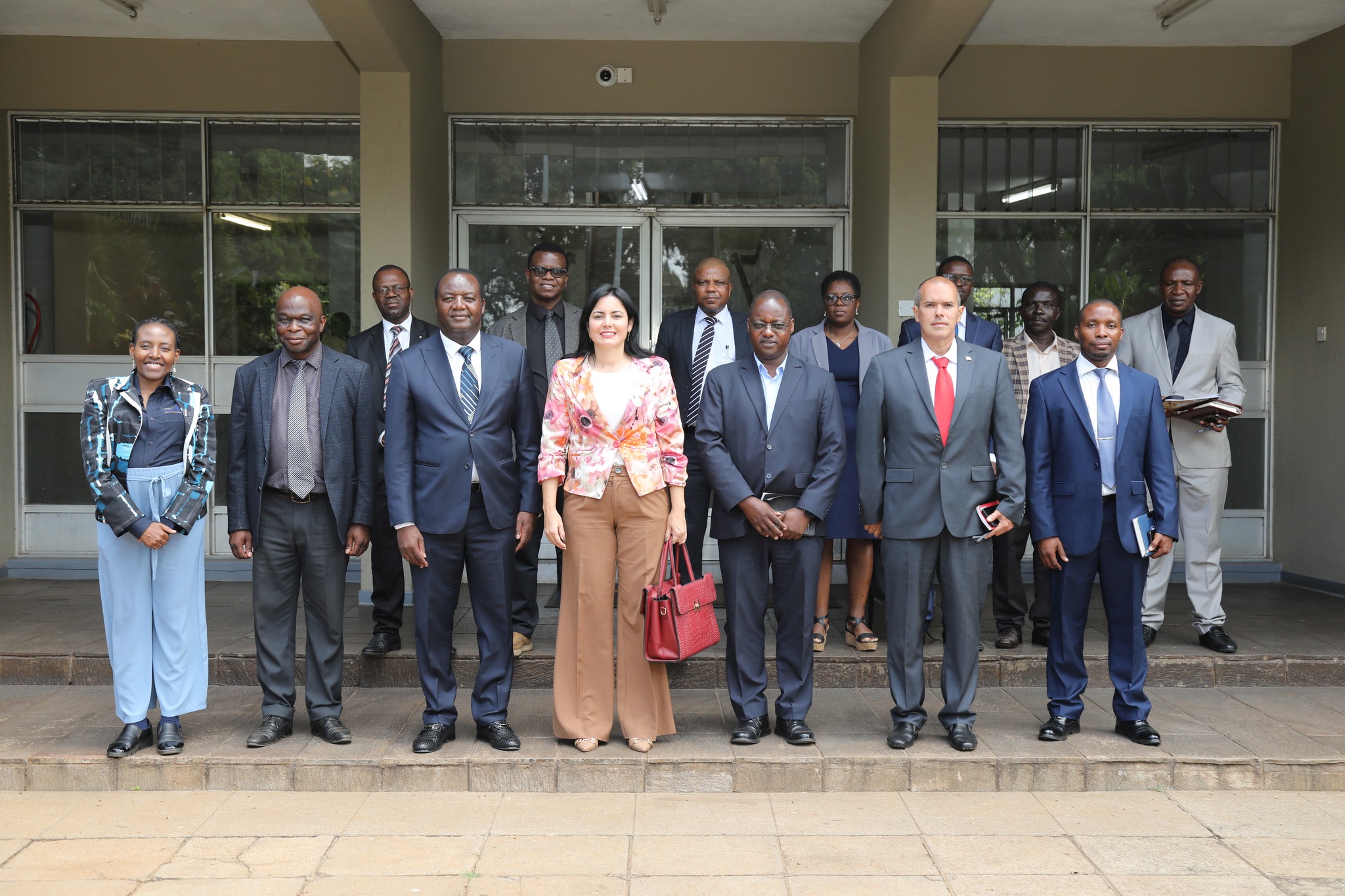
Zimbabwe’s ambition to become a regional hub for medical technology took a significant step forward this week, as Cuban Ambassador Susellys Pérez Mesa toured the emerging medical devices facility at the Harare Institute of Technology.
The visit on Monday, 09 February 2026, showcased the deepening partnership between the two nations as they work to establish Biotech Pharmaceutical Zimbabwe (BPZ). This state-of-the-art plant will manufacture medicines and medical devices locally, transforming the country’s healthcare self-sufficiency.
From Blueprint to Reality
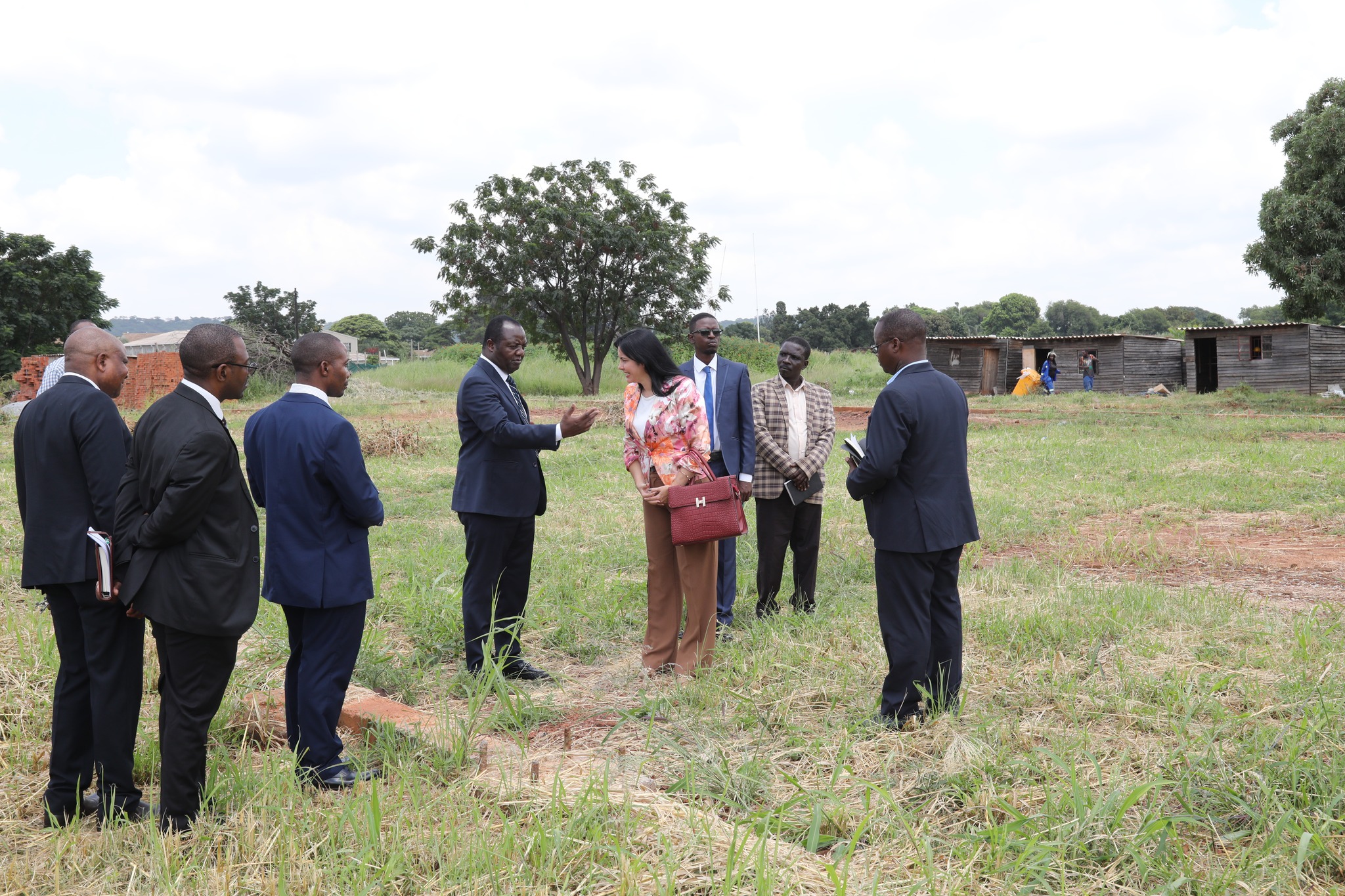
Since the Ambassador’s last visit, the project has gained remarkable momentum. Vice Chancellor Prof Q.C. Kanhukamwe and BPZ Chief Executive Dr C. Gomo walked her through the completed Phase 1 substructure, with Phase 2 construction poised to begin shortly.
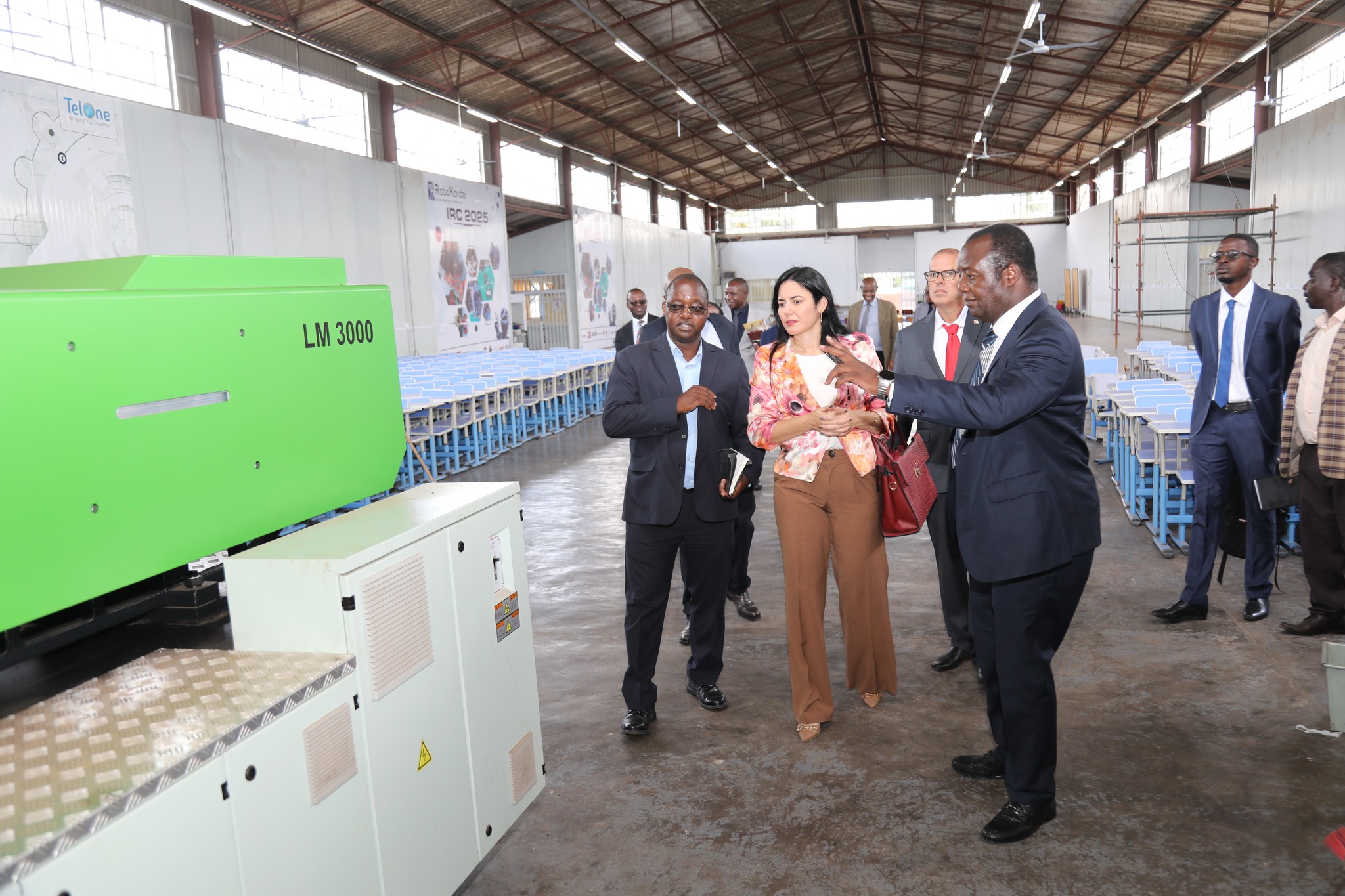
The facility, developed in partnership with Cuban firms COMBIOMED and ESINES, has already hit several crucial milestones. Injection-moulding equipment from China now sits ready for installation on site. Meanwhile, four BPZ engineers who recently completed specialized training in Cuba are leading the charge on testing and assembling the first batch of 20 advanced patient monitors—equipment valued at over USD $47,000.
These monitors are currently undergoing rigorous testing at both HIT and the University of Zimbabwe clinics. A forthcoming Memorandum of Understanding with the Ministry of Health and Child Care will expand testing to provincial hospitals nationwide, while critical regulatory documentation from Cuba is paving the way for local certification.
A Partnership Built on Decades of Cooperation
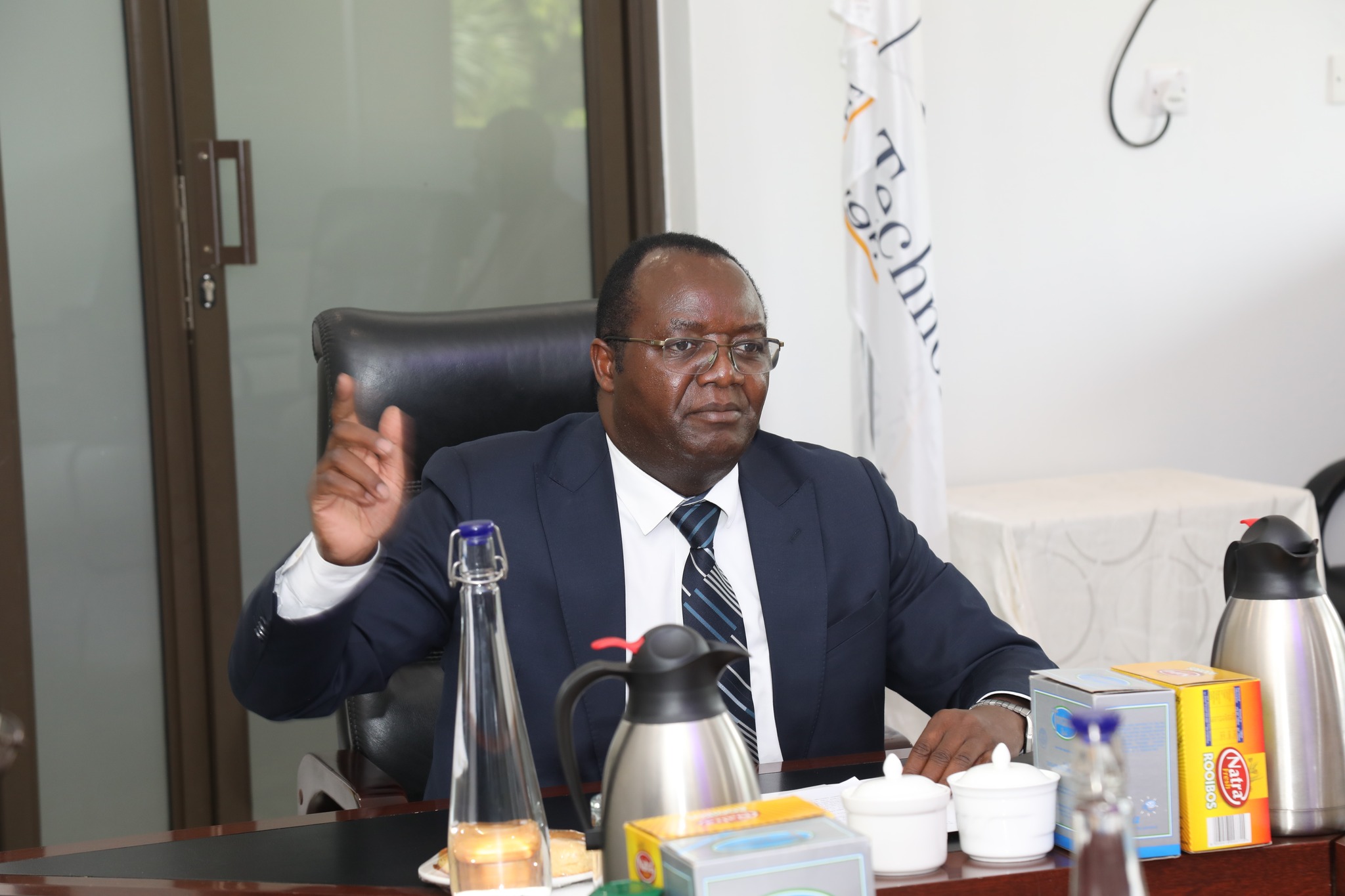
“Your visit underscores the importance of the partnership we are building together,” Prof Kanhukamwe told the Ambassador. “We are genuinely excited and fully committed to seeing this medical device factory completed so we can begin local production here in Zimbabwe.”
With site preparation complete and foundations ready for structural steelwork, the Vice Chancellor expressed confidence that the facility will be completed this year. The technical team that was trained in Cuba has returned with the expertise needed to hit the ground running once operations begin.
For Ambassador Pérez Mesa, the project represents something profound. “This is the most relevant project, and we are giving it more priority because it will produce medicines and vaccine production as well as medical equipment assembly, something we can show to both our people,” she emphasized, reaffirming Cuba’s commitment: “You should count on my support for everything you need, as we are looking forward to concrete results that are very much needed.”
The partnership reflects four decades of collaboration between the two nations. “This year we are celebrating the 40th anniversary of our cooperation on education and health,” the Ambassador noted, highlighting Cuba’s engagement with Zimbabwe since before independence.
“What we are seeing here is the tangible fruit of bilateral cooperation,” she remarked. “This project moves beyond theory into concrete knowledge transfer and industrialization. It promises not only to elevate healthcare in Zimbabwe but to position the country as a regional hub for medical technology.”
Looking Ahead
The project team confirmed that once the final shipment of injection moulds arrives, along with forthcoming PCB assembly equipment, the temporary facility will begin producing plastic casings and electronic components for the patient monitors. End-user training for local healthcare professionals is scheduled to commence upon finalization of the Ministry of Health MoU.
The visit concluded with a tour of the construction site, a physical testament to what international cooperation can achieve when vision meets commitment.