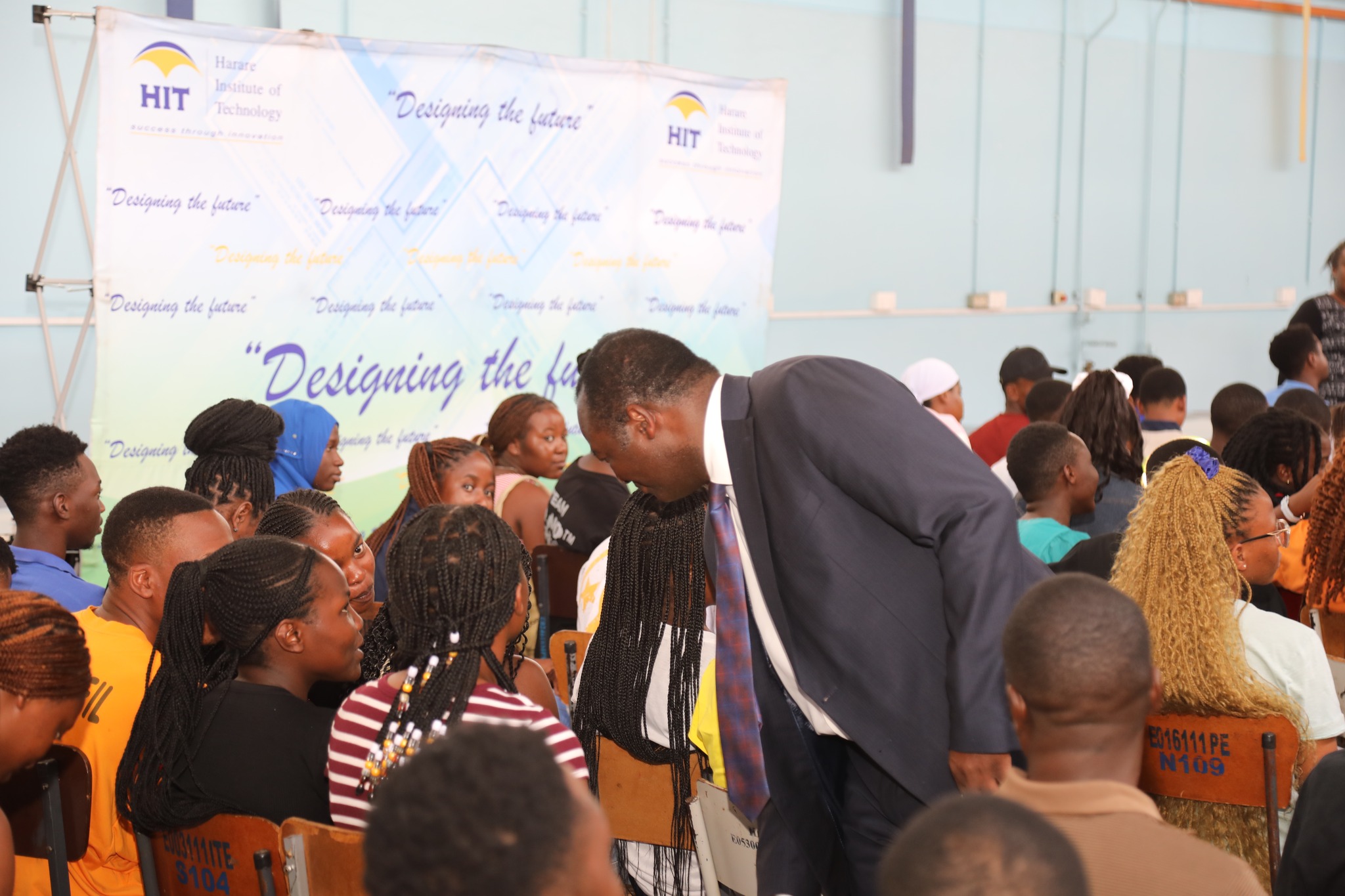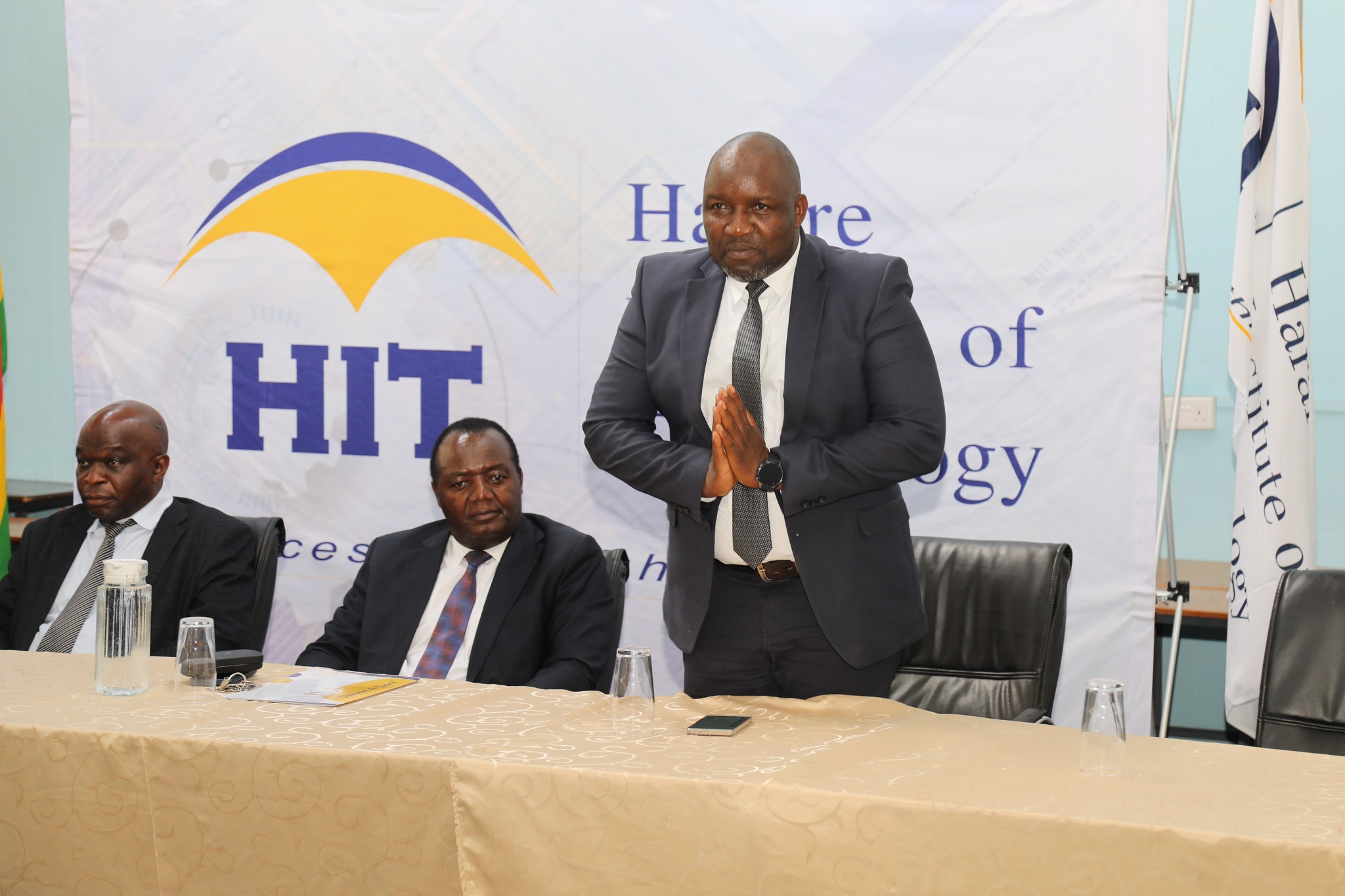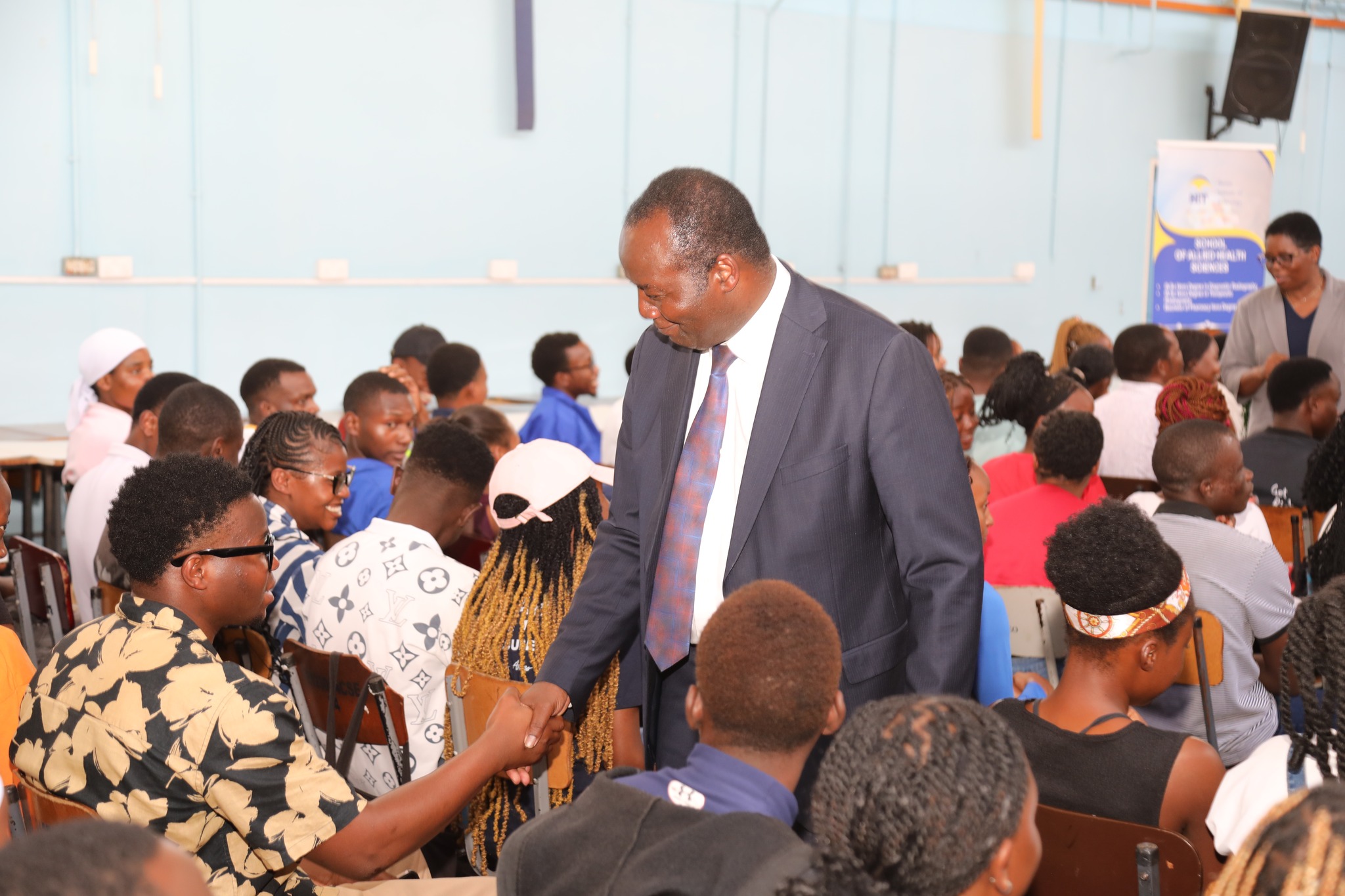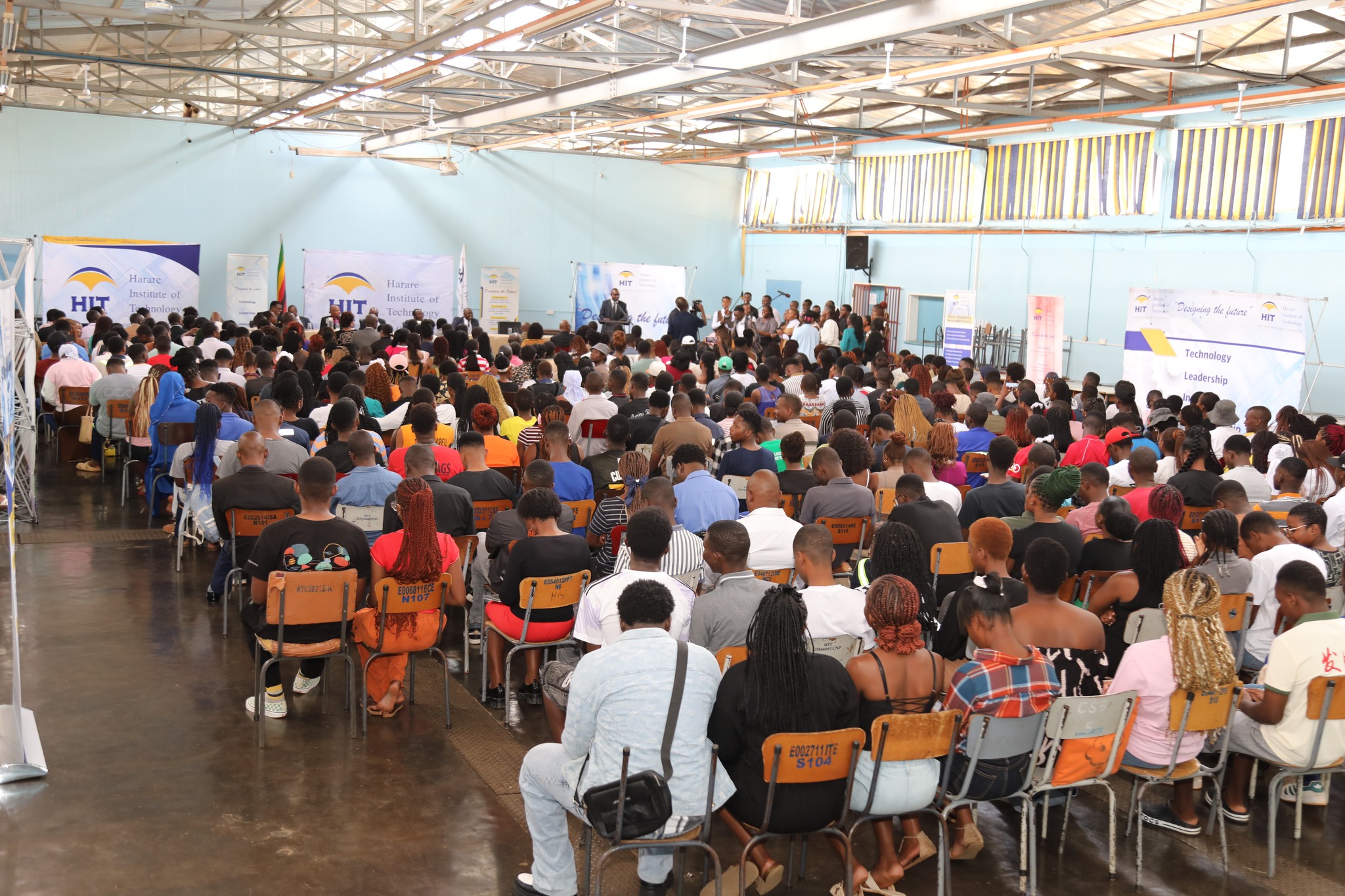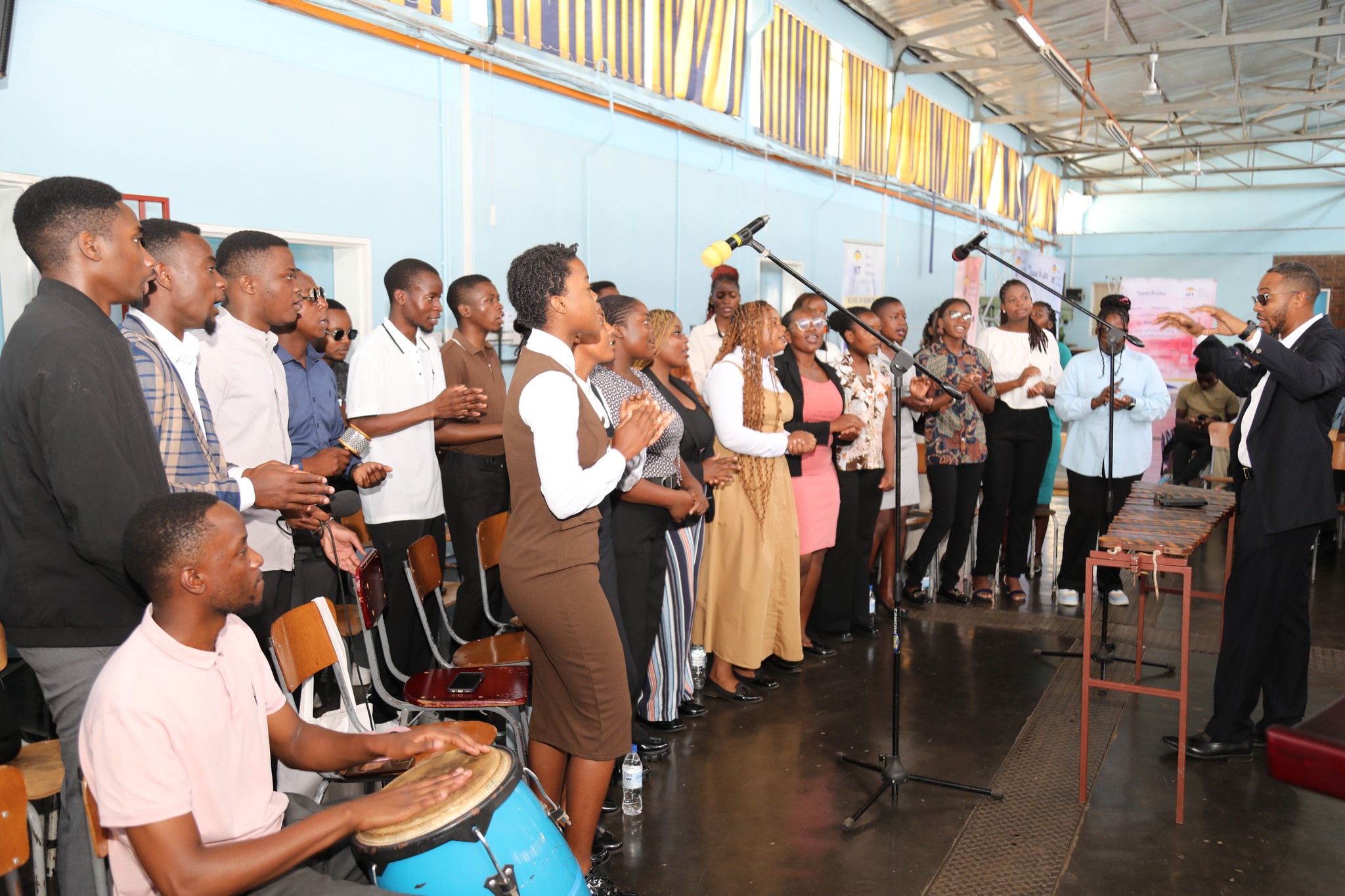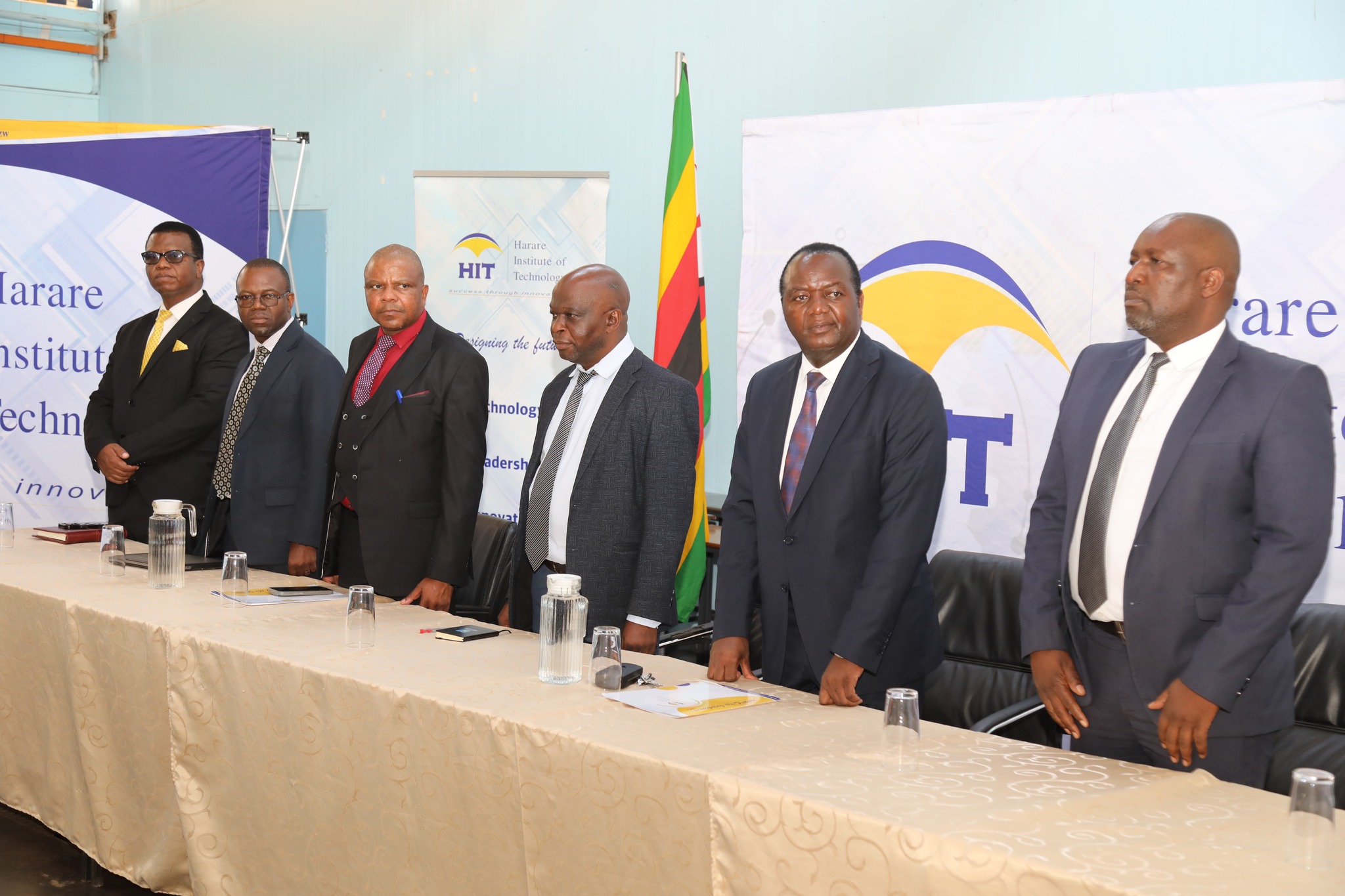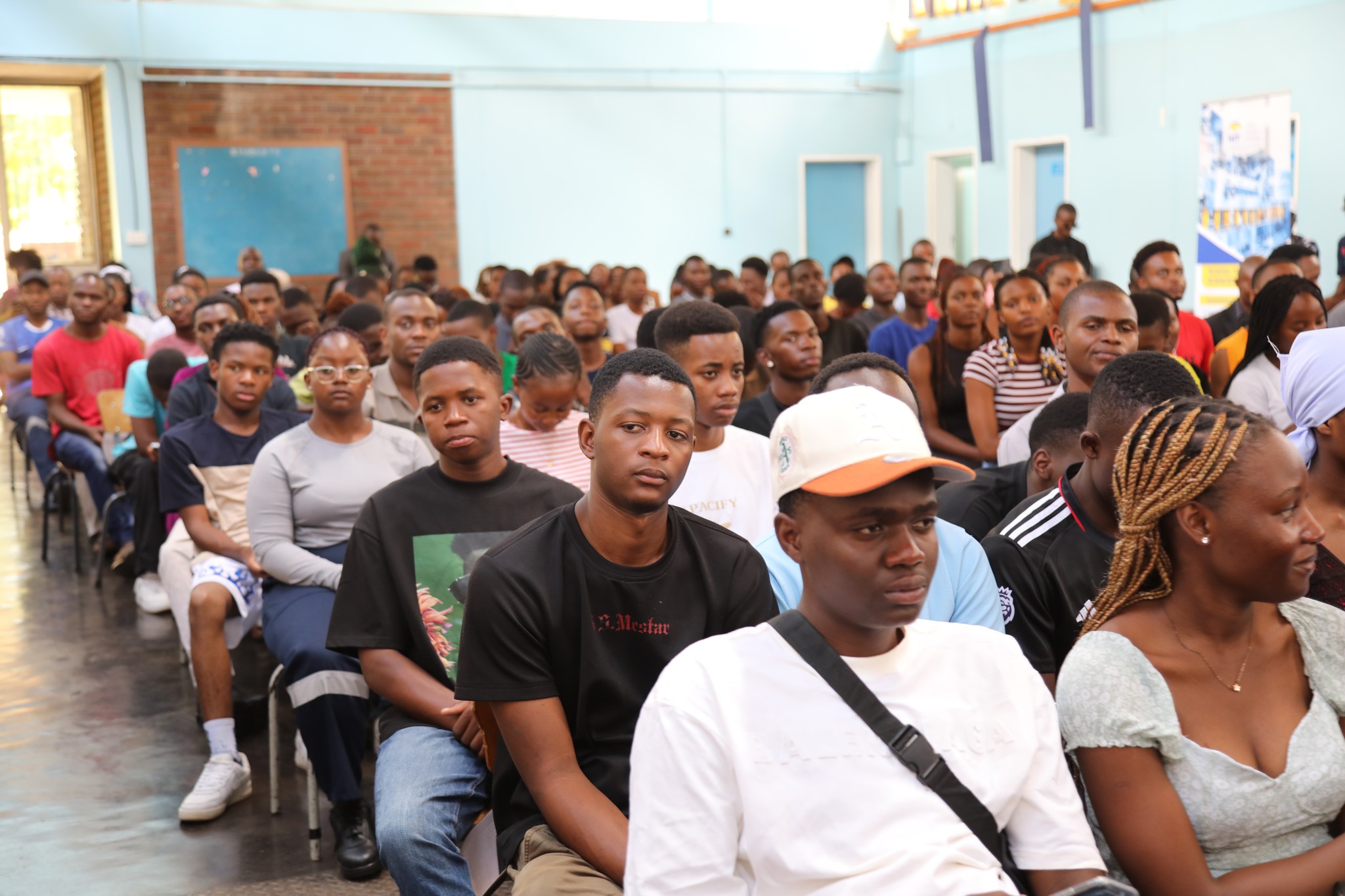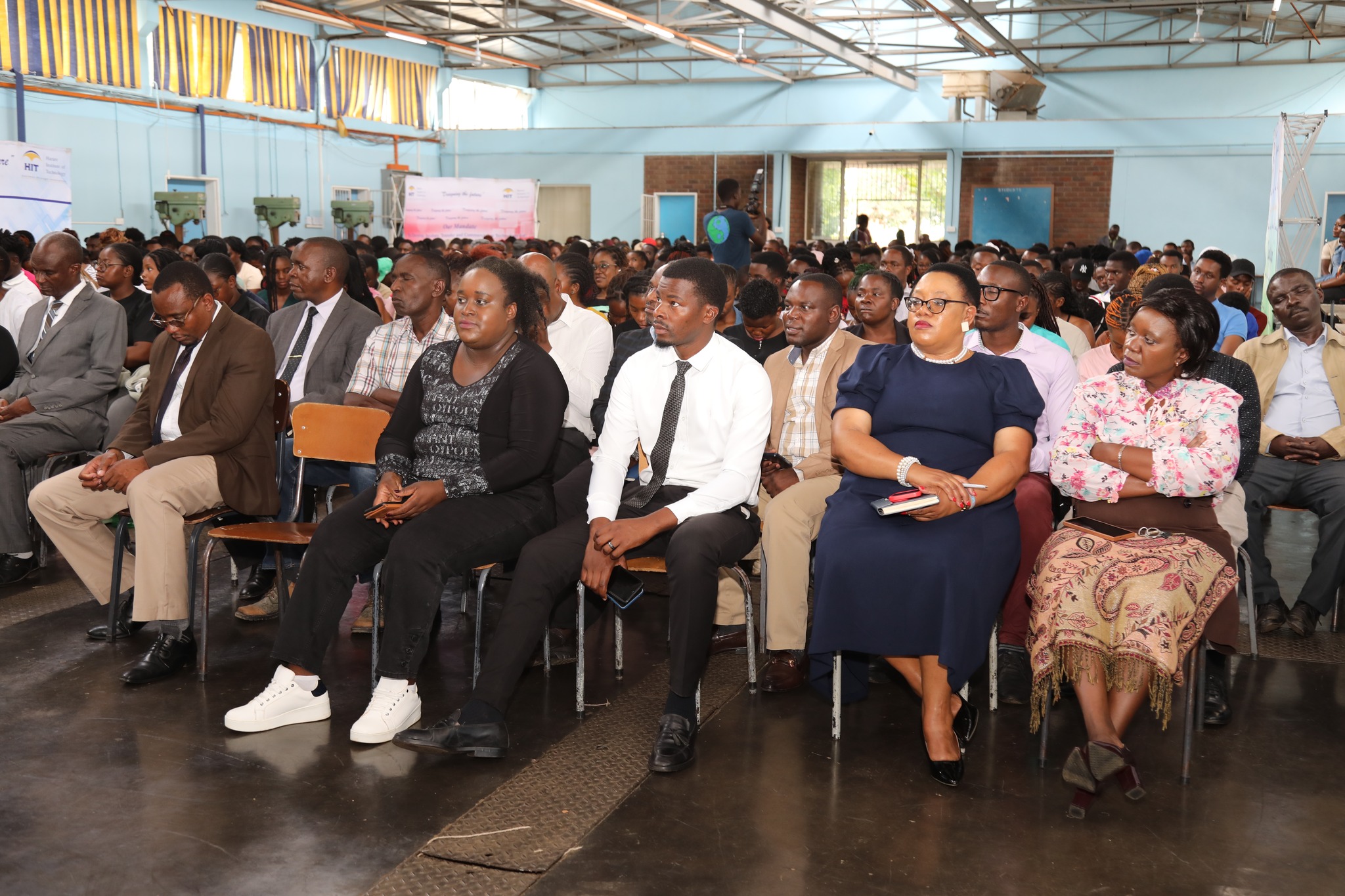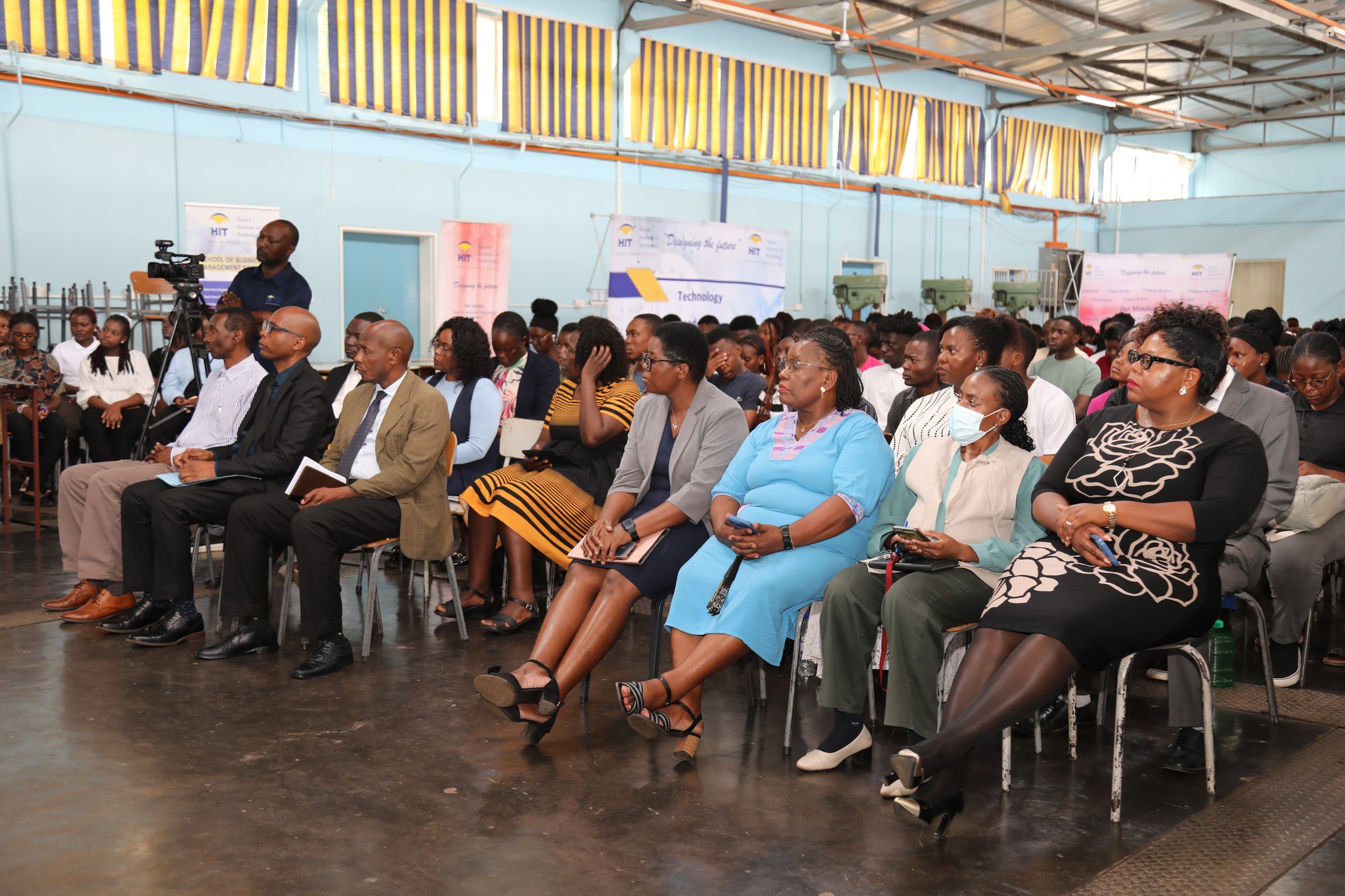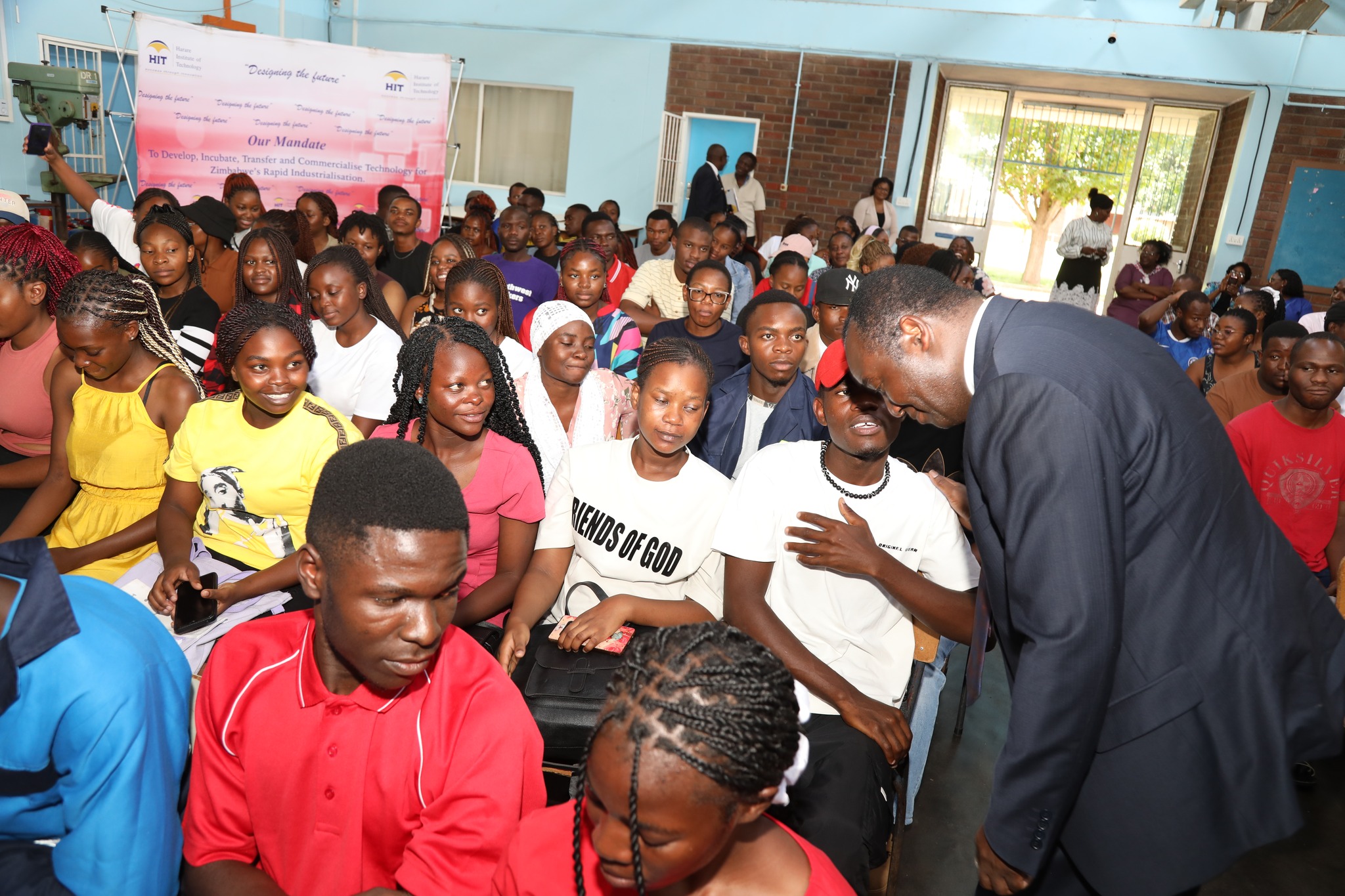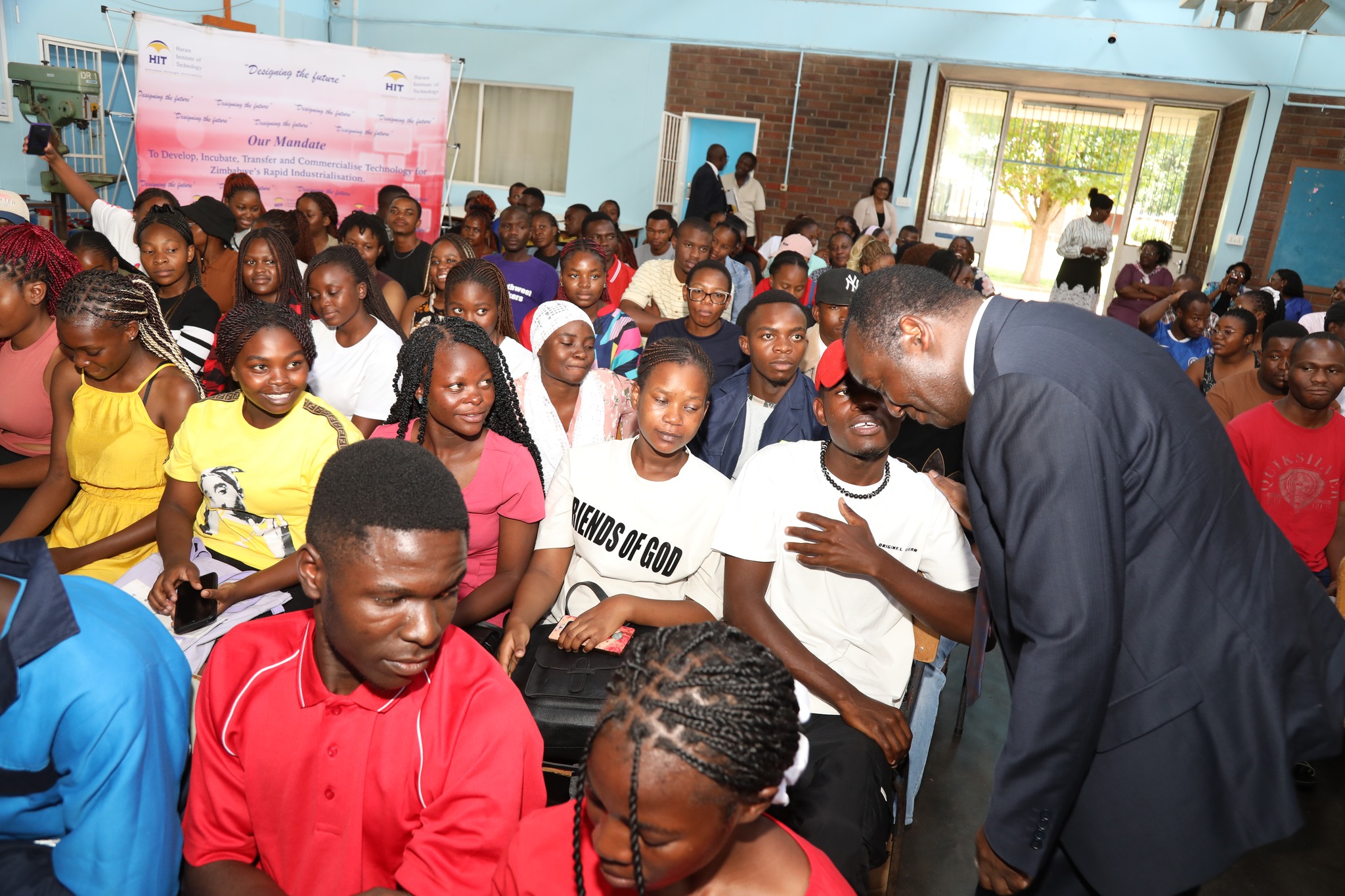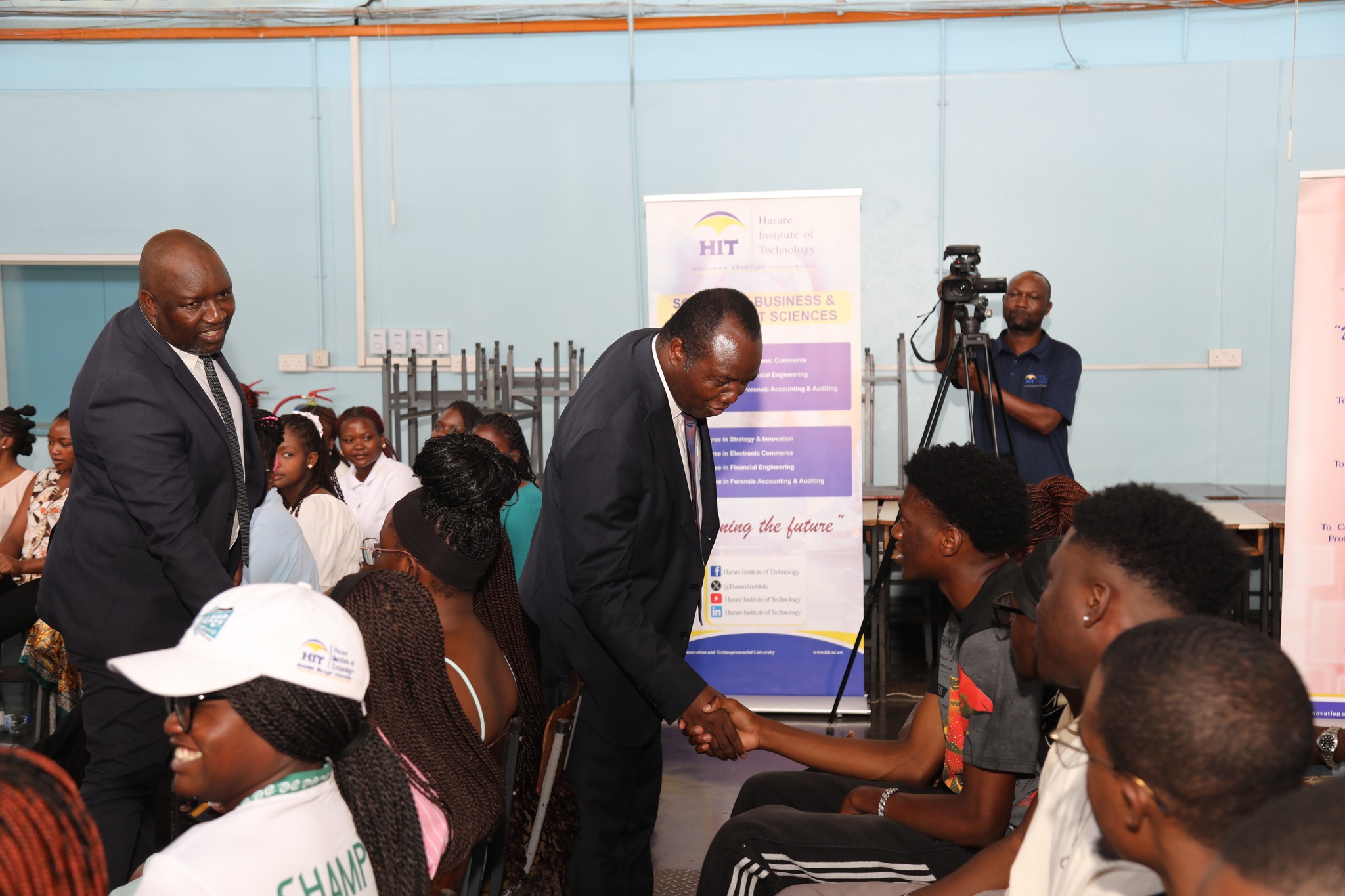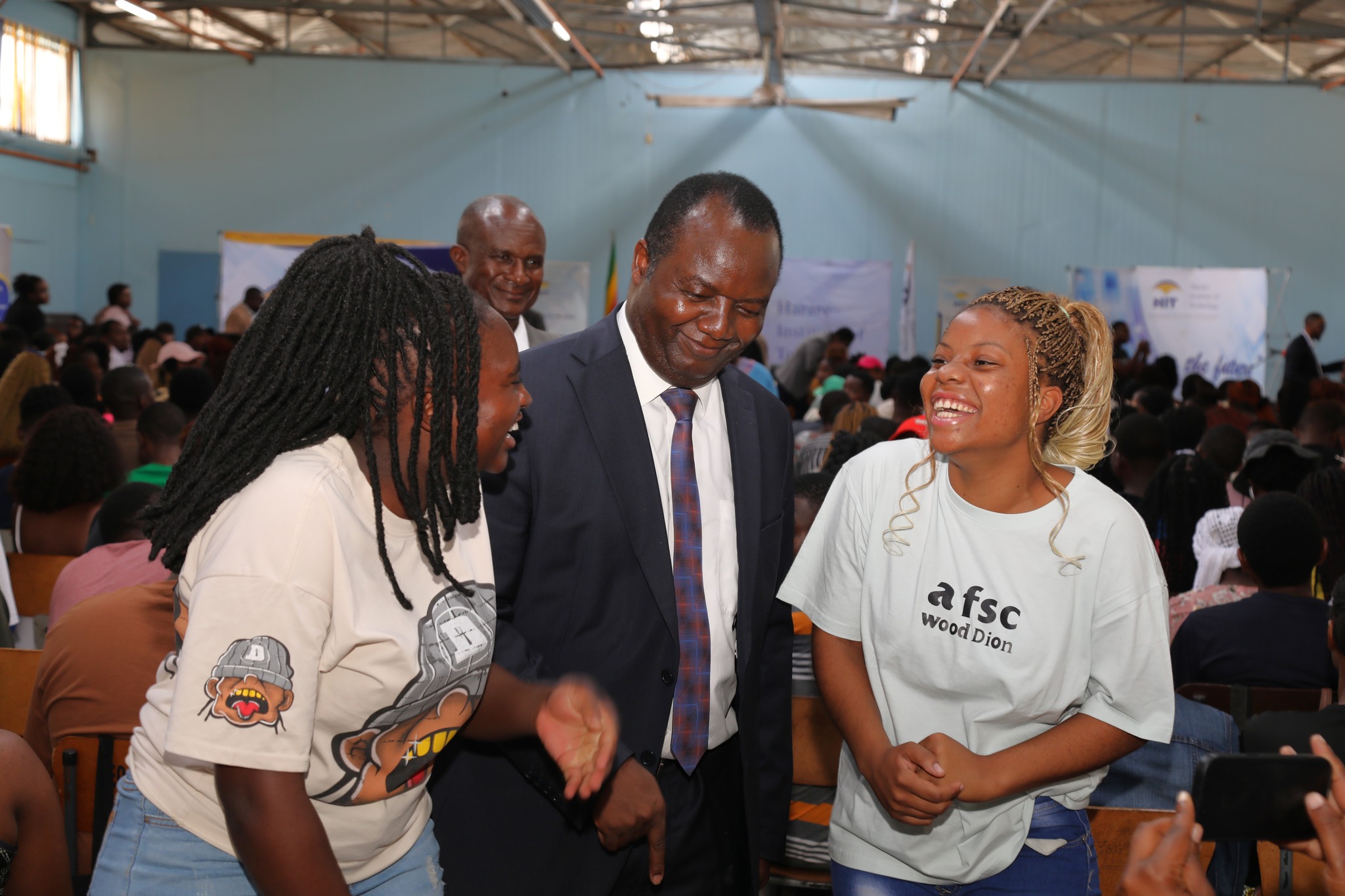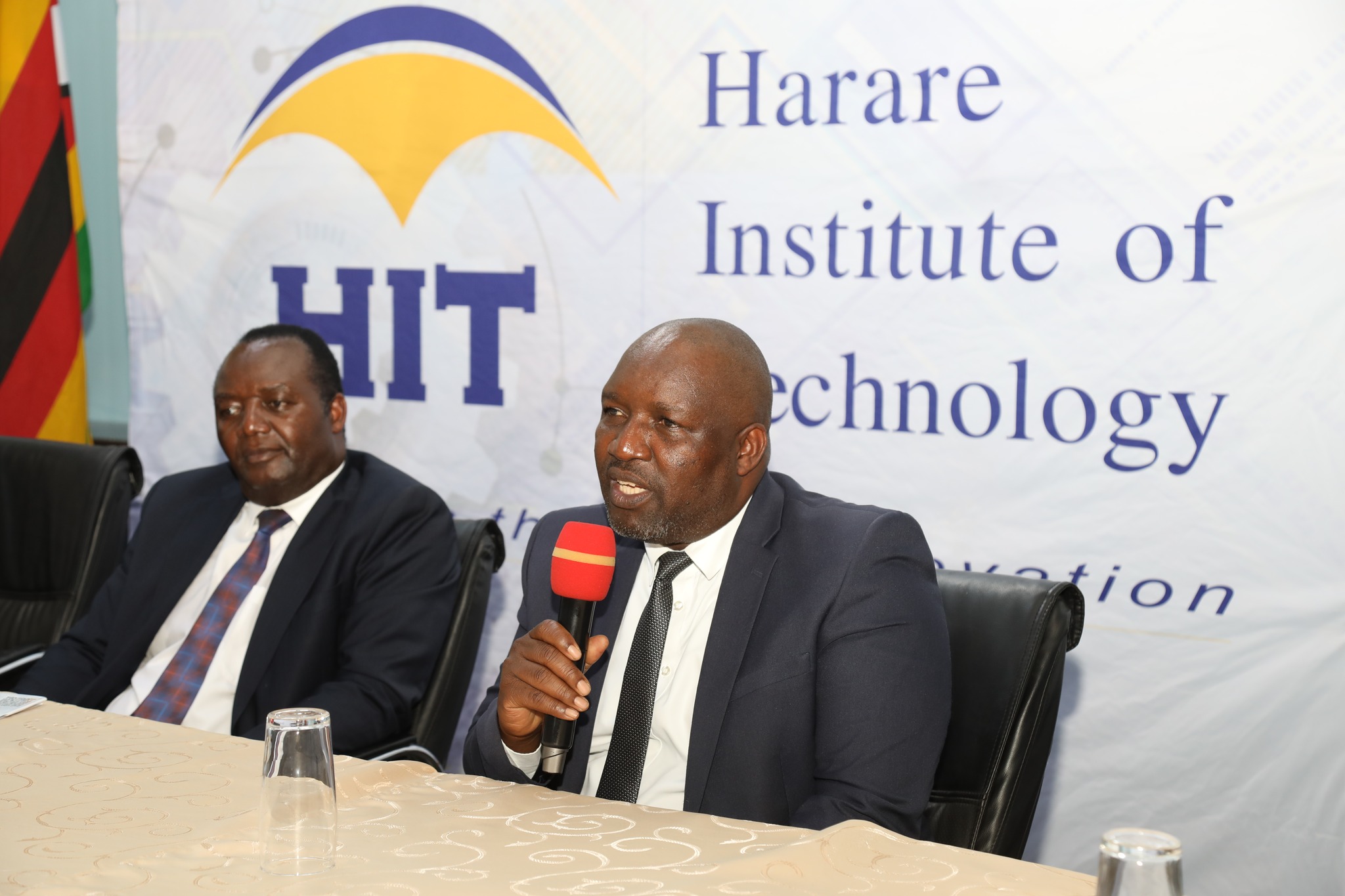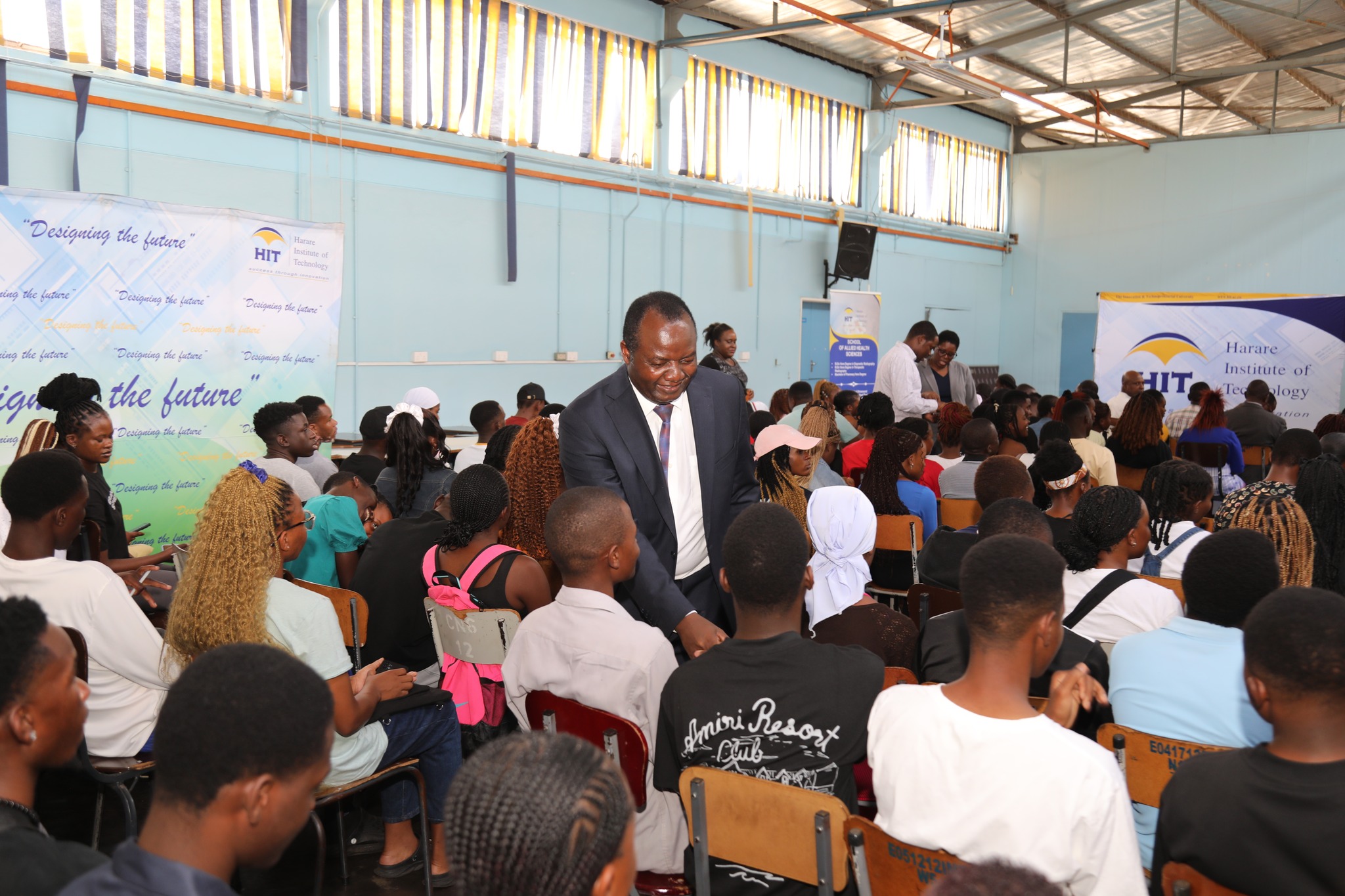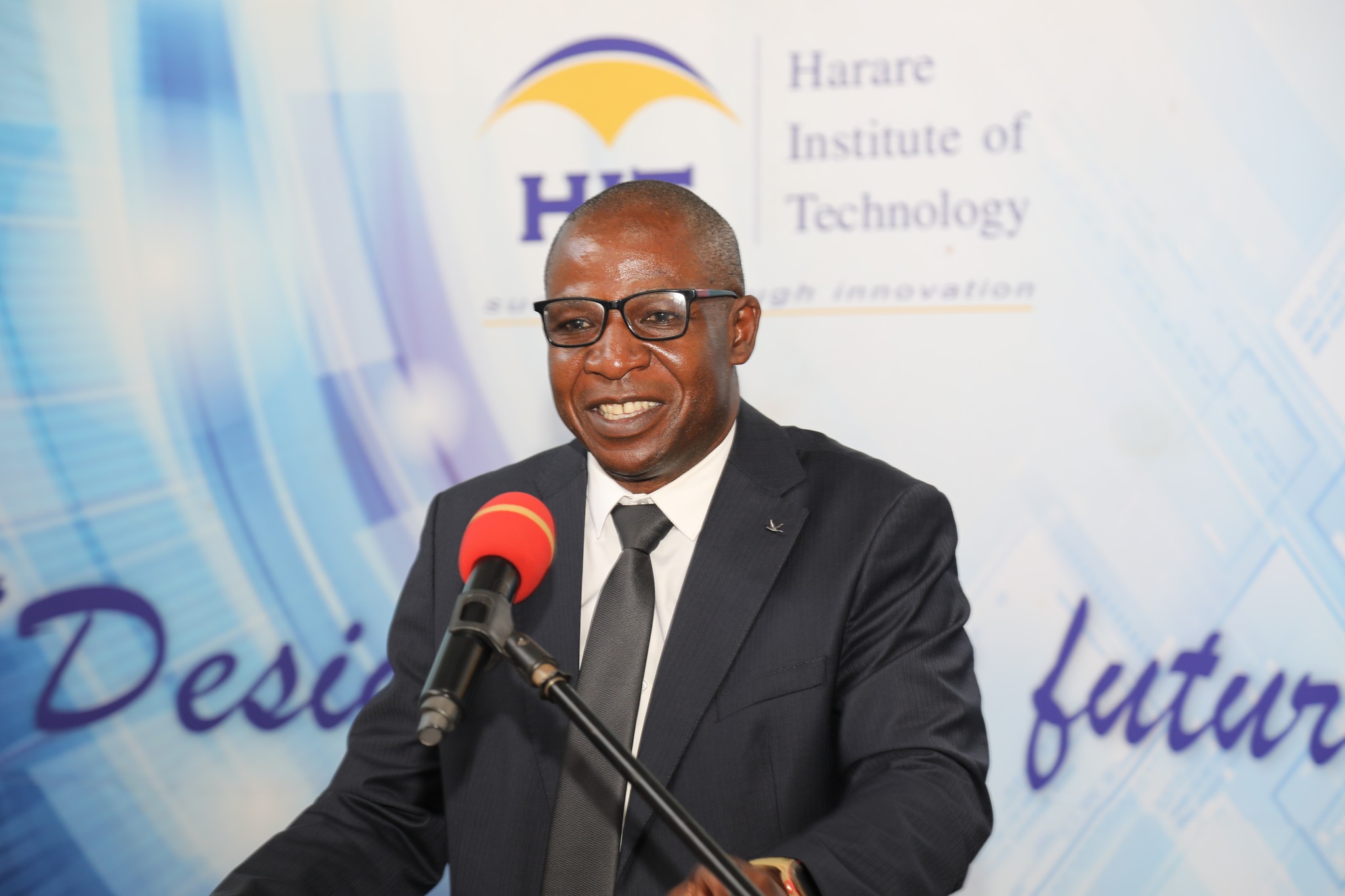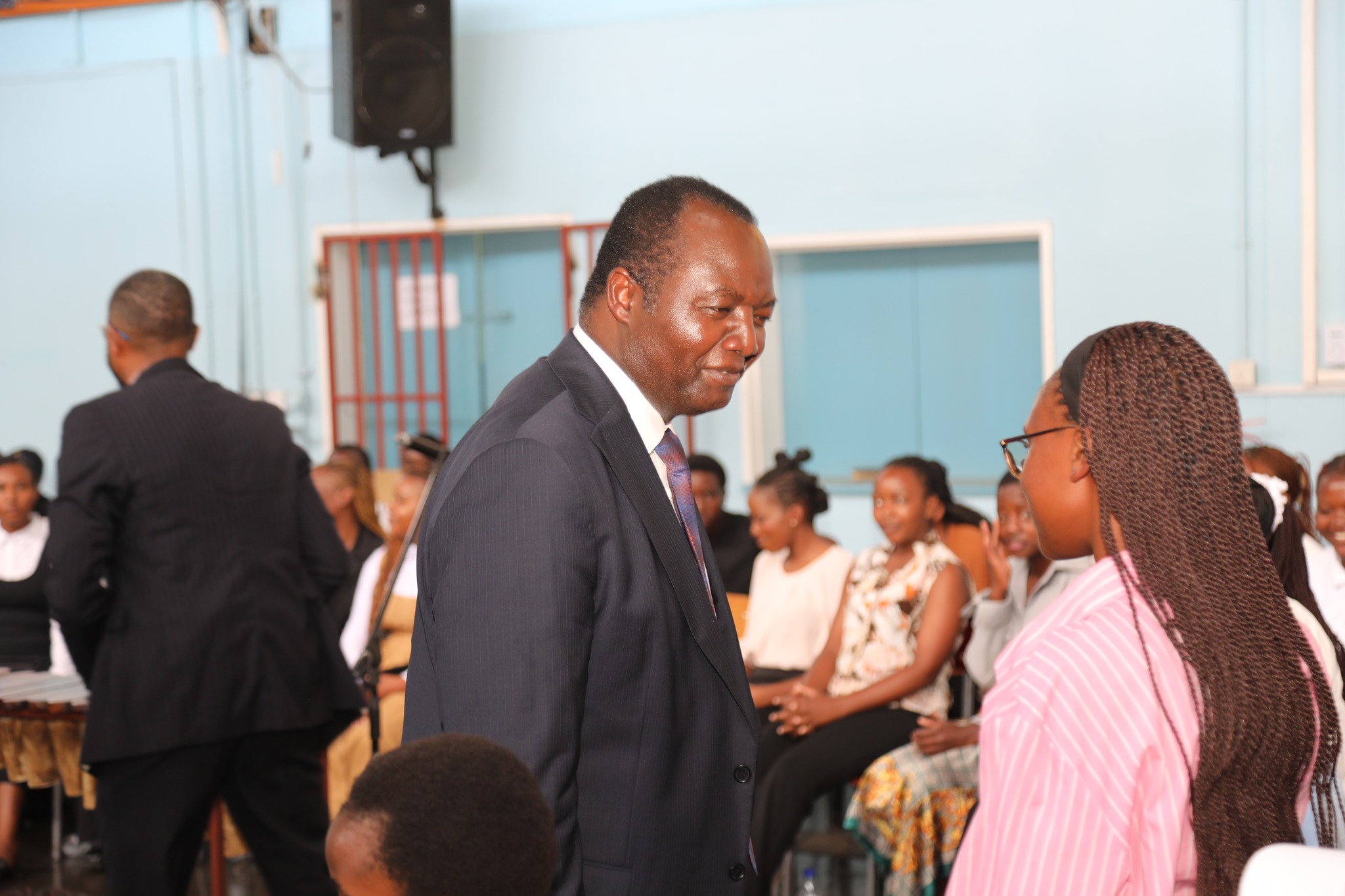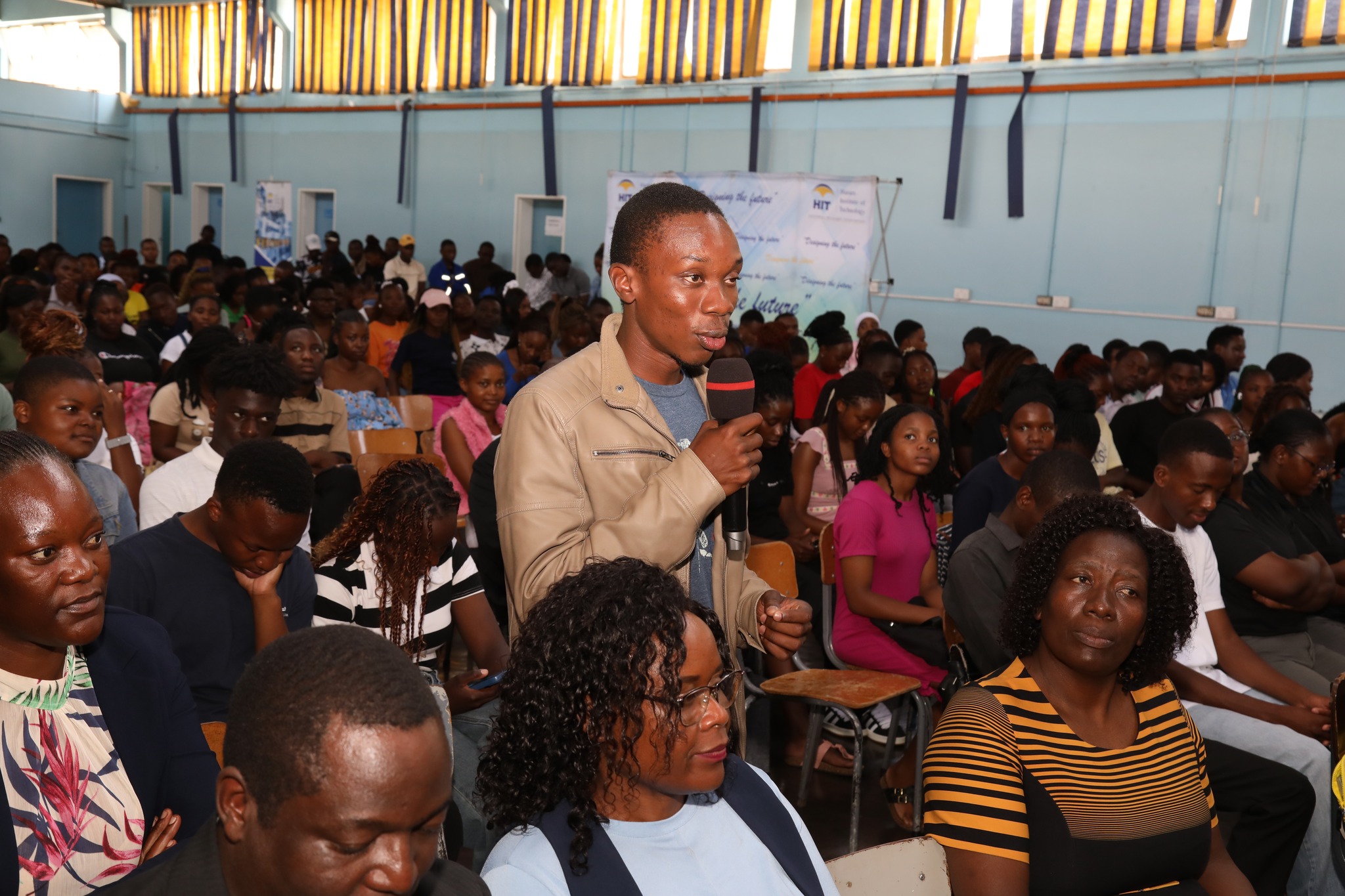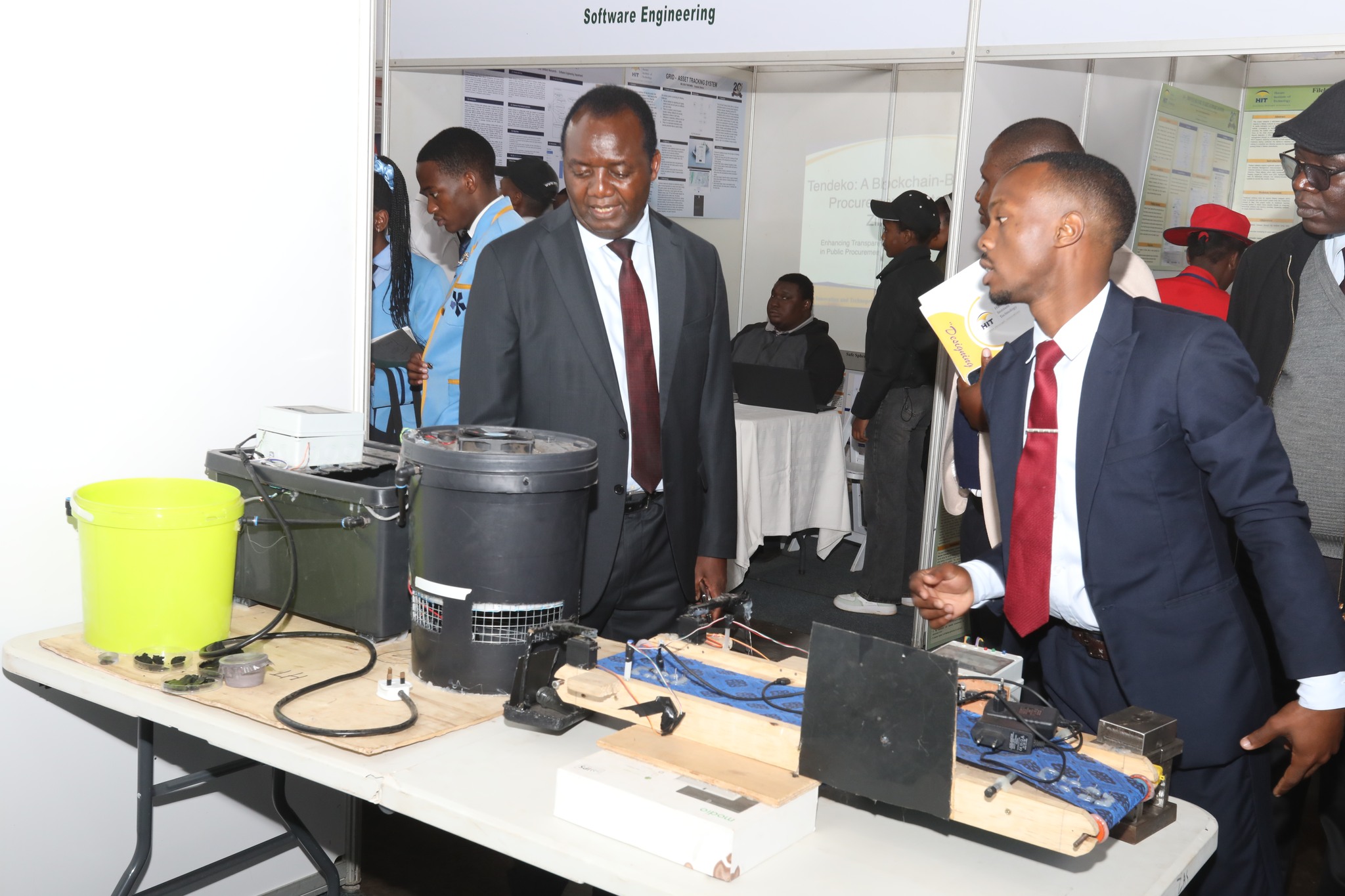


When the Vice Chancellor of the Harare Institute of Technology, Professor Quinton Chamunorwa Kanhukamwe, took to the podium in the Engineering Hall in the morning on Wednesday, the 25th of February 2026, the room fell quiet with the weight of expectation. Hundreds of freshmen, wide-eyed, nervous, and ambitious, had waited for his remarks. What they received was something closer to a challenge, a manifesto, and a call to arms.
“This is the best decision you have ever made in your entire life,” the Vice Chancellor declared, his voice carrying the kind of conviction that comes not from ceremony but from deep belief. For those assembled, engineering students, technology innovators, and future entrepreneurs, these were not merely words of welcome. They were the opening notes of a theme that would resonate throughout his entire address: that each student who walked through HIT’s doors carries within them a reservoir of untapped potential, and that the institution’s singular purpose is to draw it out.
A Seed That Holds a Forest
The Vice Chancellor reached for a metaphor that would stay with the room long after the applause faded. Holding an imaginary seed in his hand, he posed a question: what do I hold? A seed, most would answer. Correct, but not the whole truth. “I would say I hold a forest,” he told the freshmen, “for in every seed there is a tree, and in every tree there are fruits with seeds.”
It is a deceptively simple image, but it carries enormous weight. HIT does not see its students merely as individuals pursuing qualifications. It sees them as dormant forests, storehouses of reserved power, untapped strength, hidden talent, and latent potential that the world has not yet had the privilege of witnessing. The greatest tragedy, he warned, is not failure. It is arriving at the end of life without having ever become what you were capable of becoming.
“Nothing in life is instant,” he reminded the new cohort, pushing back gently against a culture of quick gratification. “People think miracles are instant.” The real miracle, he suggested, is the slow, deliberate, often uncomfortable process of becoming, and that process begins right here, right now, on these grounds.
Instruments of a Nation’s Transformation
The Vice Chancellor was frank about what HIT expects, and indeed requires, from those it admits. Students are not passive recipients of knowledge; they are tools in the truest and most dignified sense of the word. “You will be tools to drive the institutional mandate and national aspirations,” he said, and far from diminishing the students with this language, he elevated it. A tool in the wrong hands is wasted. A precision instrument in the hands of a master craftsman changes the world.
He pointed to the extraordinary moment in history that these students have entered. Artificial intelligence, quantum computing, Blockchain, the Internet of Things, genome editing, robotics, and the Fourth Industrial Revolution are not distant events on a far horizon. It is here, reshaping economies, reordering power, and creating opportunity for nations fast enough to meet it. Zimbabwe, under the Education 5.0 mantra and Industry 4.0, is positioning itself to be among those nations. And HIT, he made clear, is the sharp edge of that ambition.
Over the next four to five years, students will pass through what the Vice Chancellor colourfully described as “the HIT hammer mill”, a deliberate and rigorous process of intellectual, professional and personal refinement. The goal is graduates who do not merely hold degrees, but who hold the capacity to start high-tech enterprises, create employment, generate tax revenue, and move Zimbabwe’s development agenda forward in concrete, measurable ways.
“You are not here to just earn a degree and bail out. You are here to make a lasting footprint in the distinct area of study you have chosen.”
The Footprint You Leave Behind
There was a moment in the address when the Vice Chancellor’s tone shifted from the inspirational to the direct. “You are not here to just earn a degree and bail out!” he said, with a rhetorical firmness that seemed to echo off the Engineering Hall’s walls. The remark was aimed squarely at a tendency – not unique to Zimbabwe- to treat a university degree as an exit ticket rather than an entry point.
HIT graduates carry the institution’s name into industry, government, boardrooms, and laboratories. The reputation they build, or damage, is not merely their own. It belongs to every student who will follow them, every lecturer who poured knowledge into them, and every employer who trusted the HIT brand. The Vice Chancellor did not shy away from this accountability. He told students plainly that their behaviour on social media, their conduct on campus, and the attitude they bring to challenges all reflect directly on an institution that has spent years building its standing.
Prof Kanhukamwe reminded students that great institutions are built from belief, discipline, and time. HIT is still in the process of building. Every cohort adds to it or subtracts from it.
Success Is Not Your Ceiling
Among the Vice Chancellor’s most pointed warnings was one directed not at failure, but at success itself. “The greatest threat to progress,” he observed, “is your last successful accomplishment.” It is a counterintuitive but profound truth: the moment we are most at risk of stagnation is often the moment immediately after a victory, when the temptation to rest on achievement is strongest.
Potential, he argued, carries no retirement plan. It does not diminish with age; it simply waits, patiently, urgently, for the conditions that allow it to emerge. The Vice Chancellor’s message was clear: what brought you here is not enough to sustain what lies ahead. Whatever you have done, you can do better.
He pointed to the graduating Class of 2025 as evidence of what HIT students are capable of producing: five utility models, ten industrial designs, one trademark, and 648 software copyrights registered in a single academic year. “We will push you to perform better than this,” he said — not as a threat, but as a statement of institutional confidence in what the new cohort can achieve.
NYIKA INOVAKWA NEVENE VAYO!
This mantra translated to, the nation is built by its own people, surfaced not as a slogan but as a philosophical anchor for everything the Vice Chancellor had said. It speaks to ownership, to responsibility, to the understanding that Zimbabwe’s technological future is not something that will arrive from outside. It will be built, piece by piece, innovation by innovation, by the very people sitting in that hall.
The freshmen of HIT’s 2025/26 academic year are not merely students. They are, in the Vice Chancellor’s framing, instruments of national transformation, and more than that, forests waiting to happen. The seed has been planted. The question is only whether it will be tended with the discipline, integrity, and vision that HIT demands.
“God gave you a special gift and brought you here because you would make a difference,” he told them. “It’s all about unleashing your potential.”