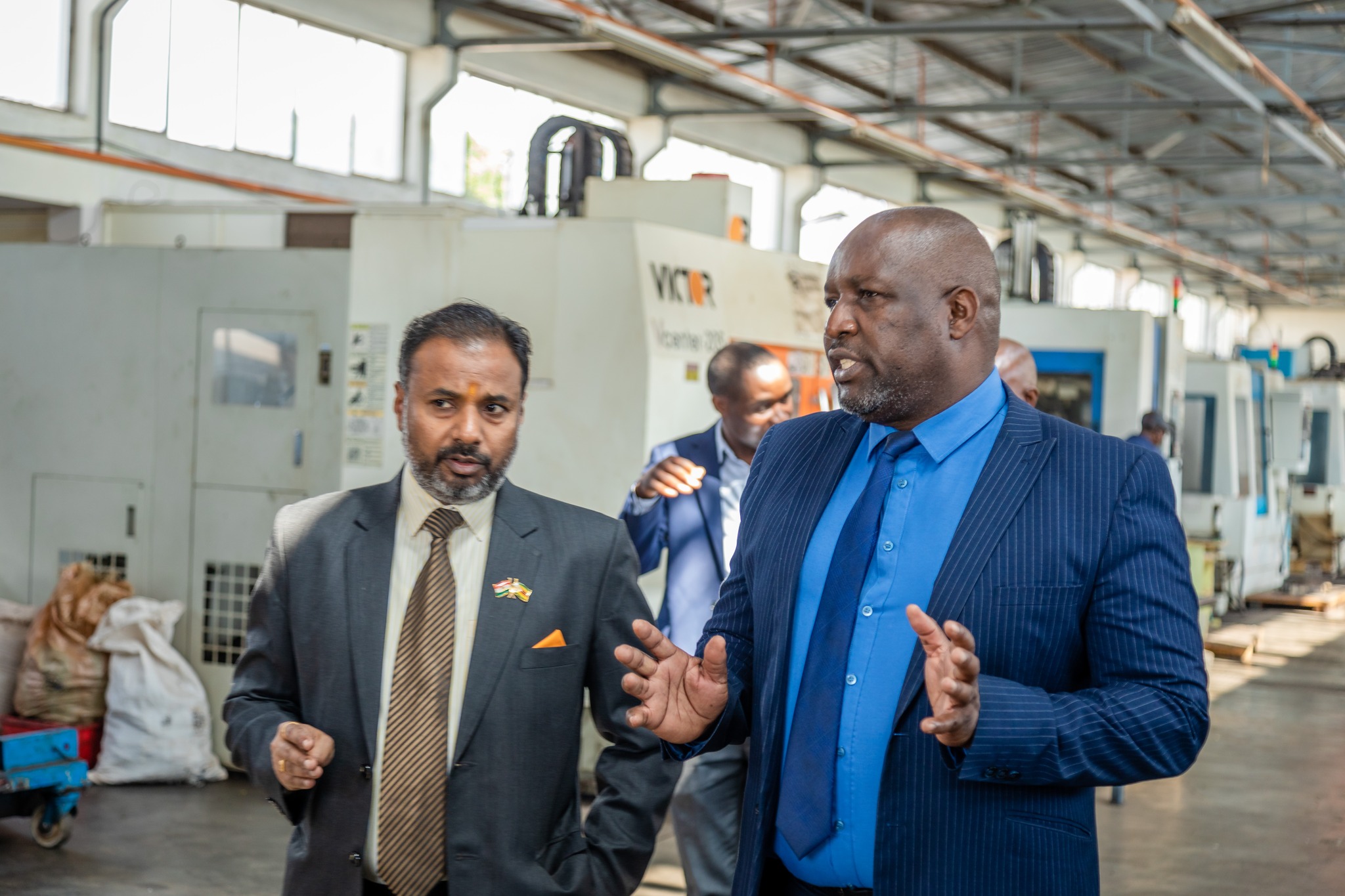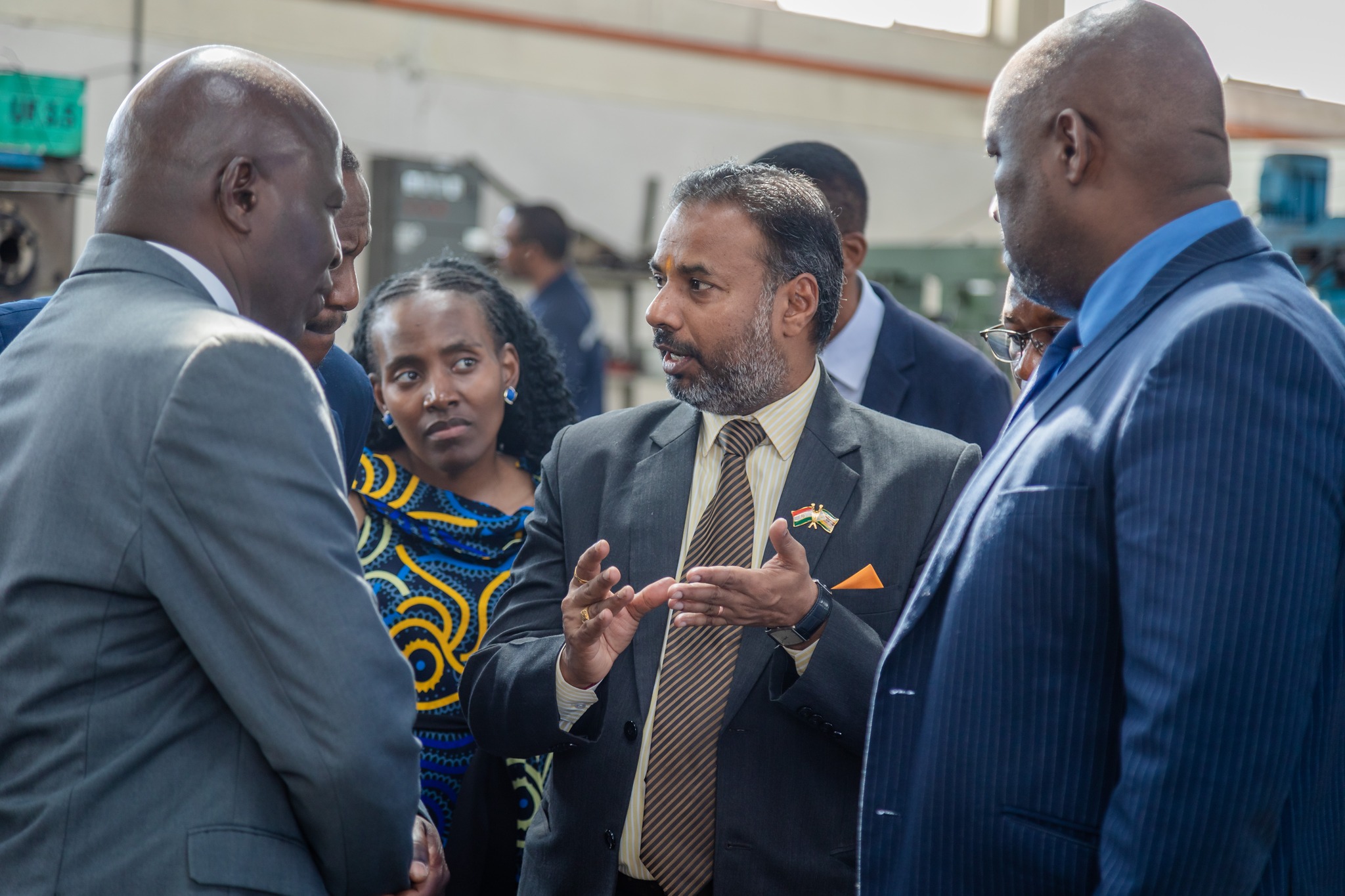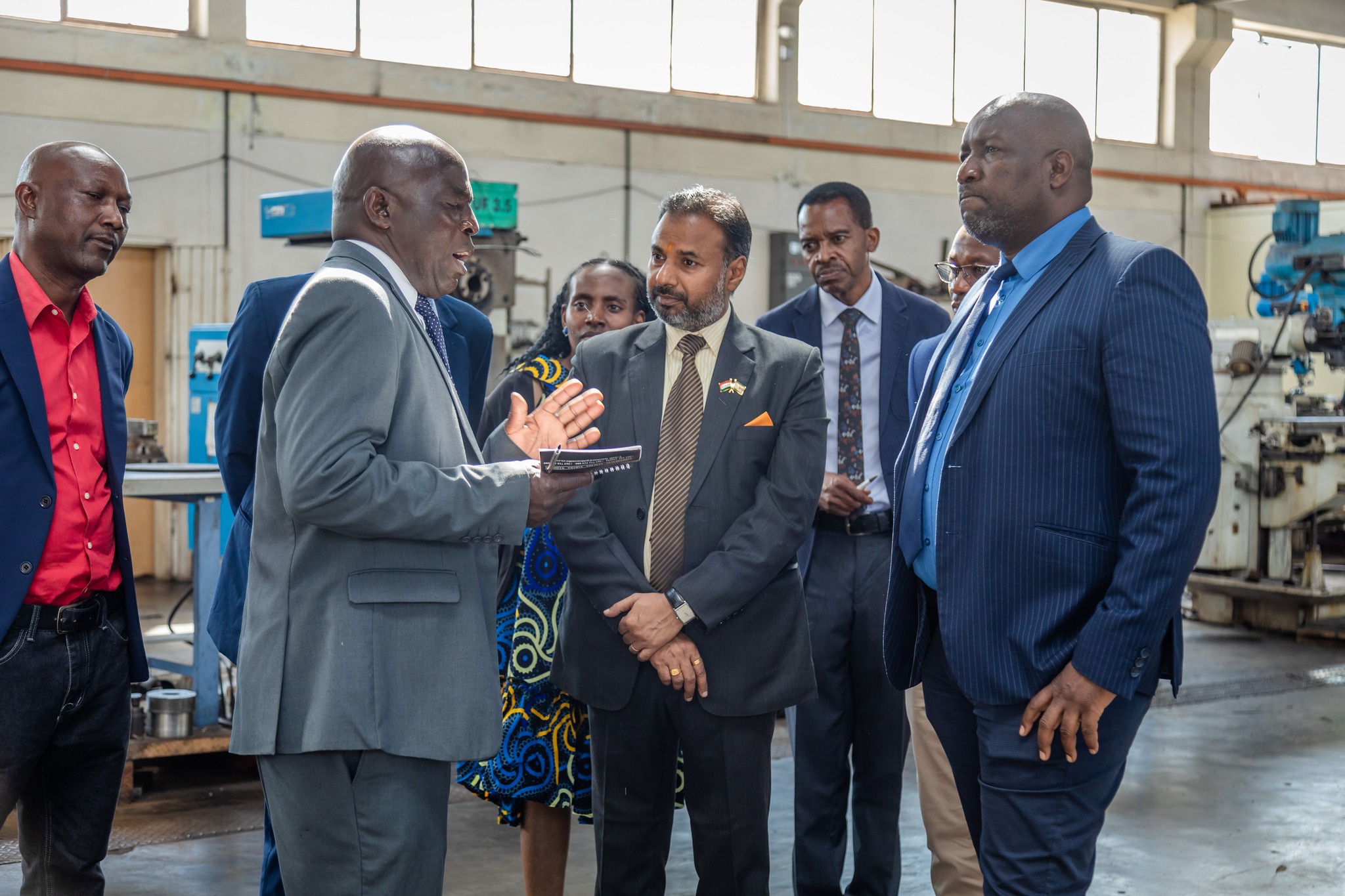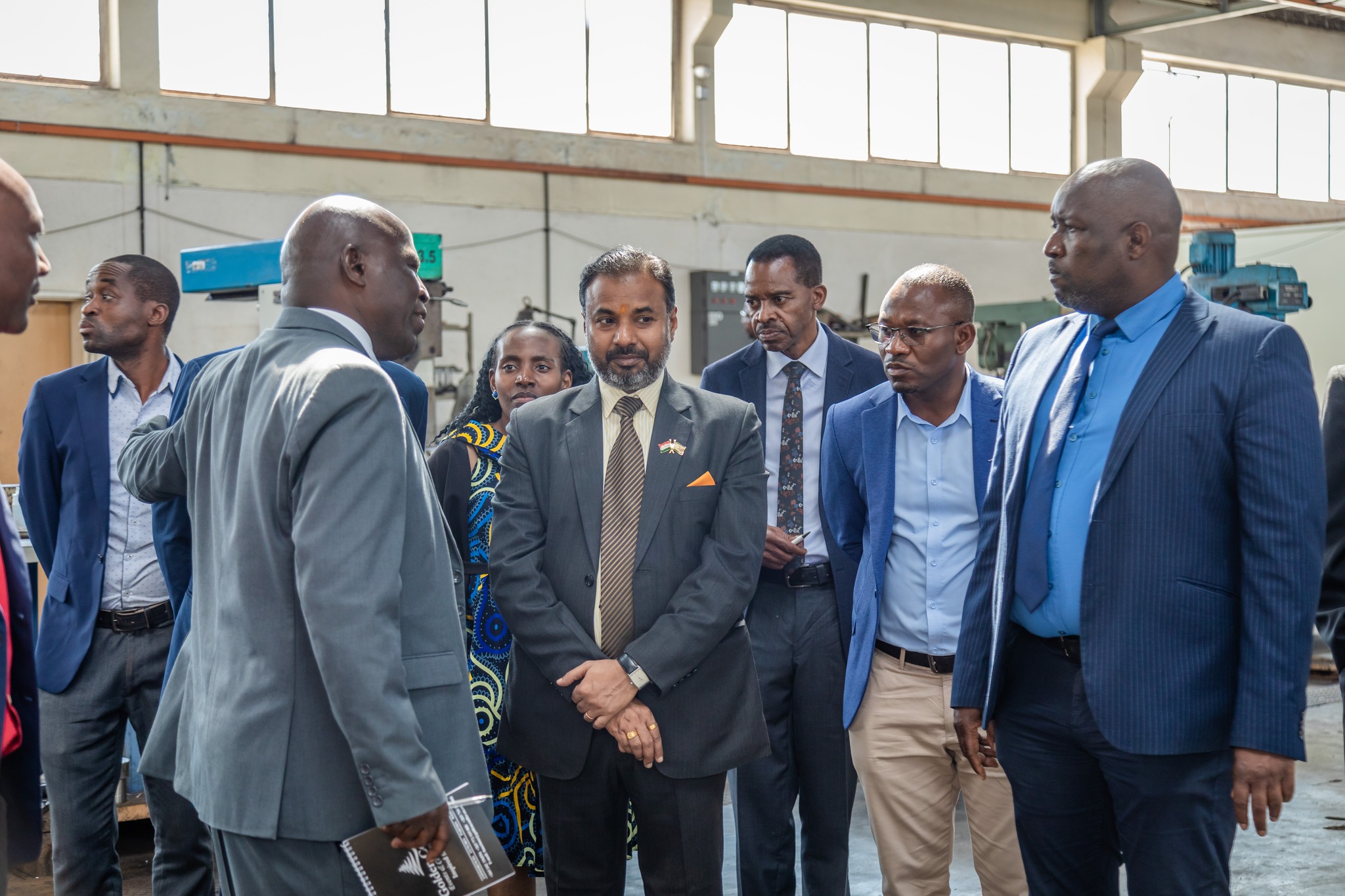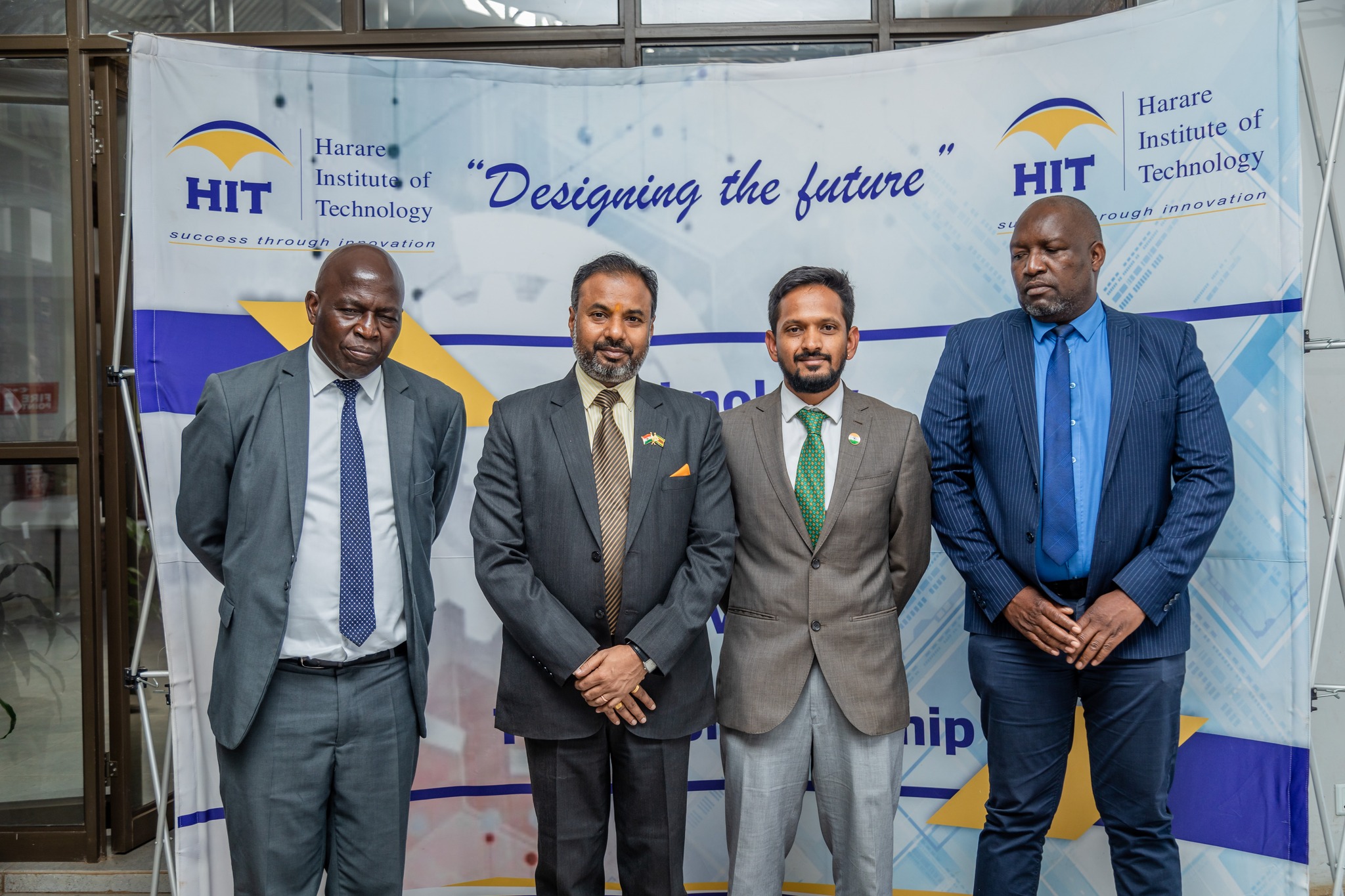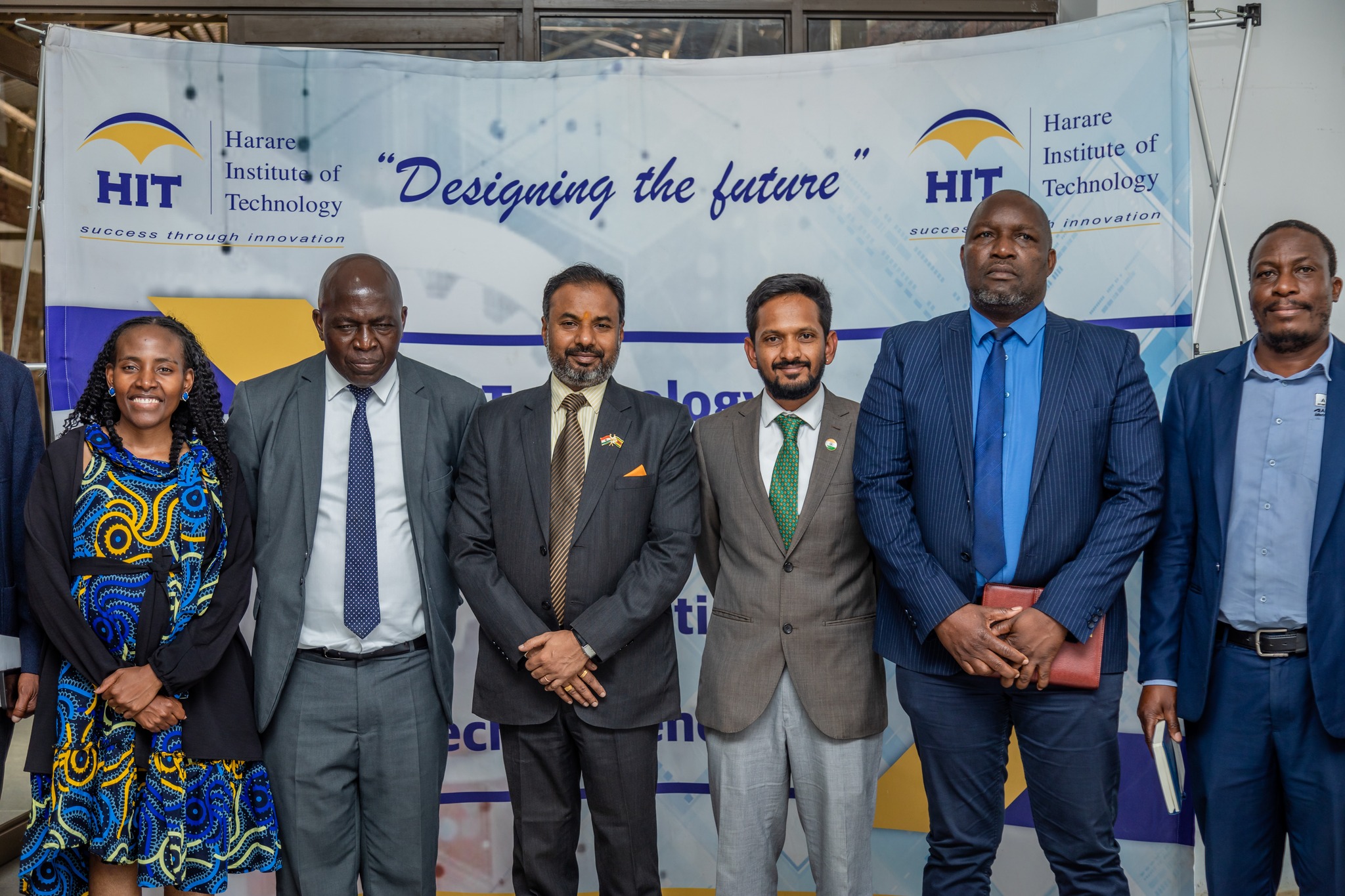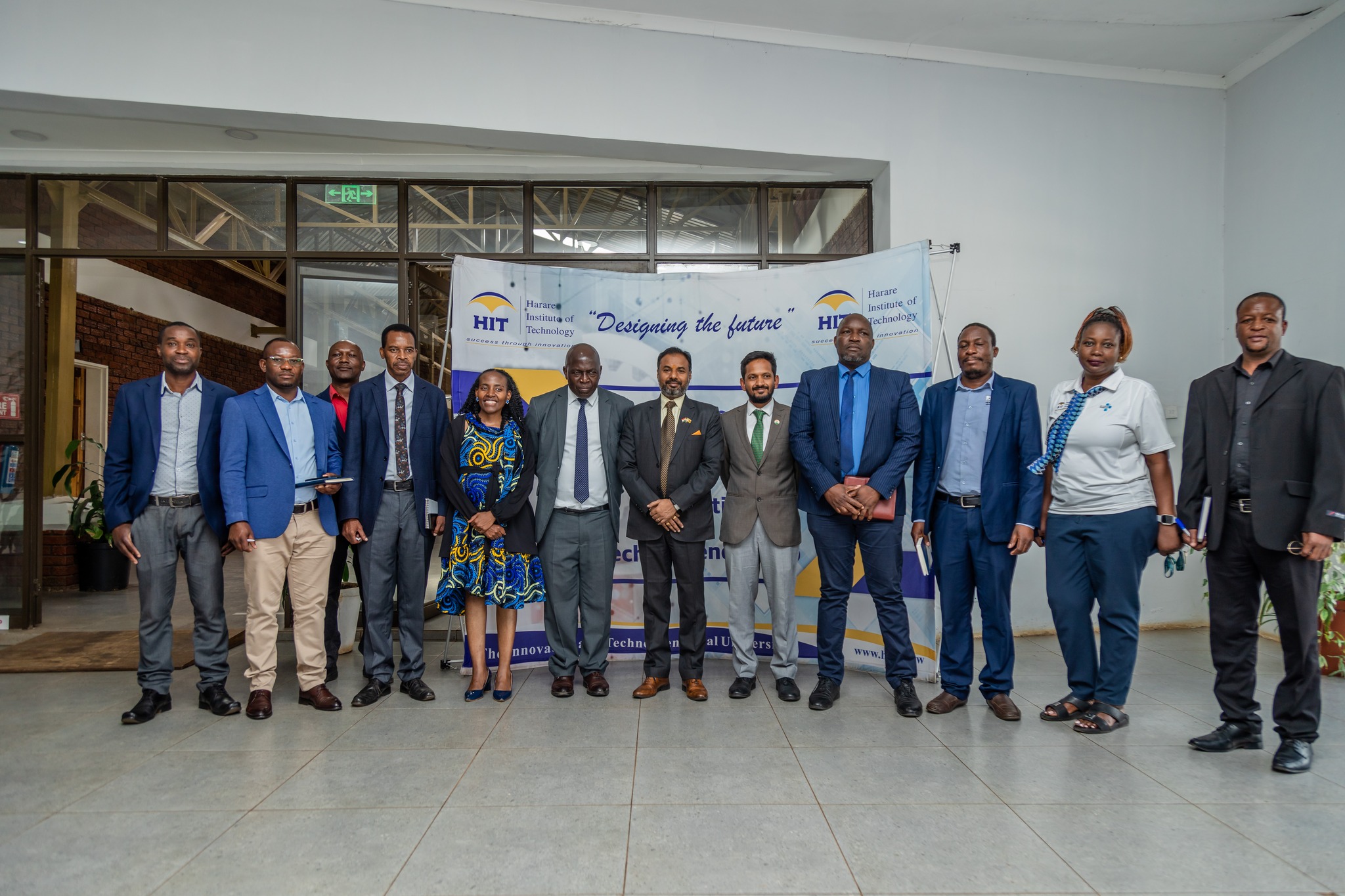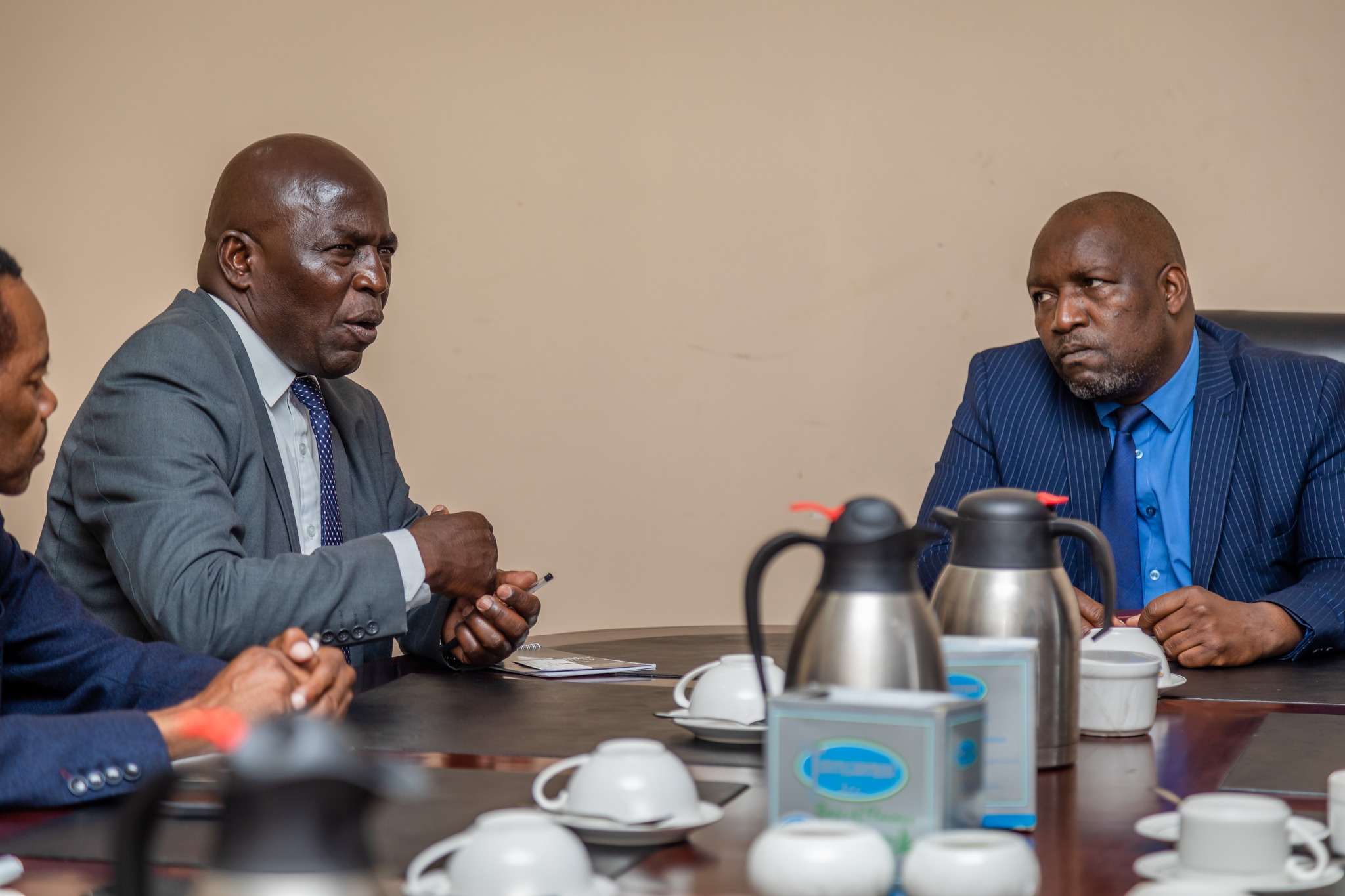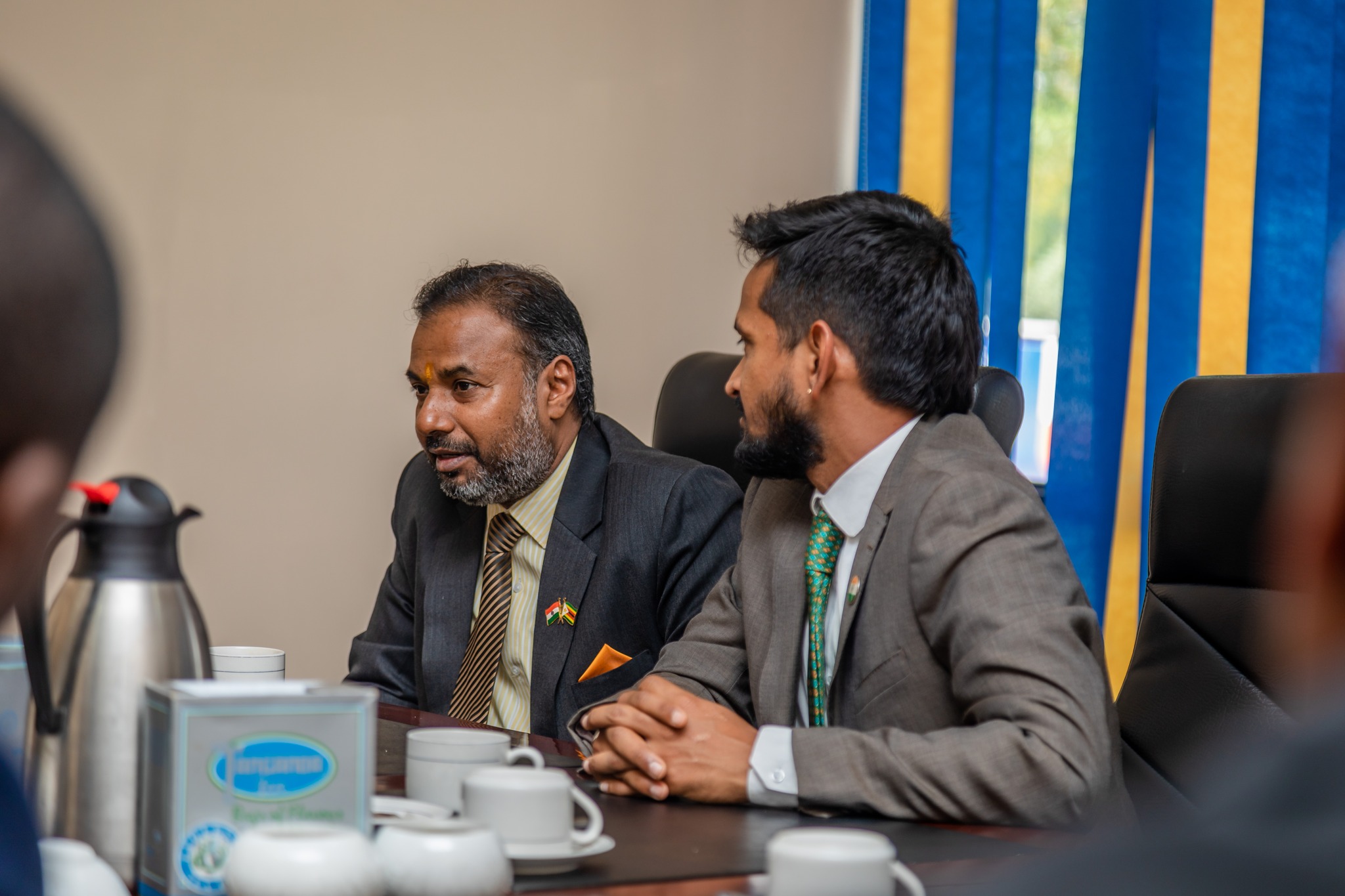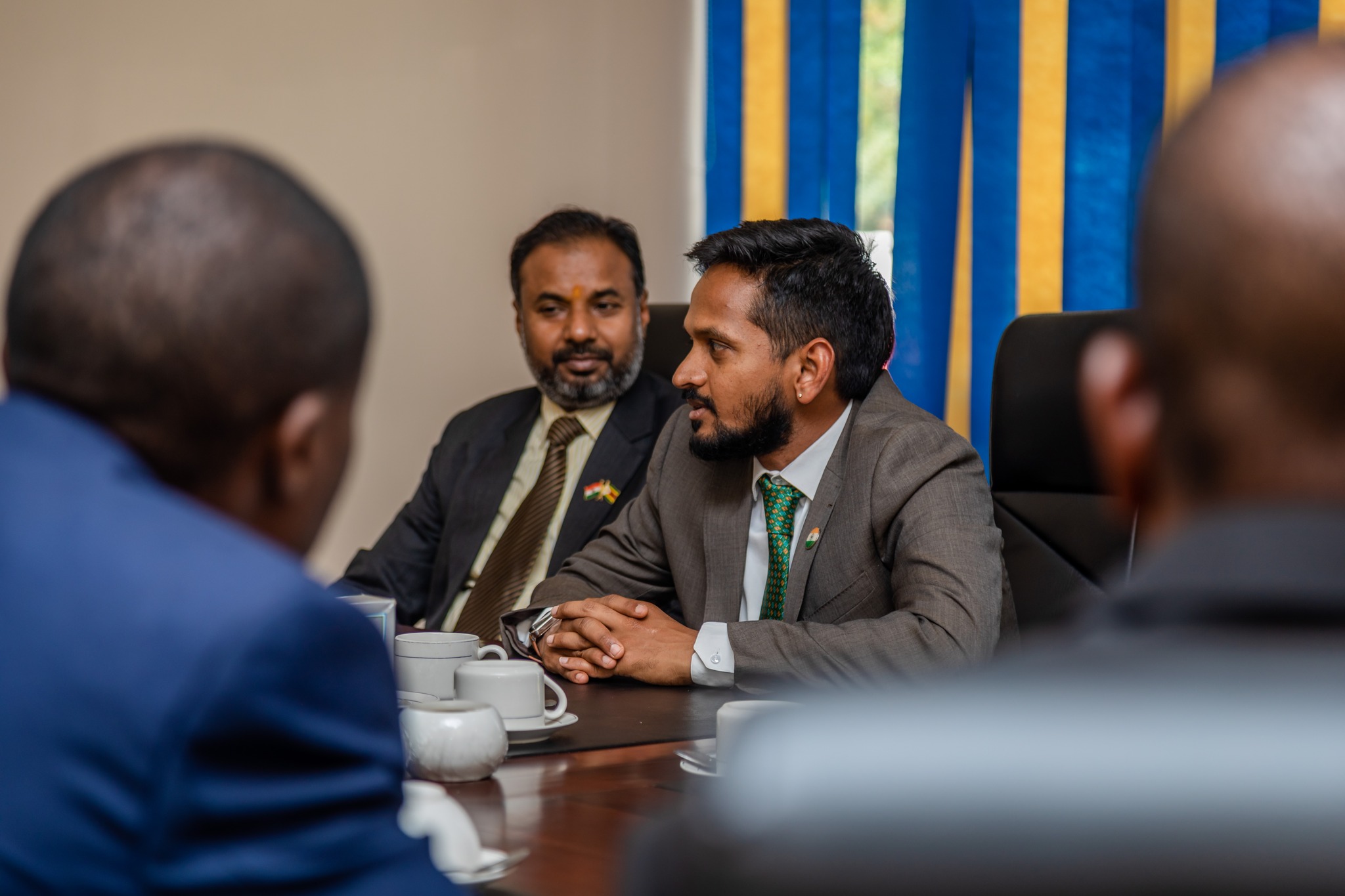
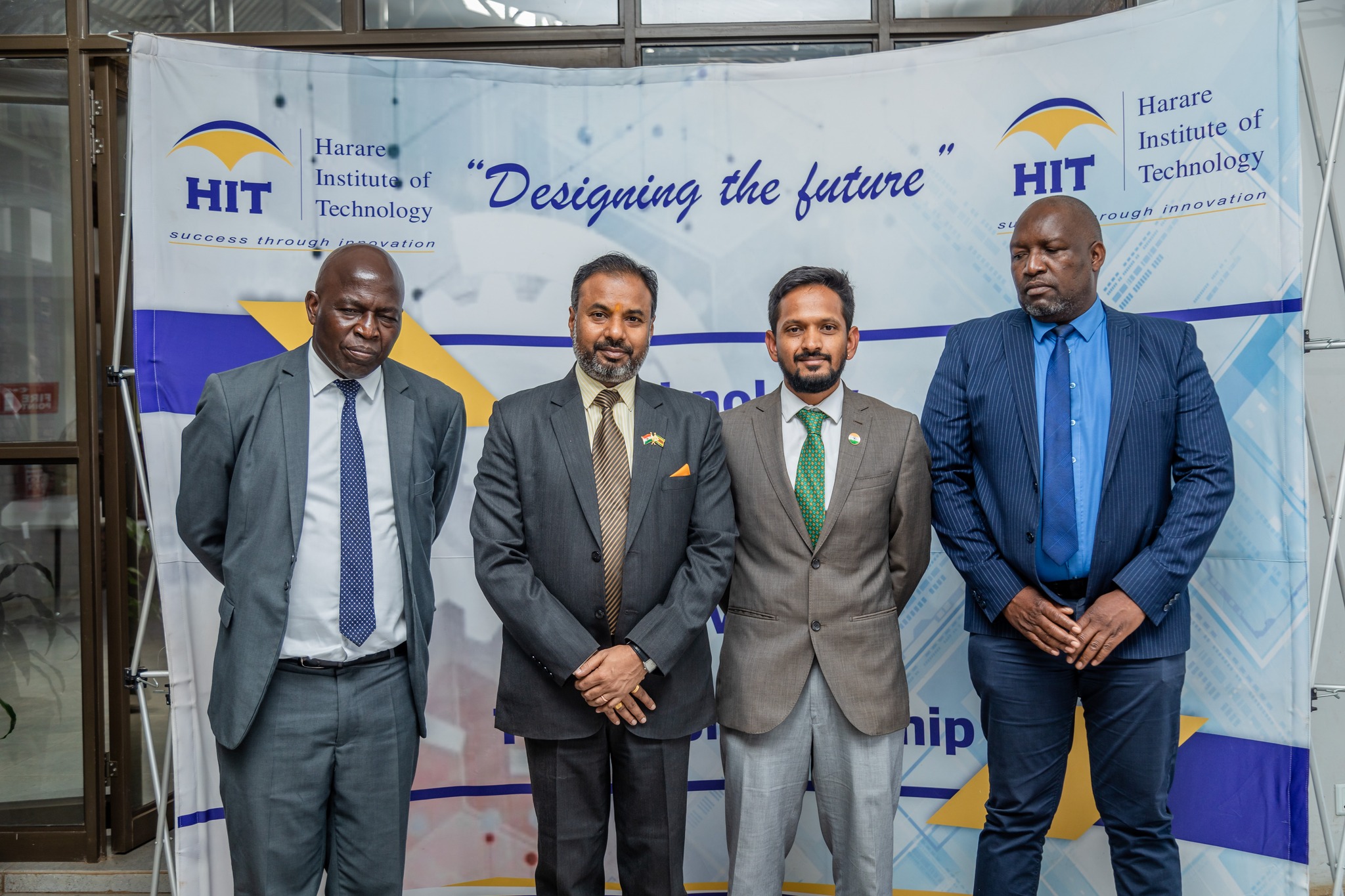
The Harare Institute of Technology (HIT) on 7 May 2026 welcomed H.E. Bramha Kumar, Indian Ambassador to Zimbabwe, and a delegation from the Ministry of Higher and Tertiary Education, Innovation, Science and Technology Development (MHEISTD), for a substantive engagement on the future of Zimbabwe’s IndoZim Project.
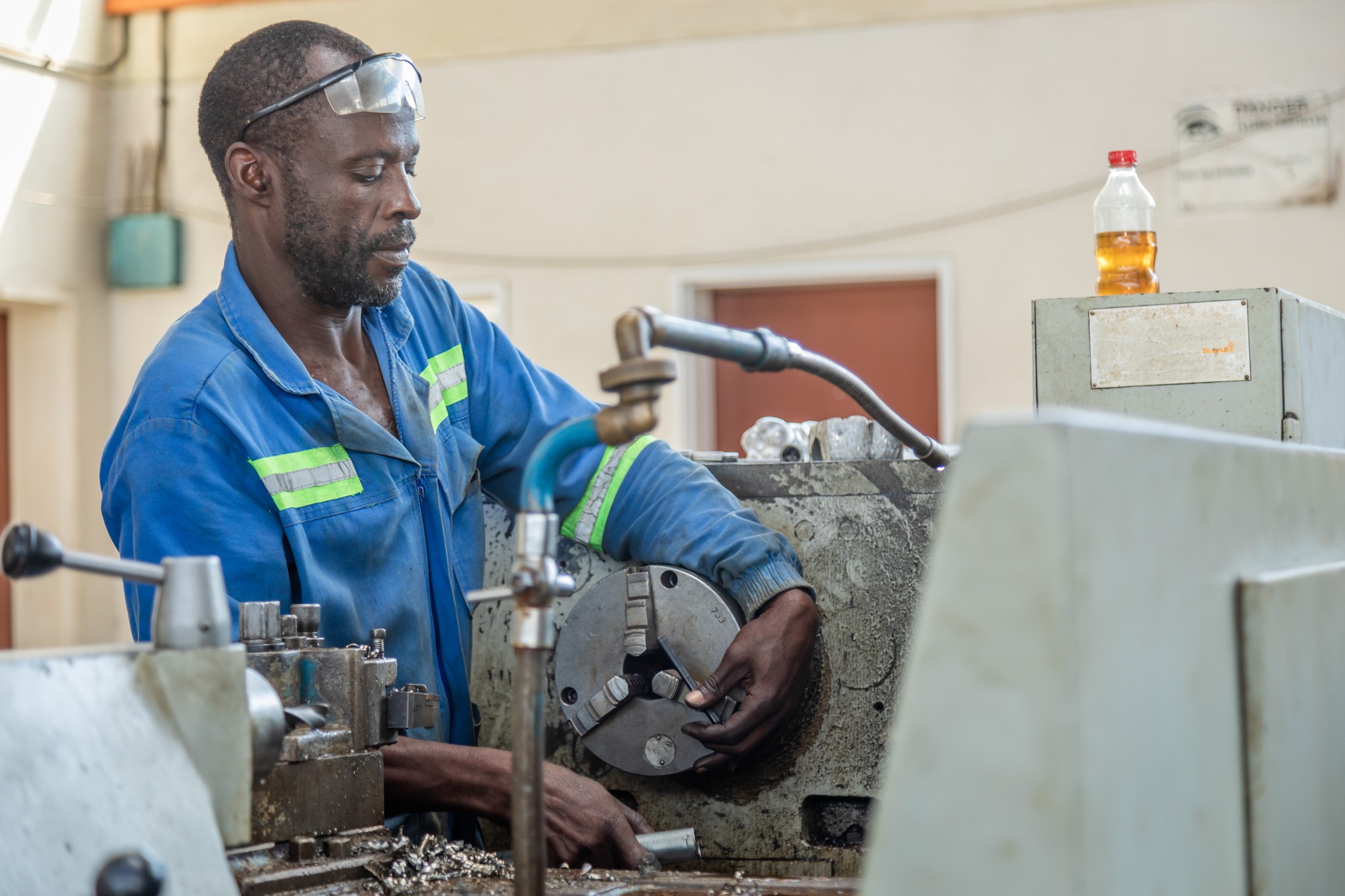
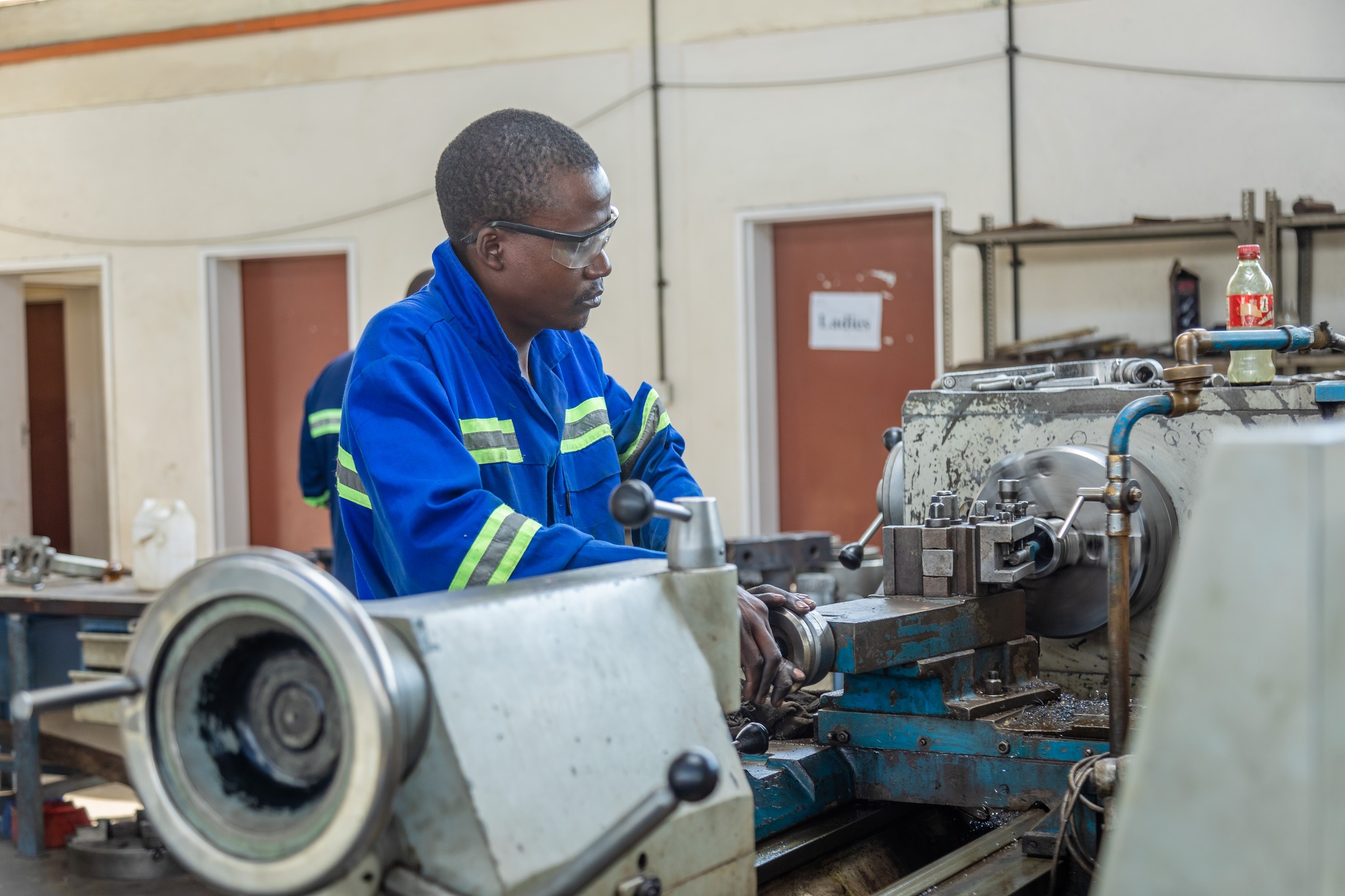
The visit centred on HIT’s Tool and Die Workshop, one of 25 IndoZim Centres across Zimbabwe established through a bilateral development partnership between India and Zimbabwe. These centres give small and medium enterprises (SMEs) access to state-of-the-art machinery and equipment, enabling them to manufacture quality products, grow their businesses, and create employment.
A warm welcome from HIT leadership
HIT’s Pro Vice Chancellor for Research, Innovation and Commercialisation, Prof Jeff Gwamuri, received the delegation warmly, expressing the university’s appreciation for India’s enduring support of Zimbabwe’s industrial development.
“HIT is honoured to have the Indian Ambassador on campus. The university greatly appreciates the assistance from India, which has made a tangible difference to our capacity to support industry and enterprise in Zimbabwe, “Prof Gwamuri said.
The PVC also put forward a bold new proposal for the IndoZim programme, which is to extend it to support Zimbabwe’s artisanal miners with equipment to help them add value to the country’s mineral resources. This vision would reposition IndoZim as not only a manufacturing support initiative but a driver of mineral beneficiation at the grassroots level, aligning with national resource-value-addition goals.
“A shining example of cooperation”
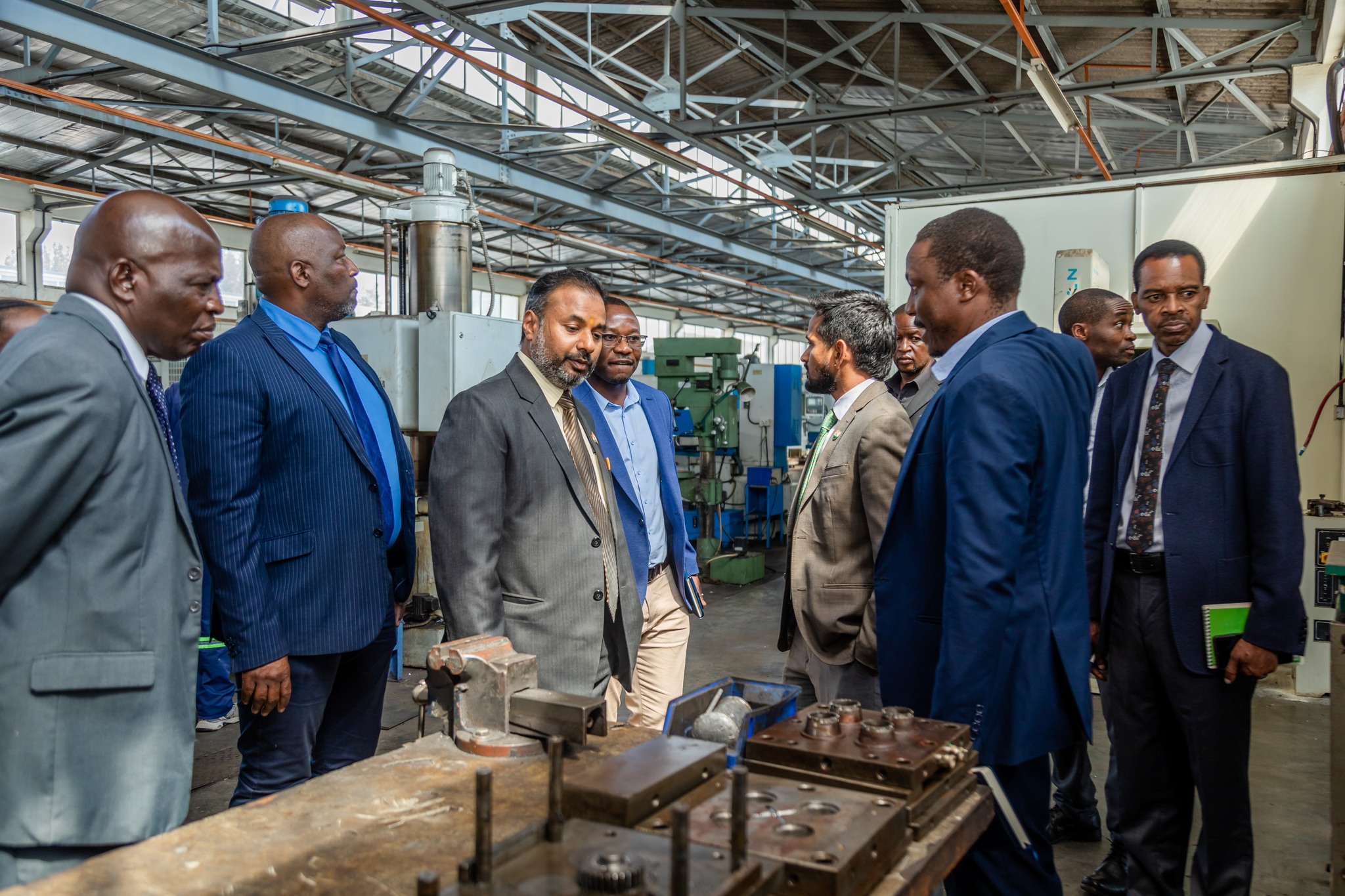
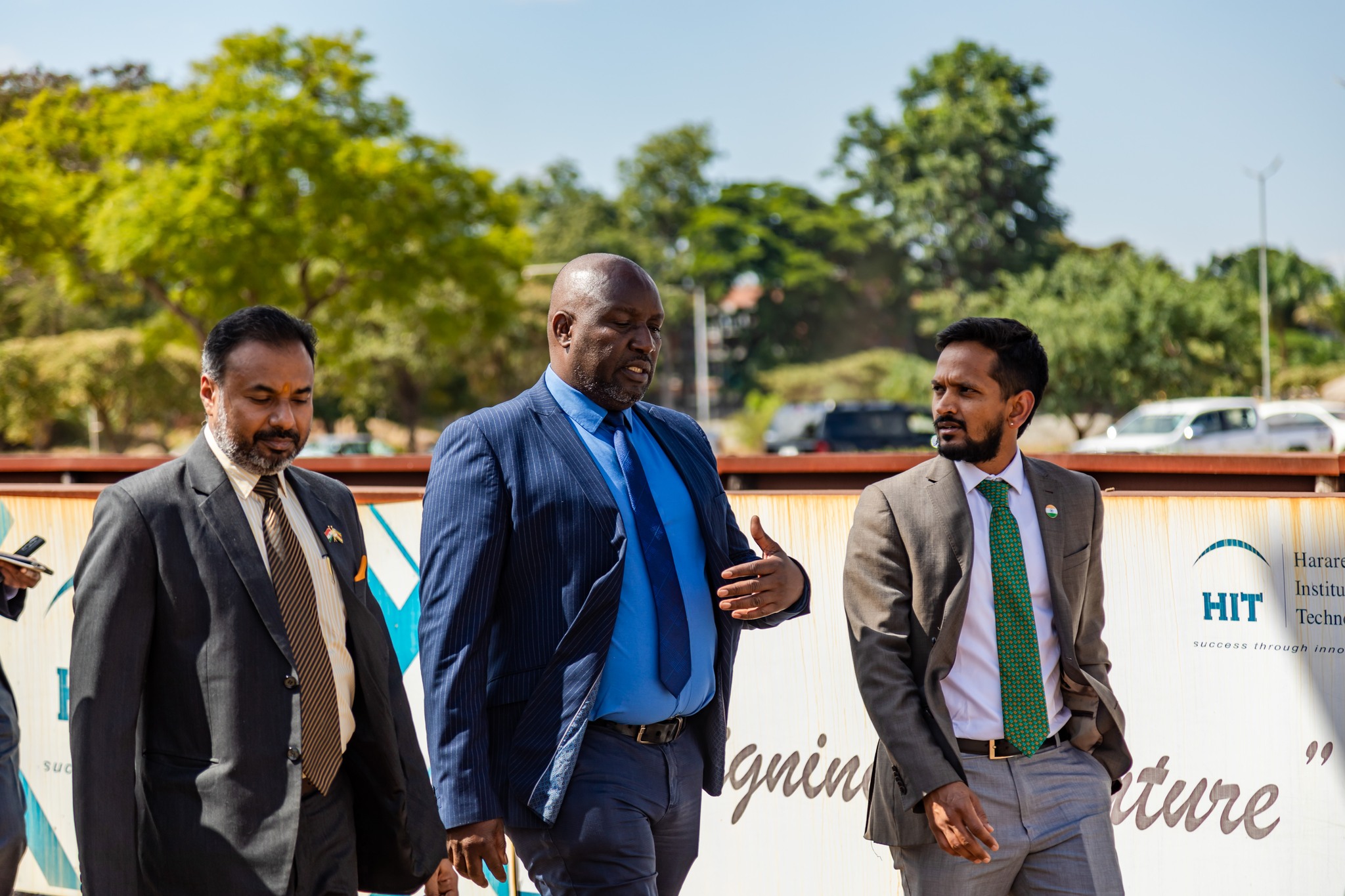
During a tour of the Tool and Die Workshop, Ambassador Kumar witnessed firsthand the impact of the India–Zimbabwe partnership. His assessment was enthusiastic and unambiguous.
“This workshop is a shining example of the cooperation between India and Zimbabwe. I am happy and proud that these machines and equipment are helping Zimbabwean SMEs to produce products for their clients, boosting their businesses, and creating employment,” H.E. Bramha Kumar said.
Ambassador Kumar also engaged directly with some SME representatives who use the workshop, hearing their experiences firsthand. Business owners expressed genuine gratitude for the support and assistance the Tool and Die Workshop provides, crediting it with helping them fulfil client orders and stay competitive in the market.
Maintaining, upgrading, and expanding
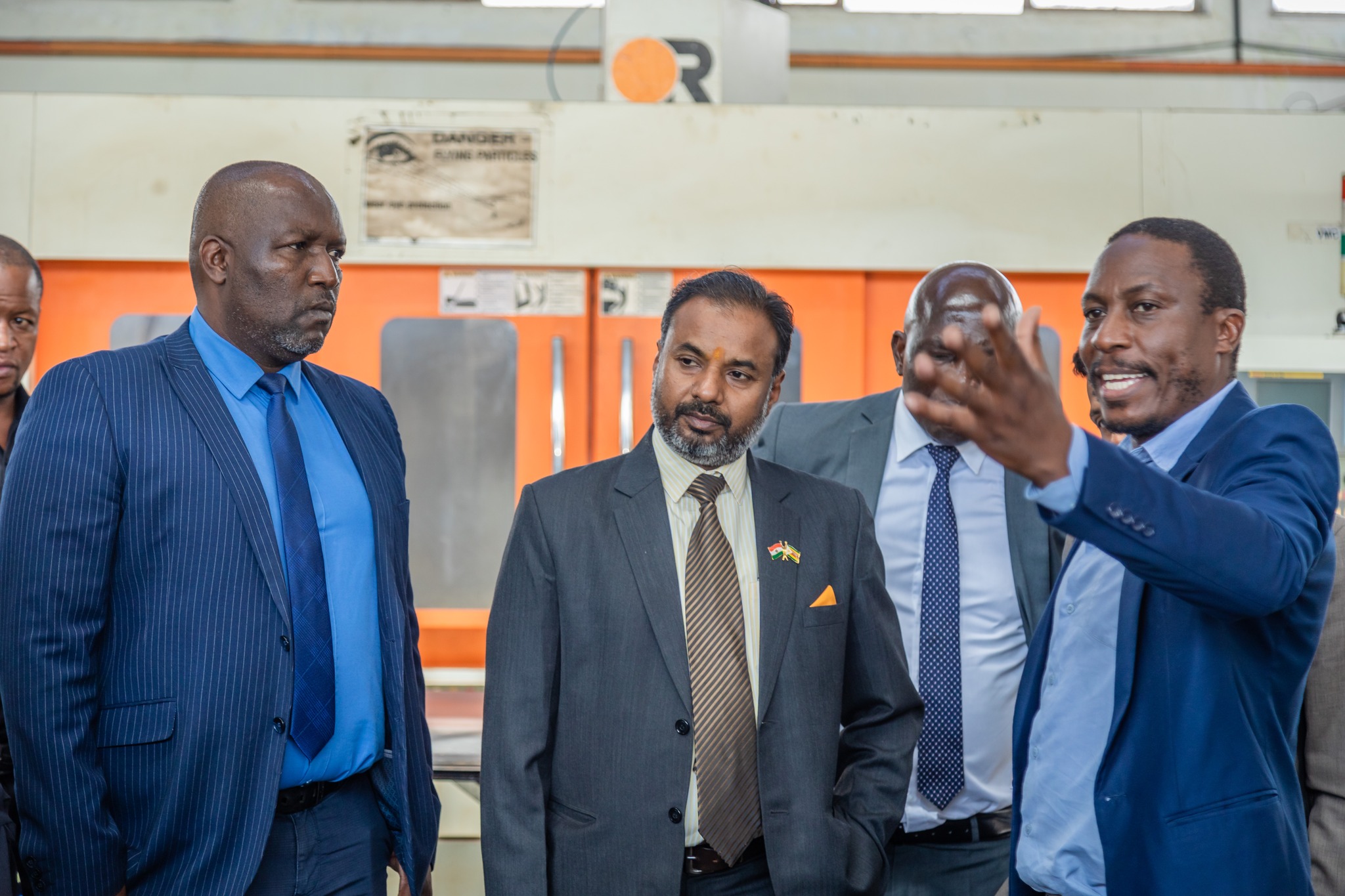
Mr David Nyakonda, Director for Business Development, Innovations Hubs and Incubation Centres at MHEISTD, outlined a clear strategic agenda for the programme’s next phase.
“There is a need to maintain and upgrade the tool and die machines, bring in new machines and equipment, as well as expanding and moving into other trades such as metal fabrication, carpentry, tie and dye, and polymer engineering,” Mr David Nyakonda, MHEISTD
These are not peripheral trades. Metal fabrication anchors construction and infrastructure. Carpentry feeds the housing and furniture sectors. Tie and dye links to Zimbabwe’s growing creative and textile economy. Polymer engineering supports packaging and components manufacturing. Expanding into these areas would sharply widen the programme’s reach and economic contribution across all 25 IndoZim Centres.
HIT is at the heart of Zimbabwe’s industrialisation
That this engagement took place at HIT reflects the institution’s standing as a hub for technological excellence, international partnerships, and enterprise development. HIT’s Tool and Die Workshop has long demonstrated what the IndoZim model can achieve when infrastructure, skills, and industry access are brought together purposefully.
As the conversation between HIT, MHEISTD, and the Indian High Commission continues, the commitment from all parties is evident: the IndoZim Project will be sustained, strengthened, and expanded, so that more Zimbabweans, more SMEs, and more sectors of the economy can benefit from this enduring partnership between Zimbabwe and India.