
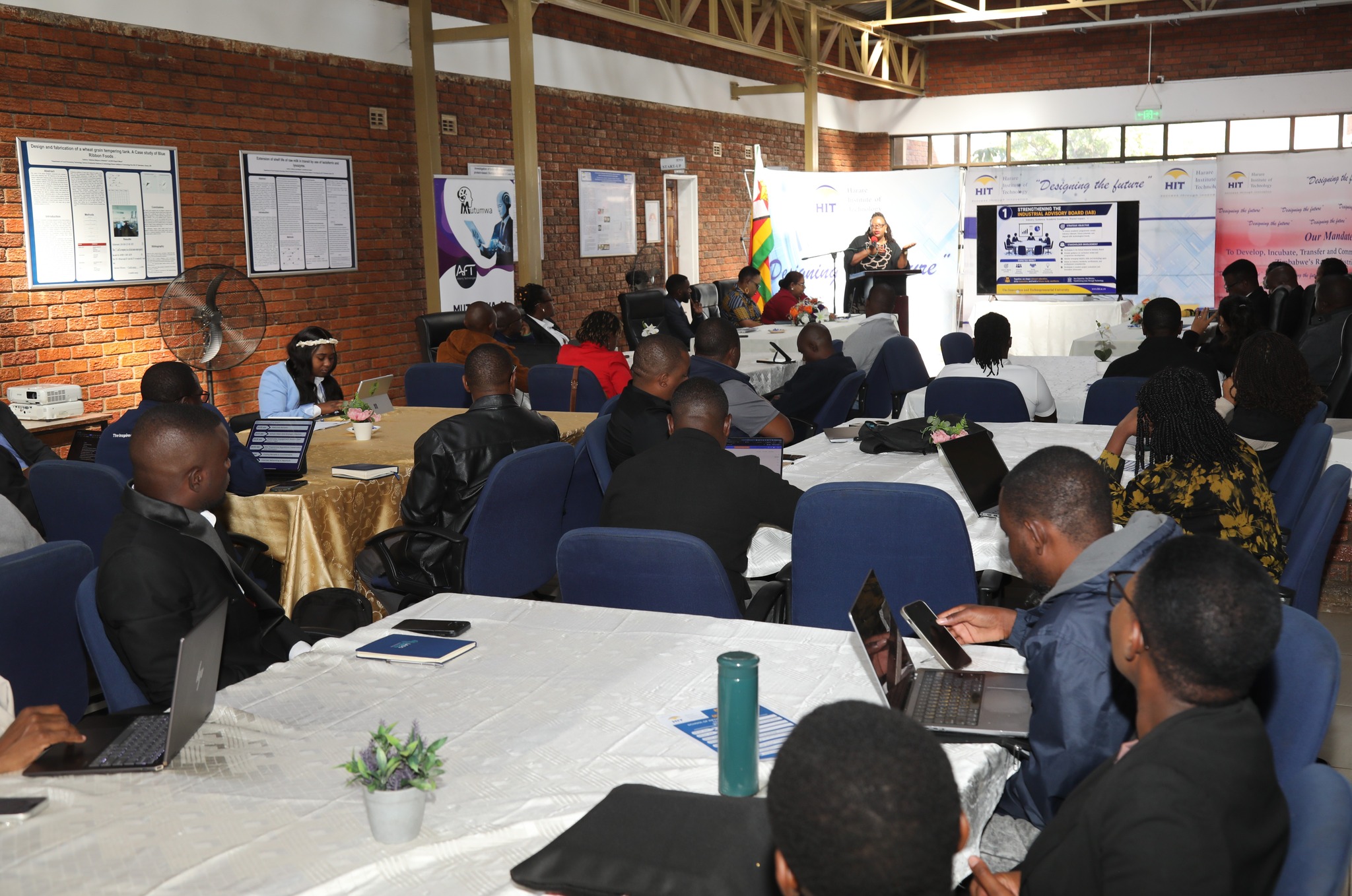
Industry, government, and academia converge at the Innovation Hub to shape the future of ICT education in Zimbabwe
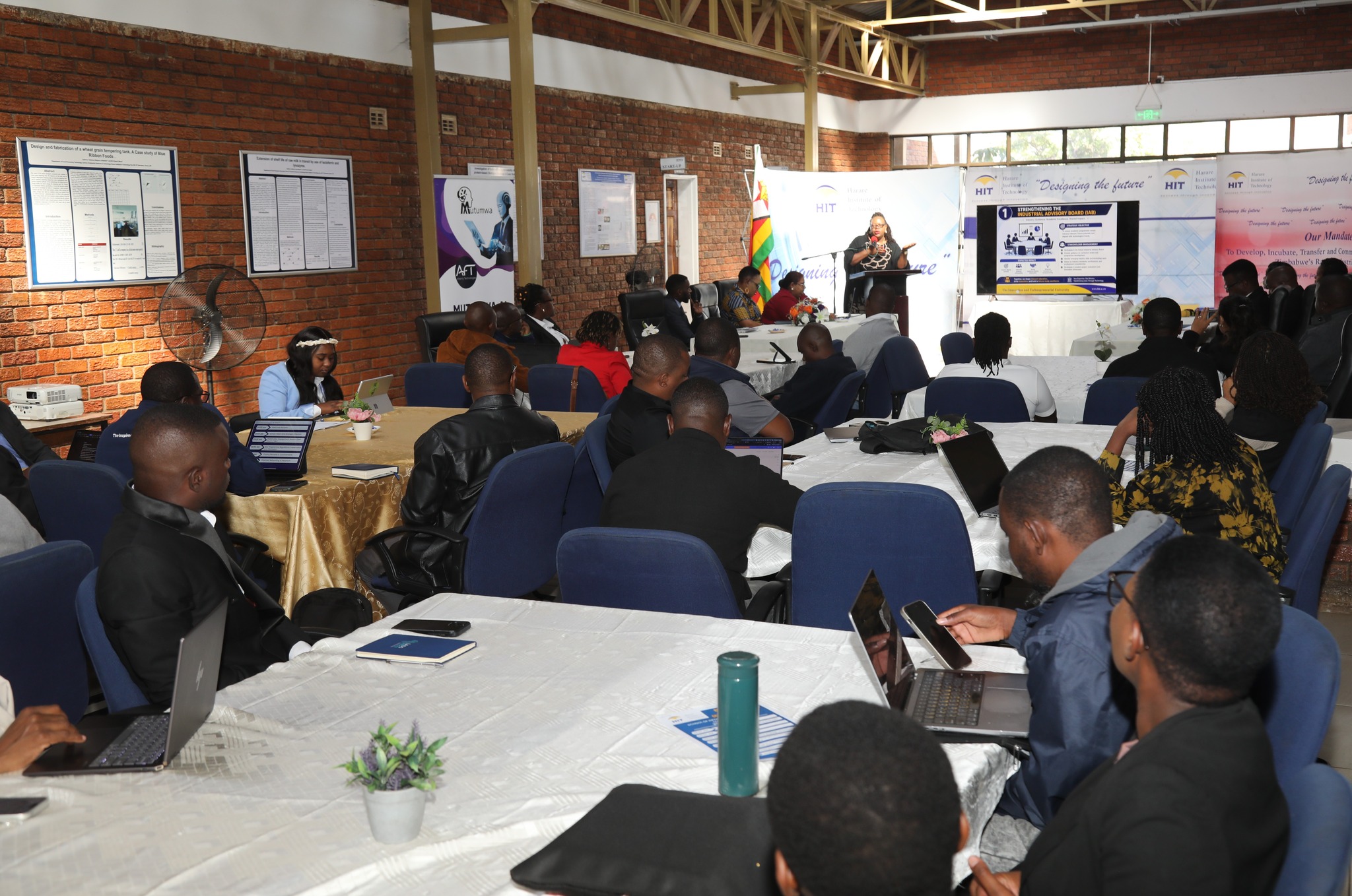
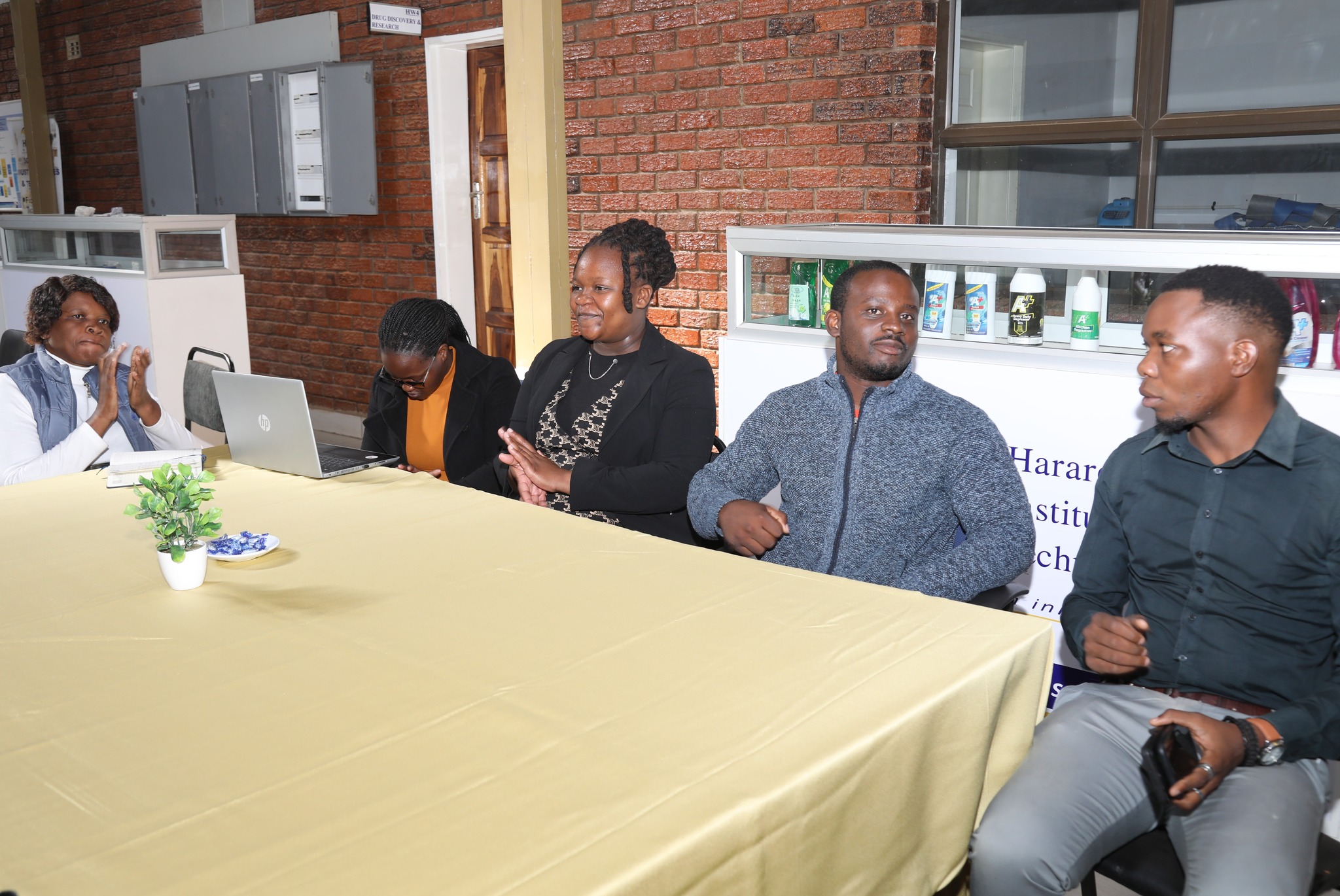
The Innovation Hub at the Harare Institute of Technology (HIT) buzzed with intellectual energy as the School of Information Science and Technology (SIST) convened a landmark Breakfast and Stakeholders Consultation Meeting on Friday, 29 May 2026.
The event brought together industry, regulatory bodies, government ministries, and academia, marking a key step in HIT’s effort to align its academic offerings with Zimbabwe’s digital economy.
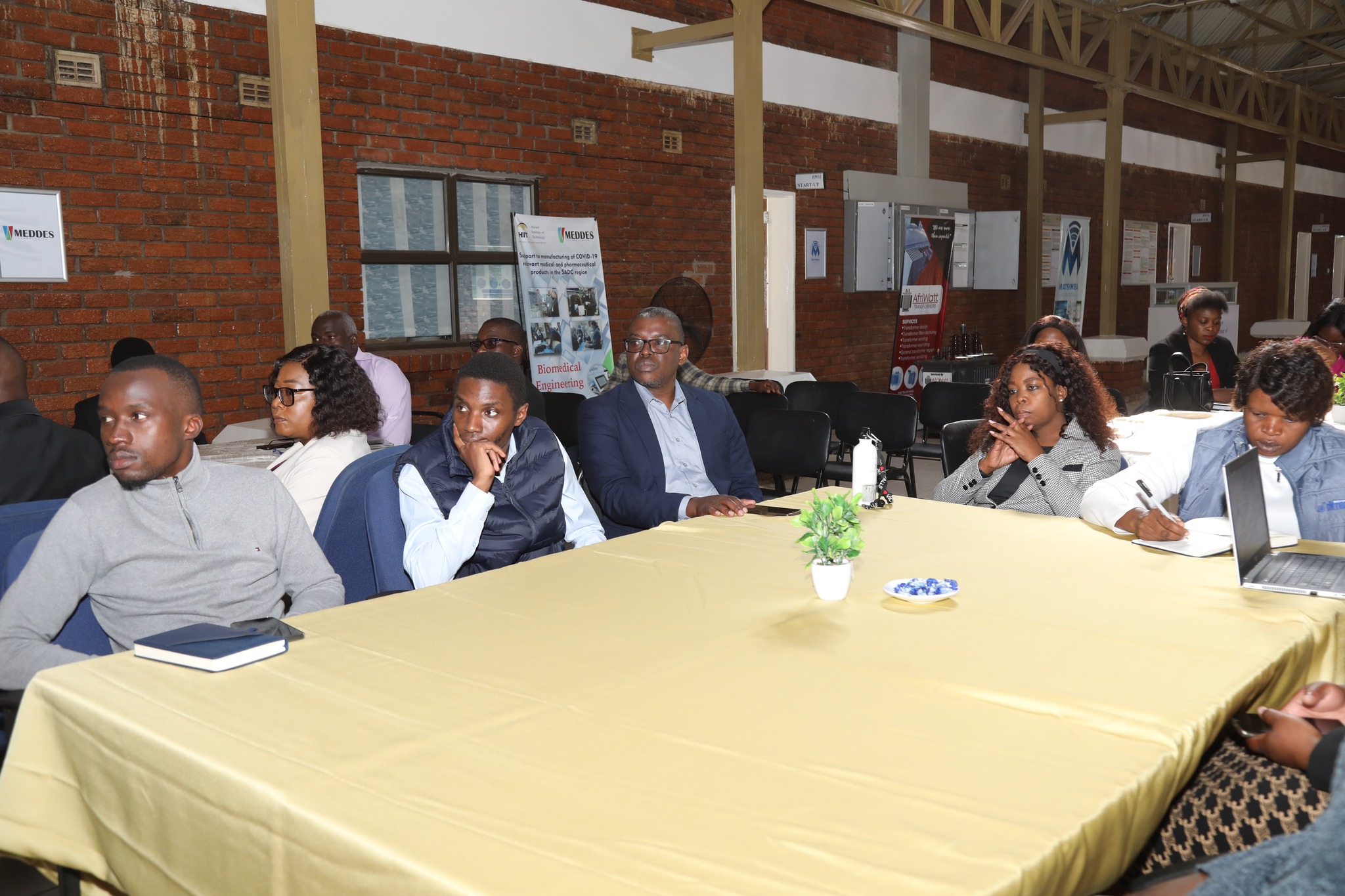
Over forty delegates graced the morning gathering, representing organisations as diverse as POTRAZ, NMB Bank Limited, the University of Zimbabwe, Cell Insurance Company, Powertel Communications, ZETDC, the Civil Aviation Authority of Zimbabwe, Code Virtus/Pesopay, Computer Society of Zimbabwe, Ecocash, Ministry of Local Government and Public Works, POSB, ZESA Holdings, Axis Solutions, AFC Land and Development Bank, INSAfrica, CYBIONESIS, MICTPCS, and many others. Their presence showed strong industry confidence in HIT’s educational vision and the urgent need for collaborative curriculum development.
Meeting Objectives: A Dialogue Between Academy and Industry
The breakfast consultation was convened with a clear and purposeful mandate.
At its core, it was to ensure that HIT’s academic programmes, especially the proposed Postgraduate Diploma in Data Protection, remain grounded in real-world practice and responsive to the technological realities facing Zimbabwean organisations today. The meeting sought to create an open forum through which stakeholders could interrogate new programme regulations, offer industry insights on skills gaps, and contribute to shaping a curriculum that is not only academically rigorous but practically transformative.
Guided by HIT’s mandate to Develop, Incubate, Transfer, and Commercialise Technology for the Rapid Industrialisation of the Nation, the School used the platform to engage stakeholders on industry-relevant, technology-driven, and economically responsive academic programmes. The event also offered an opportunity for the institution to listen and understand the operational realities of partner organisations and to receive recommendations that will help tailor future graduates for the competitive demands of the fourth industrial revolution.
Vice Chancellor’s Welcome: A Vision Anchored in Digital Transformation
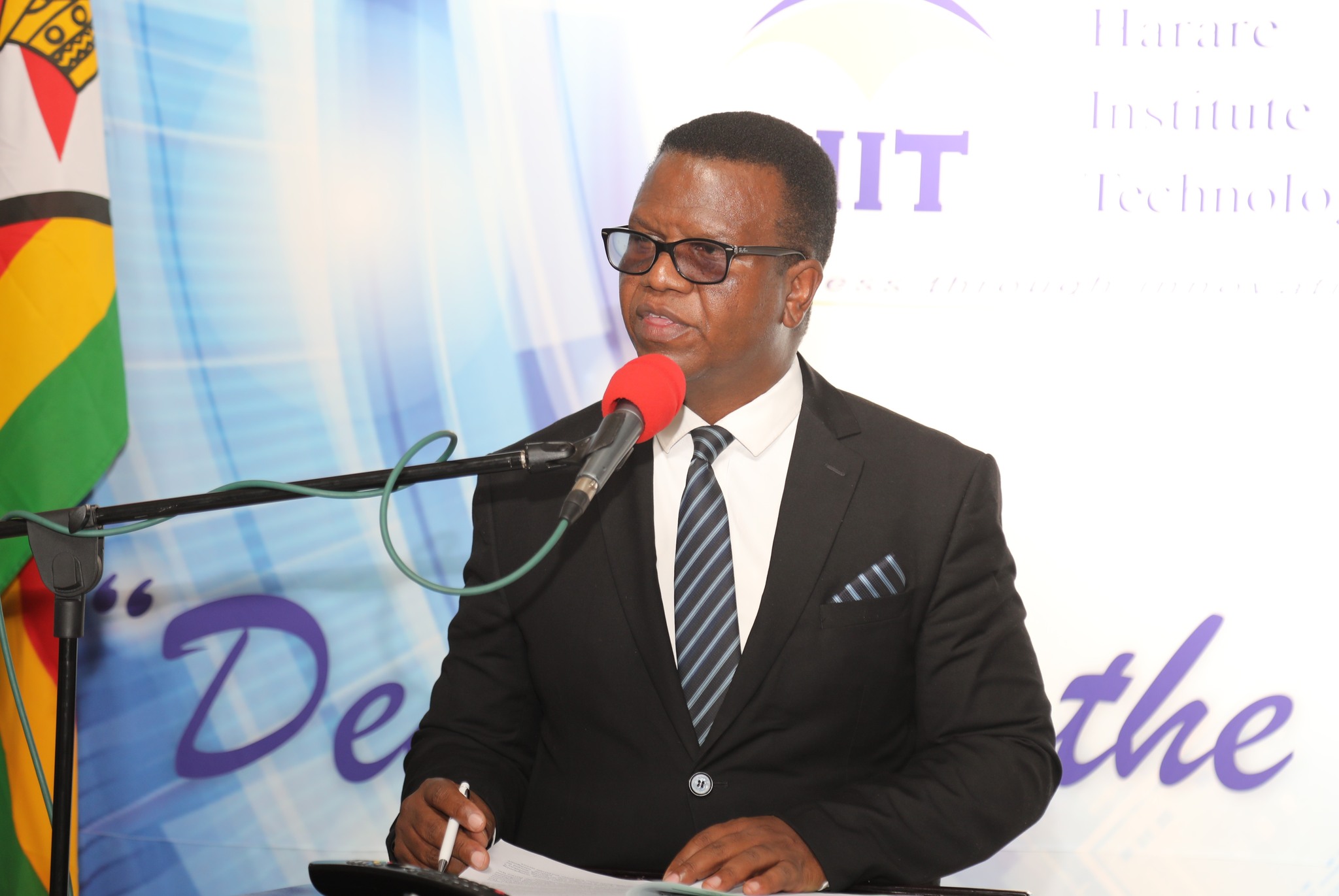
In his welcome remarks delivered on his behalf by the Institute Librarian, Mr Macdonald Nhakura, the HIT of the Vice Chancellor set a commanding and forward-looking tone for the morning. Addressing distinguished guests, representatives from government ministries, regulatory bodies, HIT management and staff, the address reaffirmed the institution’s unwavering commitment to advancing Innovation, Digital Transformation, and capacity building in Zimbabwe and beyond.
The Vice Chancellor’s address underlined that HIT, as a technology-driven institution guided by Education 5.0, remains committed to developing relevant, industry-responsive programmes that address emerging societal, technological, and economic needs. The remarks placed particular emphasis on the urgency of data governance in today’s digital world, noting that data has become a critical strategic asset and that the need for cybersecurity, governance, ethical data handling, and regulatory compliance is more pressing than ever before.
Pointing to the already successful Data Protection Officer training programme being offered in partnership with POTRAZ, the address highlighted how HIT has already made significant contributions towards raising awareness and developing practical competencies in data protection and privacy management within Zimbabwe. The proposed Postgraduate Diploma in Data Protection was presented as a natural evolution of this momentum, a comprehensive academic and professional qualification deepening expertise in data governance, compliance, cybersecurity, privacy law, digital ethics, and information security management.
“This breakfast meeting, therefore, provides an important platform for stakeholder engagement, collaboration, and the exchange of ideas. Your insights, recommendations, and experiences will play a vital role in shaping a programme that is relevant, impactful, sustainable, and internationally competitive,” the address concluded, calling for open discussion and collaborative thinking as Zimbabwe works to build secure, innovative, and inclusive digital ecosystems for the nation and the broader region.
School Vision and Strategic Direction: Ms Rachel Chikoore Speaks to SIST’s Bold Horizon
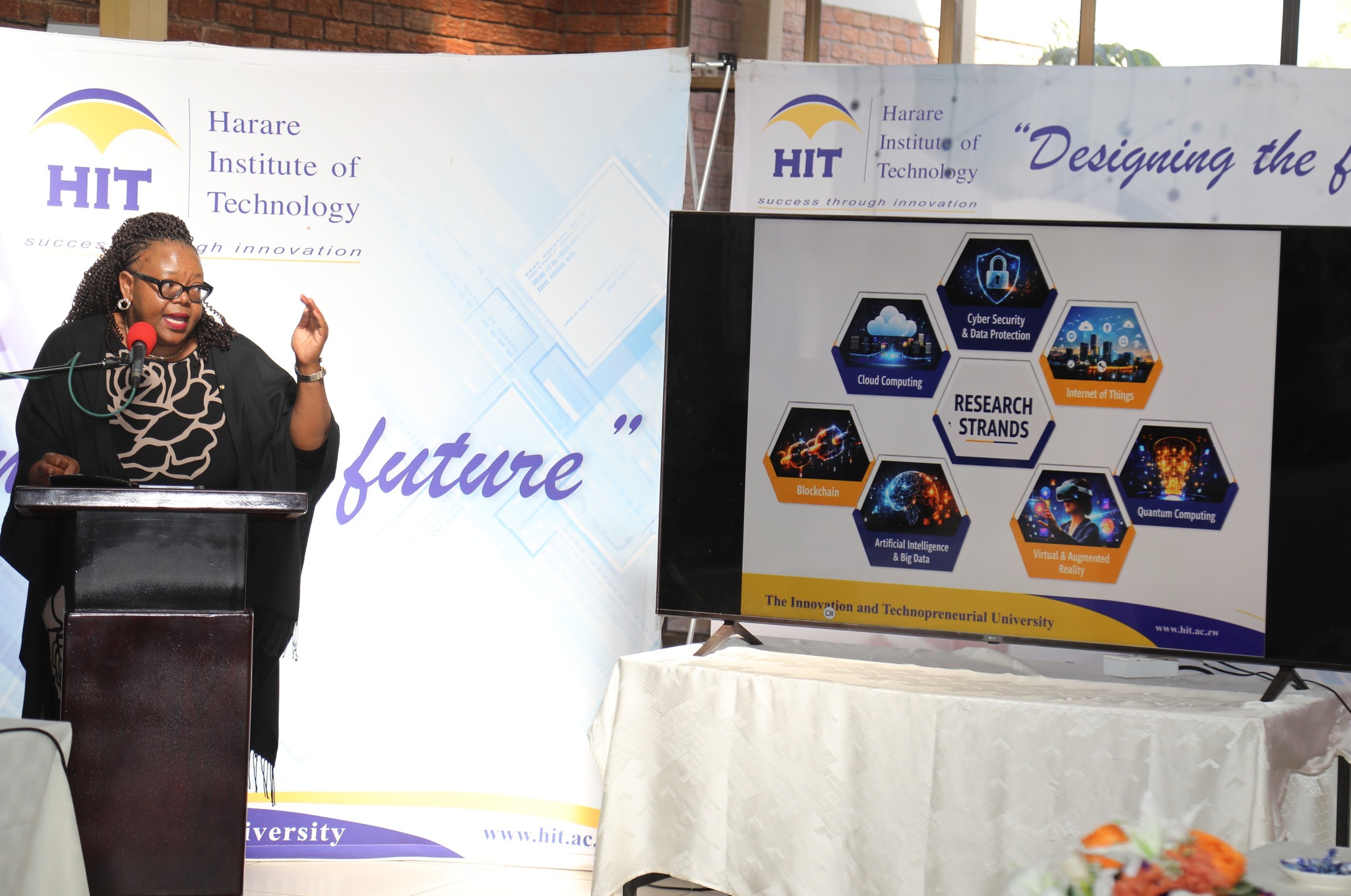
The meeting’s programme reached a compelling high point when the Dean of the School of Information Science and Technology, Ms Rachel Chikoore, presented the School’s Vision and Strategic Direction. Ms Chikoore’s address painted a vivid picture of a school in dynamic motion, one that is not content to merely respond to the demands of the digital age but is actively shaping the professionals who will define it.
Under Ms Chikoore’s stewardship, SIST has sharpened its focus on producing graduates who are not just technically competent but strategically agile, professionals equipped to navigate and lead within increasingly complex digital environments. Her presentation outlined the school’s ambition to become a centre of excellence in information science and technology within the region, anchoring its academic programmes in national development priorities while maintaining international standards of quality and relevance.
The Dean elaborated on SIST’s strategic thrust towards postgraduate education and professional development, citing the proposed Postgraduate Diploma in Data Protection as emblematic of the school’s ambition to address emerging national and regional priorities. She spoke to the alignment between the programme and Zimbabwe’s broader digital transformation agenda, noting its particular resonance with the growing demand for specialised expertise in data protection, cybersecurity, artificial intelligence governance, and regulatory compliance across both the public and private sectors.
Ms Chikoore’s vision for SIST is one of deep, purposeful partnership, where the academy listens as much as it teaches, and where curriculum development is a living, collaborative process shaped in real time by the organisations that will ultimately employ its graduates. The stakeholder consultation itself was a direct embodiment of this philosophy, transforming what could have been a conventional academic exercise into a rich multi-directional conversation about Zimbabwe’s digital future.
Open Forum: Industry Speaks, HIT Listens
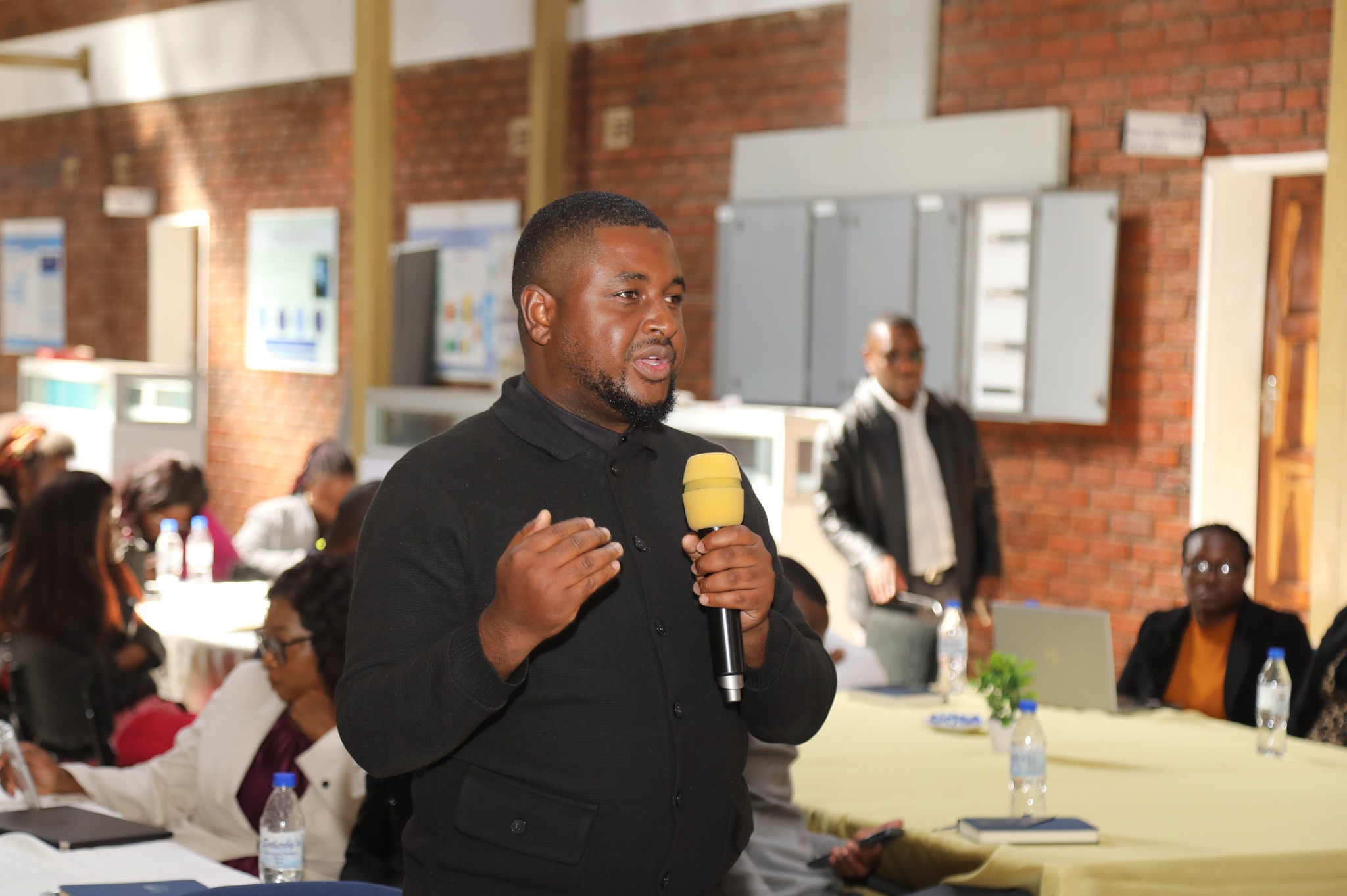
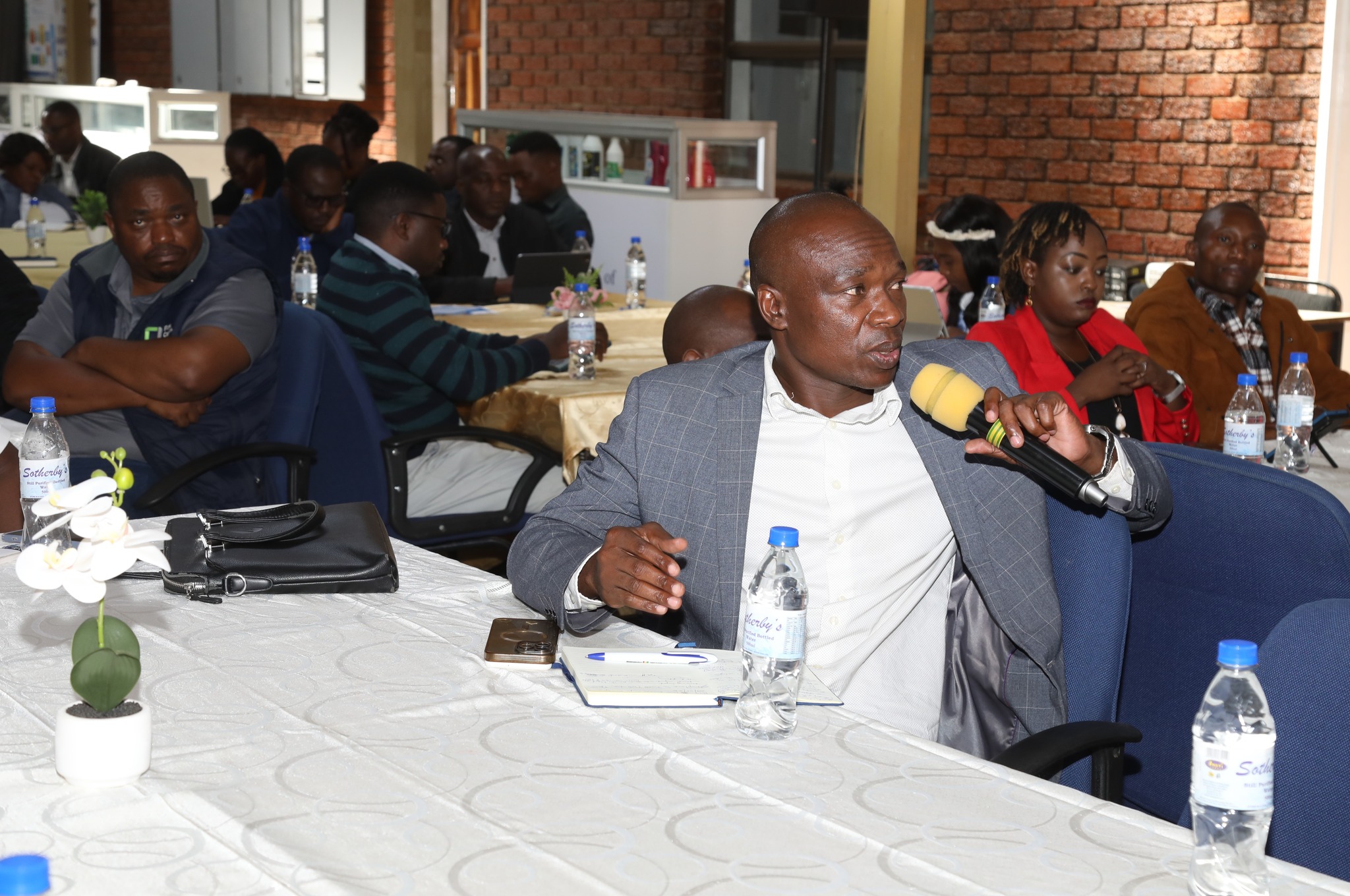
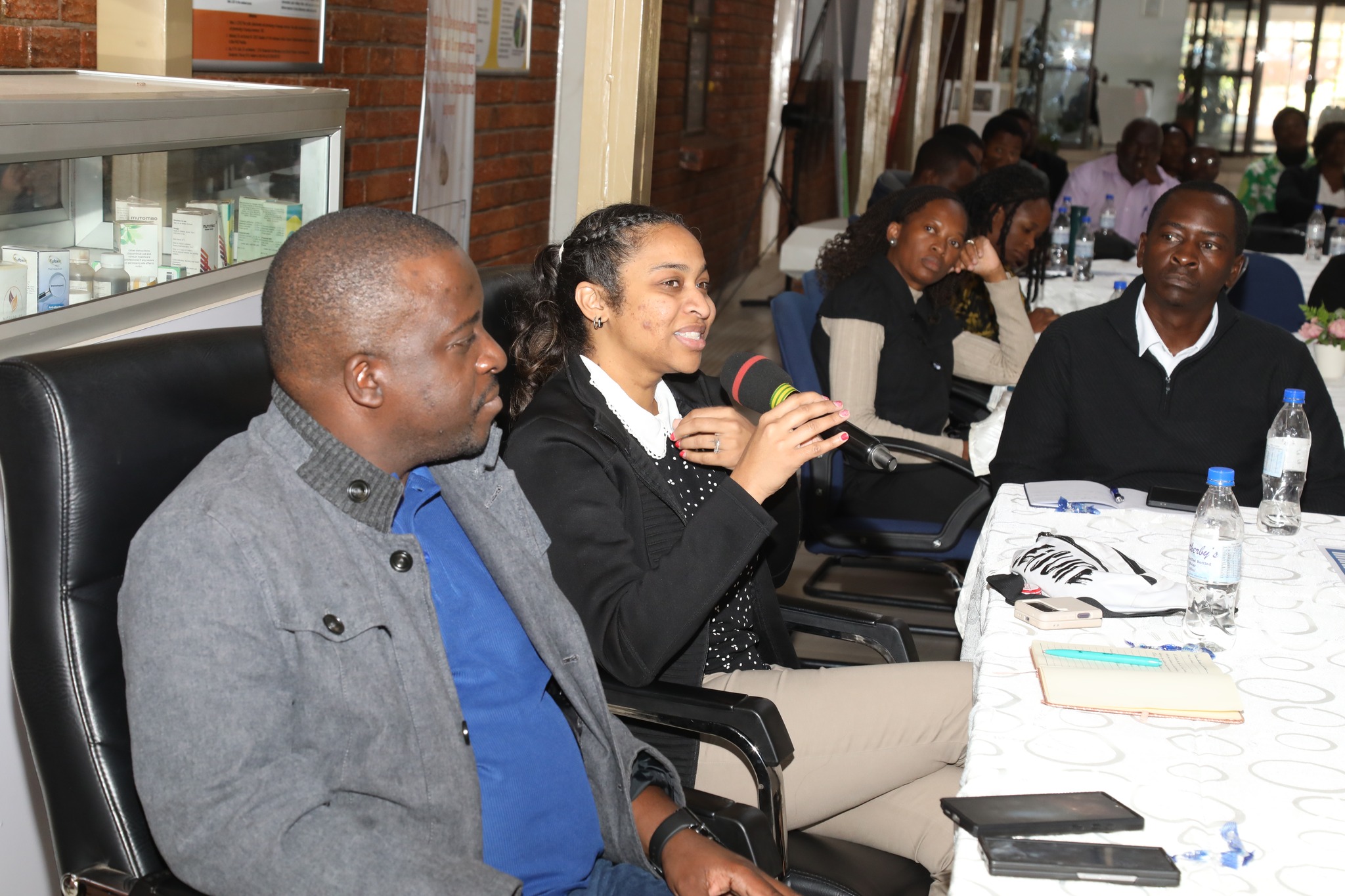
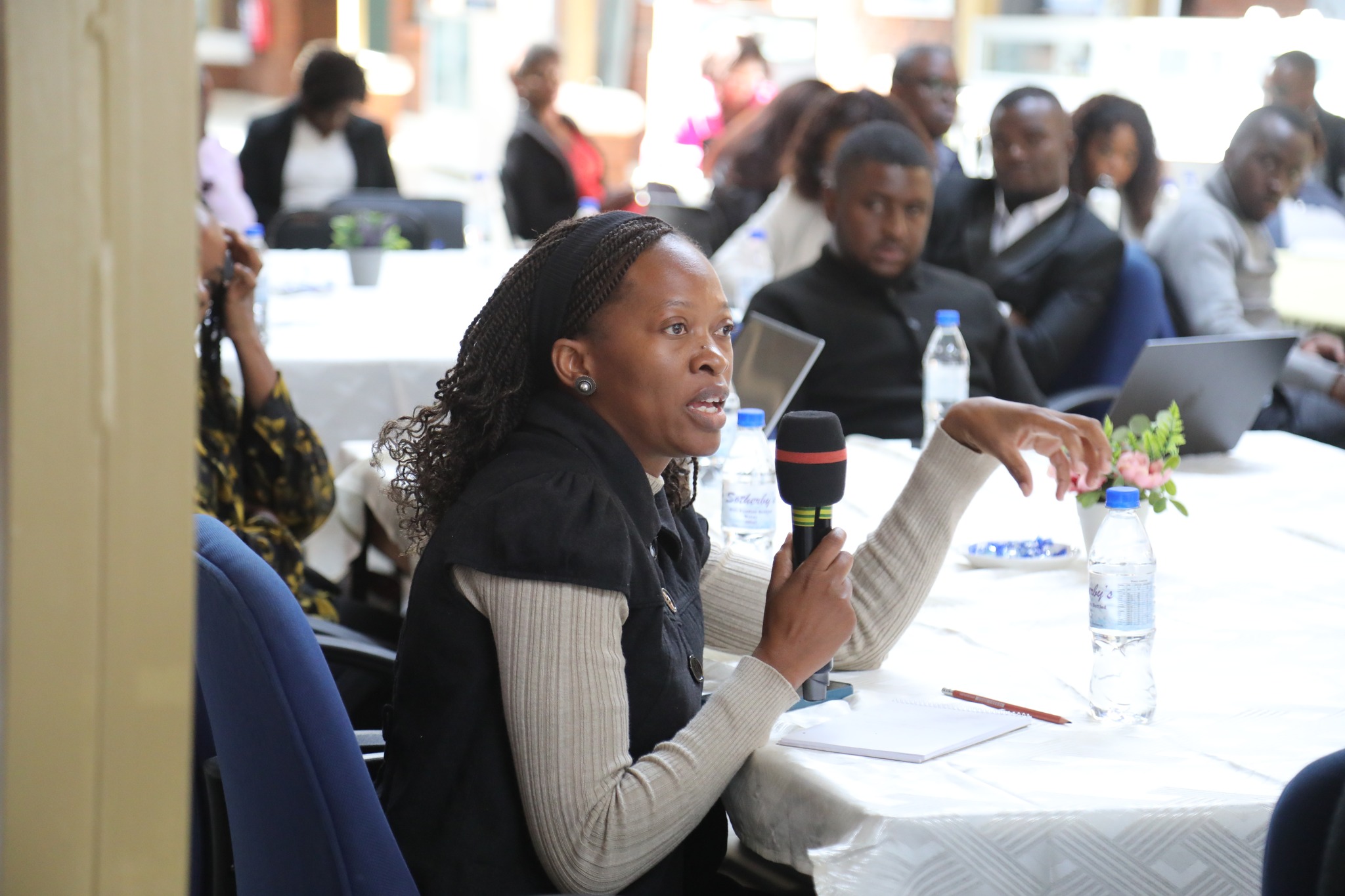
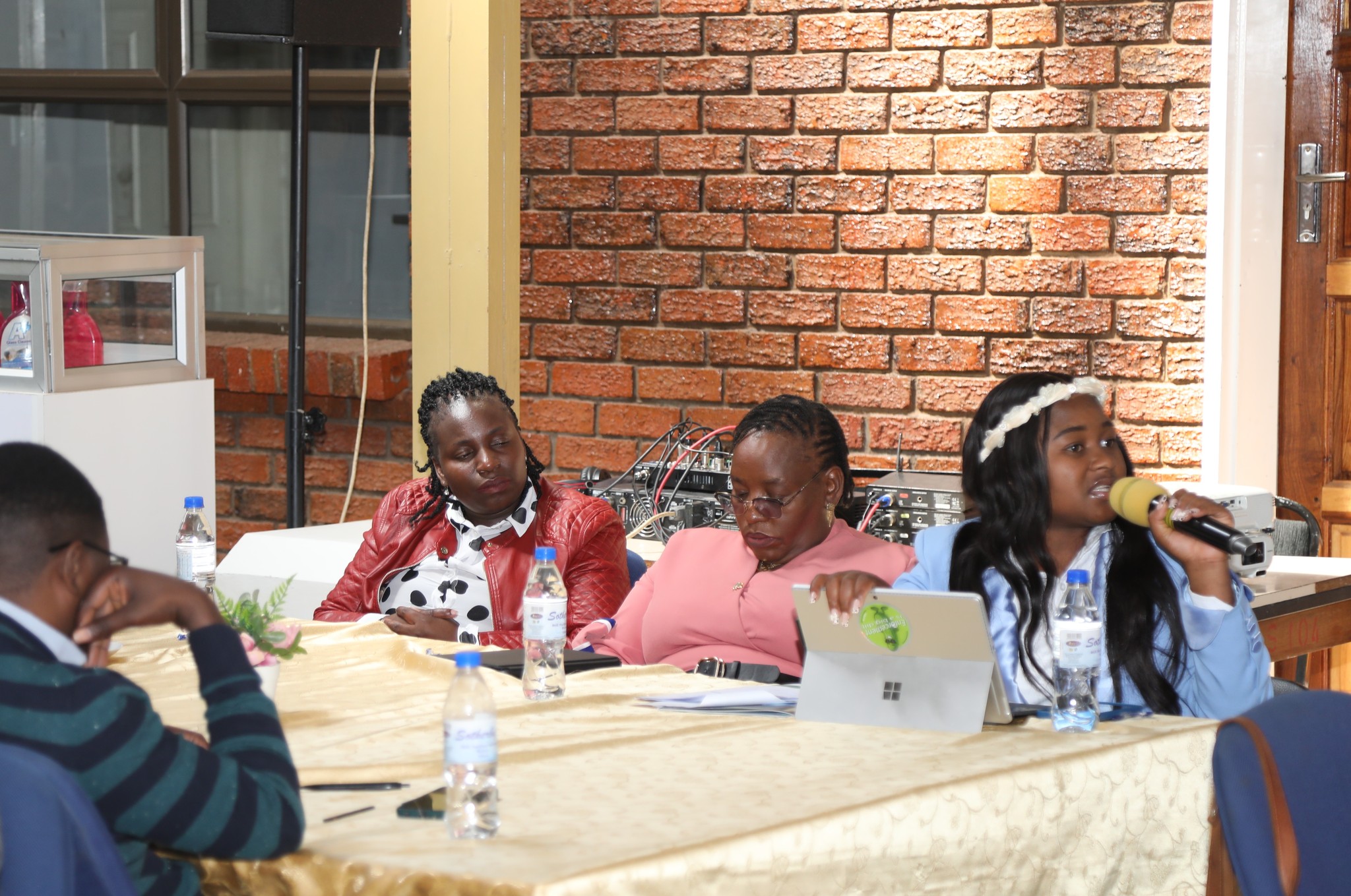
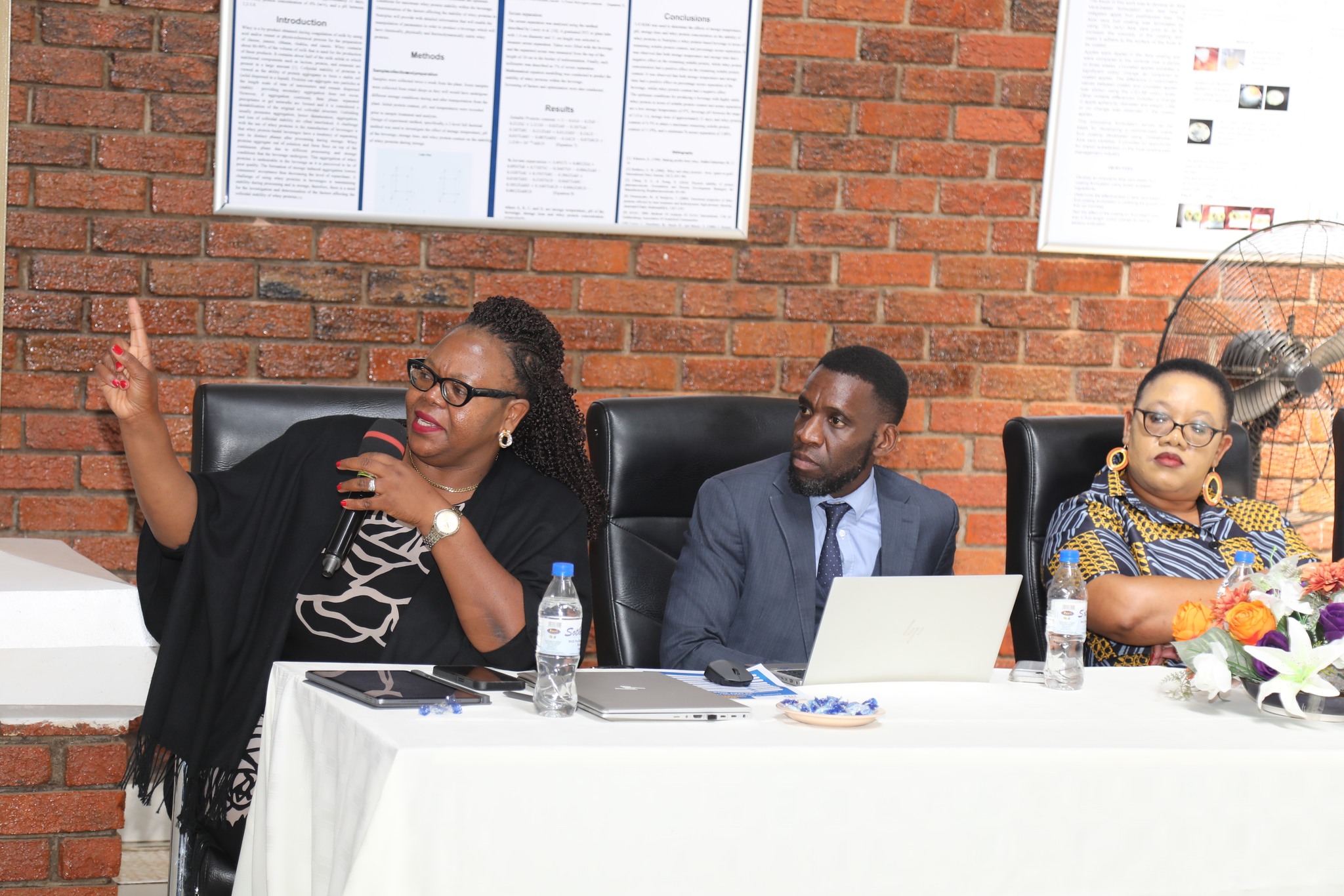
The Stakeholder Engagement Session and Open Forum provided delegates with an animated and unreserved opportunity to share their perspectives on skills needs, curriculum priorities, and the professional landscape for data protection practitioners in Zimbabwe. Contributions came thick and fast from the floor, from regulatory authorities reflecting on compliance challenges, to technology companies articulating the specific competencies they require in new hires, to academic peers offering comparative benchmarks from the region.
The session on New Programme Regulations, which followed the Open Forum, translated these rich conversations into structured academic discourse, with HIT academic staff presenting draft programme frameworks for stakeholder review and input. The collaborative spirit of the morning was evident throughout, with participants engaging thoughtfully and constructively in the shared mission of building a more digitally resilient Zimbabwe.
Closing Commitments and the Road Ahead
The morning closed with a session of commitments, in which key stakeholders and HIT leadership articulated their respective pledges towards the collaborative development and support of the proposed programme. The closing remarks celebrated the morning as a watershed moment for SIST and for Zimbabwe’s broader ICT education ecosystem, with the institution expressing deep gratitude to all delegates for their invaluable contributions.
As delegates departed into an extended networking session, exchanging business cards, forging new partnerships, and continuing conversations that the formal programme had only just begun, the mood at the Innovation Hub was one of unmistakable optimism. The School of Information Science and Technology had demonstrated, in the most tangible of ways, that HIT is not merely an institution of learning but a catalyst for national transformation.