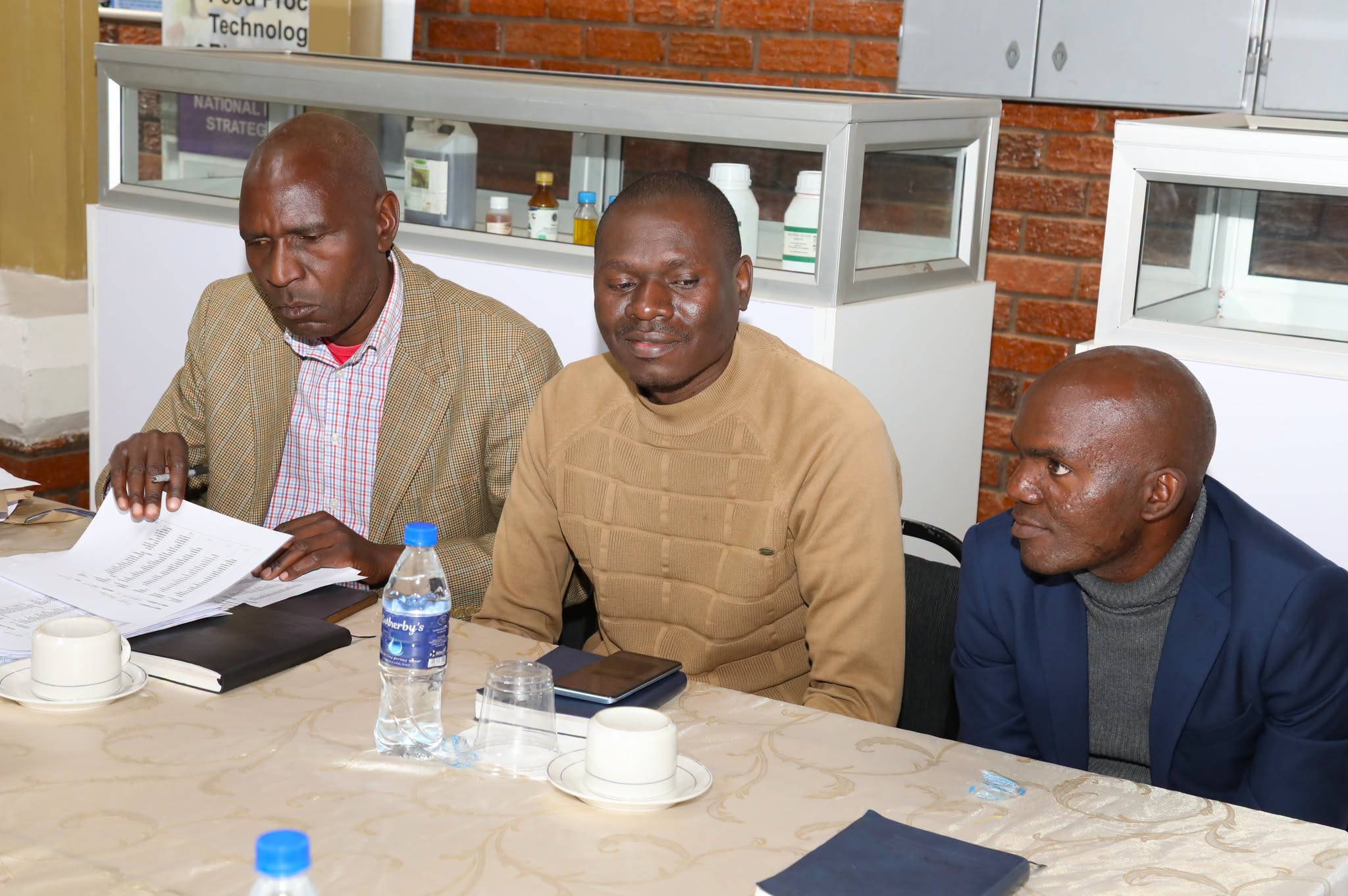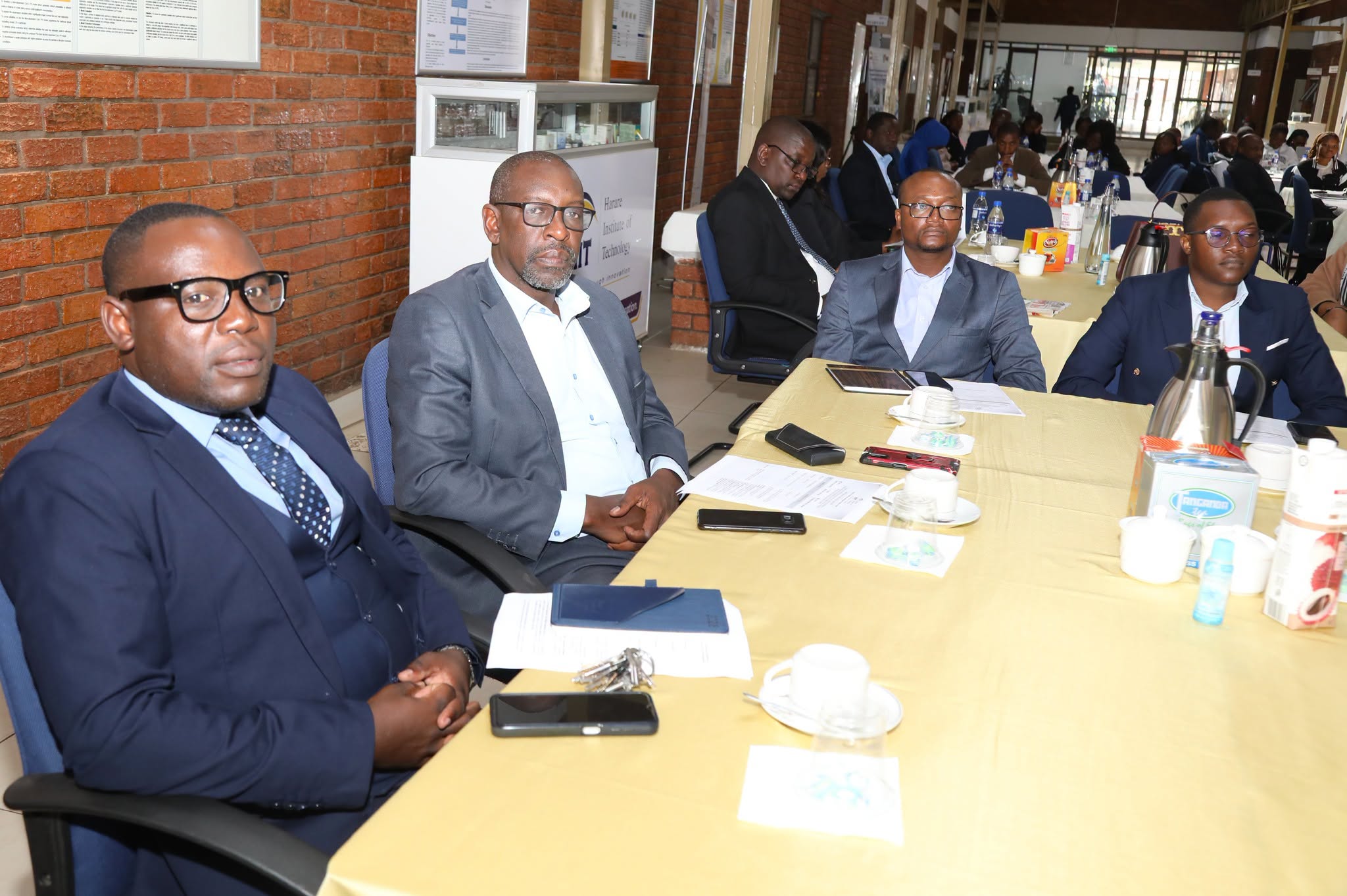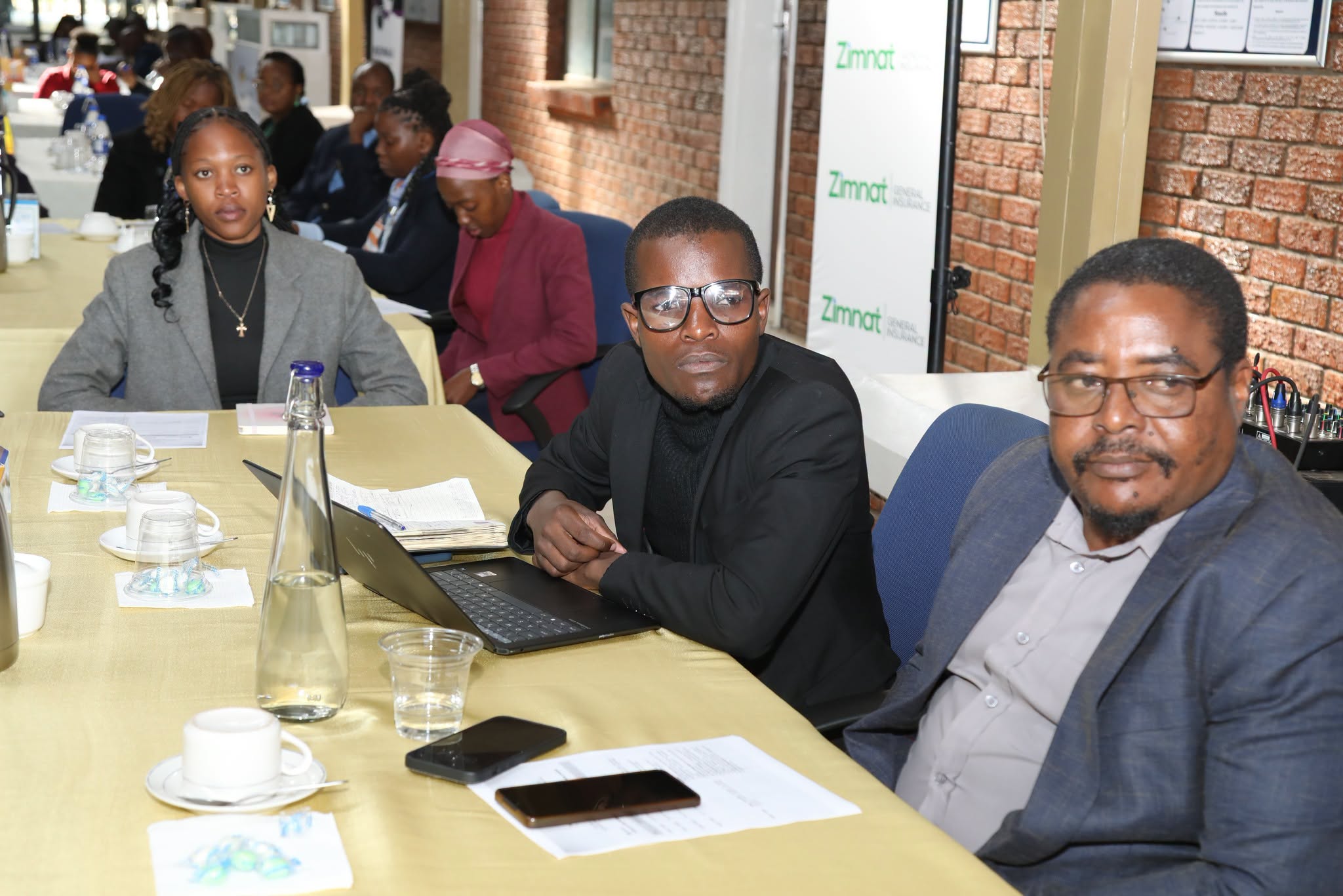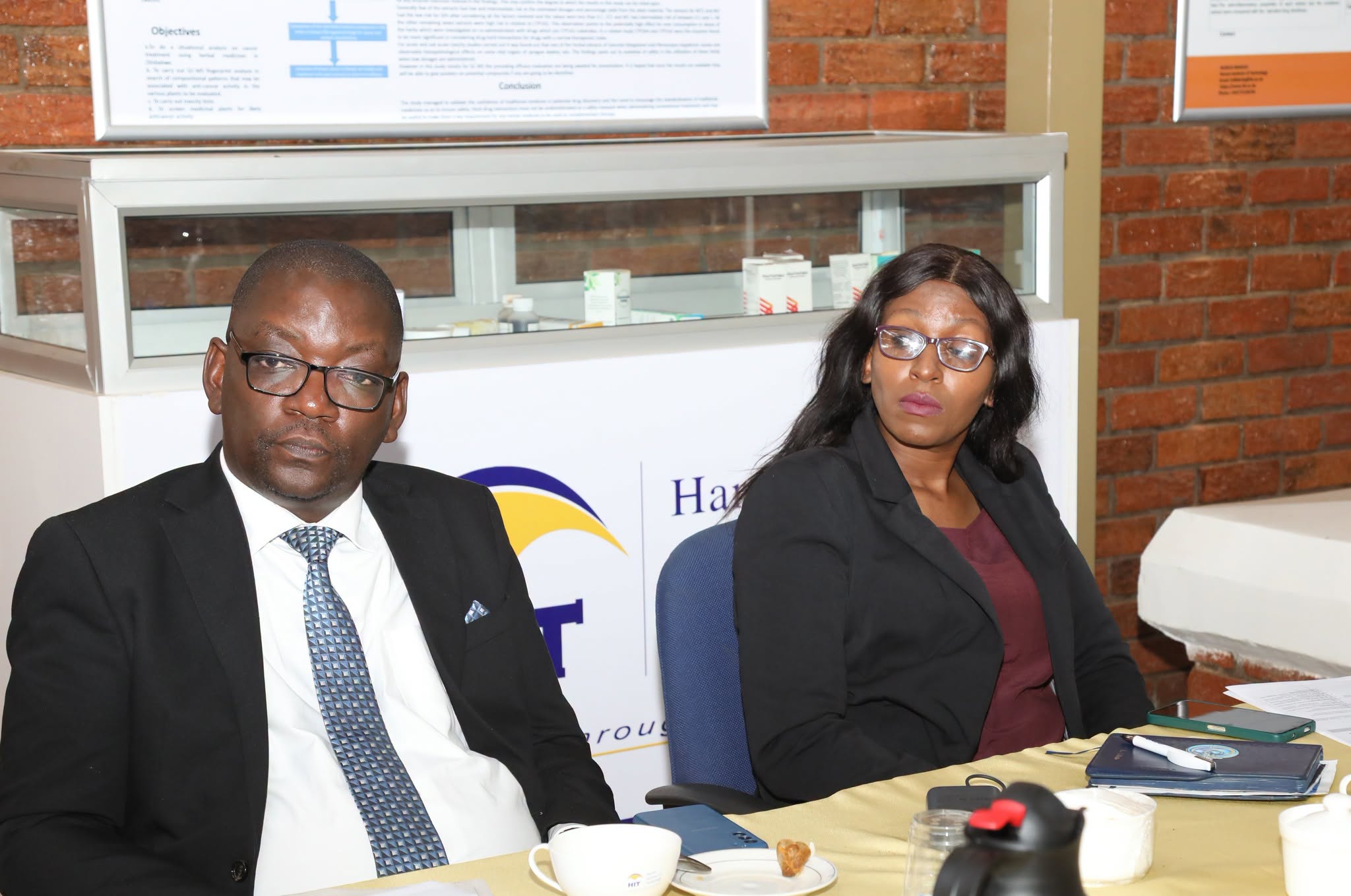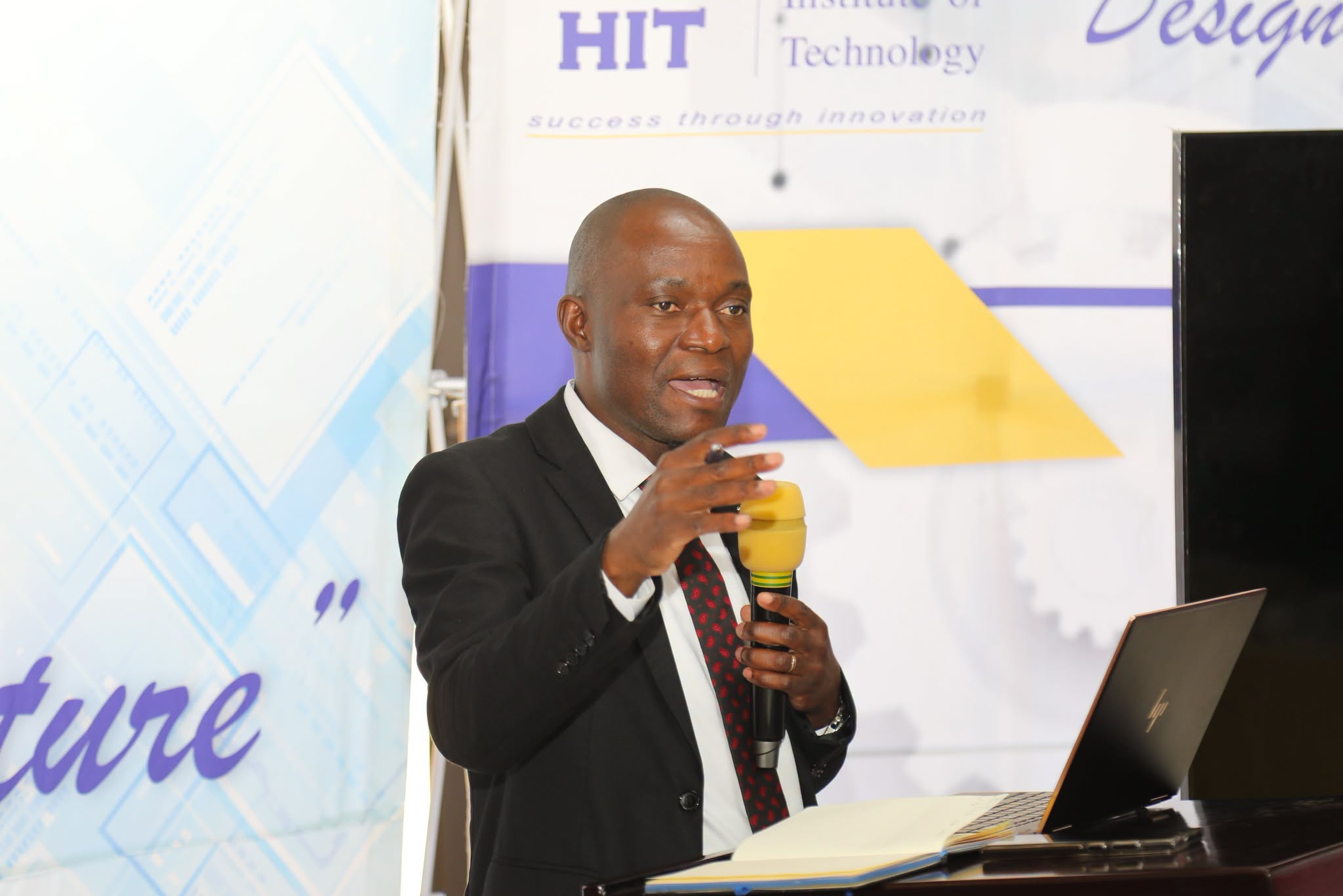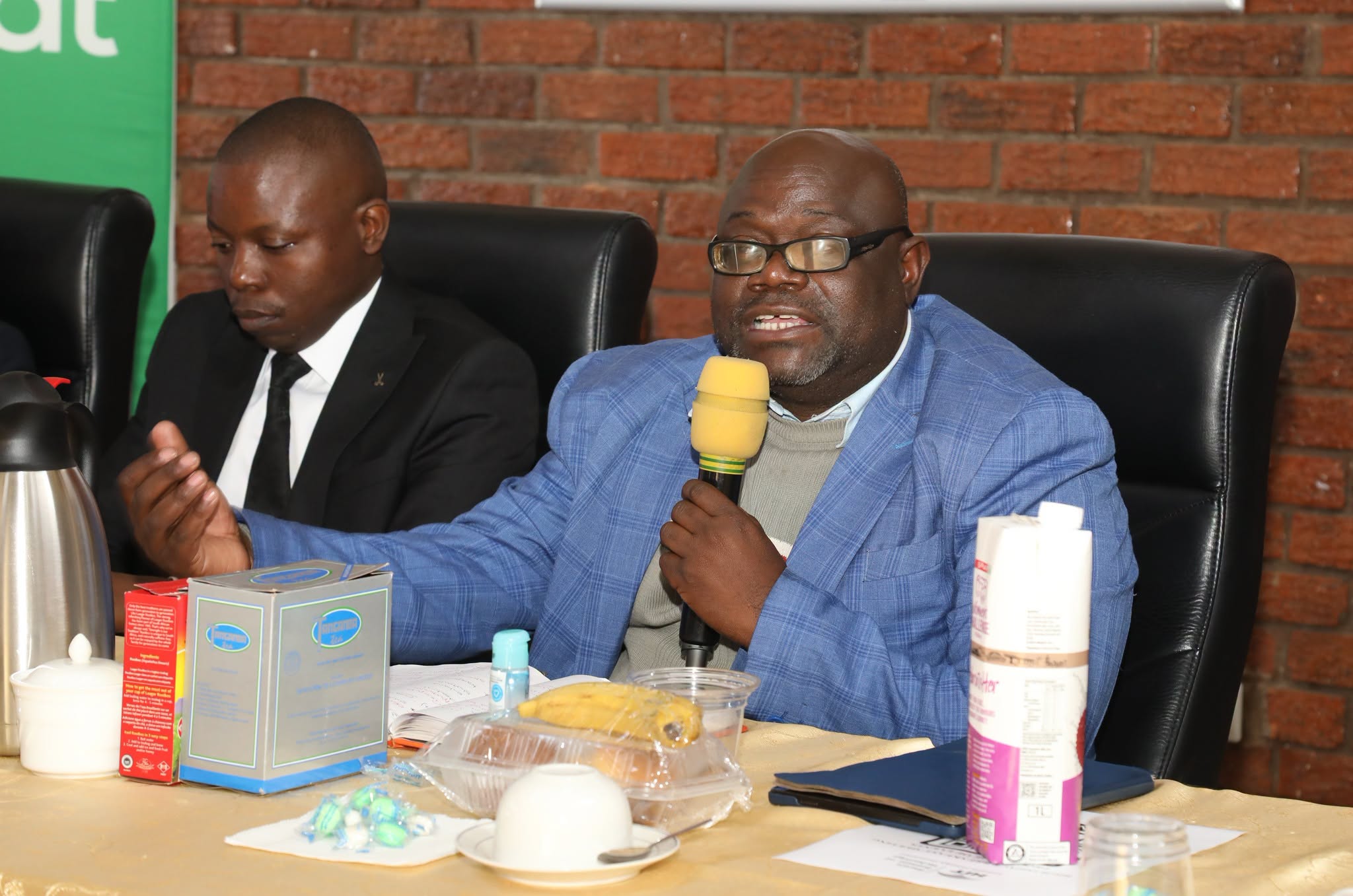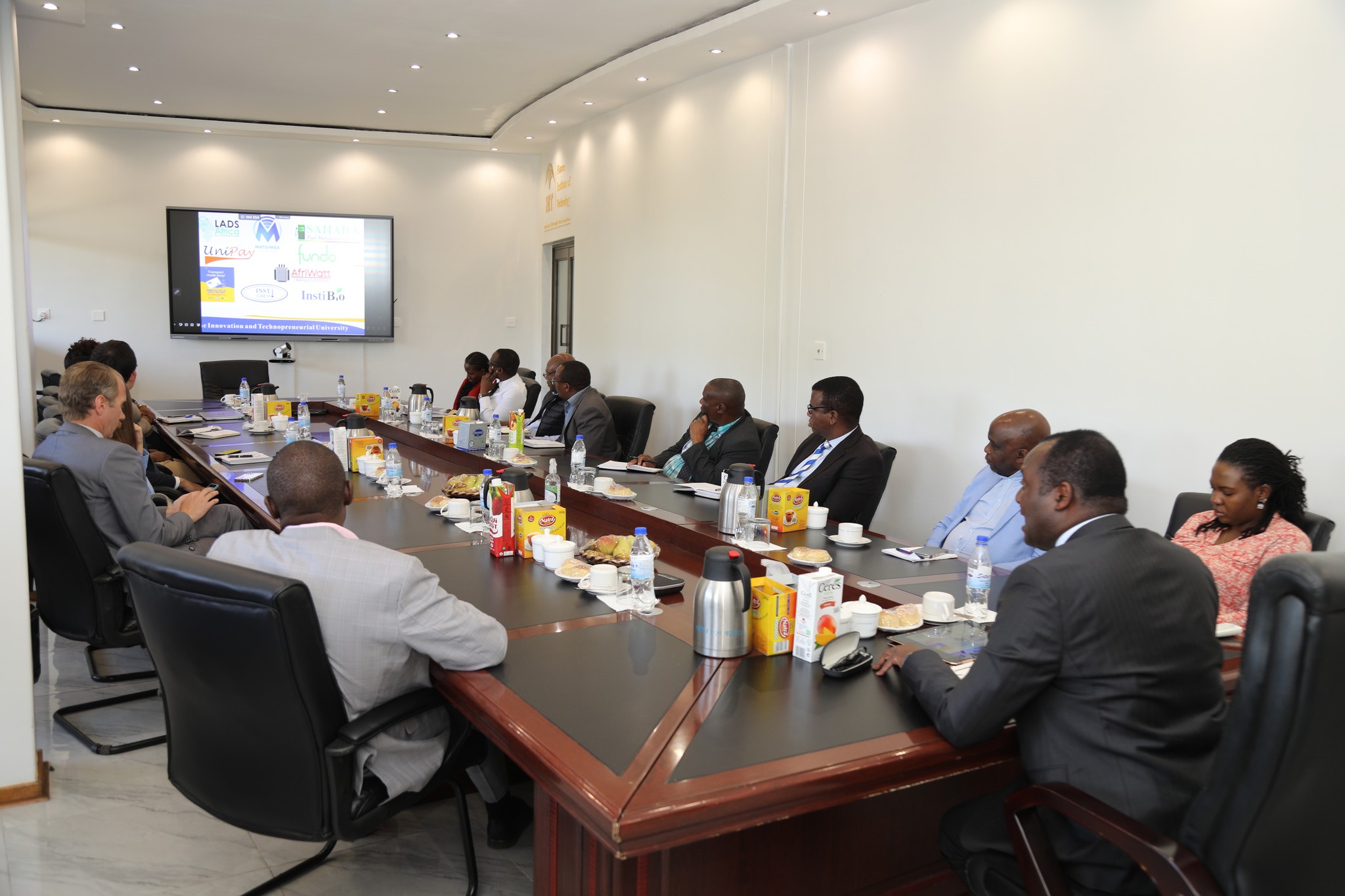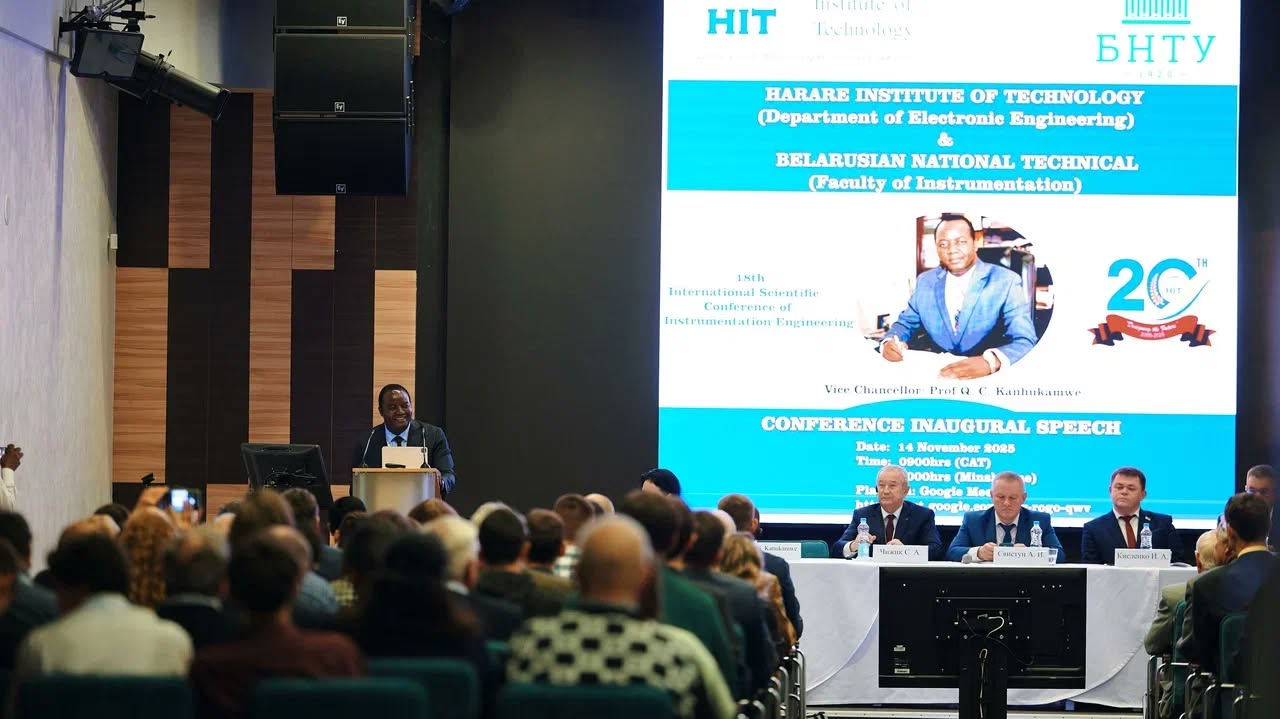

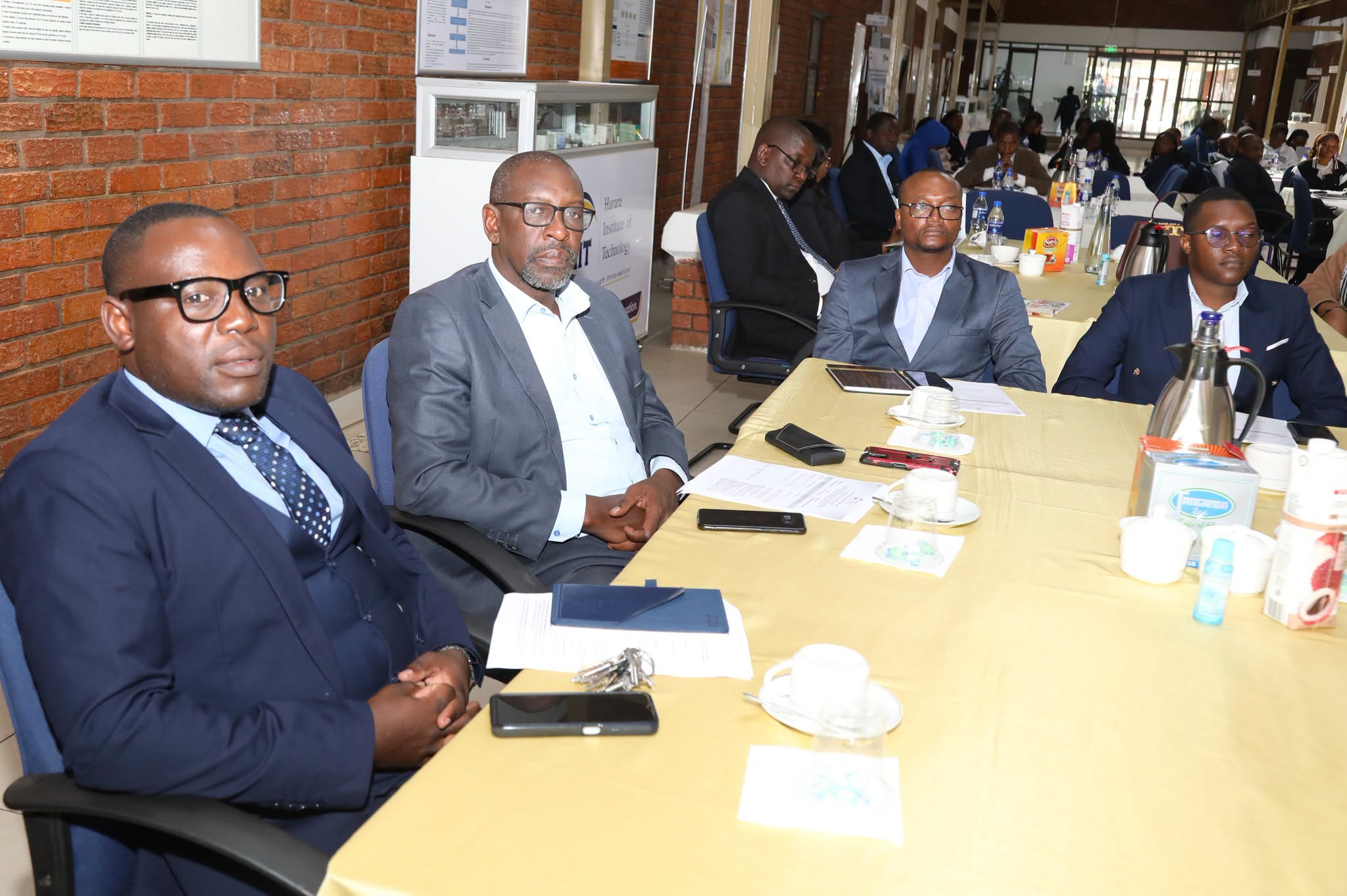
When the world shakes, the tremors don’t stop at any border. That was the unmistakable undercurrent running through the Harare Institute of Technology’s Innovation Hub on Thursday, 25 June 2026, as the School of Business and Management Sciences (SBMS) hosted its High Impact Breakfast Meeting under the theme “Global Dynamics, Local Realities: Building Economic & Business Resilience in Zimbabwe Amid Geopolitical, Economic, Technological and Environmental Change.”
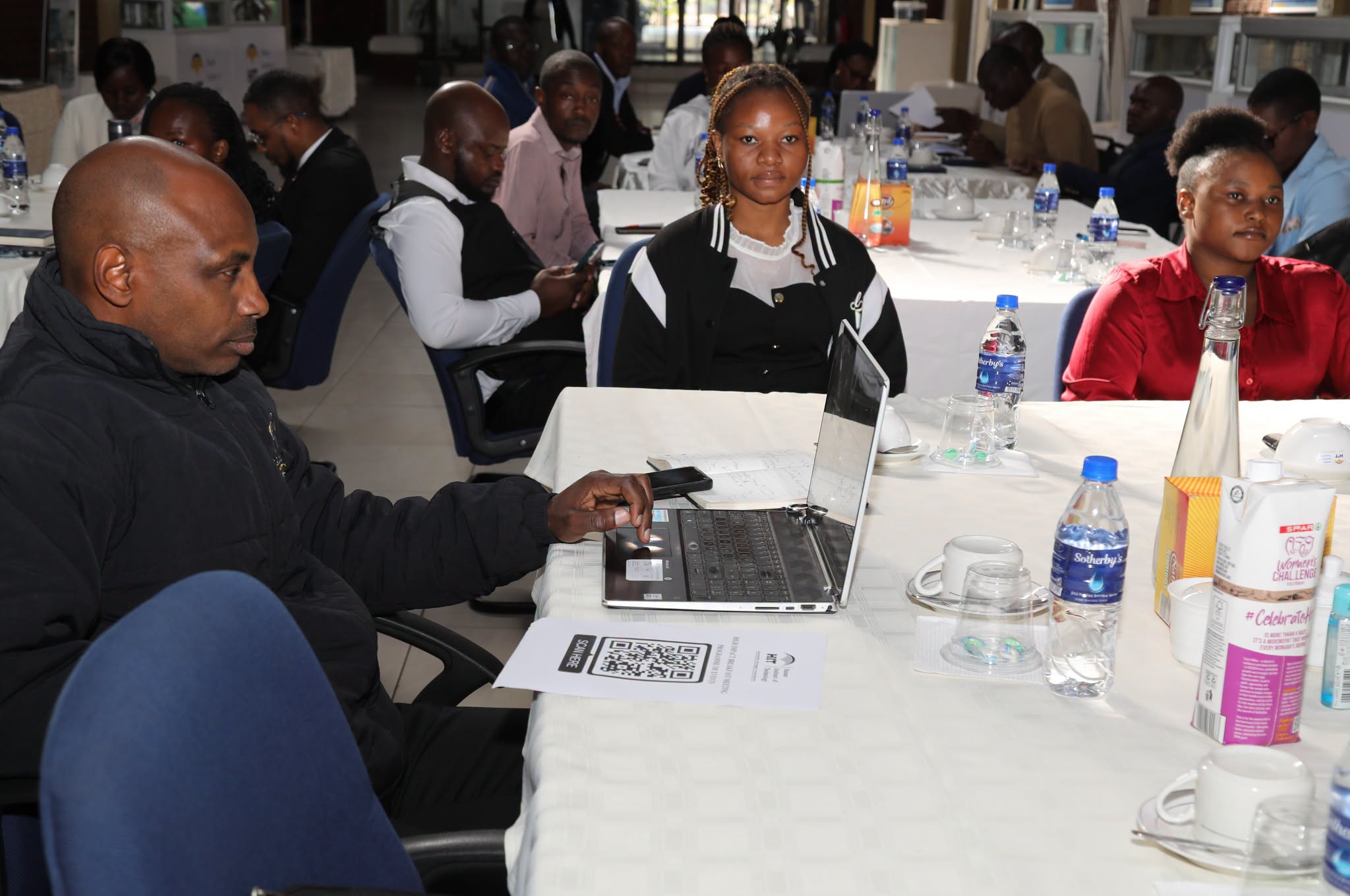
From 8 am, captains of industry, government representatives, bankers, risk advisors, academics, and media filed into the Innovation Hub for what was billed as a working breakfast, but quickly became something far weightier: a candid national reckoning with how exposed, or how prepared, Zimbabwe really is for a world in flux.
Setting the Tone: Why This Conversation, Why Now?
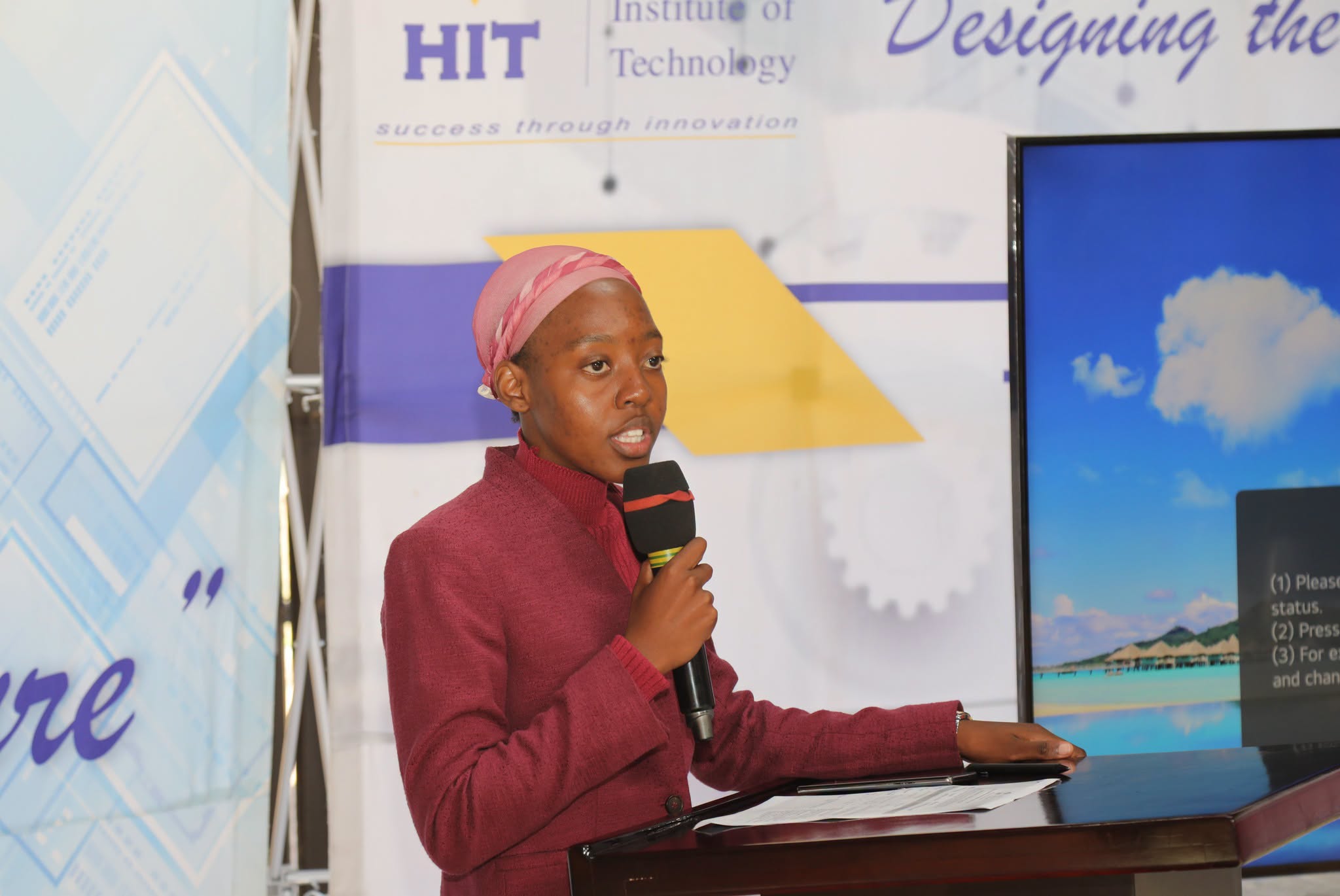
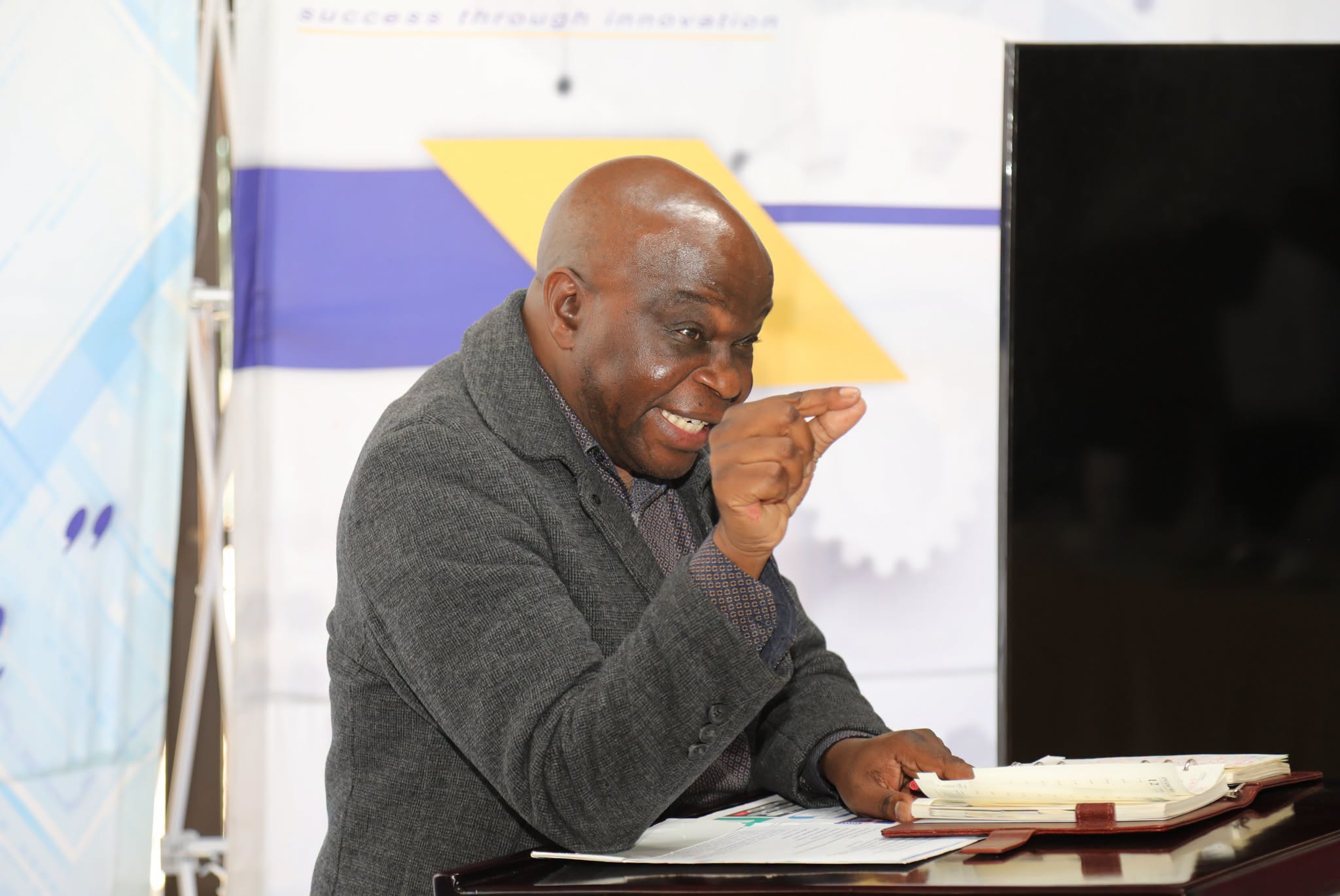
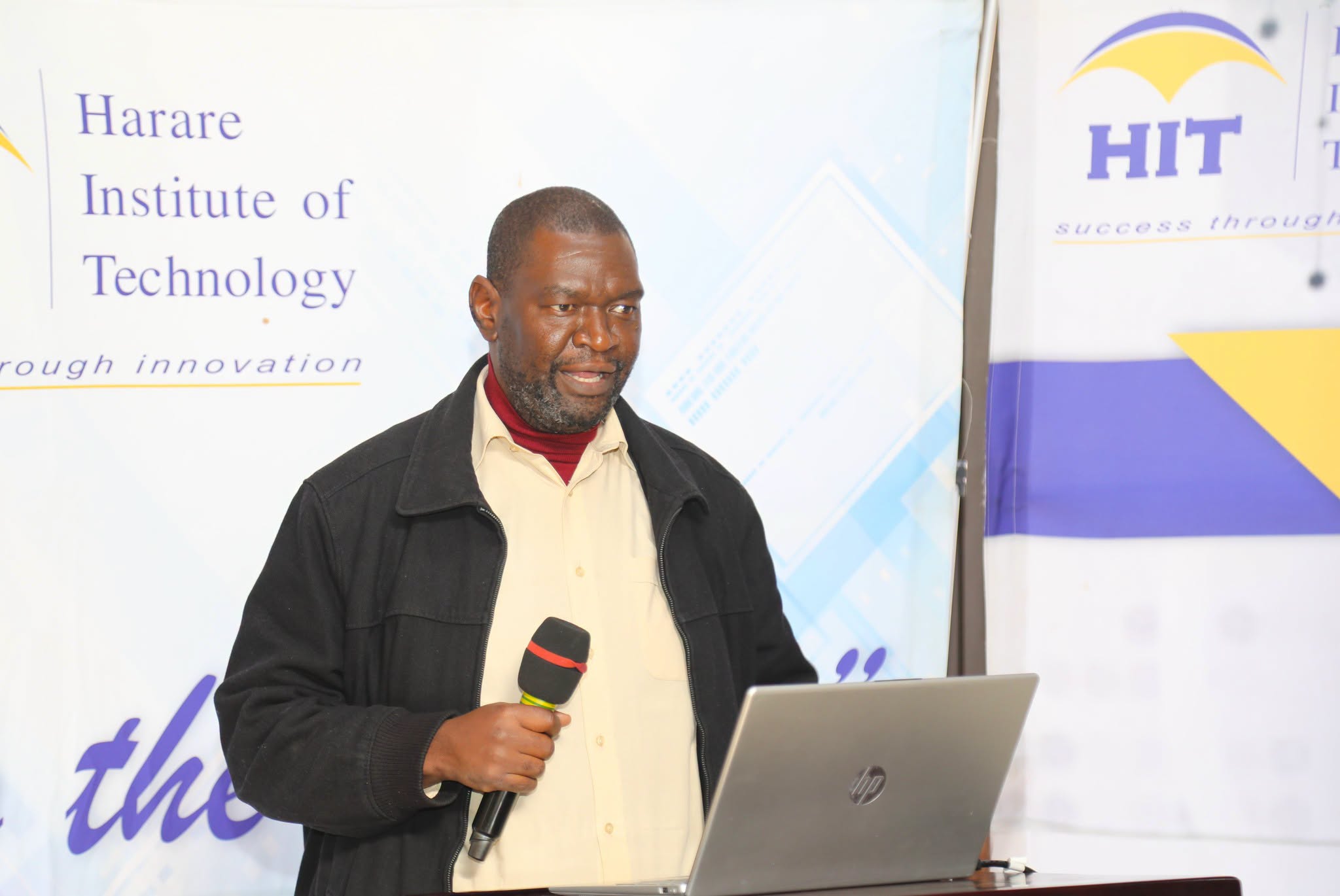
In his official opening remarks, Pro-Vice Chancellor (Academic Affairs) Mr Willard Gwarimbo framed the moment with characteristic clarity. Geopolitical tensions are reshaping trade and investment flows. Artificial intelligence and digital transformation are redefining how economies compete. Climate-related risk is testing the resilience of entire productive sectors. And global financial uncertainty is no longer a distant headline; it is a daily operating condition for Zimbabwean businesses.
His framing was simple but pointed: the question isn’t *whether* these forces will reach Zimbabwe’s shores. They already have. The real question is whether the country is prepared to respond, adapt, and, more ambitiously, convert disruption into advantage.
He reminded the room that universities, HIT included, carry a responsibility well beyond lecture halls and research papers. Anchored in the Heritage-Based Education 5.0 philosophy, HIT positioned itself not as a passive observer of these global shifts but as an active convenor of partnerships, evidence, and the thought leadership the moment demands.
The Dean’s Address: Resilience as Institutional DNA
The Dean of SBMS picked up that thread with a sweep through history that put today’s anxieties into sharp perspective. Pandemics, wars, natural disasters, and disease outbreaks have all left their mark on economies before. Resilience, the Dean argued, isn’t a buzzword for a panel discussion; it is etched into institutional DNA, including HIT’s own.
That claim was backed by substance. The Dean walked the audience through HIT’s mandate: to develop, incubate, transfer, and commercialise technology for the country’s rapid industrialisation, anchored by the institution’s strategic pillars: Heritage-Based Education 5.0, the HIT Strategic Plan 2026–2030, National Vision 2030, and the National Development Strategy 2.
Two milestones stood out as proof points rather than aspirations. First, HIT’s Financial Engineering department has become a formally recognised affiliate academic partner of the CFA Institute, a partnership expected to lift the programme’s global standing and unlock scholarship opportunities for students every two years. Second, and perhaps more strikingly, HIT emerged the overall winner of the Securities and Exchange Commission of Zimbabwe’s competition to design a Prudential Risk-Based Supervision System, walking away with USD 10,000, and finished runner-up in the Anti-Money Laundering Risk-Based Supervision category for a further USD 5,000. These weren’t classroom exercises; they were practical, technology-driven solutions built to meet real regulatory and supervisory needs.
The message landed: a university doesn’t just talk about resilience. It builds the tools that make resilience possible.
The Keynote: From Uncertainty to a Future-Ready Economy
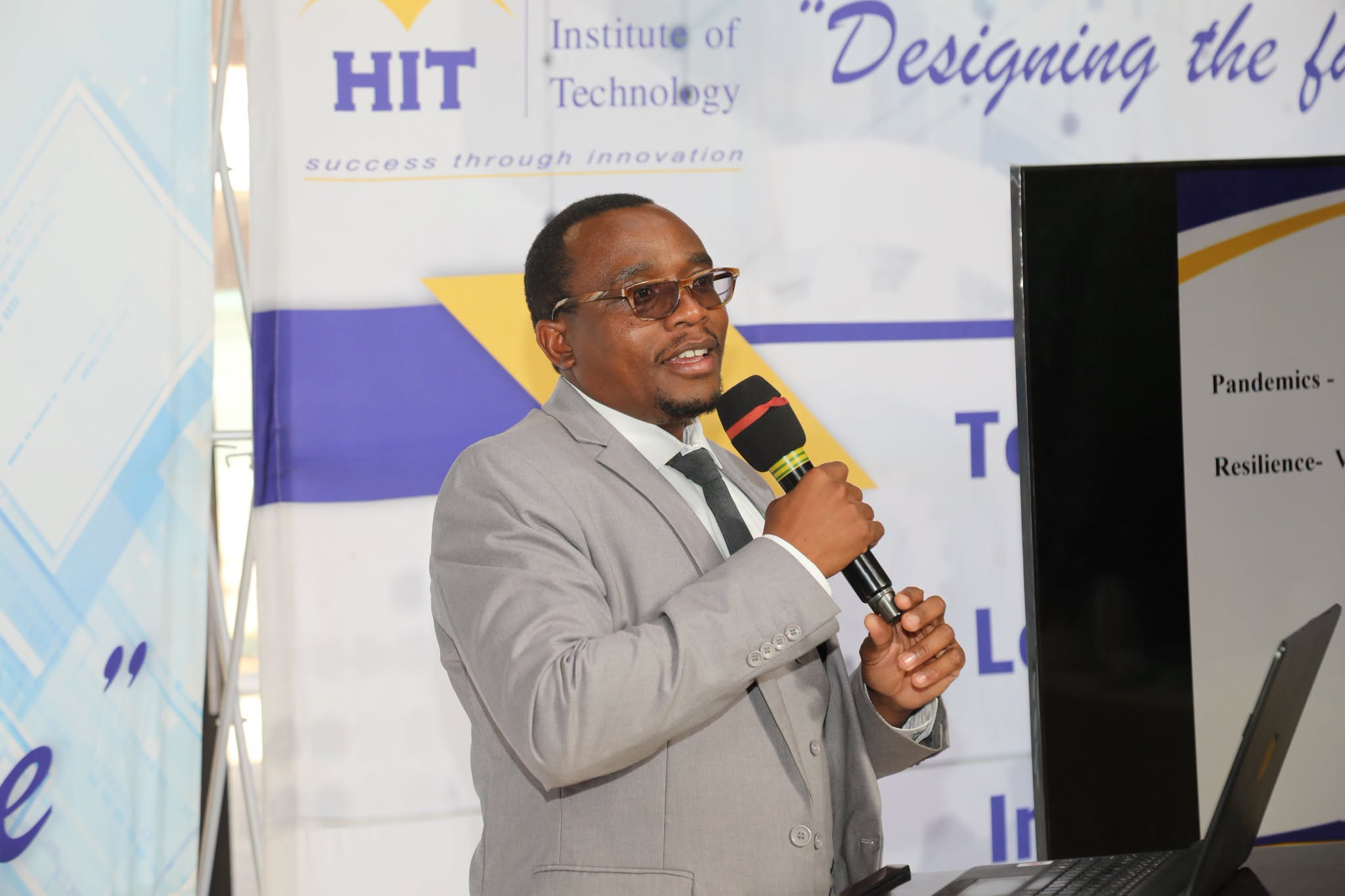
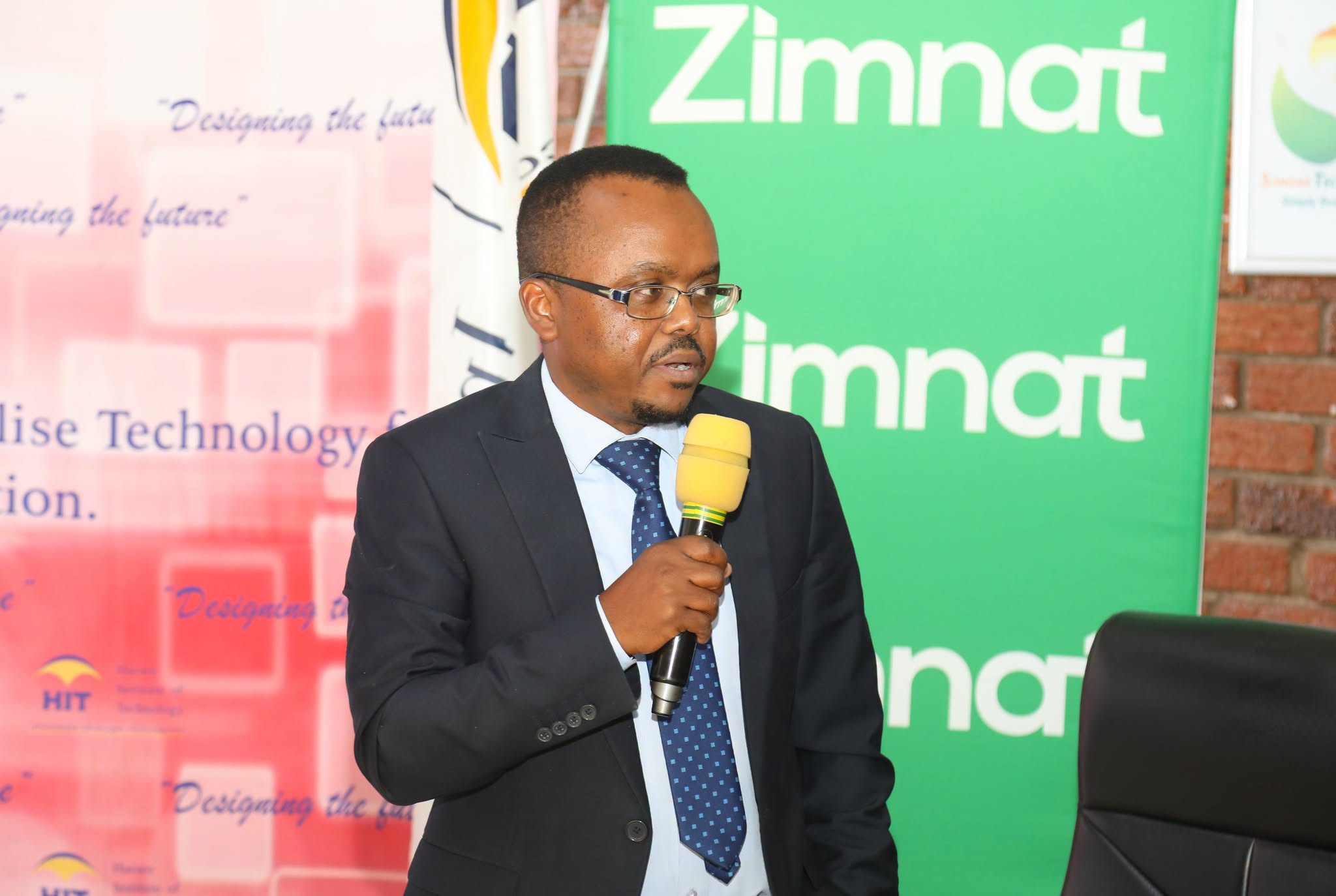
Setting the intellectual stage for the morning’s centrepiece discussion, Mrs Hazel Nyamuba, Chief Executive Officer of Zimnat General Insurance, delivered the keynote address: “From Uncertainty to Resilience: Navigating Global Dynamics and Building Zimbabwe’s Future-Ready Economy.” Drawing on her vantage point at the intersection of risk and insurance, she set up the deeper provocation that would carry through the panel: that businesses too often treat risk management as a reactive safety net, when it needs to become a proactive, strategic discipline.
The Panel: Six Voices, One Underlying Question
The heart of the morning was the panel discussion, “Strategies for Building Business & Economic Resilience Amid Global Instability,” ably moderated by Mr Kudzanai Sharara, Head of Business Hub & Events at Zimpapers. Six panellists, each speaking from a distinct vantage point, converged on a single underlying question: how does Zimbabwe move from simply absorbing global shocks to strategically positioning itself within them?
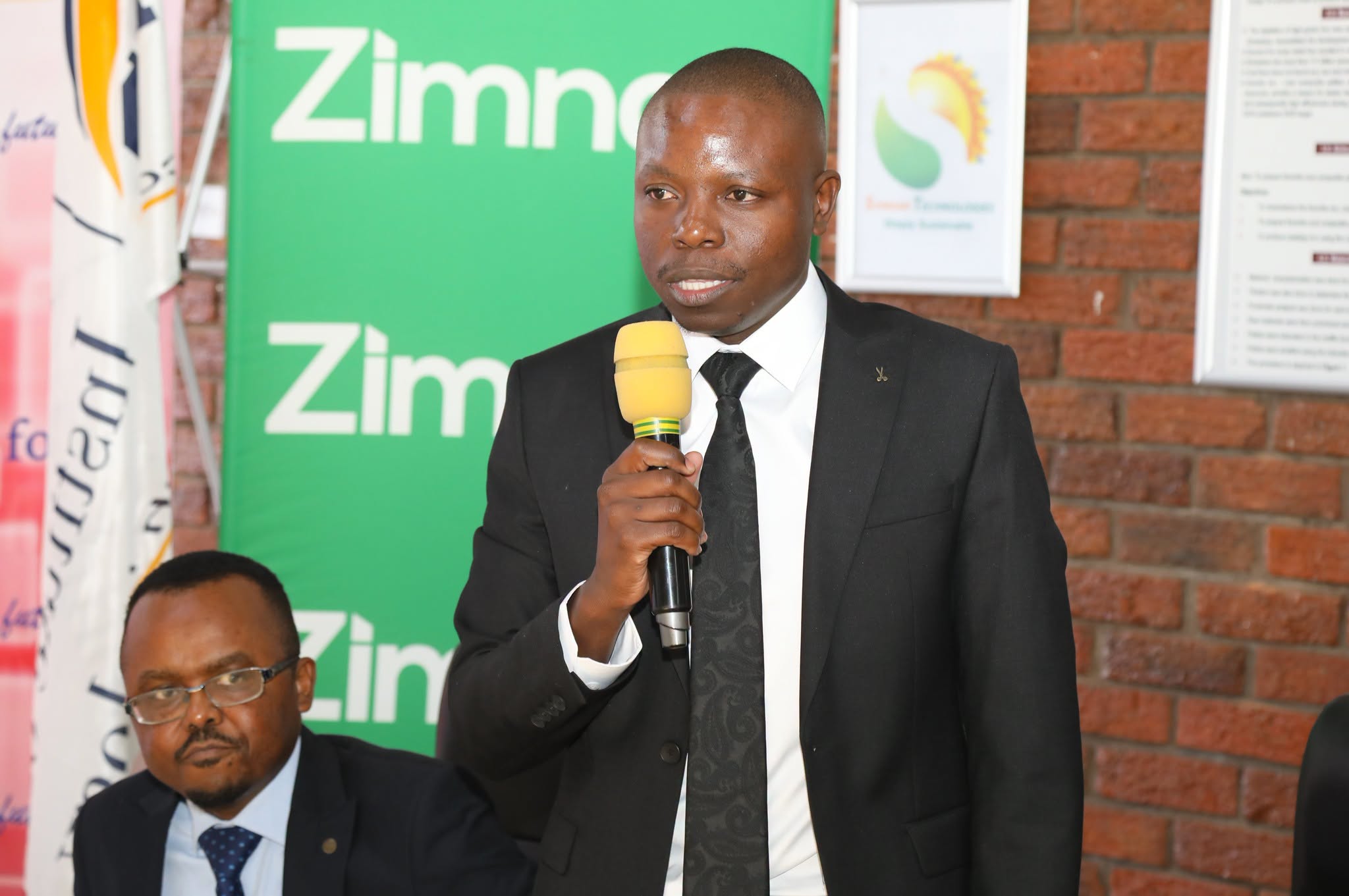
Mr David Chisunga, Chairperson of HIT’s Forensic Accounting and Auditing Department, opened the governance lens, warning that economic uncertainty creates fertile ground for fraud and weak controls, and making the case for forensic accounting and data analytics as frontline defences for organisational value.
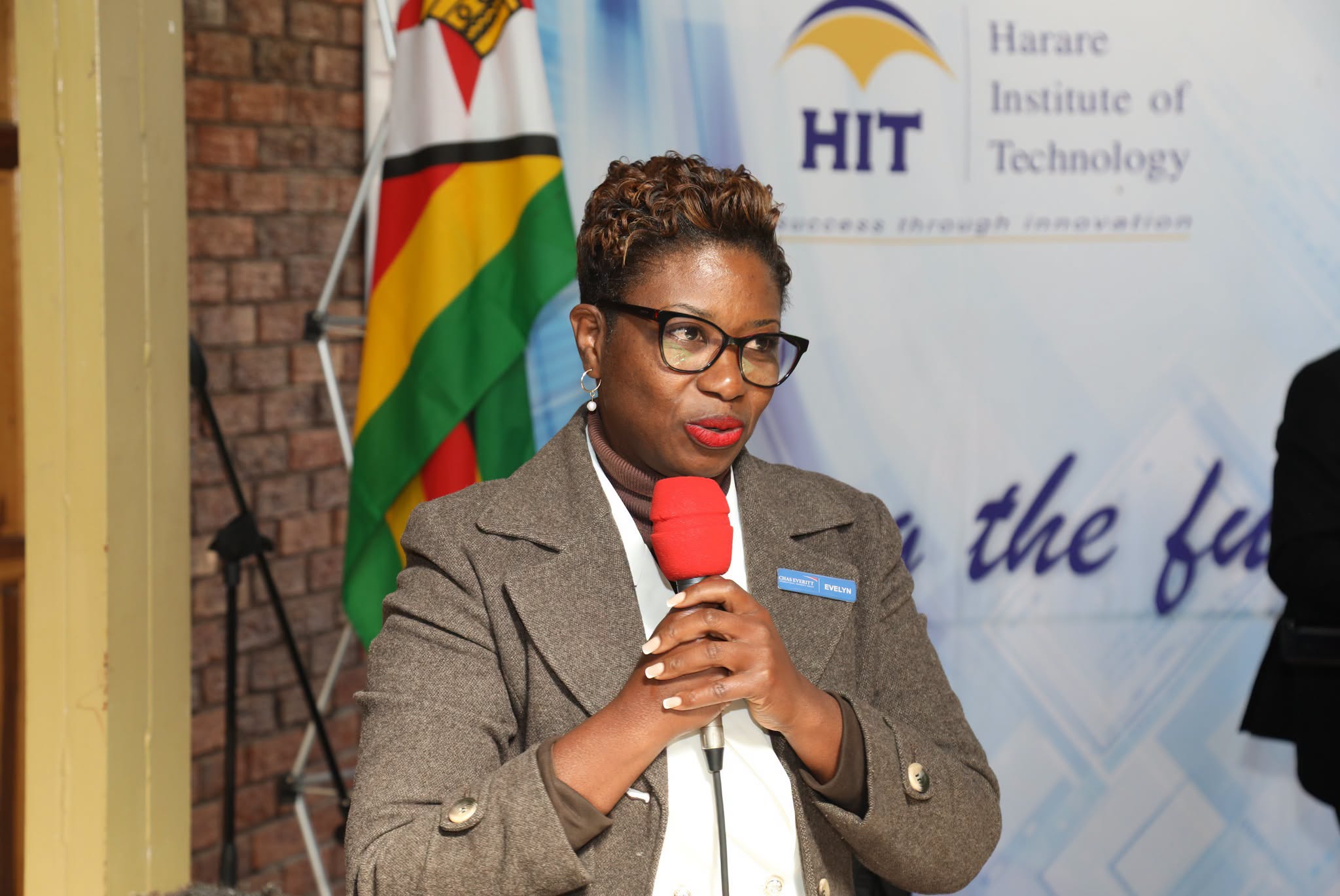
Mrs Fadzai E. Mbundire, Founder and CEO of Chas Everitt International, turned the room’s attention to real estate and the built environment, a sector quietly absorbing the shockwaves of construction-cost inflation, climate vulnerability, and the global pivot to green building standards, even as it remains a strategic lever for national economic transformation.
Mr Owen A. Namusi of Intellego Investment Consultants pressed the case for risk management as a competitive advantage rather than a compliance checkbox, urging boards to treat geopolitical risk as a standing item on the strategic agenda rather than an afterthought.
Mr Tatenda Maswedza, speaking to strategy and capital markets, widened the lens further still, describing a global economic architecture being reshaped by geopolitical rivalry and shifting capital flows, and making the case that Zimbabwe’s mineral wealth, digital economy, and regional positioning could turn global uncertainty into a genuine investment opportunity, provided the country gets its strategic choices right.
Mr Dingilizwe Nkomo, Chairperson of HIT’s Financial Engineering Department, closed the circle by bringing the conversation back to artificial intelligence and economic forecasting, and to the role universities themselves must play in equipping graduates — and the nation, with the analytical tools to navigate what comes next.
What emerged wasn’t a checklist of generic resilience advice. It was a layered, sector-by-sector diagnosis of where Zimbabwe is exposed, and where deliberate, coordinated action could convert vulnerability into strength.
Partnerships Made Tangible
True to the spirit of collaboration that animated the morning, the event closed its formal proceedings with a Memorandum of Understanding signing ceremony between SBMS and partner organisations, a concrete reminder that the value of dialogues like this one isn’t measured only in the quality of the conversation, but in the institutional commitments that outlast it.
Closing the Loop
In his synthesis of the morning’s discussions, rapporteur Mr Kudzanai Sharara distilled hours of rich exchange into key takeaways for stakeholders to carry forward. And in the Vote of Thanks, Mr Joshua Simuka of HIT’s Postgraduate Unit of Strategy and Innovation captured the spirit of the morning succinctly: the value of such a gathering lies not only in what is said from the podium, but in the networks, partnerships, and collective wisdom that take root around the breakfast table.
The Bigger Picture
Zimbabwe’s road to 2030 will not be shaped by domestic factors alone. Interest rate decisions in Washington, supply chain disruptions in Asia, AI breakthroughs in Silicon Valley, and climate patterns across the Southern African region will all leave their fingerprints on local balance sheets and livelihoods. What Thursday’s breakfast meeting made clear is that resilience isn’t a passive hope; it is a strategic discipline that must be built deliberately, across governance, finance, technology, and policy, with universities like HIT playing an active role as both knowledge generators and conveners of the conversation.
As the Pro-Vice Chancellor put it in his opening remarks: nations and institutions that succeed aren’t necessarily those with the greatest resources, but those with the greatest capacity to adapt, innovate, and collaborate. Thursday’s gathering at the HIT Innovation Hub was, in its own modest way, a demonstration of exactly that capacity in action.