

There’s a particular kind of pride that comes from watching someone carry your name well onto a stage you’ll never stand on yourself. That’s the feeling rippling through the Harare Institute of Technology right now, because one of its own has just been handed a seat at one of the biggest tables in global higher education.
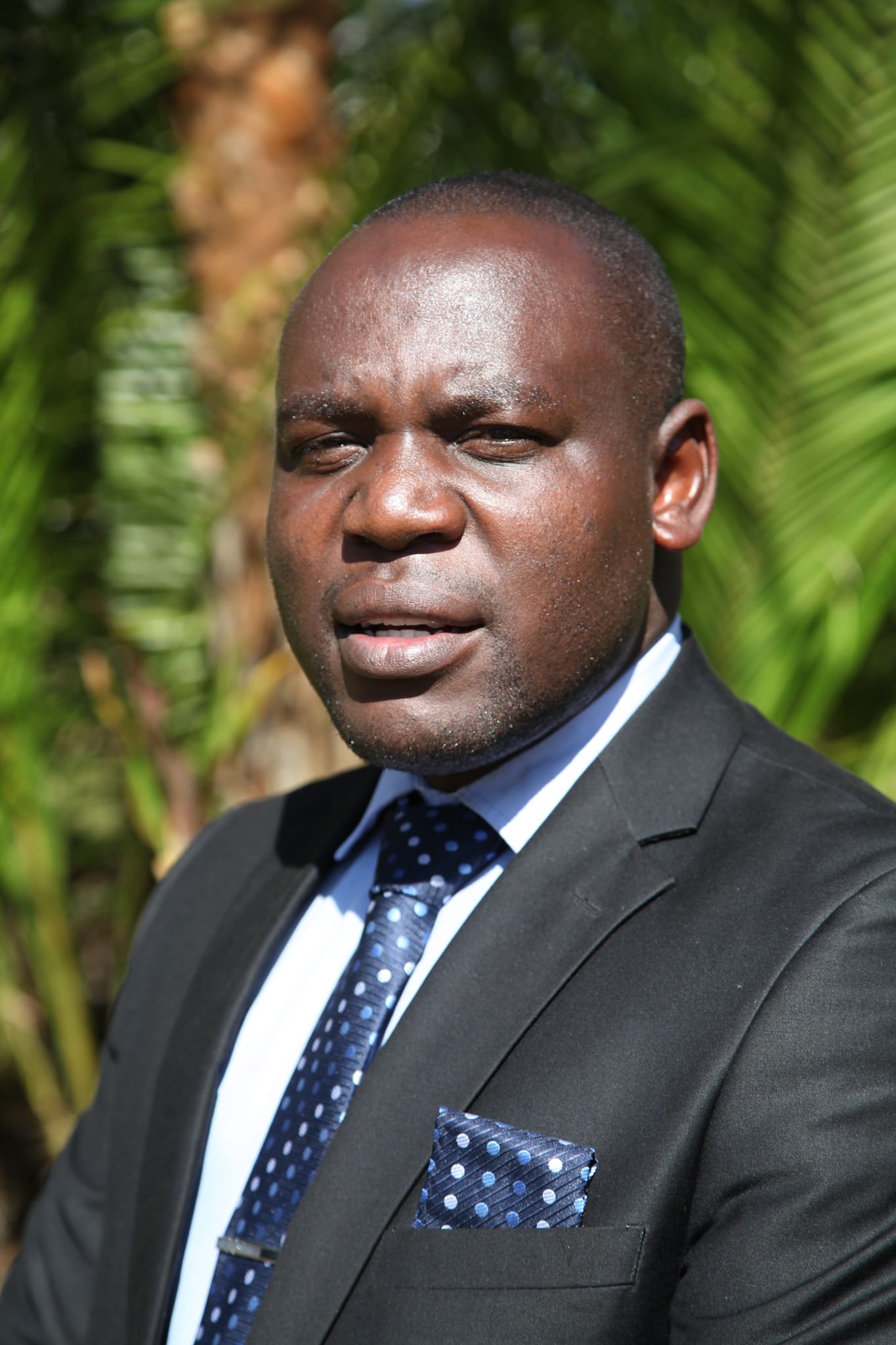
Joshua Simuka, a Research Fellow in HIT’s Postgraduate Unit of Strategy and Innovation, has been appointed a judge for the 2026 Reimagine Education Awards, the international awards programme run by QS Quacquarelli Symonds that has, for years, functioned as something like the Oscars of educational innovation. Universities, EdTech companies, governments, and research institutions from every continent submit their boldest ideas. A relatively small panel of judges decides which of those ideas deserve the spotlight.
Joshua is now one of them.
Not Just a Title – But a Responsibility
It’s easy to read “awards judge” and picture a ceremonial role, a name on a programme. It isn’t that. The Reimagine Education Awards evaluate real, working innovations across two major categories: the Global Education Award, which honours institutions pushing the boundaries of teaching, research and student success, and the Global Enterprise Award, which recognises organisations using technology and partnerships to scale access to quality education. Judges sit with submissions that span AI-driven classrooms, sustainability-linked curricula, and entrepreneurship ecosystems from Nairobi to New Delhi to New York, and they decide what “excellence” actually looks like this year.
That’s the room Joshua has been invited into.
Why This Matters Beyond One CV
It would be easy to file this under “well-deserved individual recognition” and move on. But that undersells what’s actually happening here. Every time a Zimbabwean scholar is trusted to judge, rather than simply submit, it shifts something in the global conversation. It says African universities aren’t only case studies to be evaluated by the rest of the world; they’re increasingly the ones holding the pen.
Joshua’s own research, spanning innovation ecosystems, technology commercialisation, university rankings, digital transformation, and sustainable development, has always circled one central question: how do universities become genuine engines of national development while still competing globally? That question doesn’t stay theoretical when you’re sitting on a judging panel. It becomes practical, immediate, comparative. He’s now positioned to see, up close, what the world’s leading institutions are trying, what’s working, and what isn’t, and to bring that intelligence straight back to HIT.
As he put it himself:
“Educational innovation has the power to transform lives, strengthen economies, and solve some of society’s greatest challenges. Being entrusted to evaluate world-class innovations provides an opportunity not only to contribute to global higher education but also to bring valuable insights back to Zimbabwe and the Harare Institute of Technology. It reinforces the importance of ensuring that African universities actively participate in shaping the future of global education rather than simply responding to it.”
That last line is worth sitting with: participate in shaping, rather than simply responding to. It’s a quiet but firm statement of intent, and it fits squarely into HIT’s own ambition to be a globally competitive, innovation-driven university rooted in Zimbabwe but never boxed in by it.
A Milestone With a Ripple Effect
For prospective students weighing where to study, for researchers looking for collaborators, for industry partners scouting universities that actually move at the pace of change, this is a signal. It says the people teaching and researching at HIT are also the people the rest of the world is asking to define what “good” looks like.
Applications for the 2026 Reimagine Education Awards are open now, drawing submissions from universities, EdTech innovators, and education enterprises worldwide. Somewhere in that pile of applications, a Zimbabwean voice will be part of deciding which ideas rise to the top.
That’s not a small thing. That’s the future of global education, with a bit of Harare in the room.
Learn more about the judging panel