
Landmark Seminar Showcases Student Solutions to Critical Financial Sector Challenges
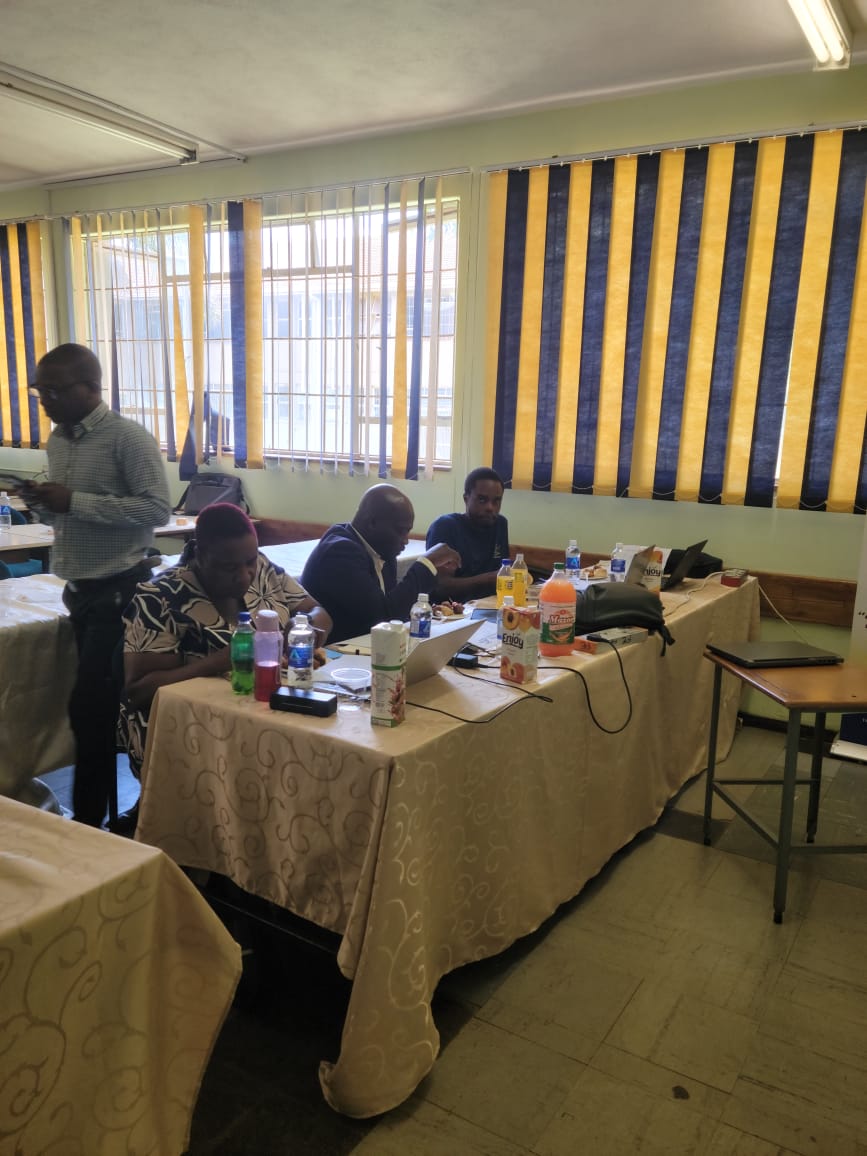
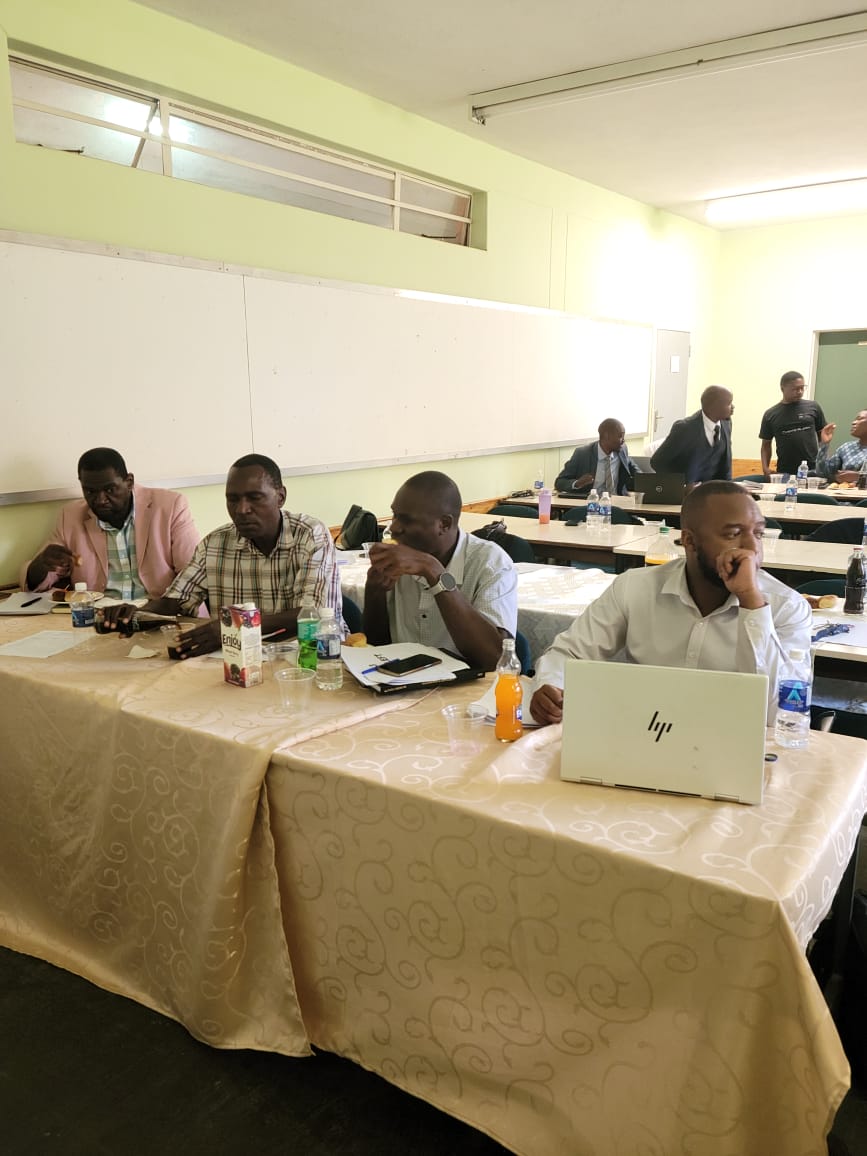
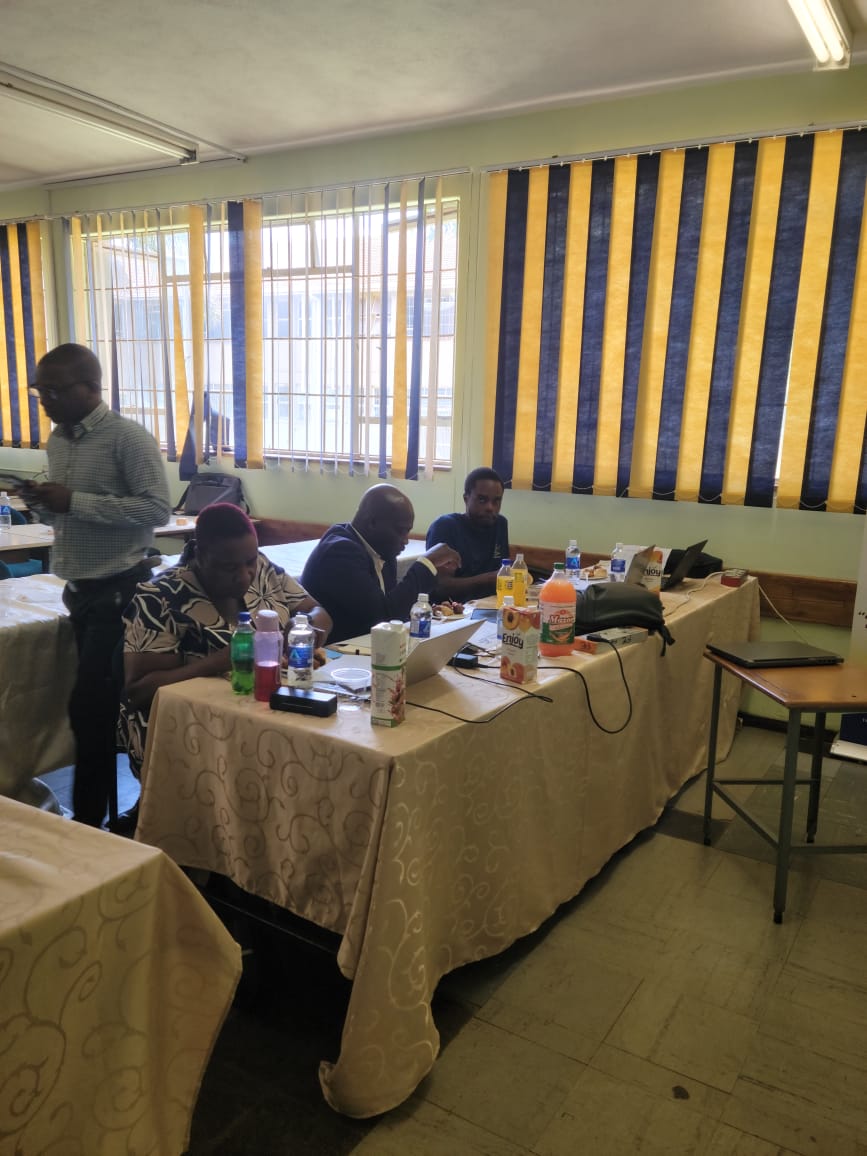
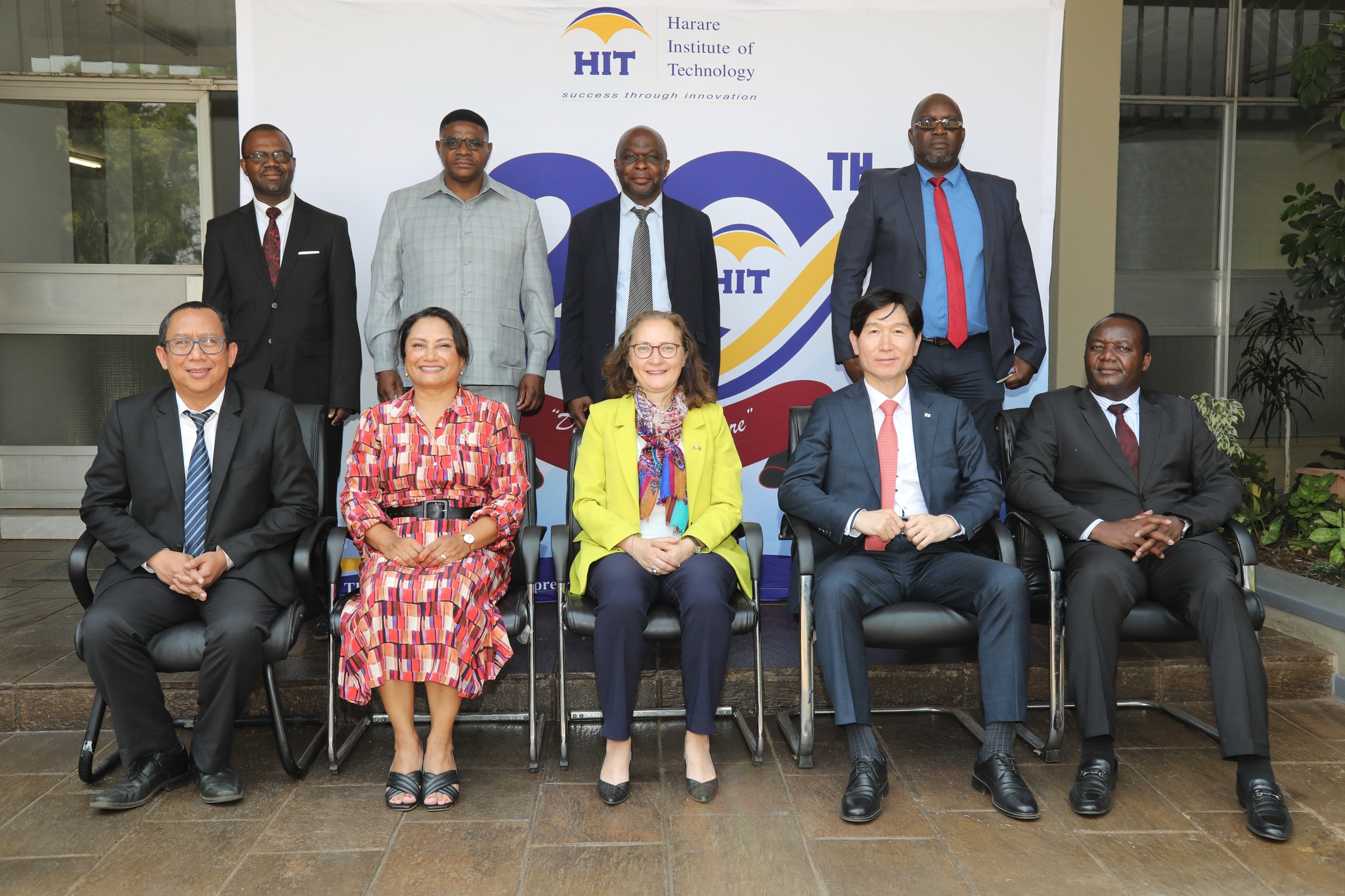
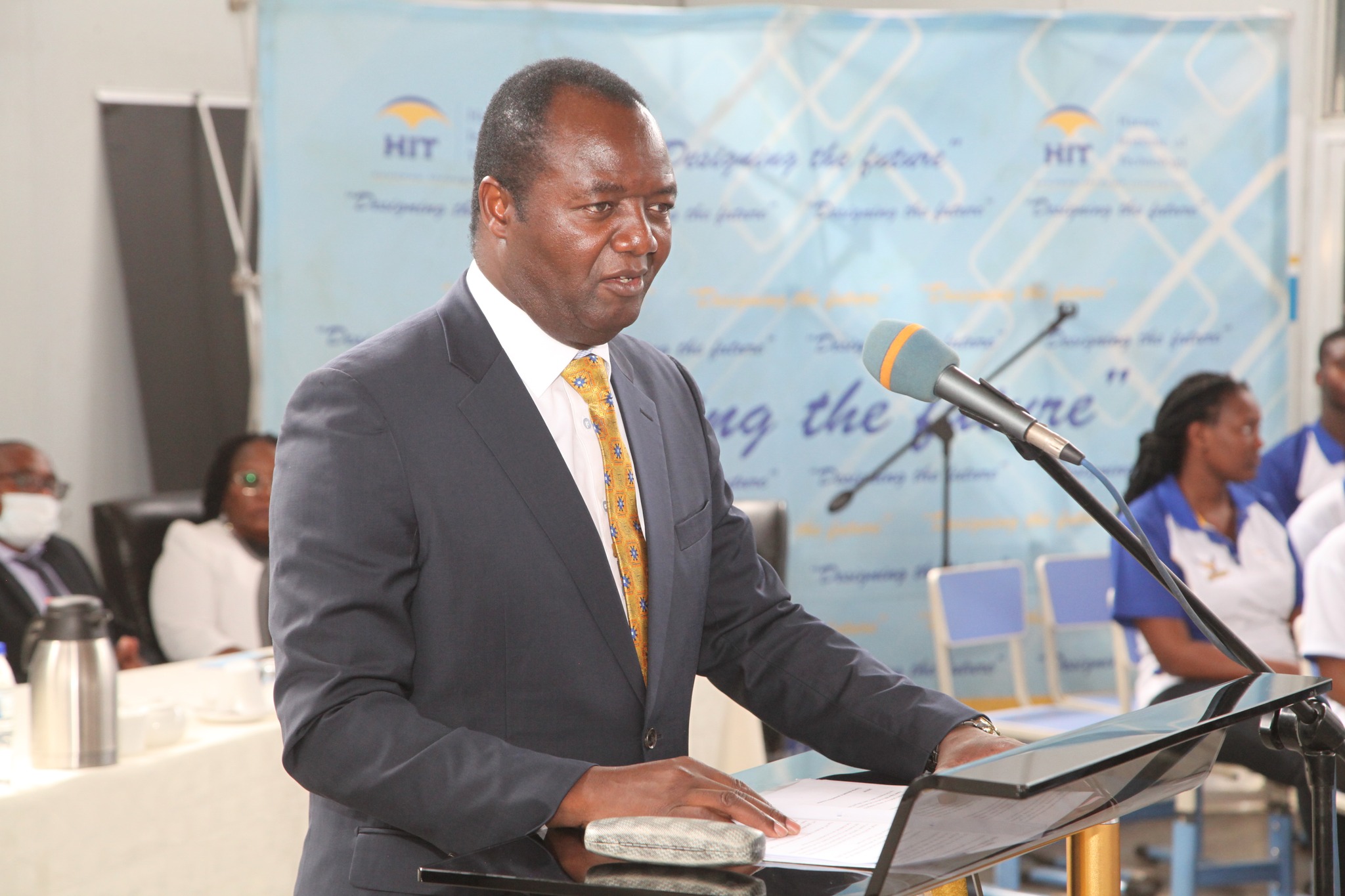
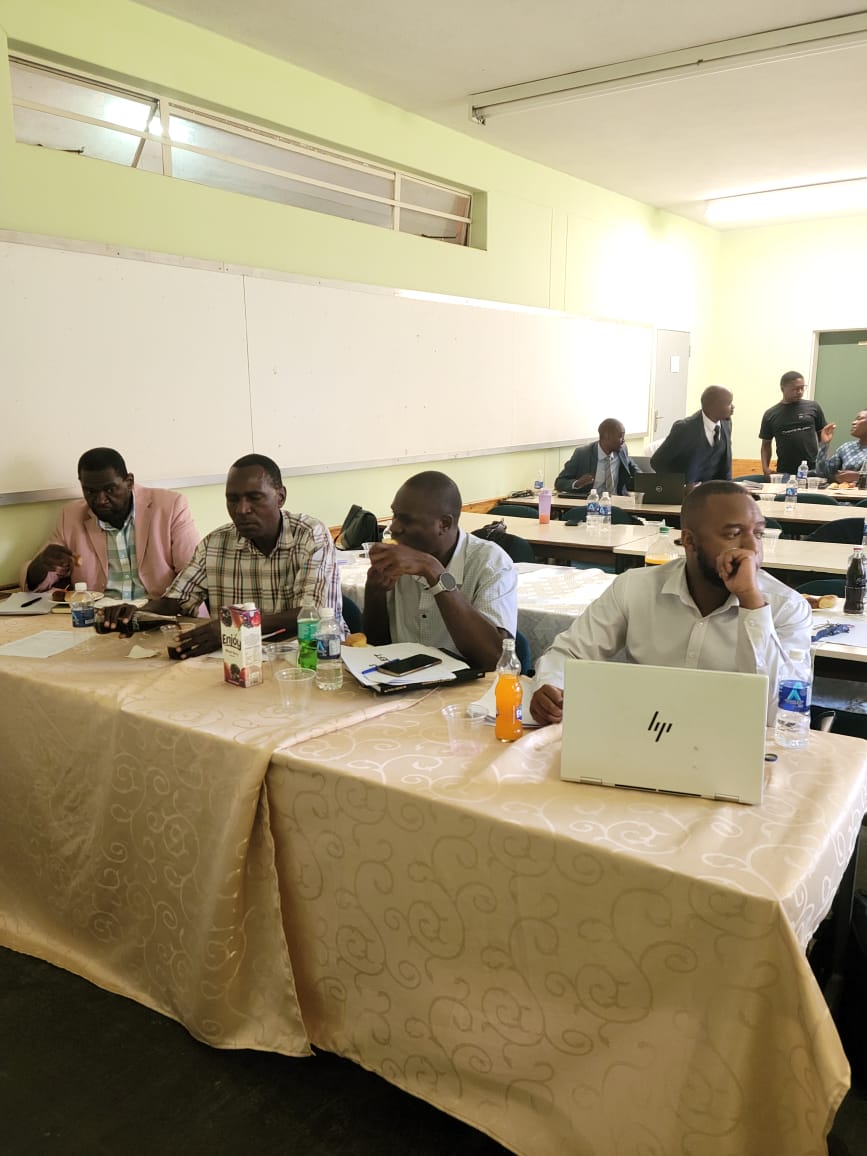
The Harare Institute of Technology (HIT) and the National Building Society (NBS) collaborated to host a groundbreaking seminar that brought together academia and industry to address Zimbabwe’s most pressing financial challenges. Held on 2 February 2026, the event showcased innovative, research-driven solutions developed by postgraduate students in HIT’s Master of Technology in Financial Engineering programme.
The seminar underscored HIT’s unwavering commitment to technopreneurship, financial innovation, and strategic industry collaboration, positioning the university as a catalyst for economic transformation in Zimbabwe.
Student-Led Innovation Tackles Critical Challenges
Students presented cutting-edge solutions across four critical thematic areas, which included Expected Credit Loss Computation, an automated platform designed to enhance forecasting accuracy and ensure compliance with IFRS 9 standards. Stress Testing under New Capital Adequacy Frameworks, an automated system aligned with Basel III/IV requirements, incorporating dynamic scenario generation, reverse stress testing, and real-time dashboard capabilities. Enterprise Risk Management (ERM) Solutions is an integrated framework embedding anti-money laundering, counter-terrorist financing, and operational risk management protocols. Sustainable Finance Models for MSMEs, an ESG-integrated credit scoring, agency banking models for rural outreach, and volatility-adjusted scoring engines that reward resilience in uncertain economic environments.
Rigorous Industry Evaluation
The seminar went beyond mere showcase, serving as a rigorous test of each solution’s applicability, sustainability, and commercial viability. The NBS team played a crucial role in evaluating the proposals, providing critical feedback, challenging assumptions, and testing the robustness of each model against the realities of Zimbabwe’s financial landscape.
This high-impact industry engagement provided students with invaluable insights, sharpening both the relevance and practical rigour of their research.
Leadership Perspectives
Thabani Dundu, the Seminar Coordinator, commended the projects as compelling evidence of HIT’s capacity to bridge theoretical knowledge and practical application. She expressed sincere appreciation to Mr Sifiso Mahlangu, Managing Director of the National Building Society, and the NBS team for reaffirming their leadership in advancing sustainable financial practices.
Ms Dundu further noted that the partnership between HIT and NBS is actively shaping a financial future defined by resilience, inclusivity, and alignment with global standards.