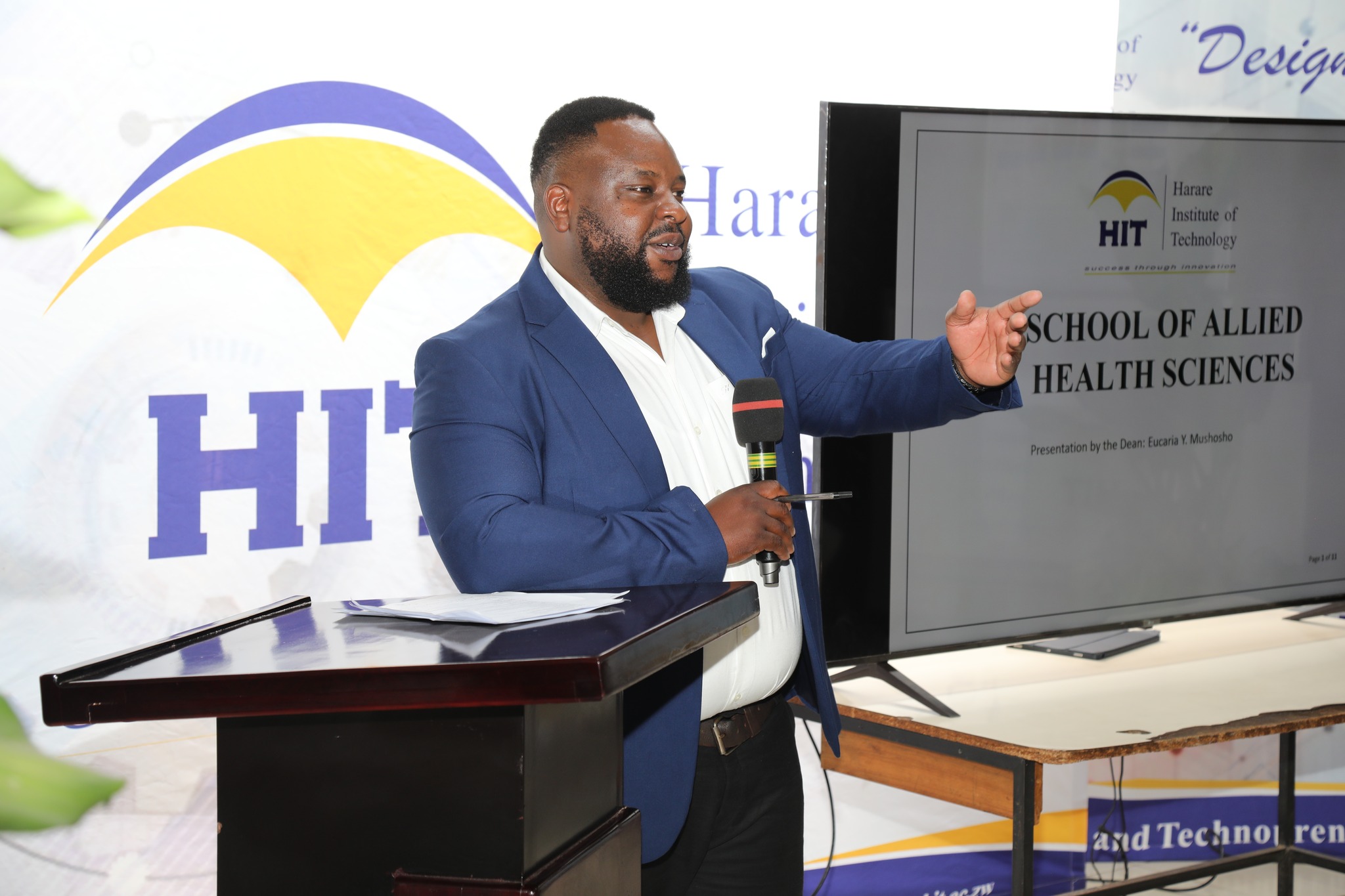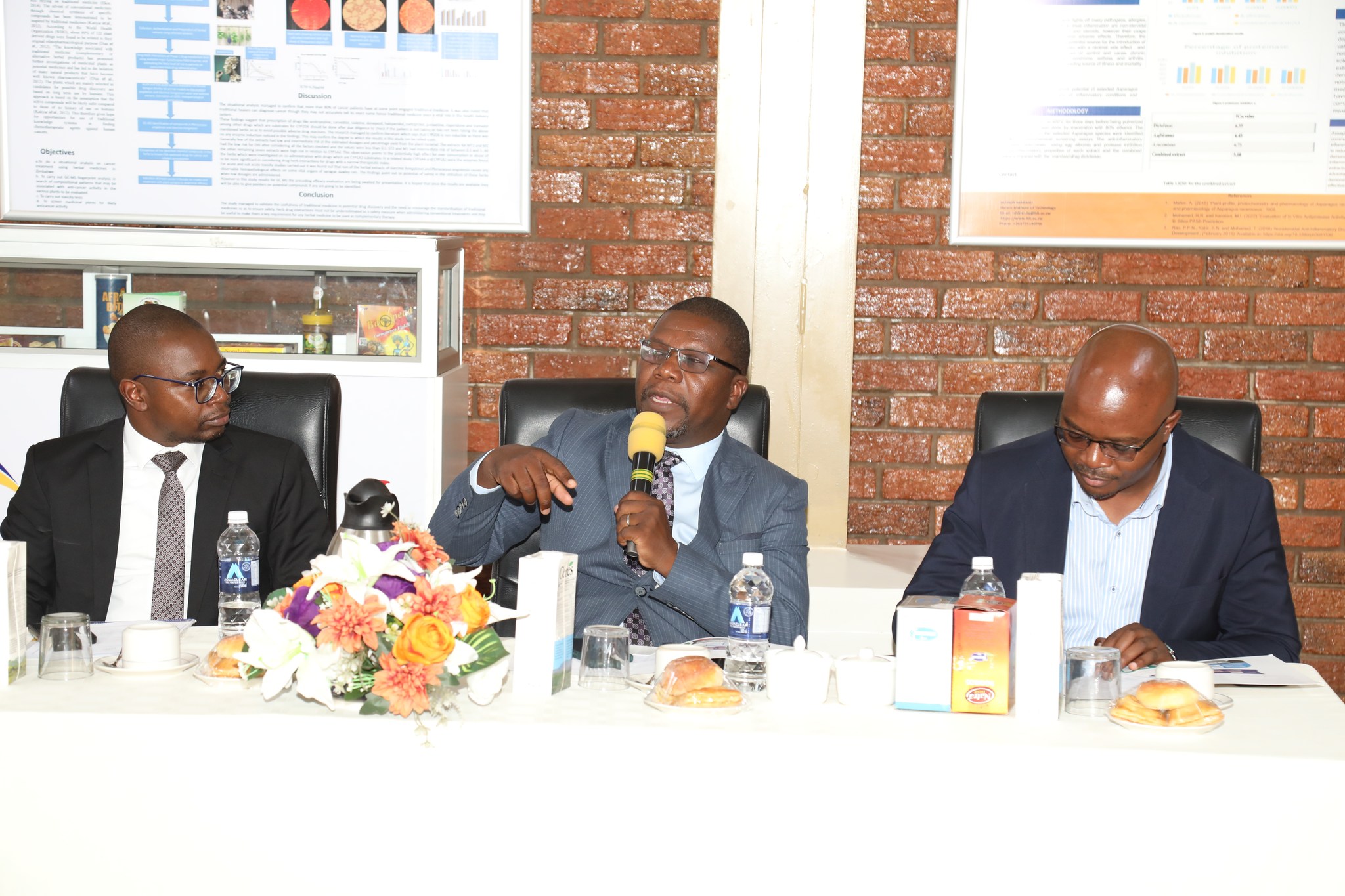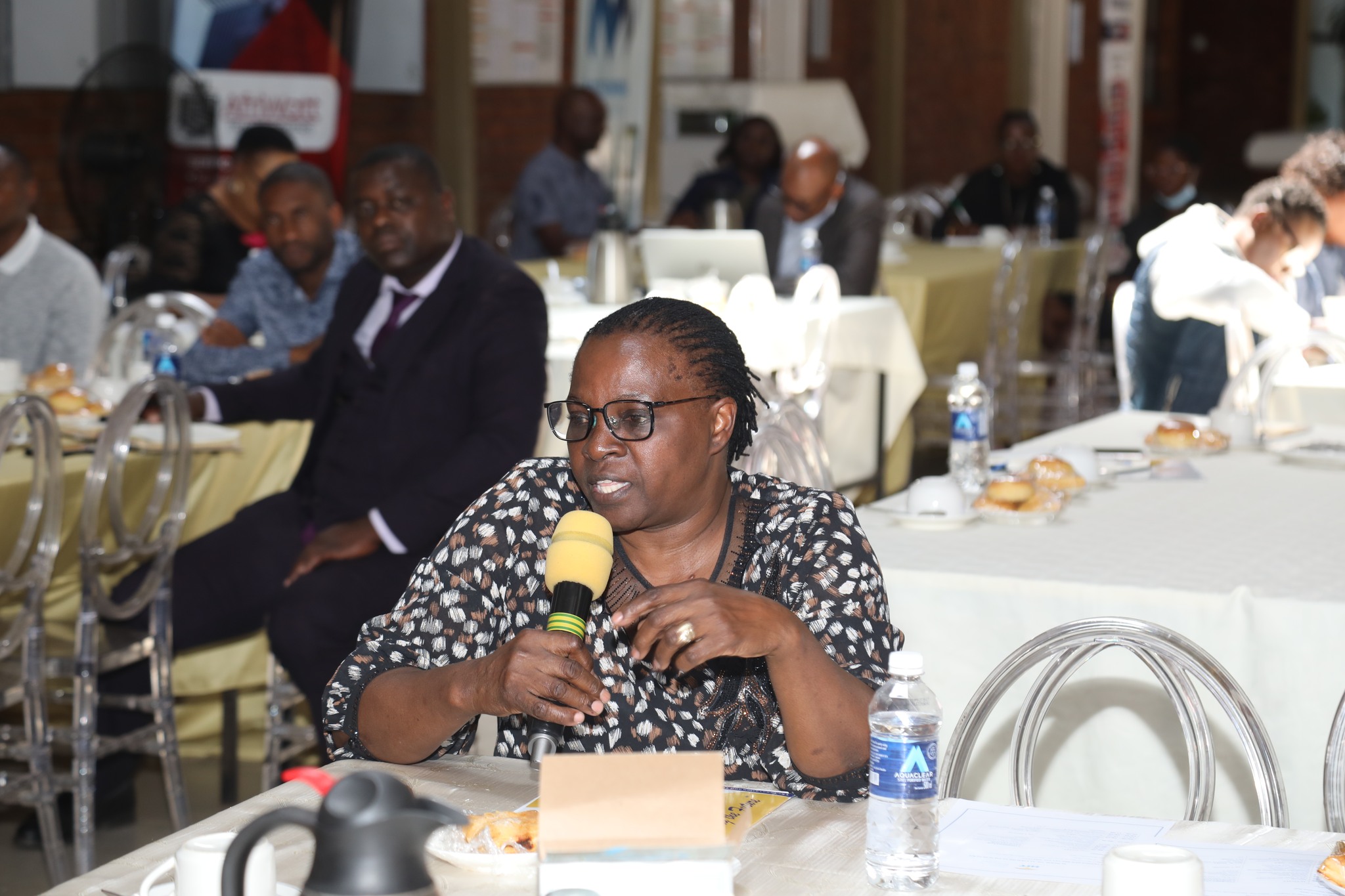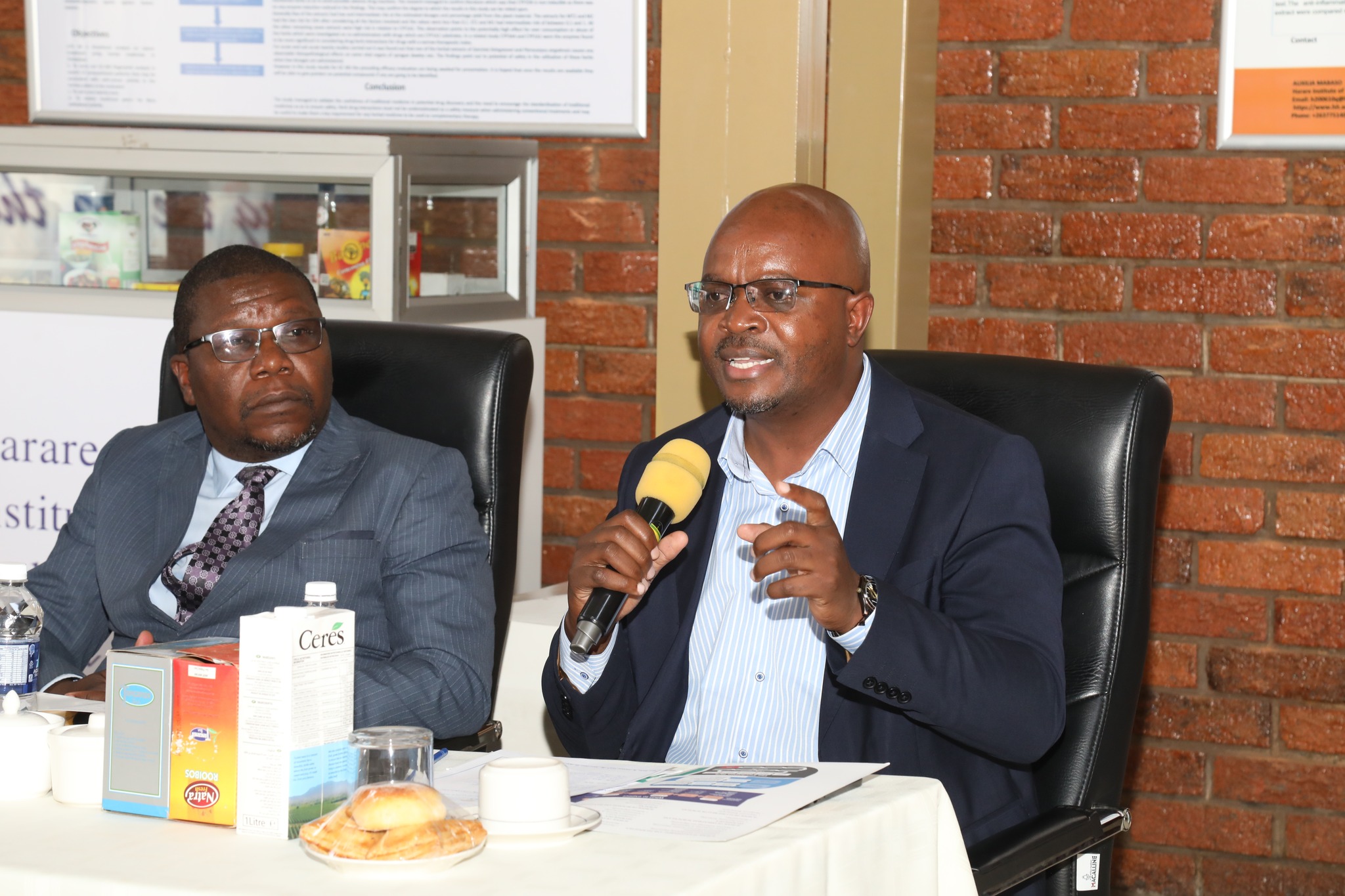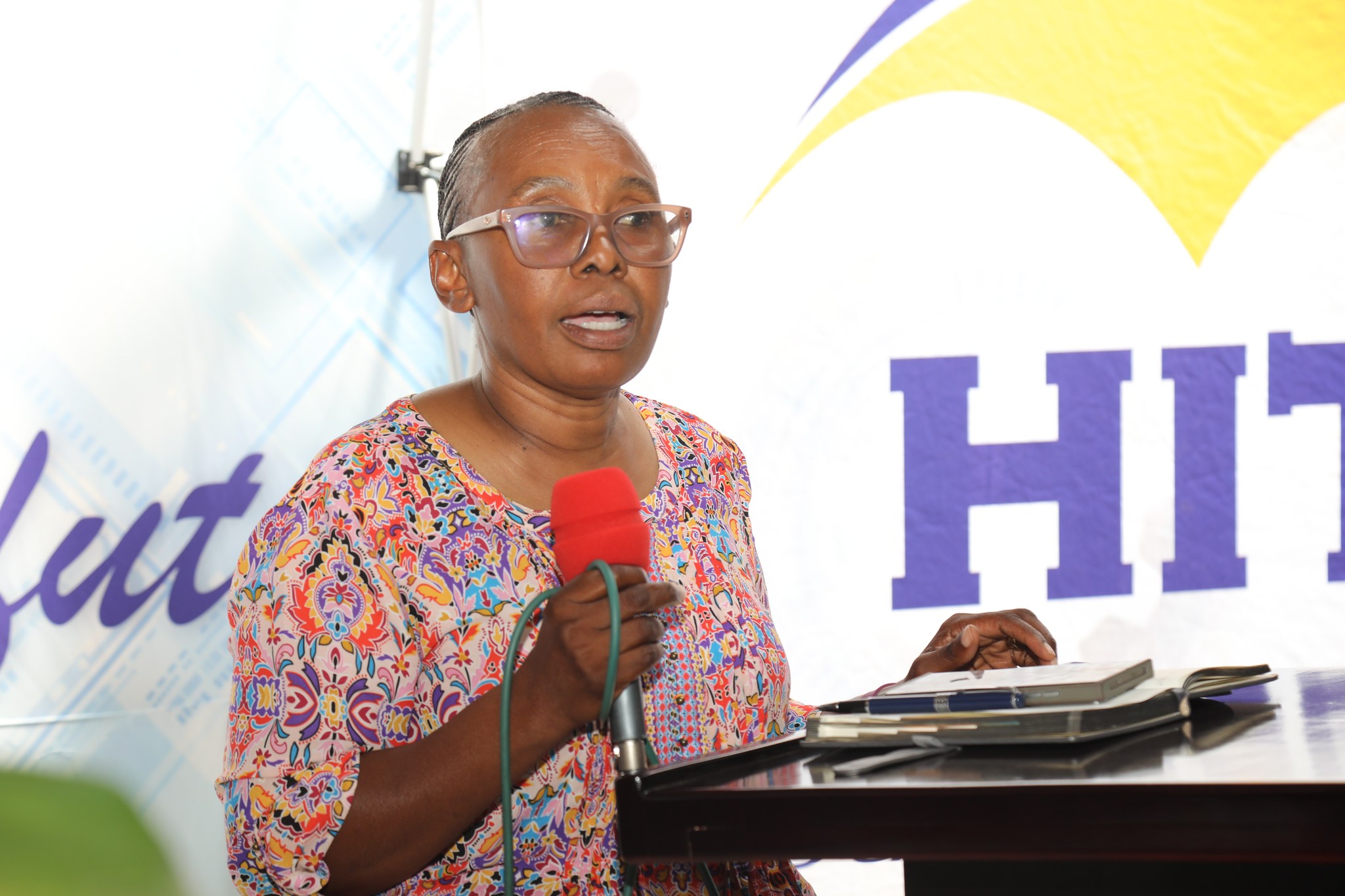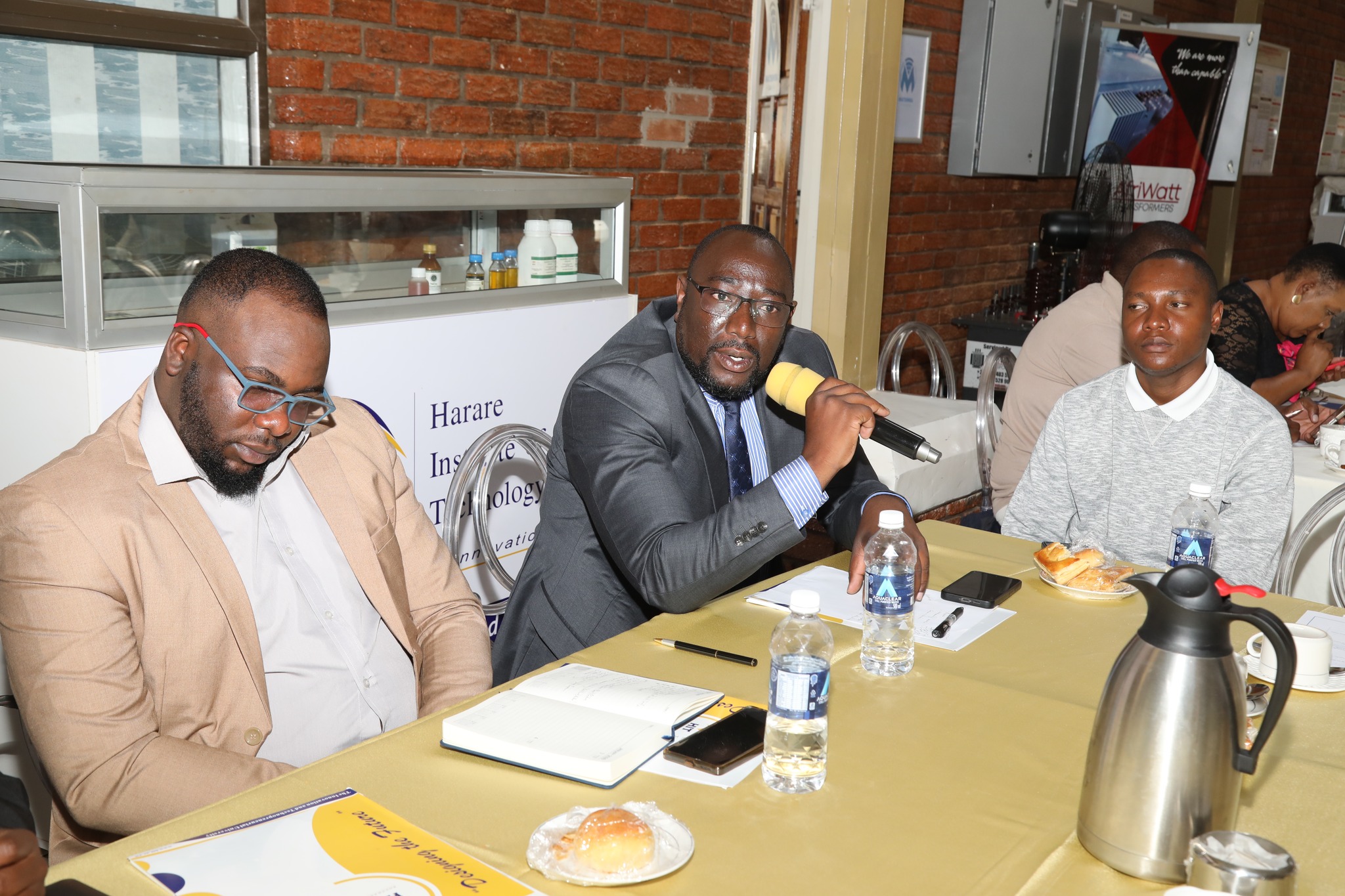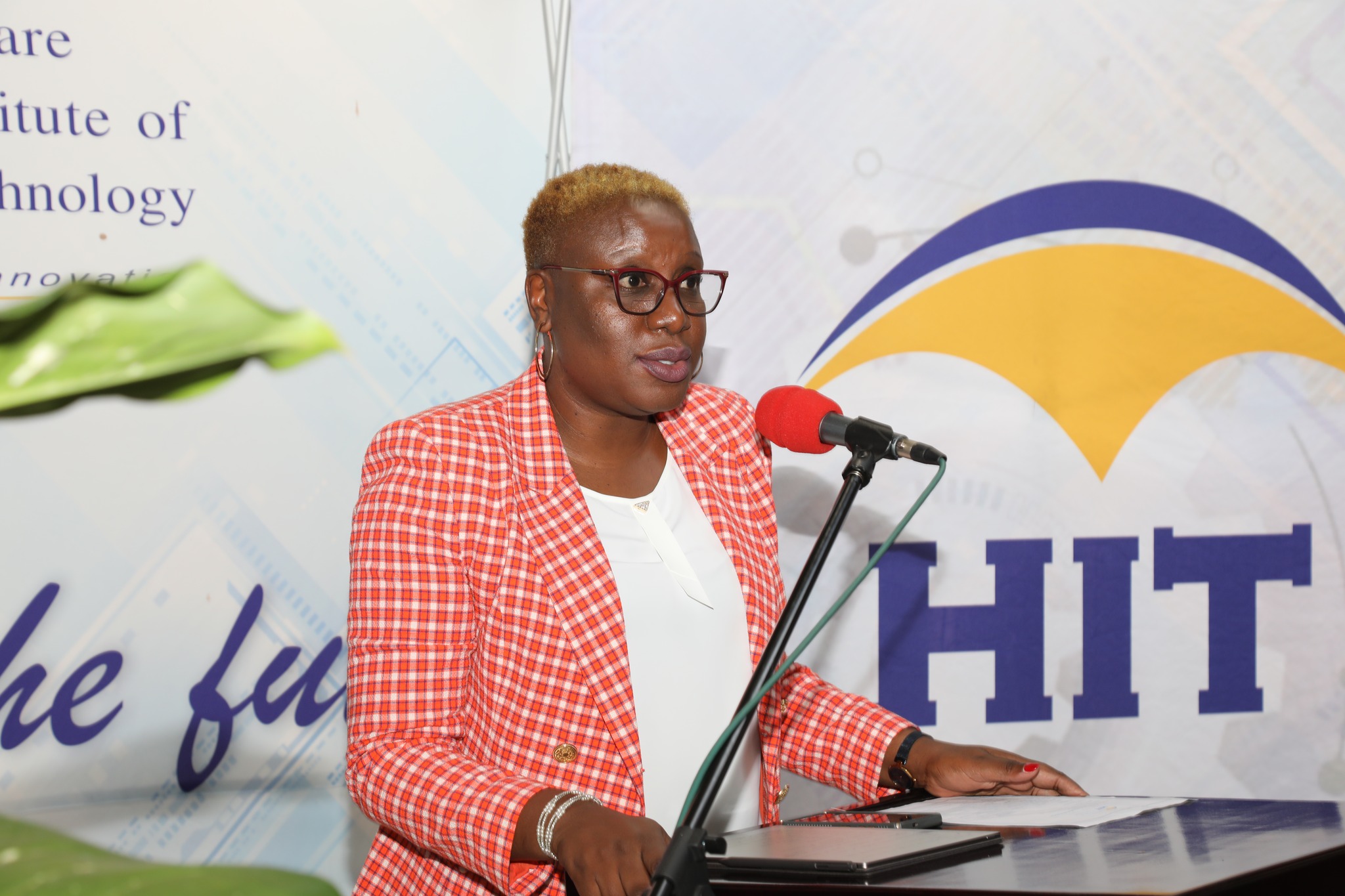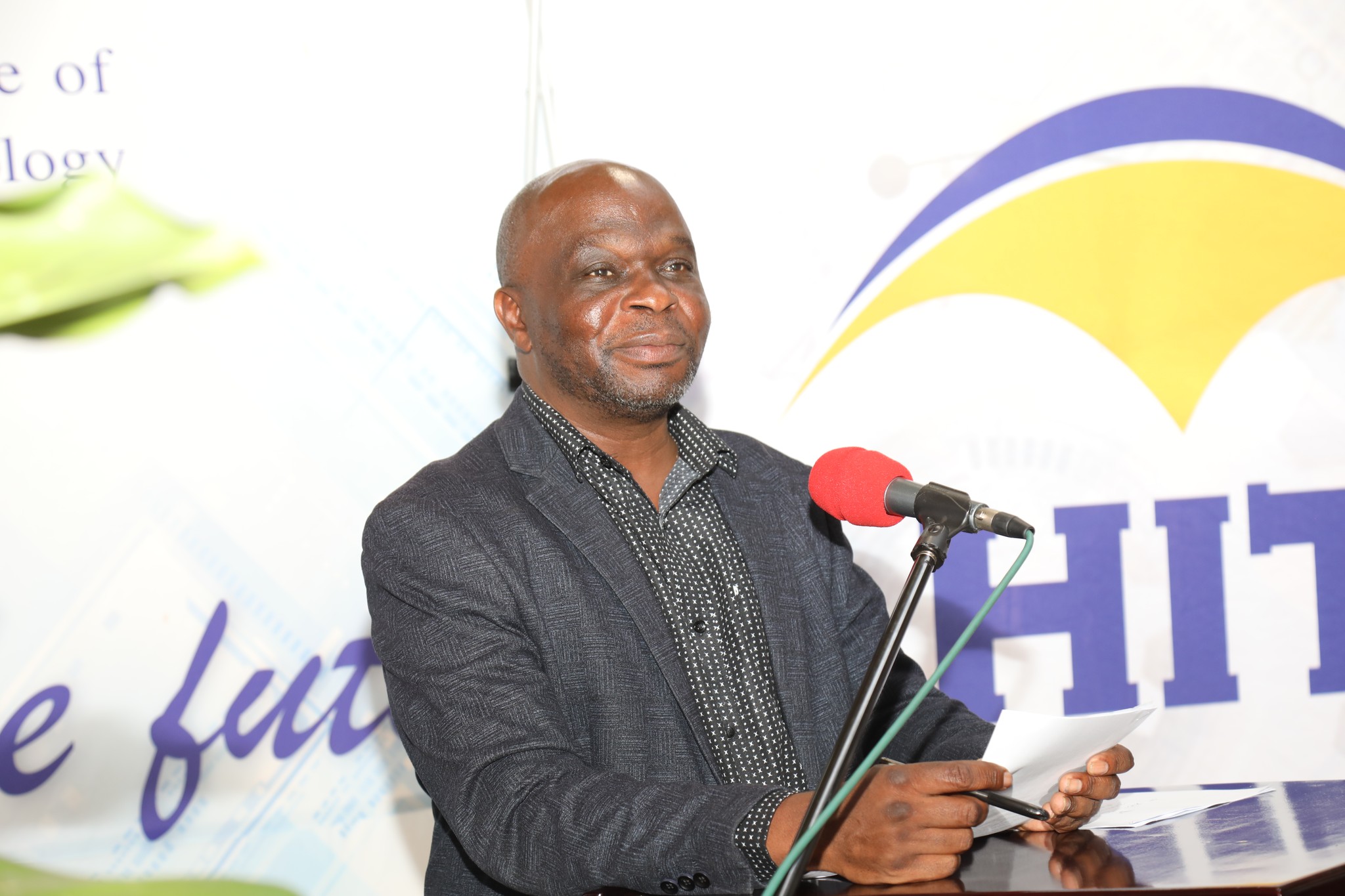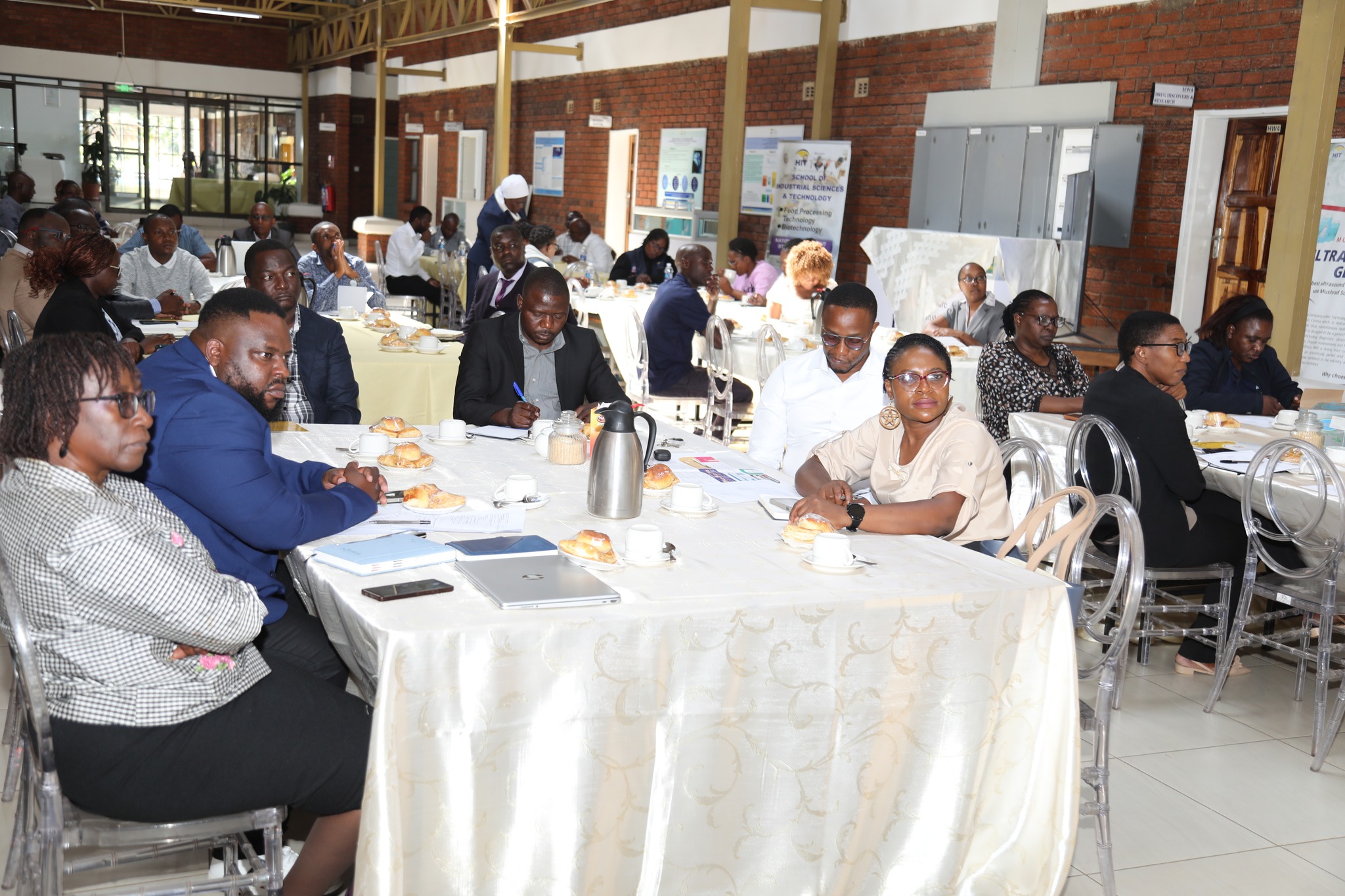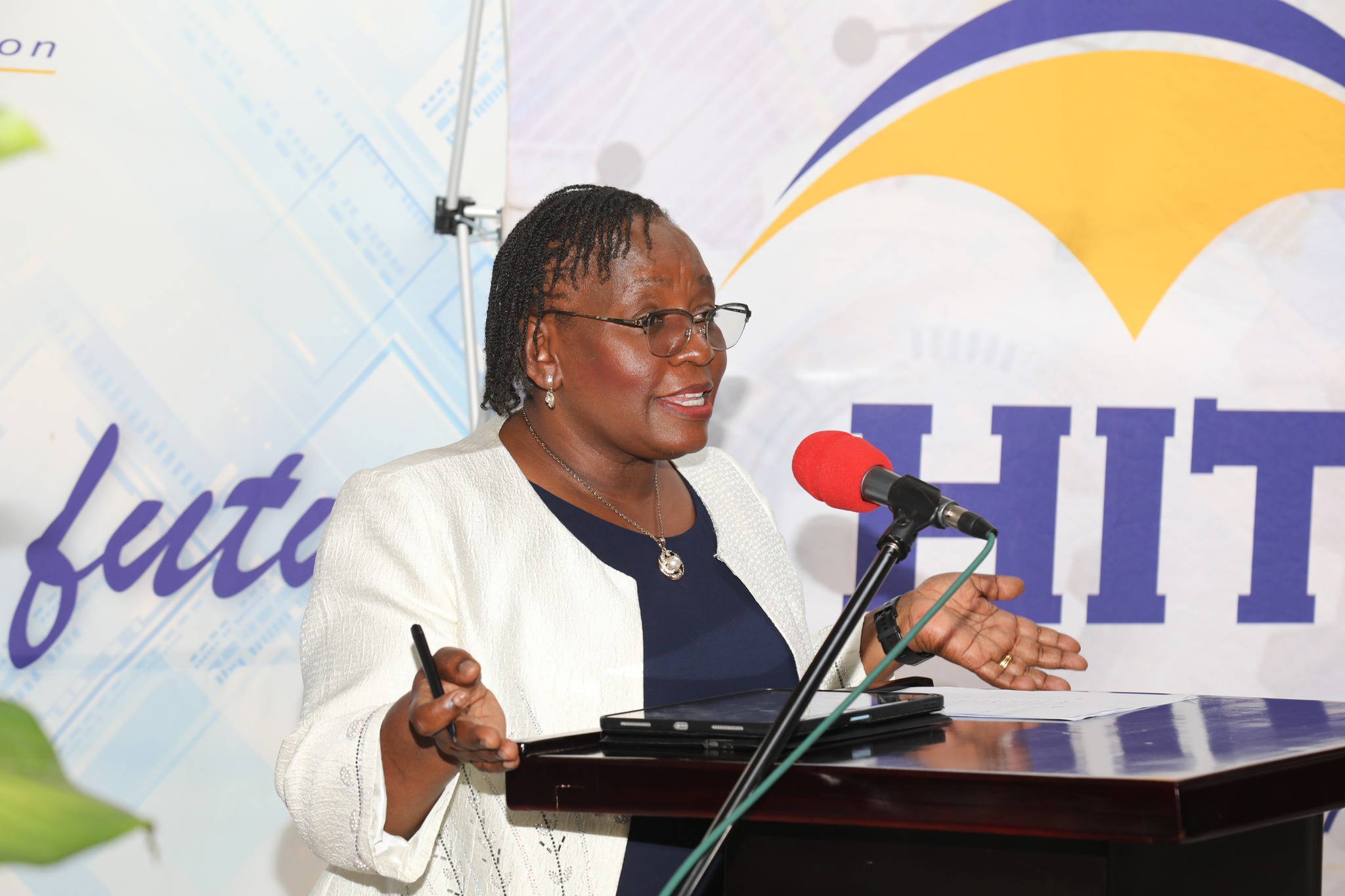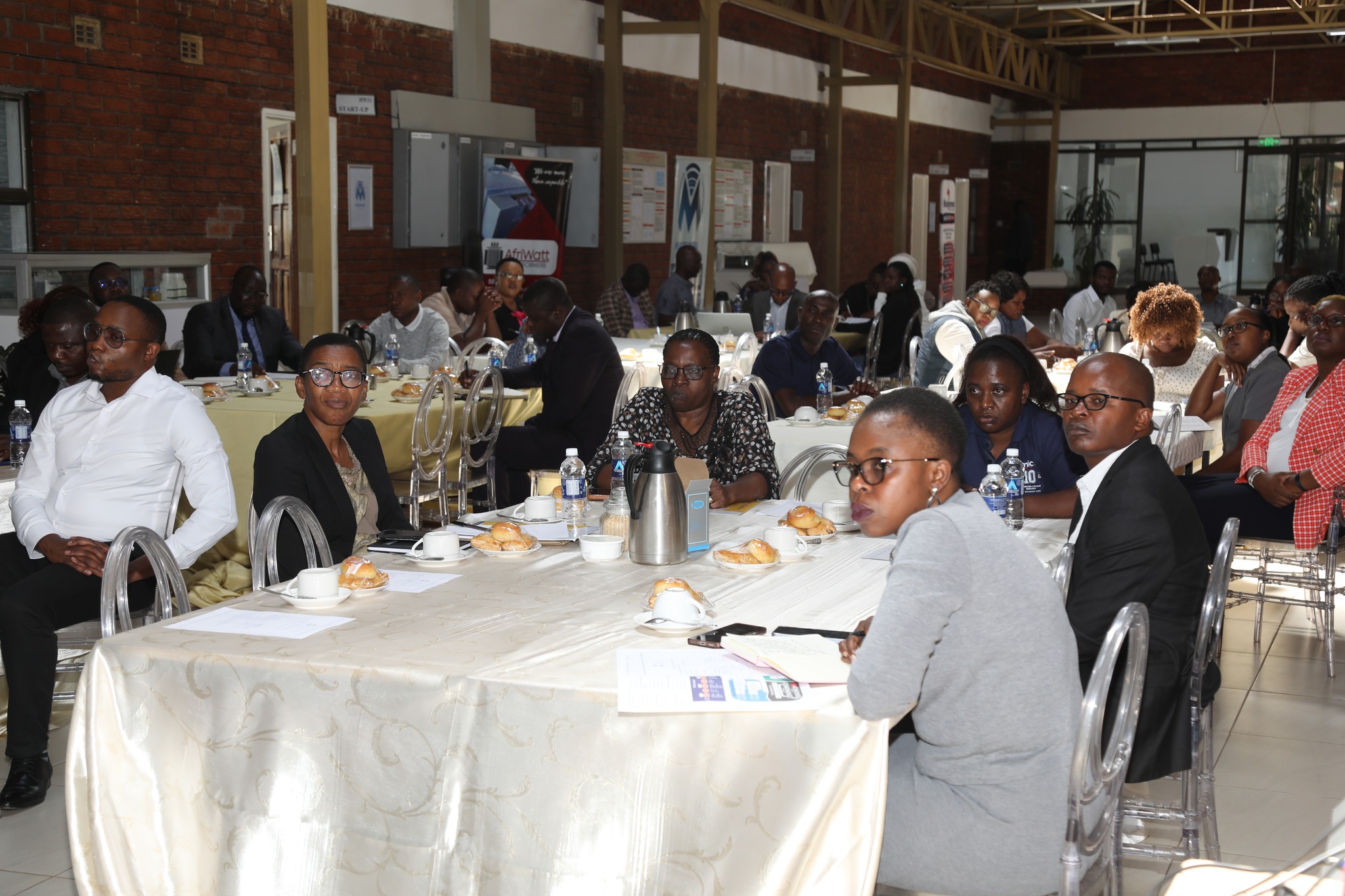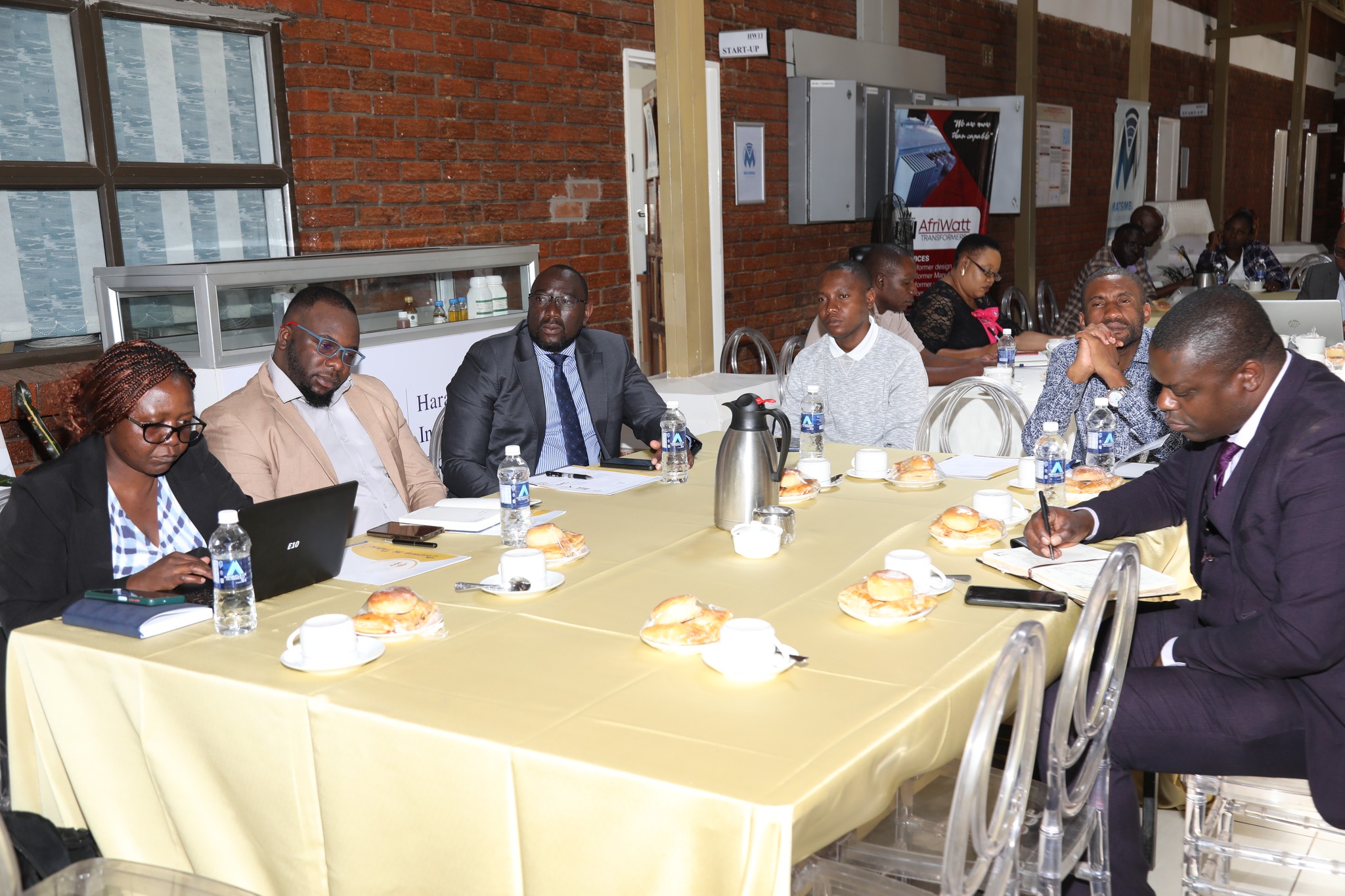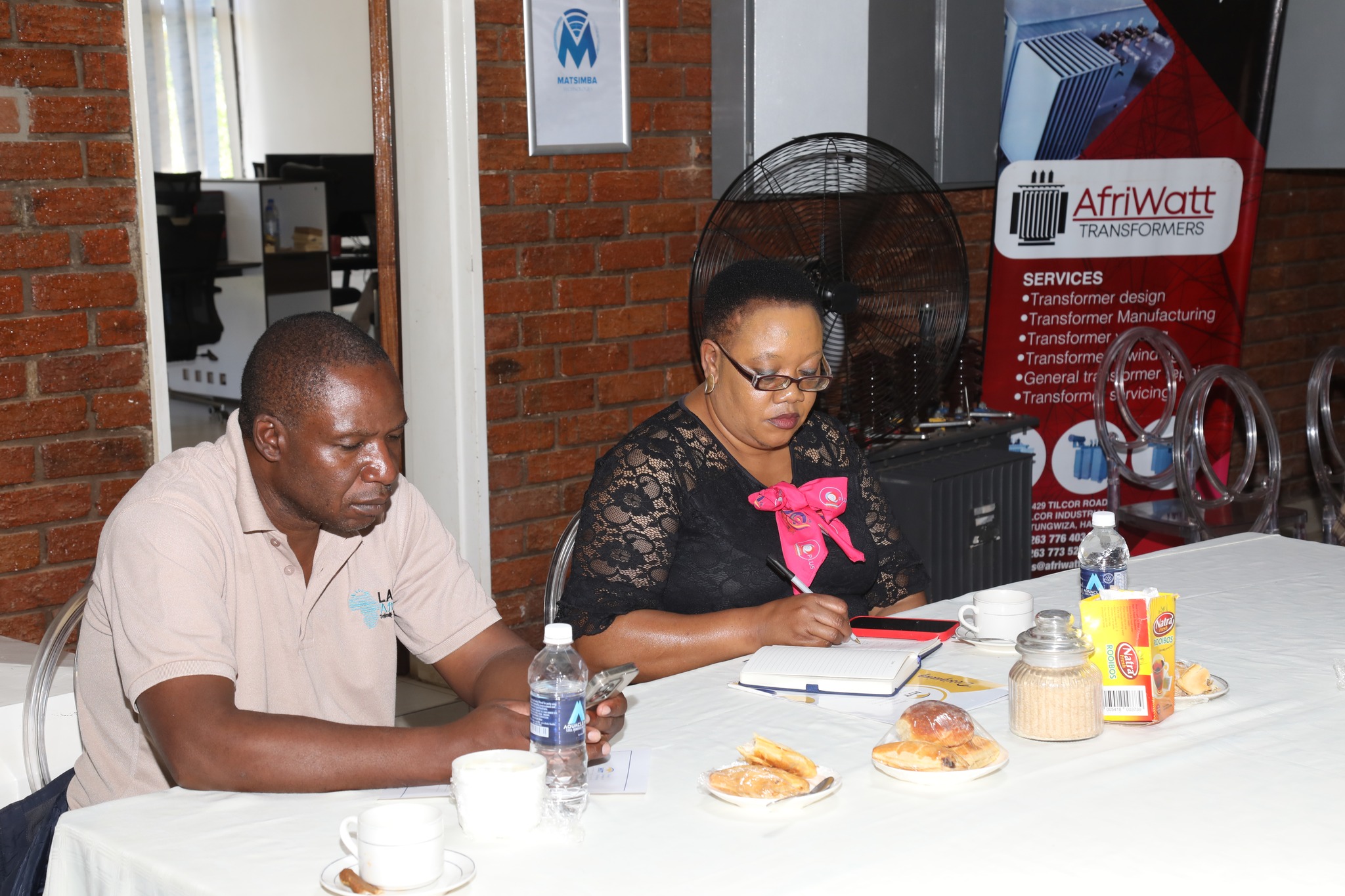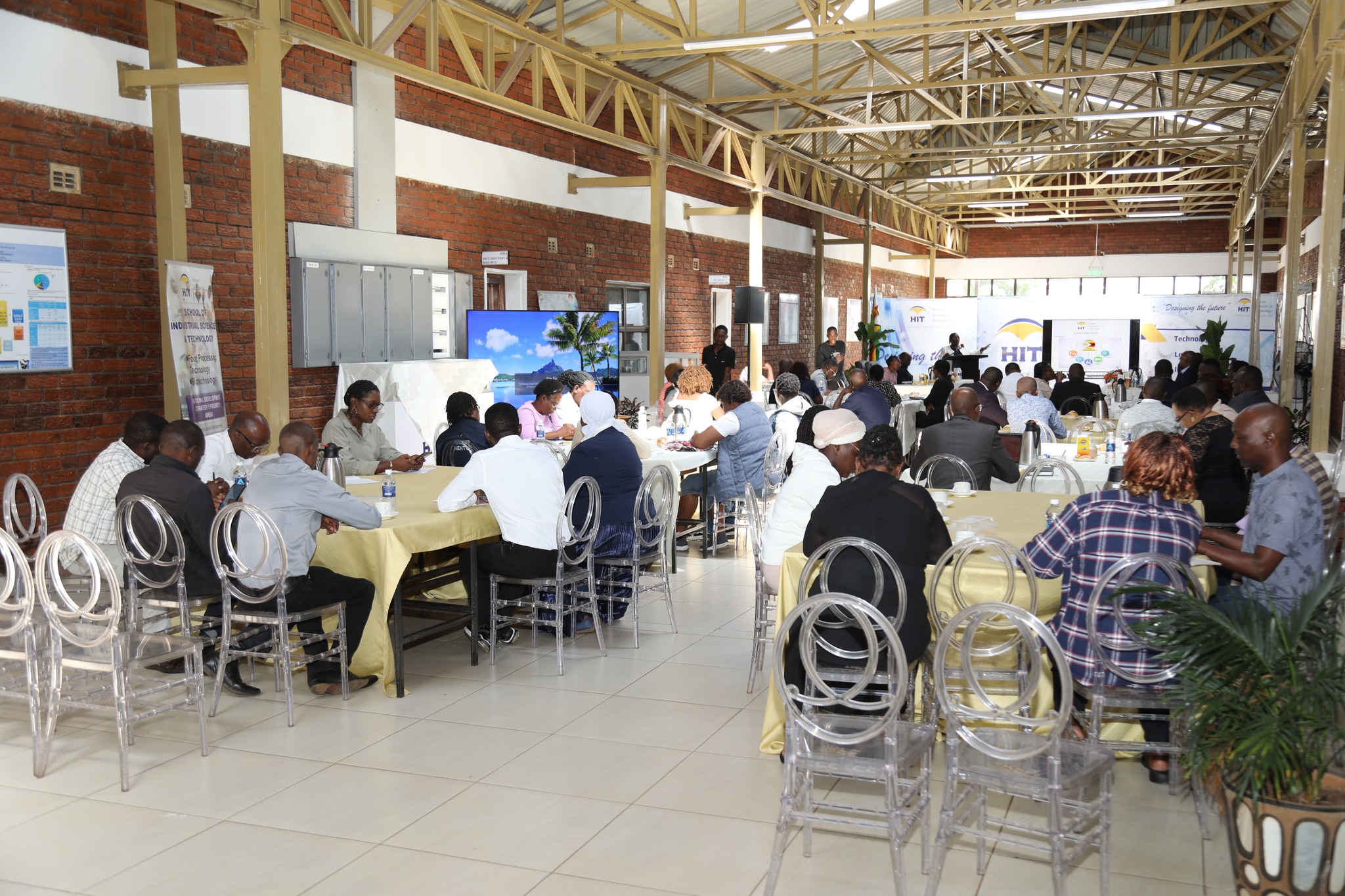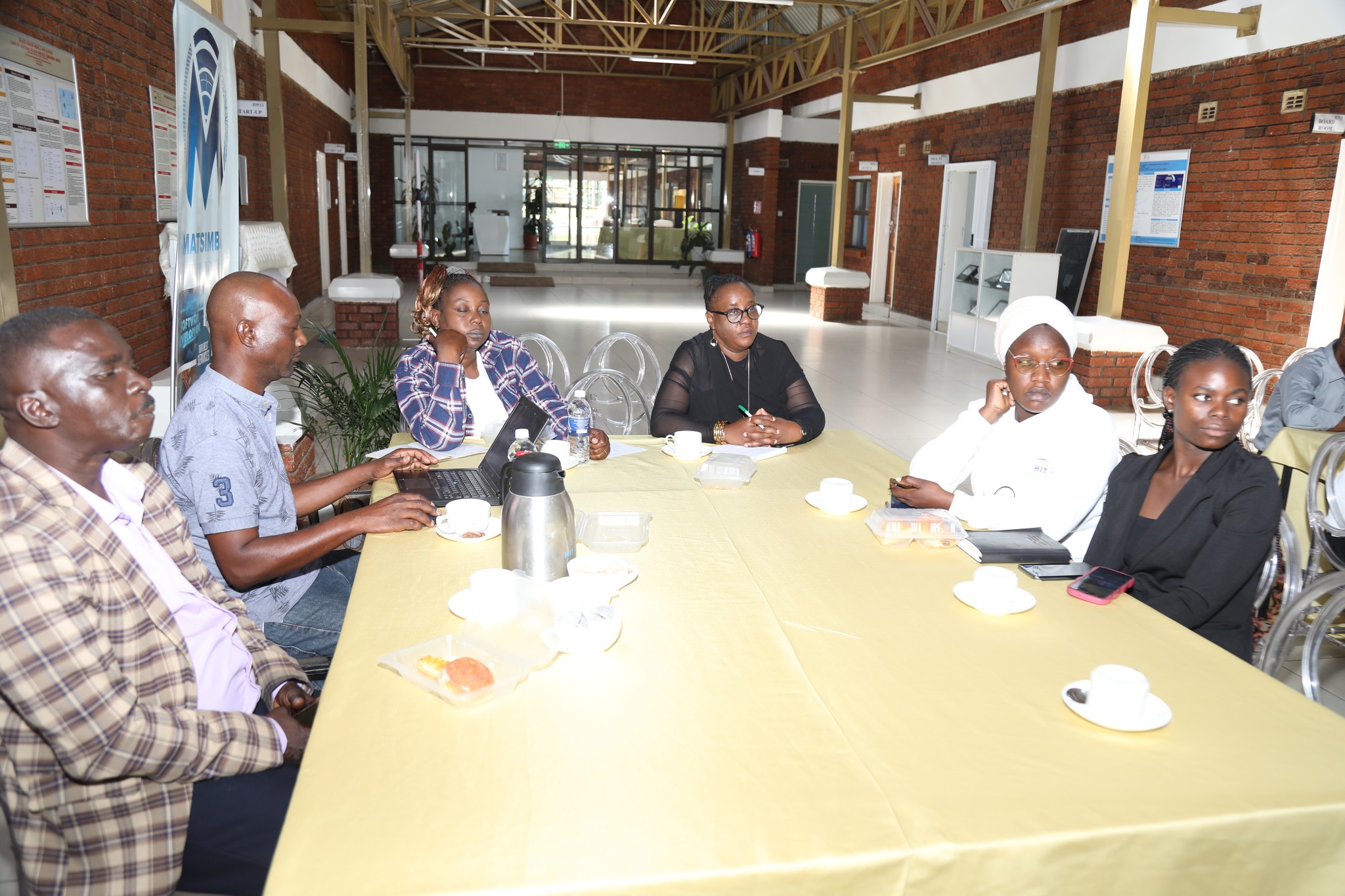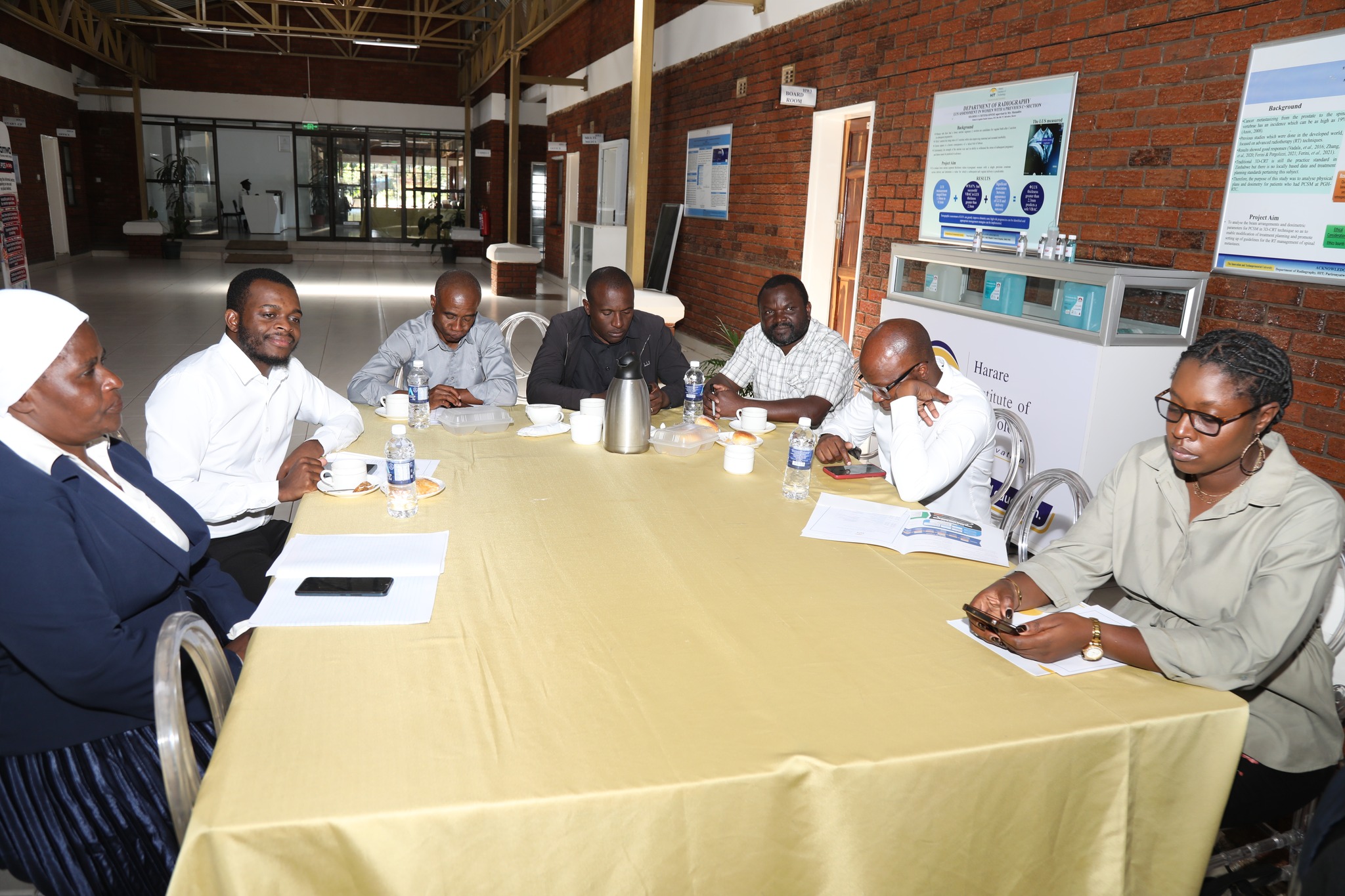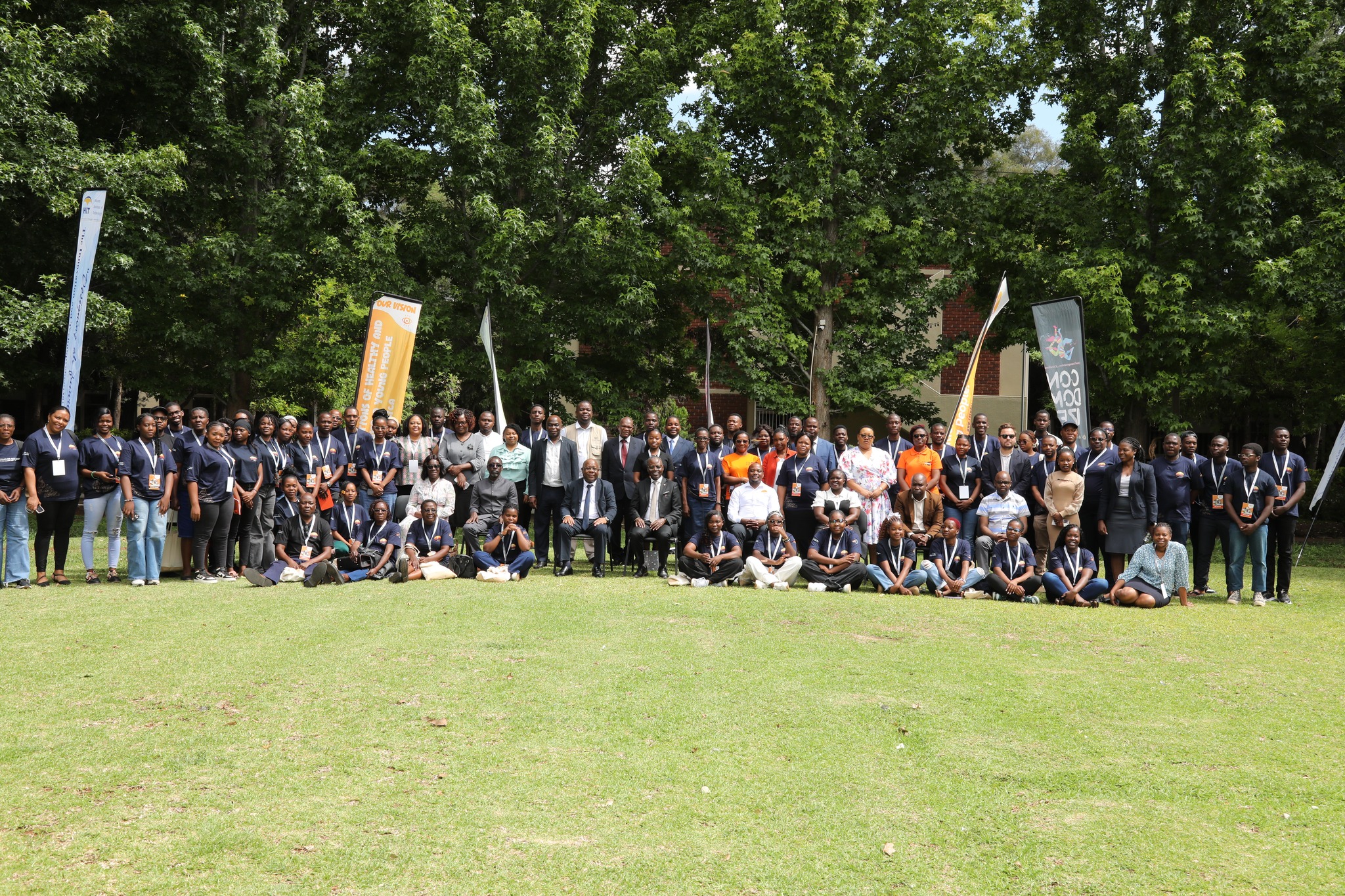

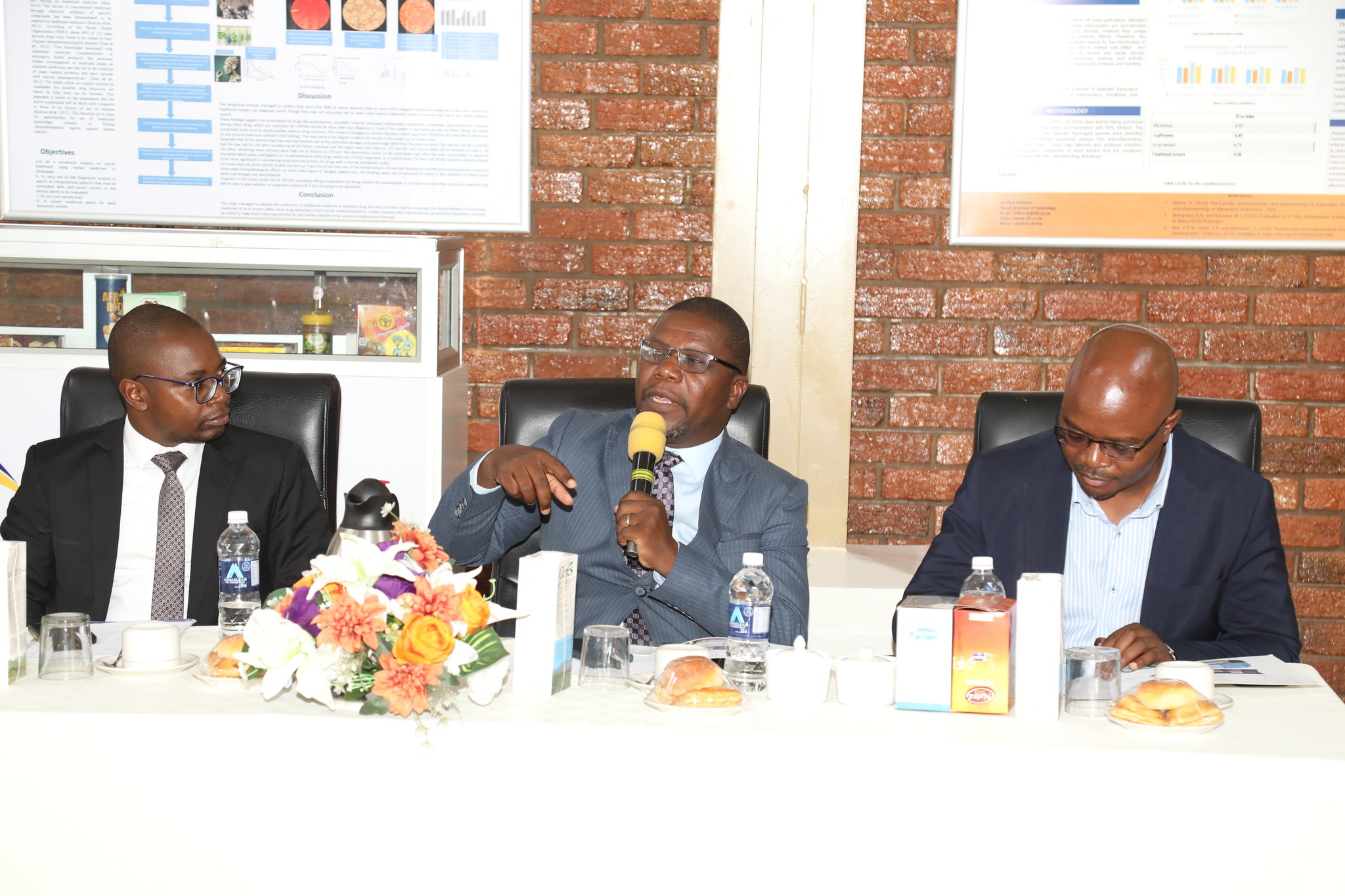
The School of Allied Health Sciences (SAHS) at Harare Institute of Technology (HIT) held a stakeholder breakfast meeting on Friday, 10 April 2026, at the Innovation Hub, bringing together key partners to strengthen collaboration in allied health education and practice.
Under the theme “Partnerships in Progress: Advancing Allied Health Together,” the event aimed to foster dialogue on clinical placements, curriculum relevance, and workforce readiness.
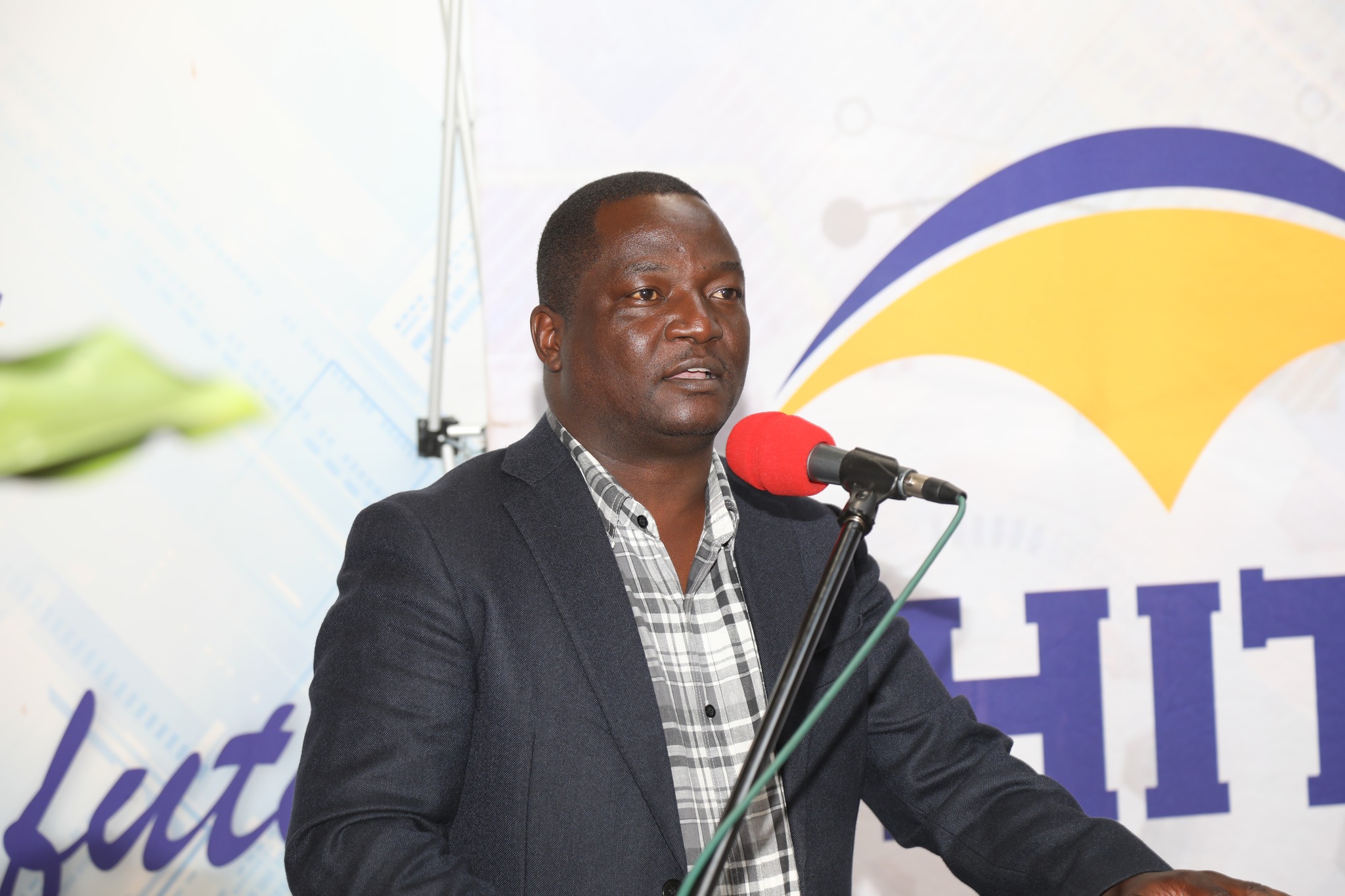
Speaking at the Stakeholders Breakfast Meeting, the Pro Vice Chancellor for Academic Affairs, Mr W. Gwarimbo, urged the School to move beyond traditional teaching and research towards innovation-led education, translational research, and entrepreneurial thinking.
“As a university, our mandate is clear: to design, develop, incubate, and commercialise technology. This is not an upper-level goal. It is a call to action,” Mr Gwarimbo said. He emphasised that the School of Allied Health Sciences must actively contribute to innovation ecosystems that produce tangible solutions for society, including affordable diagnostic tools, digital health platforms, and community-based intervention models.
Mr Gwarimbo highlighted the need to accelerate outcomes from the National Development Strategy 1 (NDS1) into NDS2, positioning the School as a centre for applied interdisciplinary research and human capital development. He called for deeper collaboration with industry, government, and communities to scale innovations and align with national priorities.
In a candid moment, the Pro Vice Chancellor posed several questions to stakeholders, noting the high demand for health programmes versus limited absorption capacity. “Is it because we have reached the maximum point in terms of health professional requirements? Is it because resources do not permit? Are we artificially creating a bottleneck?” he asked. He challenged the sector to rethink reducing brilliant students to merely dispensing prescriptions, urging a shift towards drug discovery and higher-level innovation.
Dean’s vision: Industry-ready graduates, local solutions
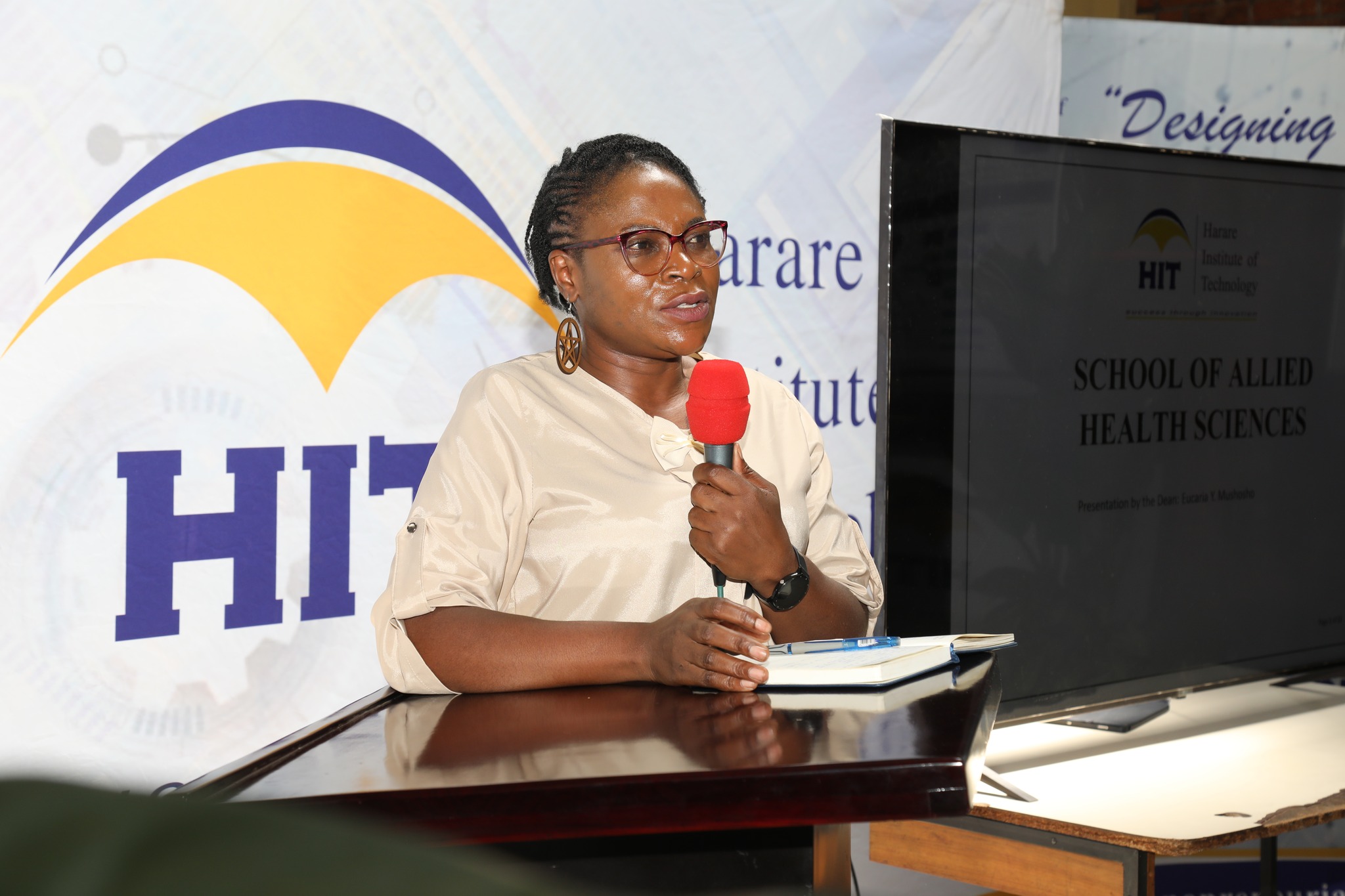
In her remarks, the Dean of the School of Allied Health Sciences, Dr E. Mushosho, outlined an ambitious vision anchored in HIT’s mandate “to develop, incubate, transfer, and commercialise technology.” She declared: “Our vision as a school is to advance equitable healthcare through innovative allied health technologies and transformative education that produces highly competent industry-related graduates to address national and global health challenges.”
Dr Mushosho noted that the School, the newest at HIT, currently offers degrees in Pharmaceutical Technology and Radiography (Diagnostic and Therapeutic), with an M.Tech in Medical Ultrasound and a postgraduate diploma in Medical Dosimetry. She announced plans to introduce specialist pharmacy degrees, master’s programmes in radiography, and a pioneering M.Tech in Medical Dosimetry, “the first of its kind in Africa and mostly globally offered in the United States of America.” She explained, “Medical dosimetry will be there to ensure that there is precision as we plan for radiation treatment. We are trying to improve the quality of treatment we offer to our patients in Zimbabwe and Africa.” Future programmes will include dental therapy and laboratory technology.
Research commercialisation and community outreach
Dr Mushosho highlighted the School’s adherence to Education 5.0 pillars, teaching, research, community service, innovation, and commercialisation. She proudly noted that undergraduate students publish in peer-reviewed journals, and postgraduates must produce innovations, prototypes, or copyrights.
“We have a startup in our school which is involved in the production of ultrasound gel,” she said. “When we started, all our ultrasound gel in Zimbabwe was imported. There was a year when a hospital nearly closed its ultrasound department because it failed to import gel. Through our research, we have managed to develop a product recognised by the Standards Association of Zimbabwe. Each quarter, our product meets the required standards. Before the end of this year, we should be exporting our product.”
On community service, Dr Mushosho announced outreach initiatives in underserved areas, including a partnership with Norton District Hospital for ultrasound scanning services. “We want to go to Mount Darwin. We need sponsorship, we need partners, pharmaceutical organisations, clinics, radiology centres. Let’s come together, let’s help our underserved population.”
Aligning with national and continental goals
The Dean reaffirmed the School’s alignment with Zimbabwe’s Vision 2030, NDS2, African Union Agenda 2063, and the Sustainable Development Goals. “We are simply aligning ourselves with the vision of the nation,” she said, calling on stakeholders to guide curriculum development. “That’s why we have invited you, radiology centres, pharmaceutical organisations – so that you tell us what you expect of us, the quality of a pharmacist or radiographer that you expect in industry.”
She concluded: “We don’t operate in a vacuum. We are what we are because you are there, and together we can build our nation.”
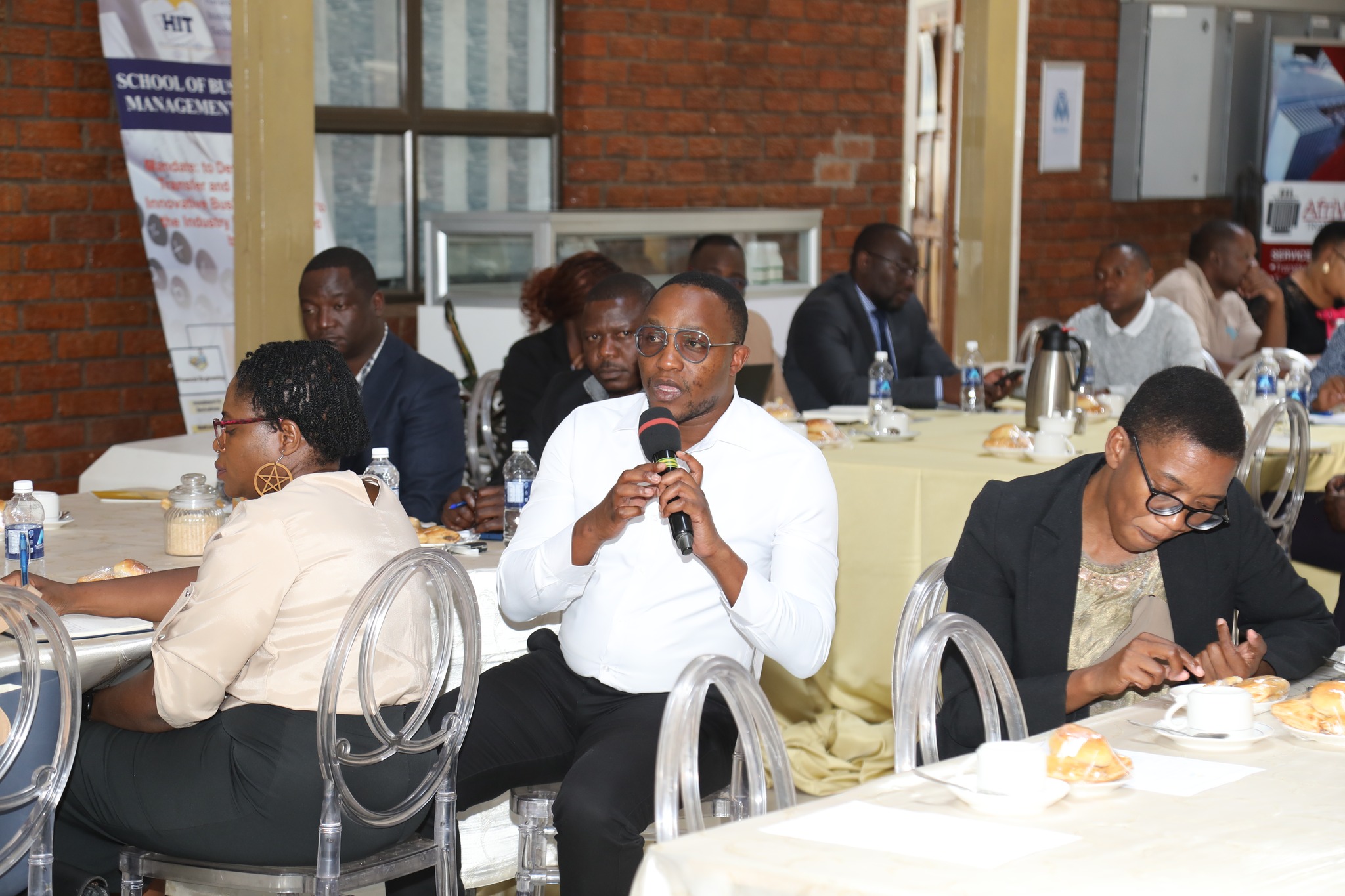
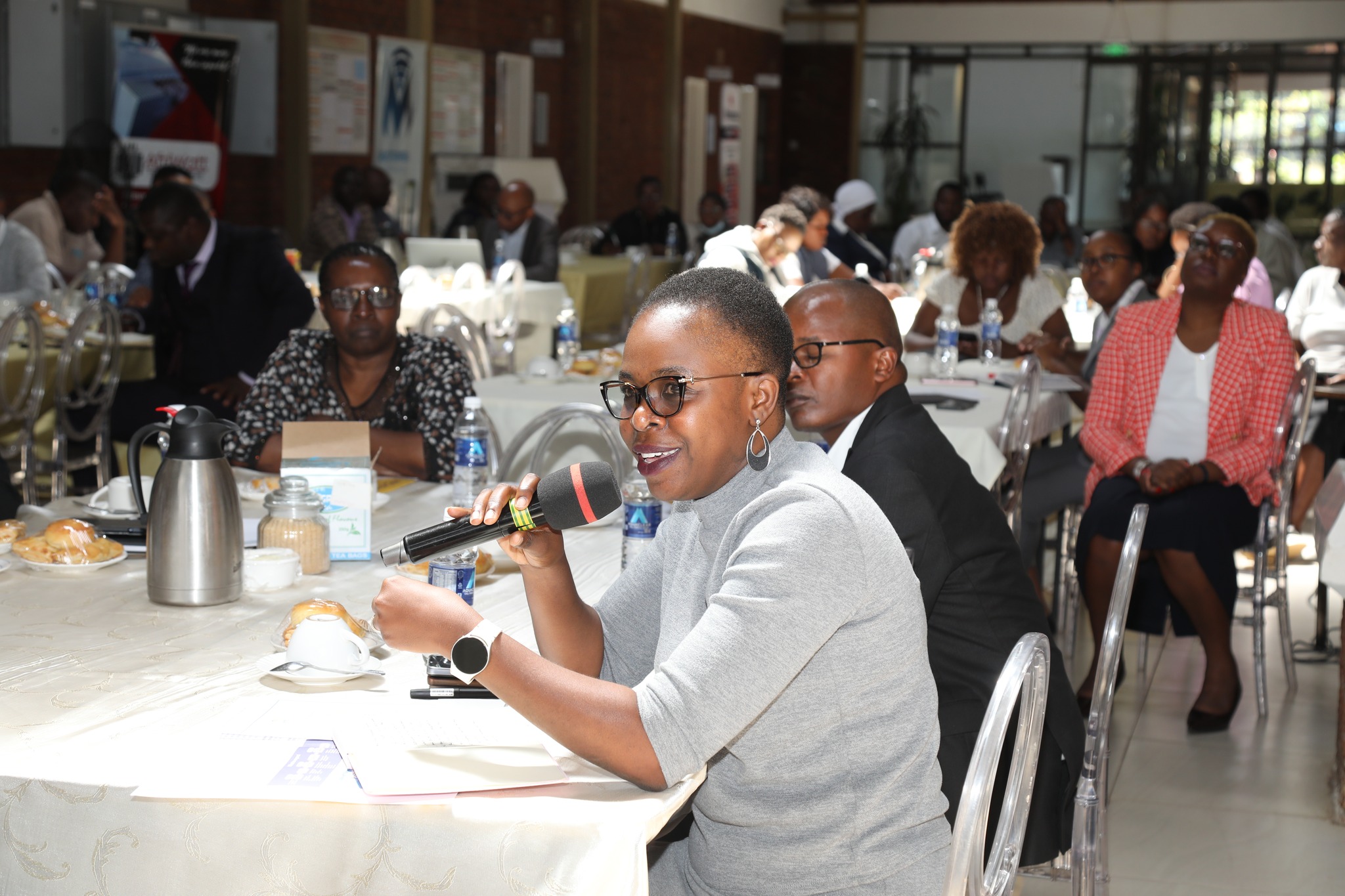
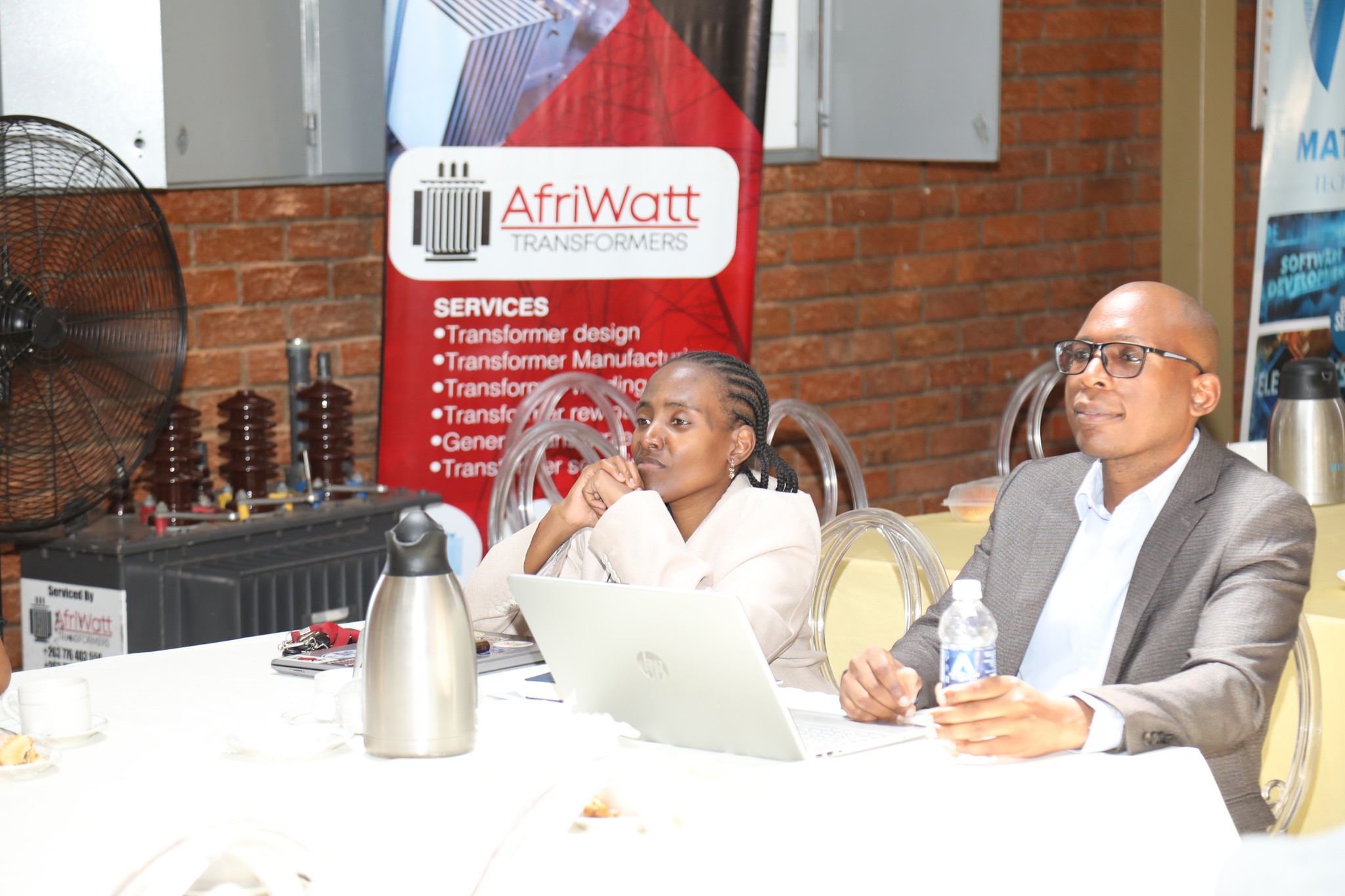
A stakeholder engagement session, facilitated by Mr T. Musenda, focused on strengthening partnerships to enhance student clinical placements, align curricula with industry needs, and improve graduate workforce readiness. An open forum and Q&A session, moderated by Mrs W. Matika, allowed participants to share insights and ask questions.
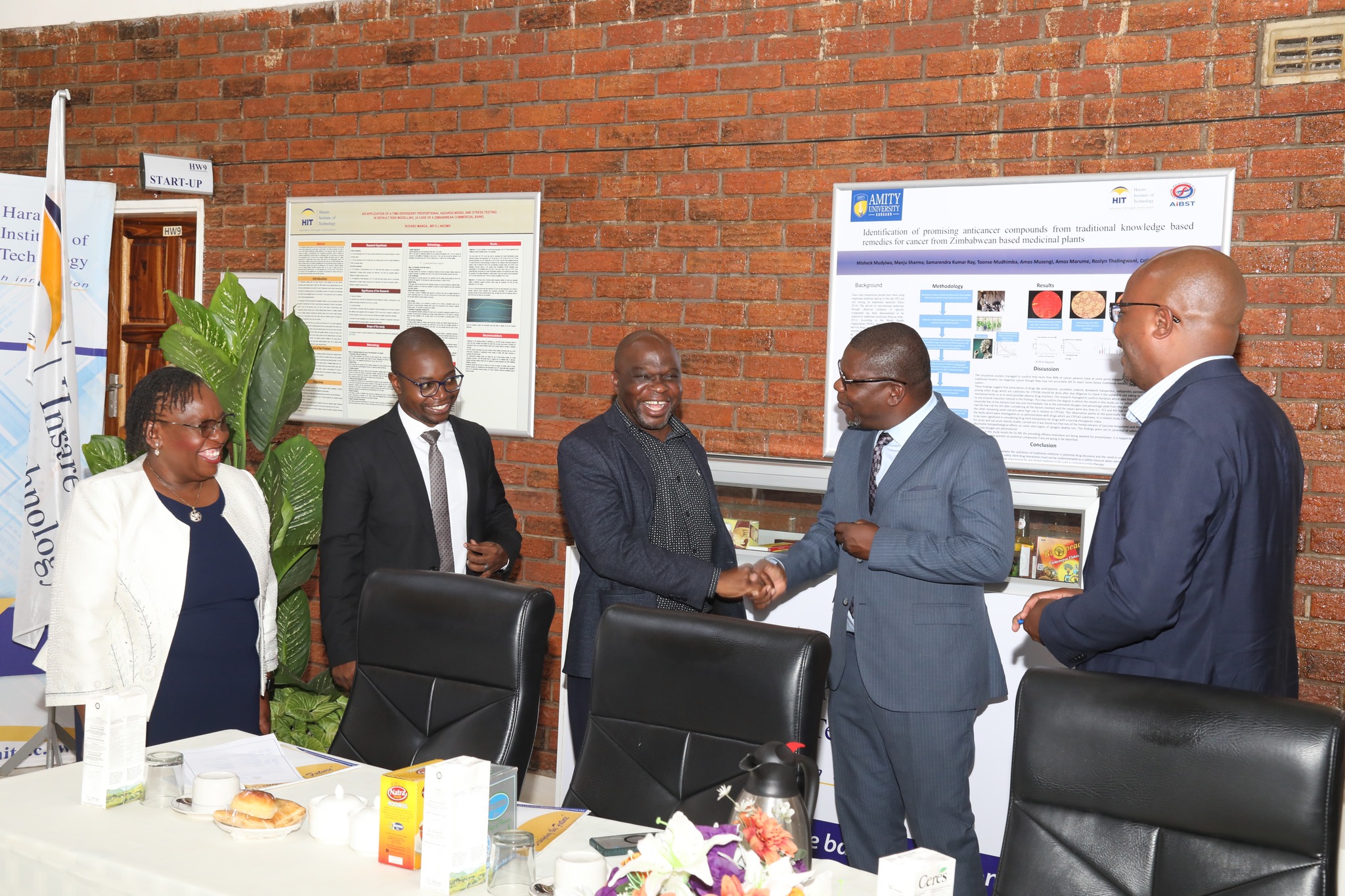
The breakfast meeting marked the start of what organisers hope will be a sustained dialogue between academia and industry to transform health education and innovation in Zimbabwe. The meeting concluded with extended networking, reinforcing HIT’s commitment to collaborative progress in allied health.
The successful gathering underscored HIT’s dedication to innovation and stakeholder engagement in shaping the future of health sciences education.