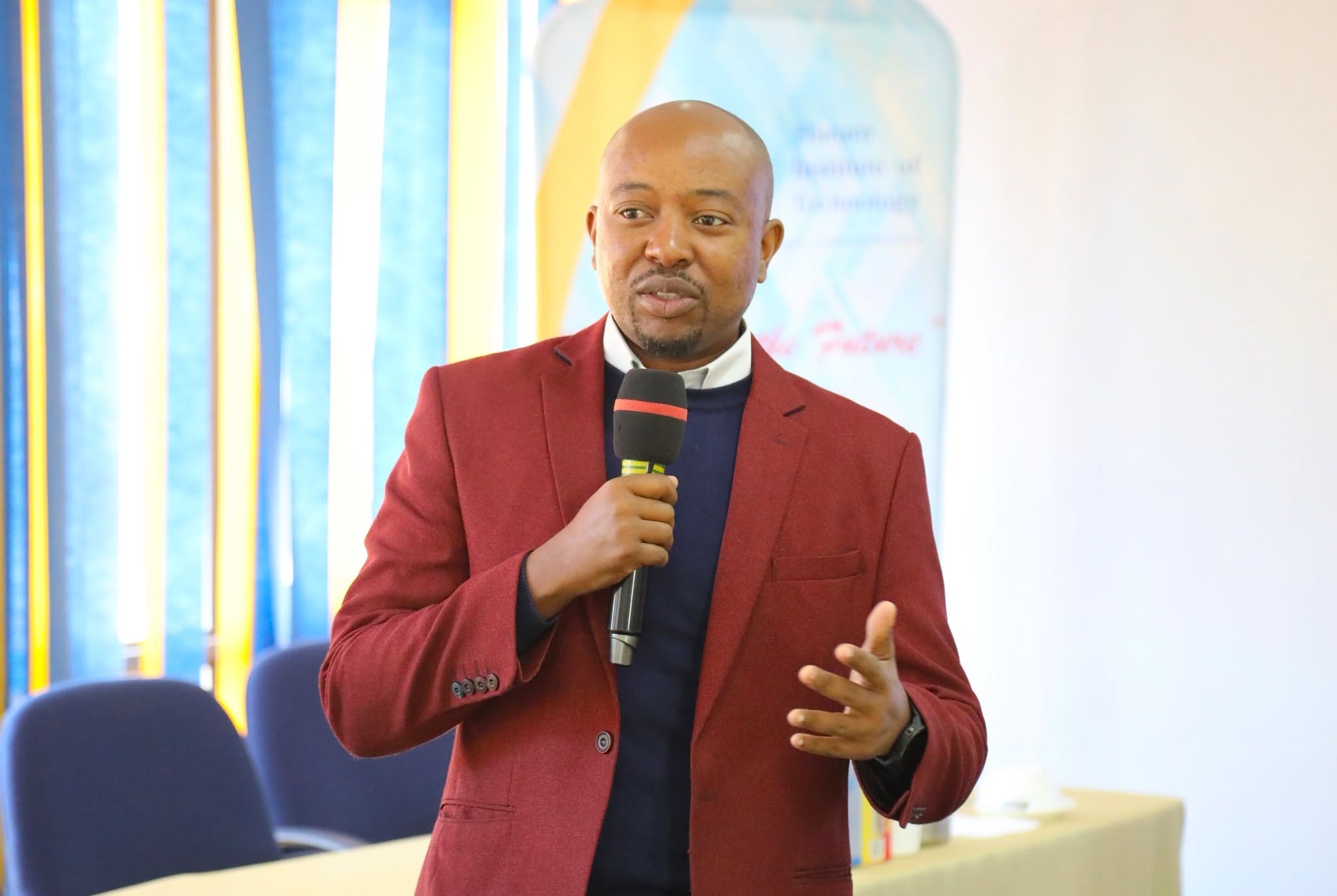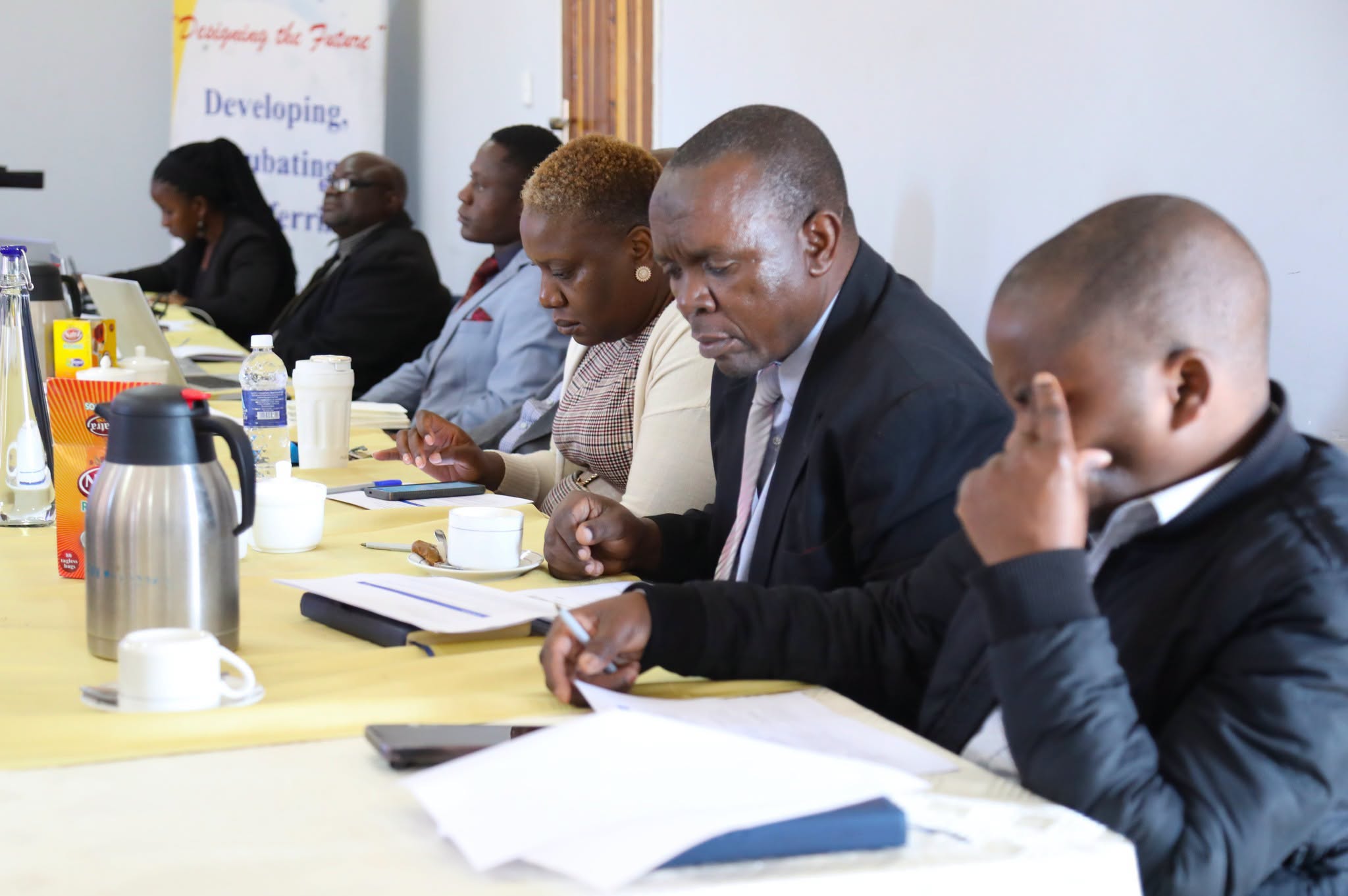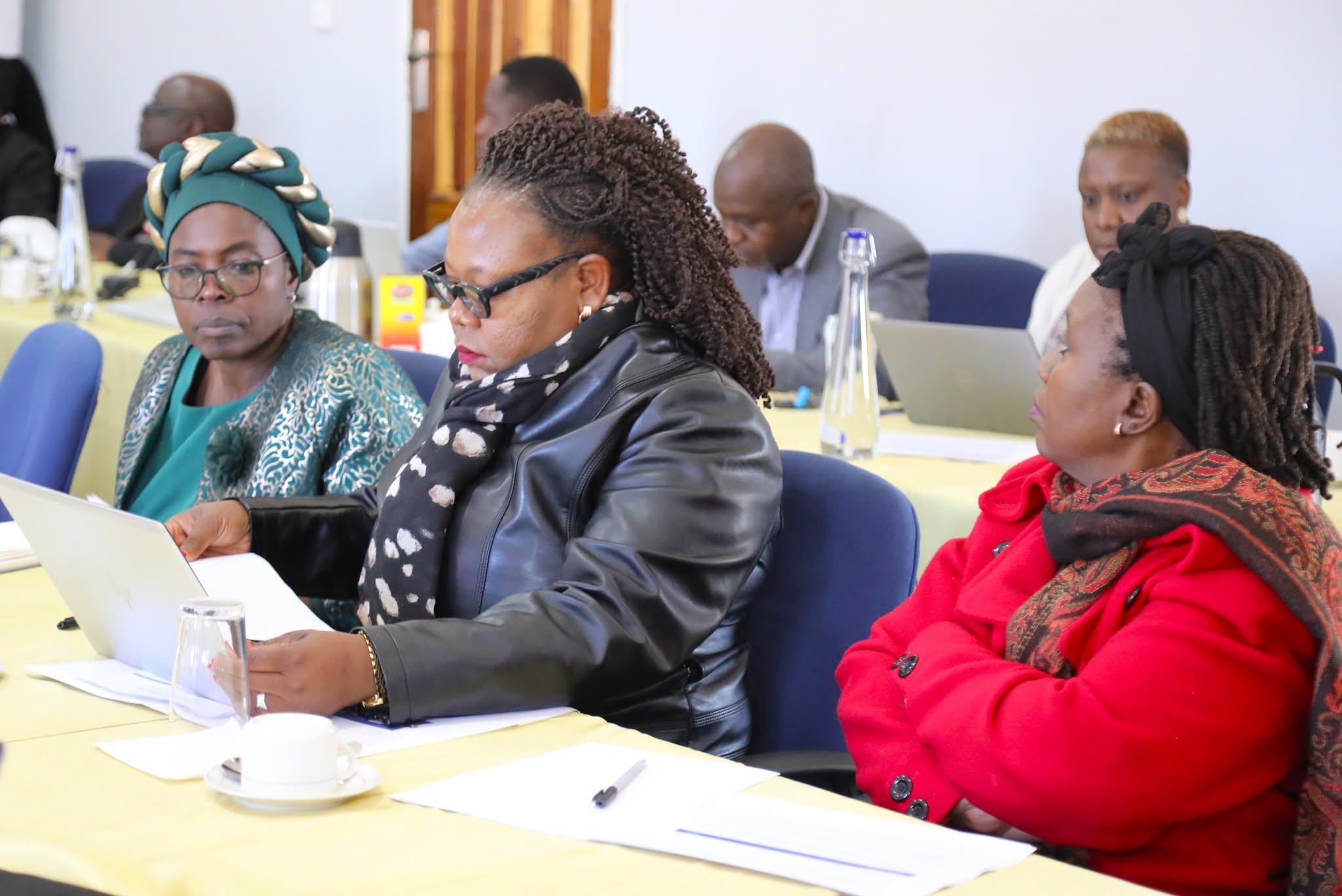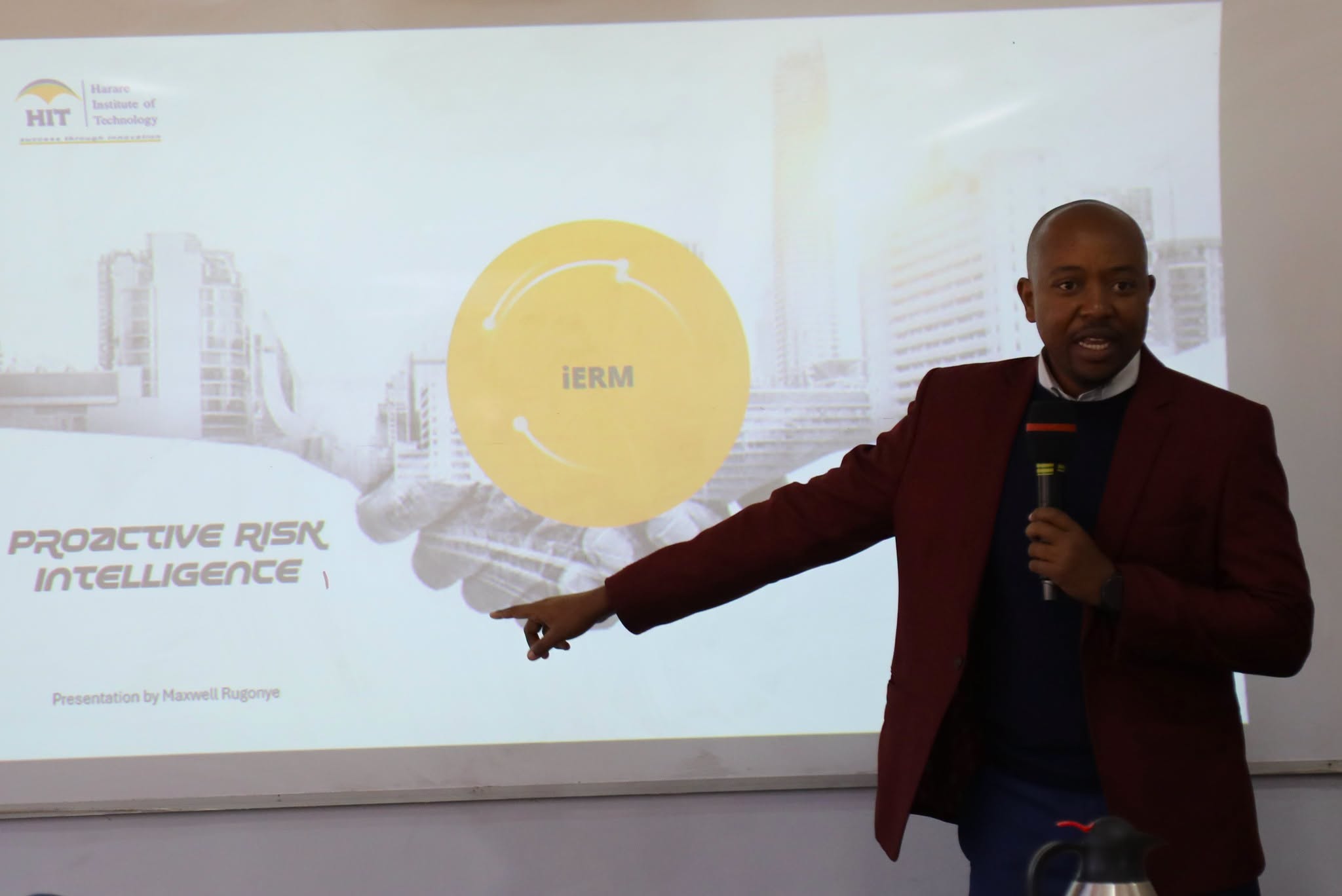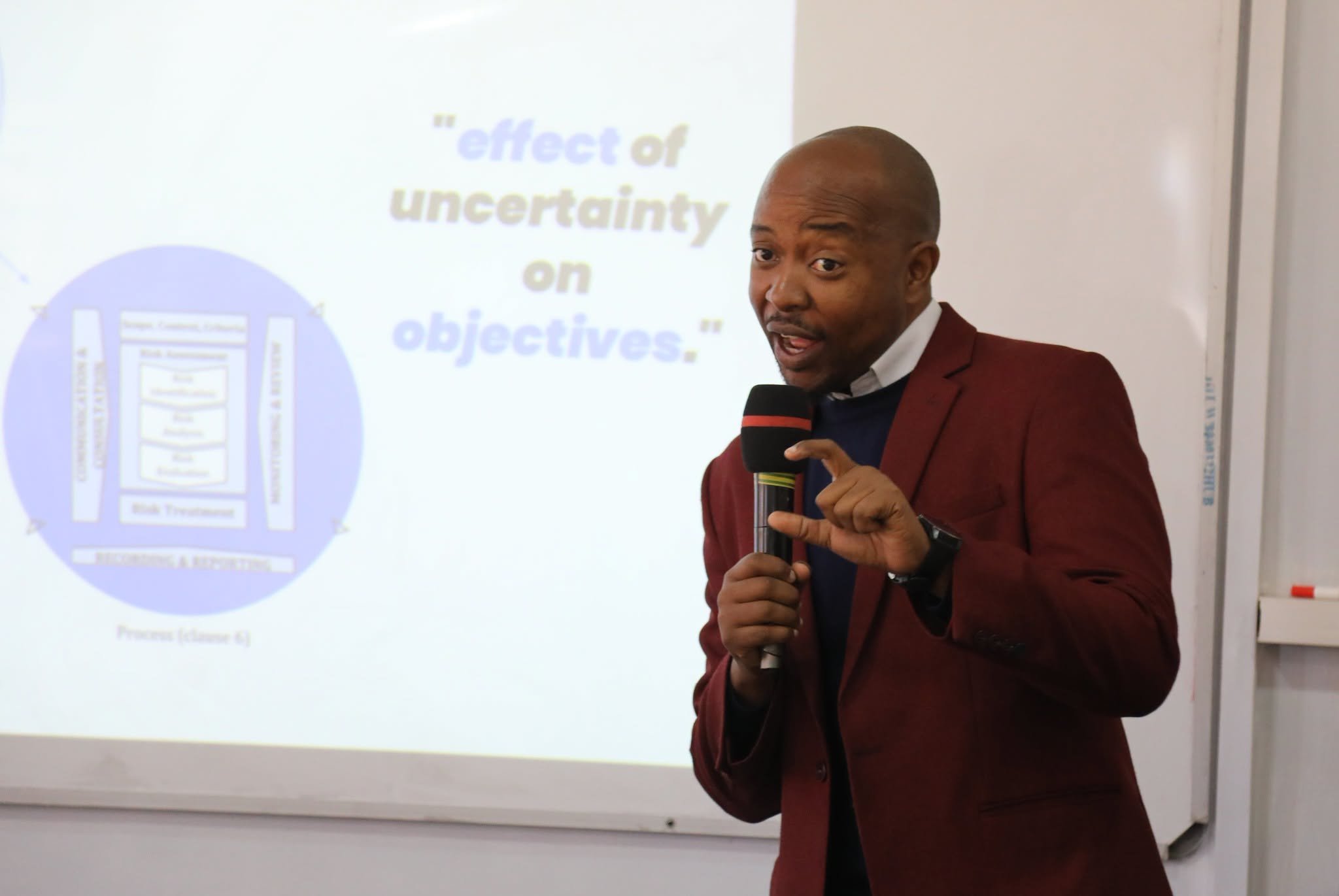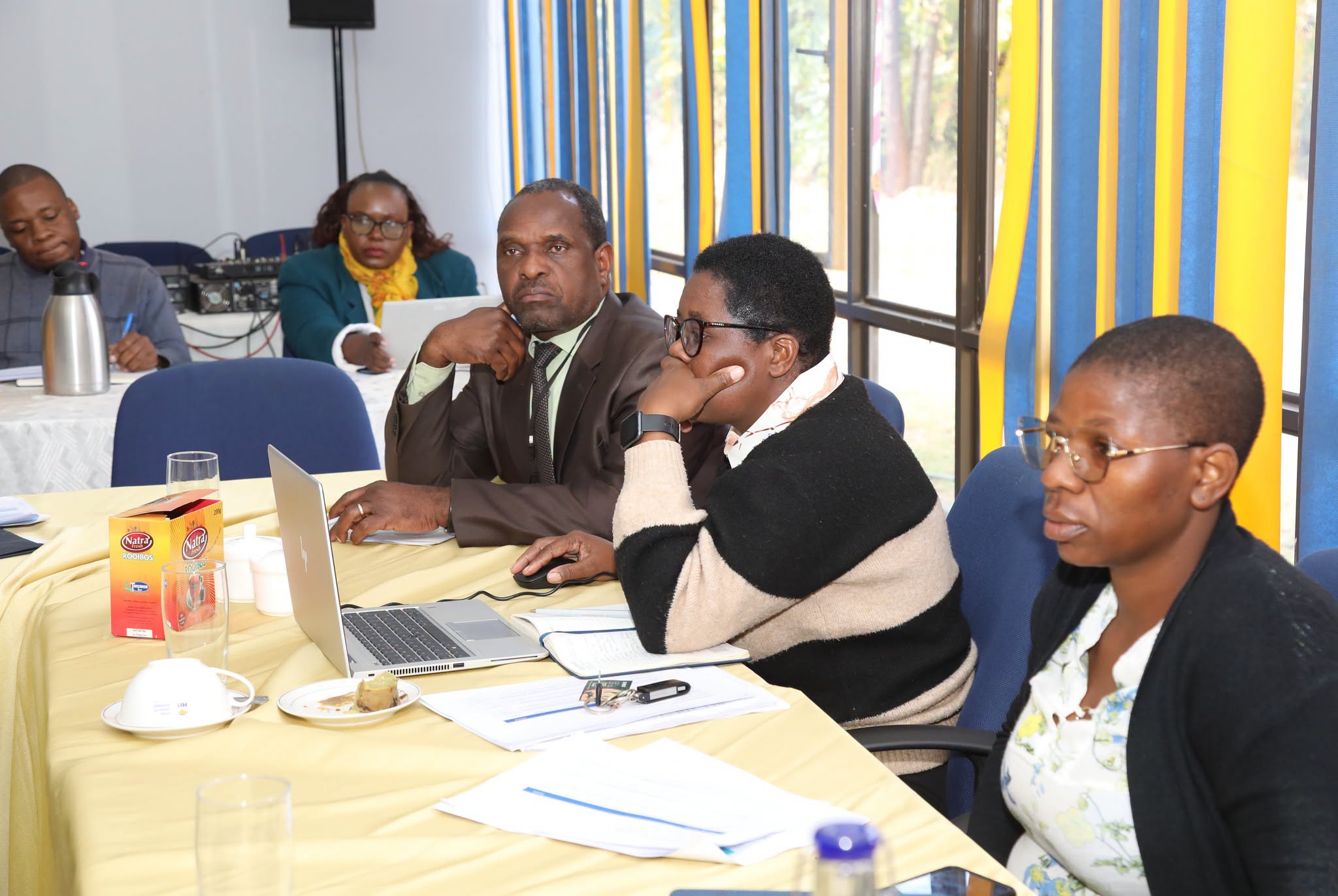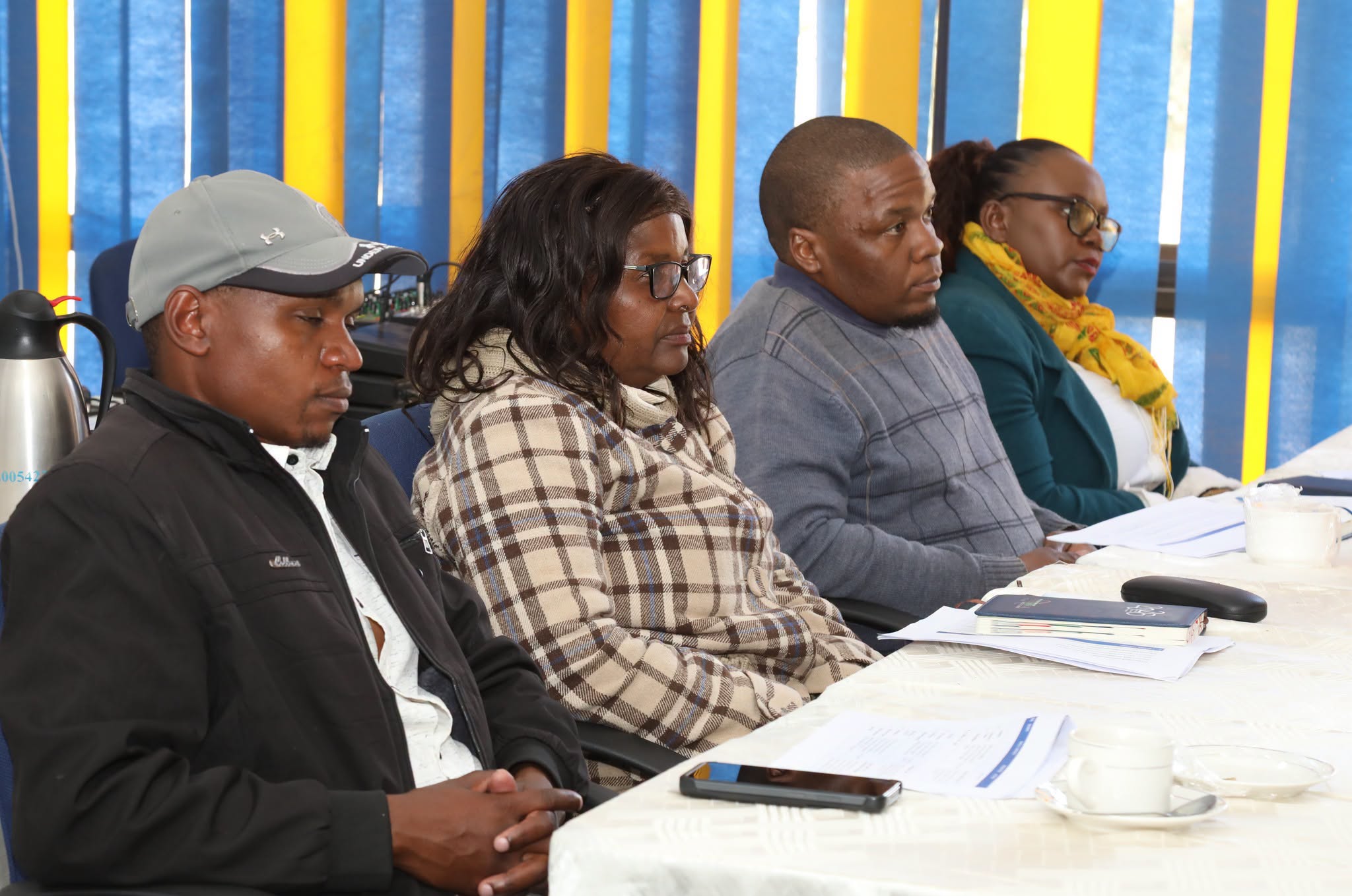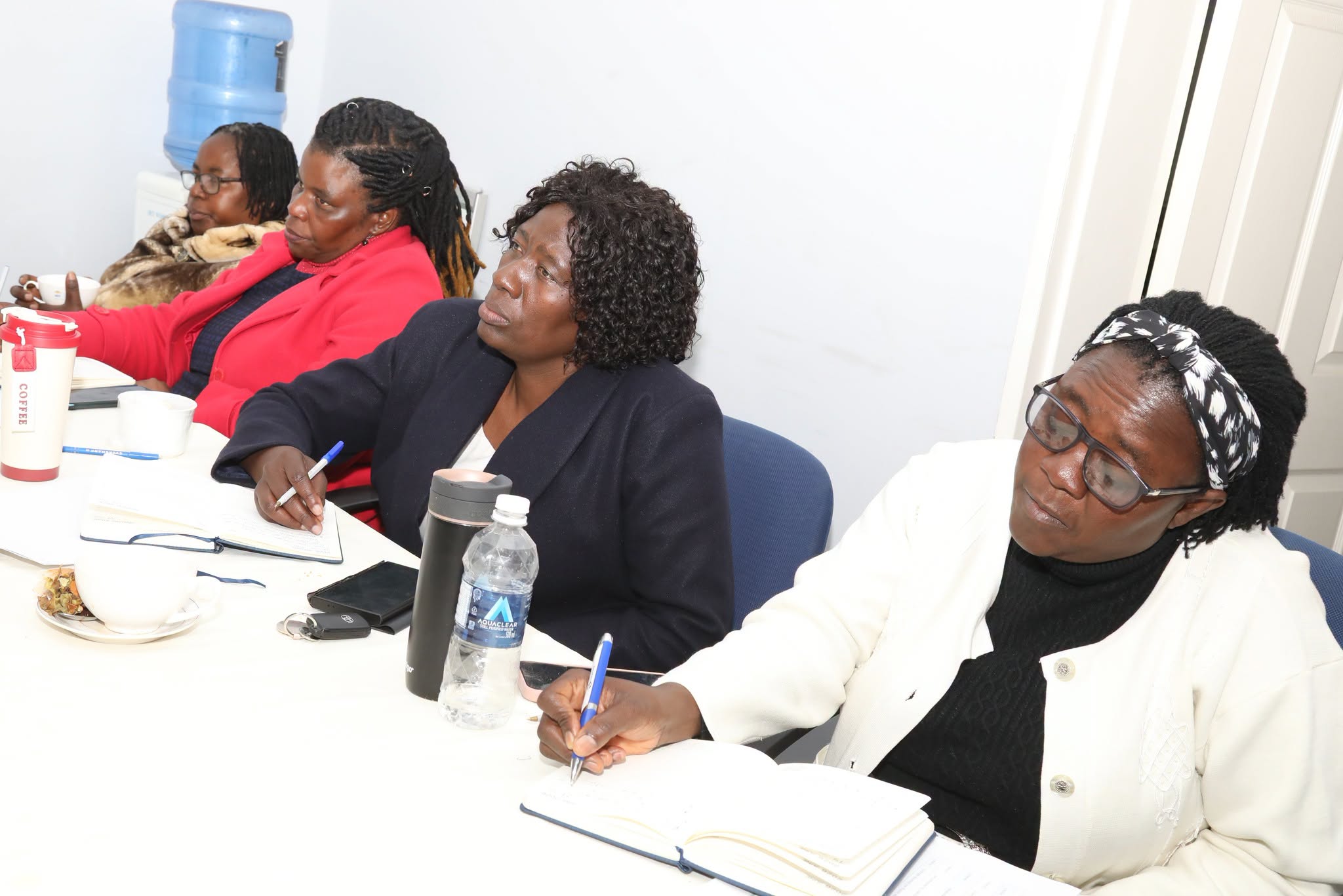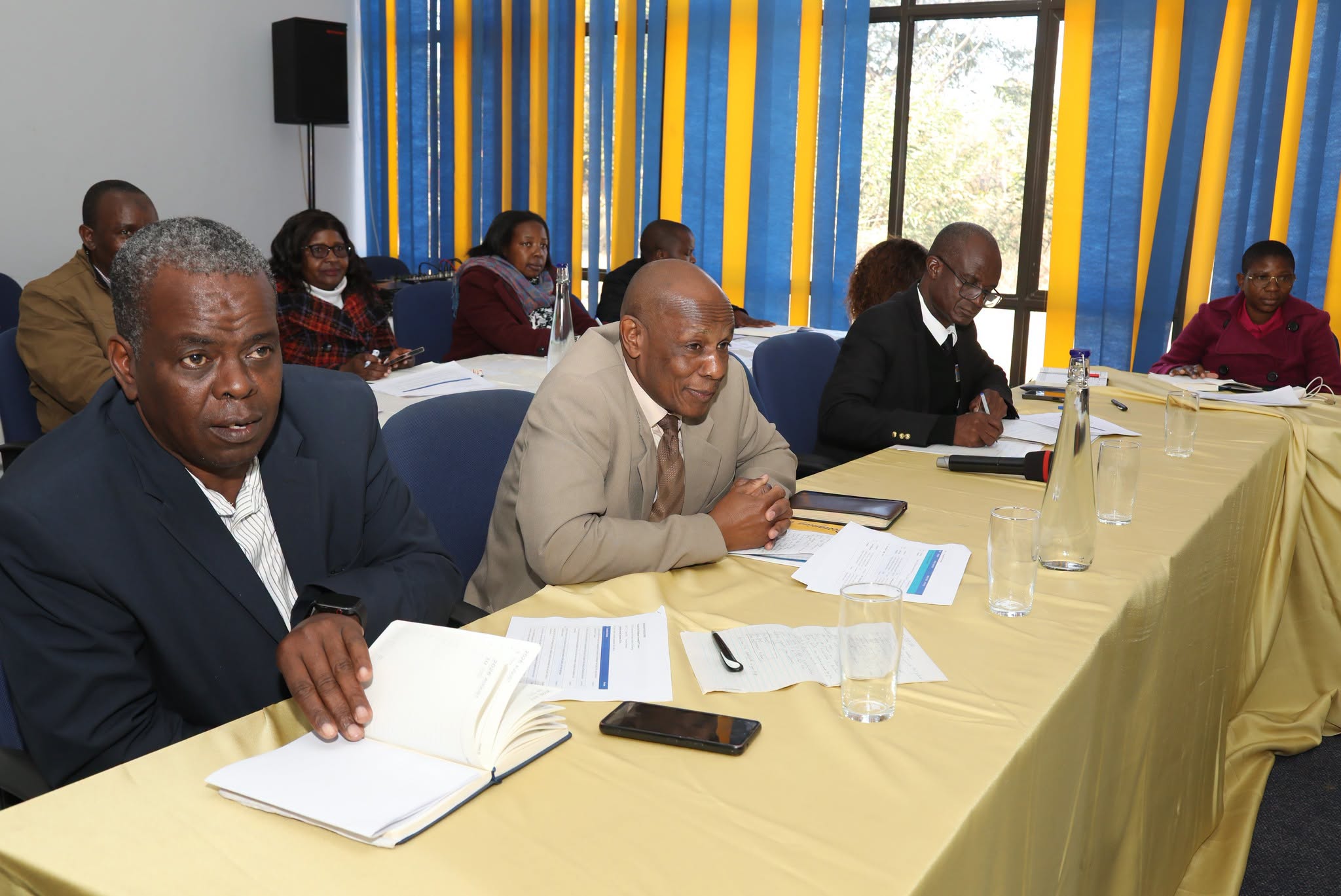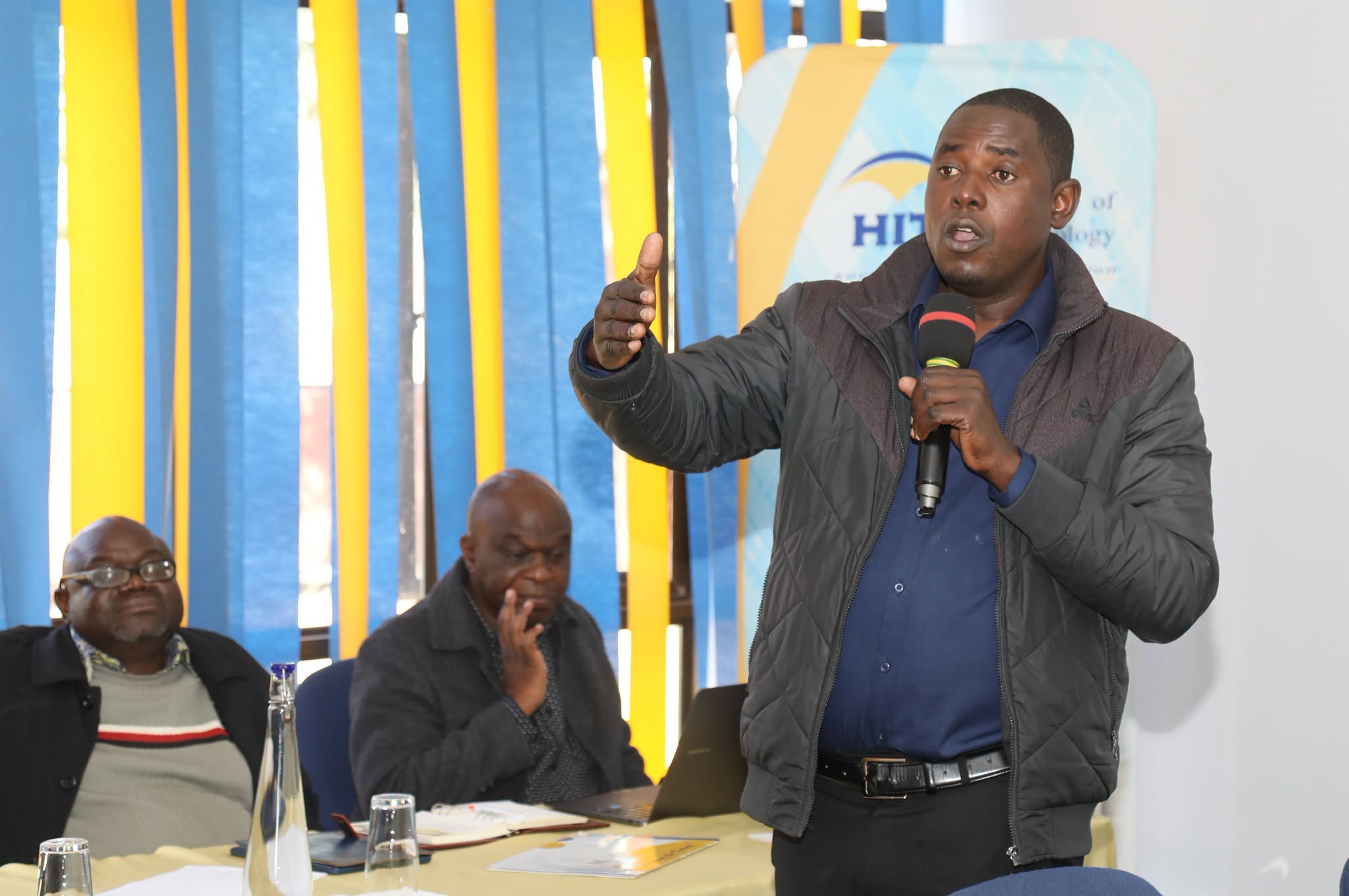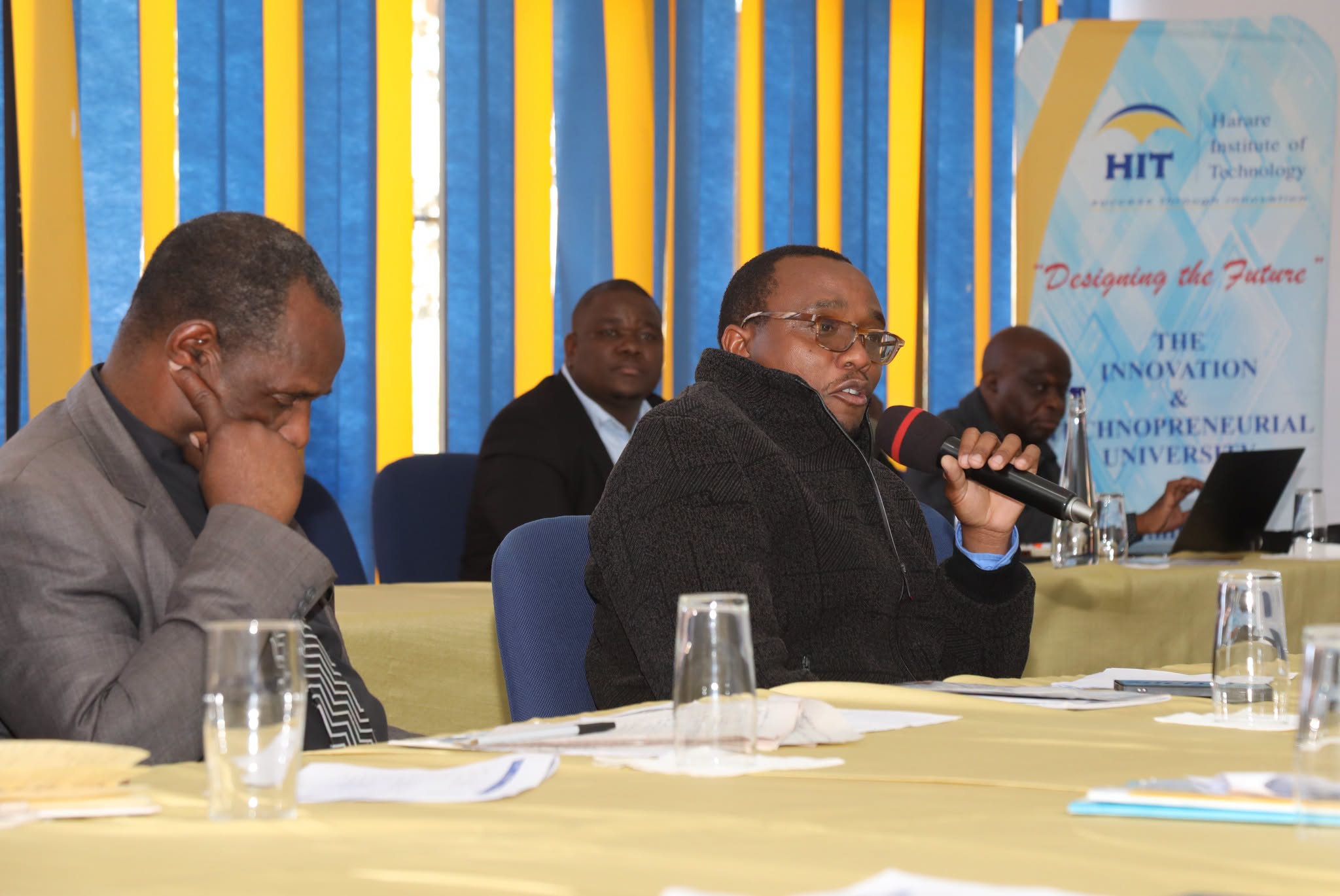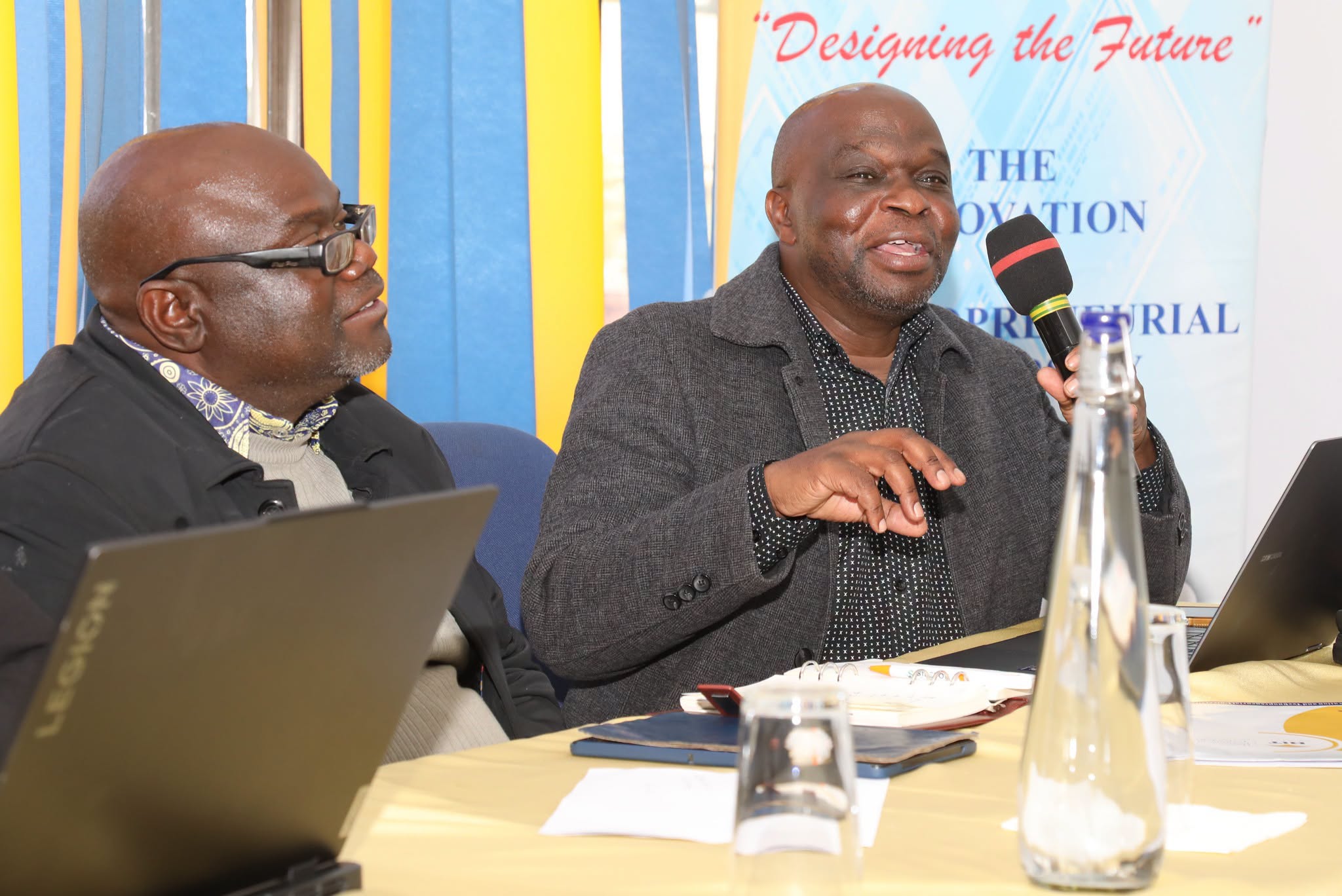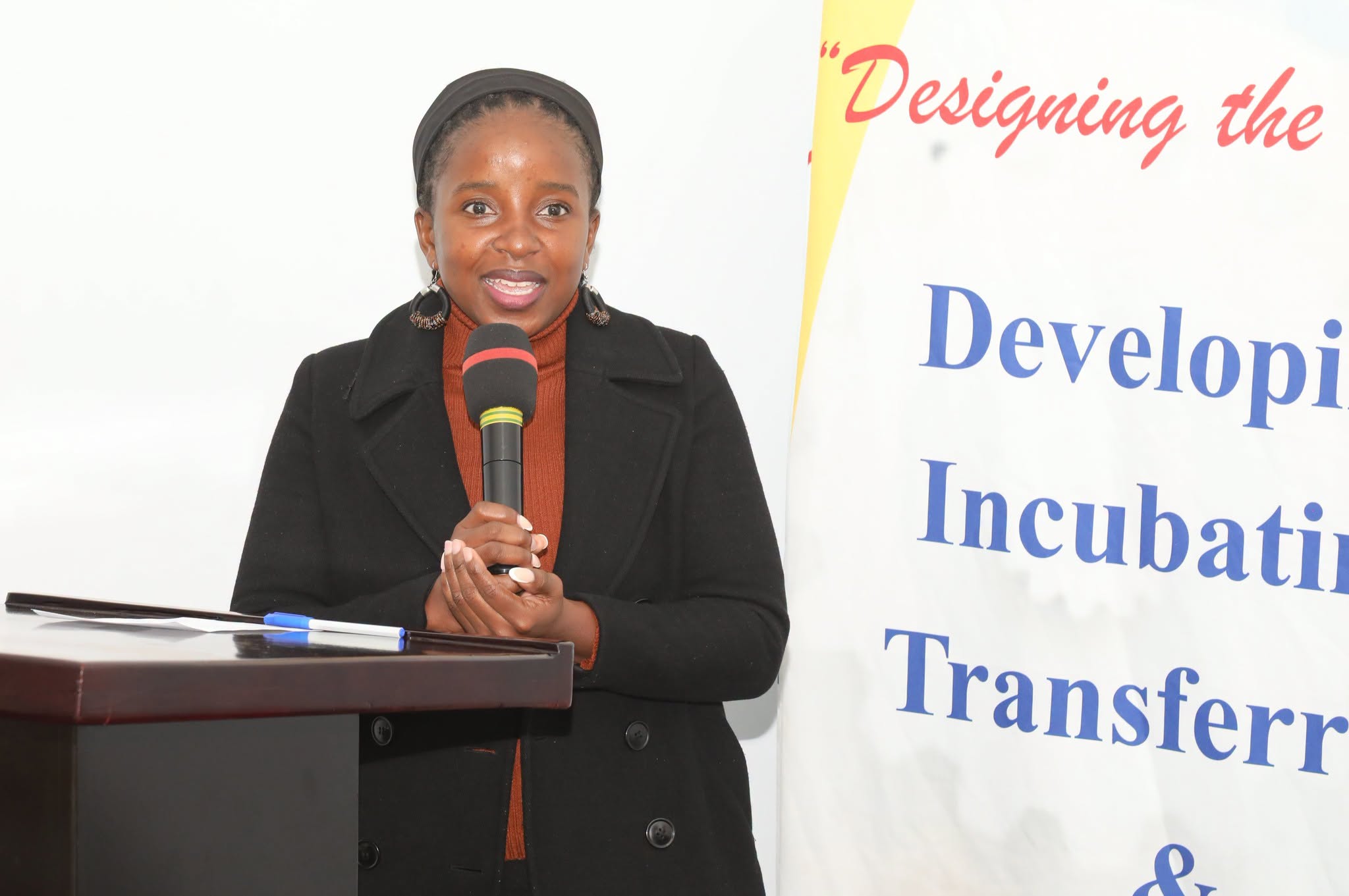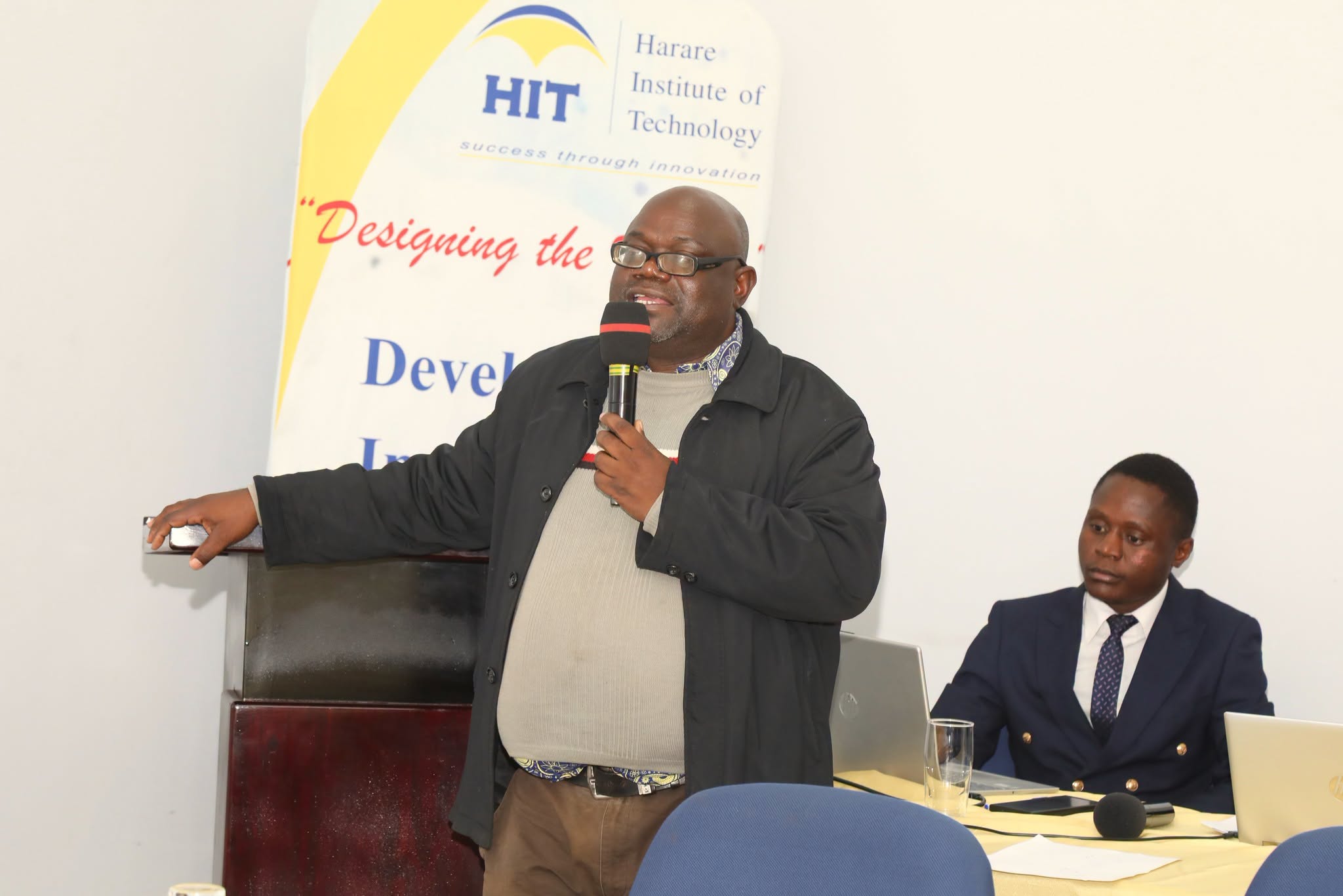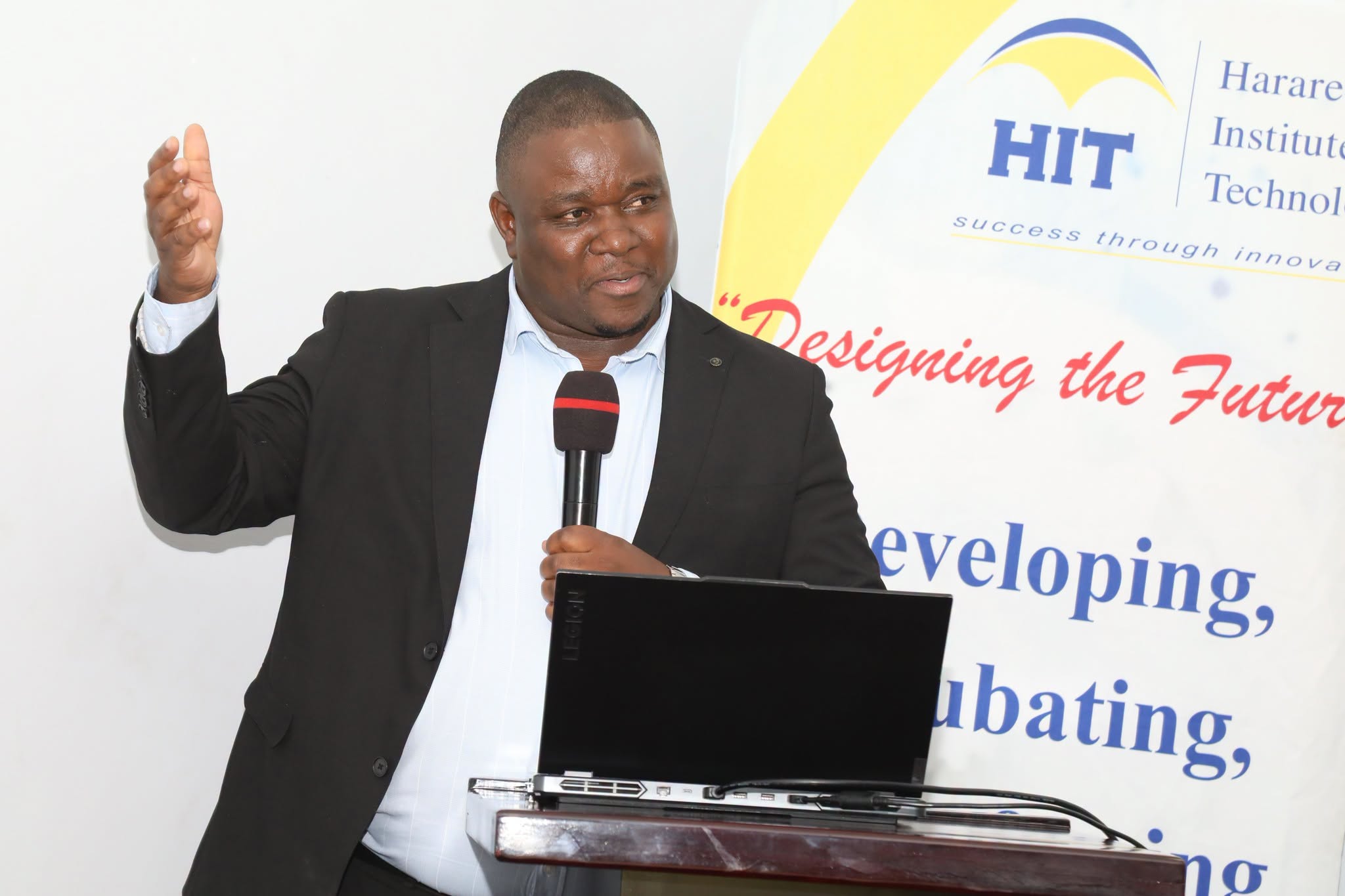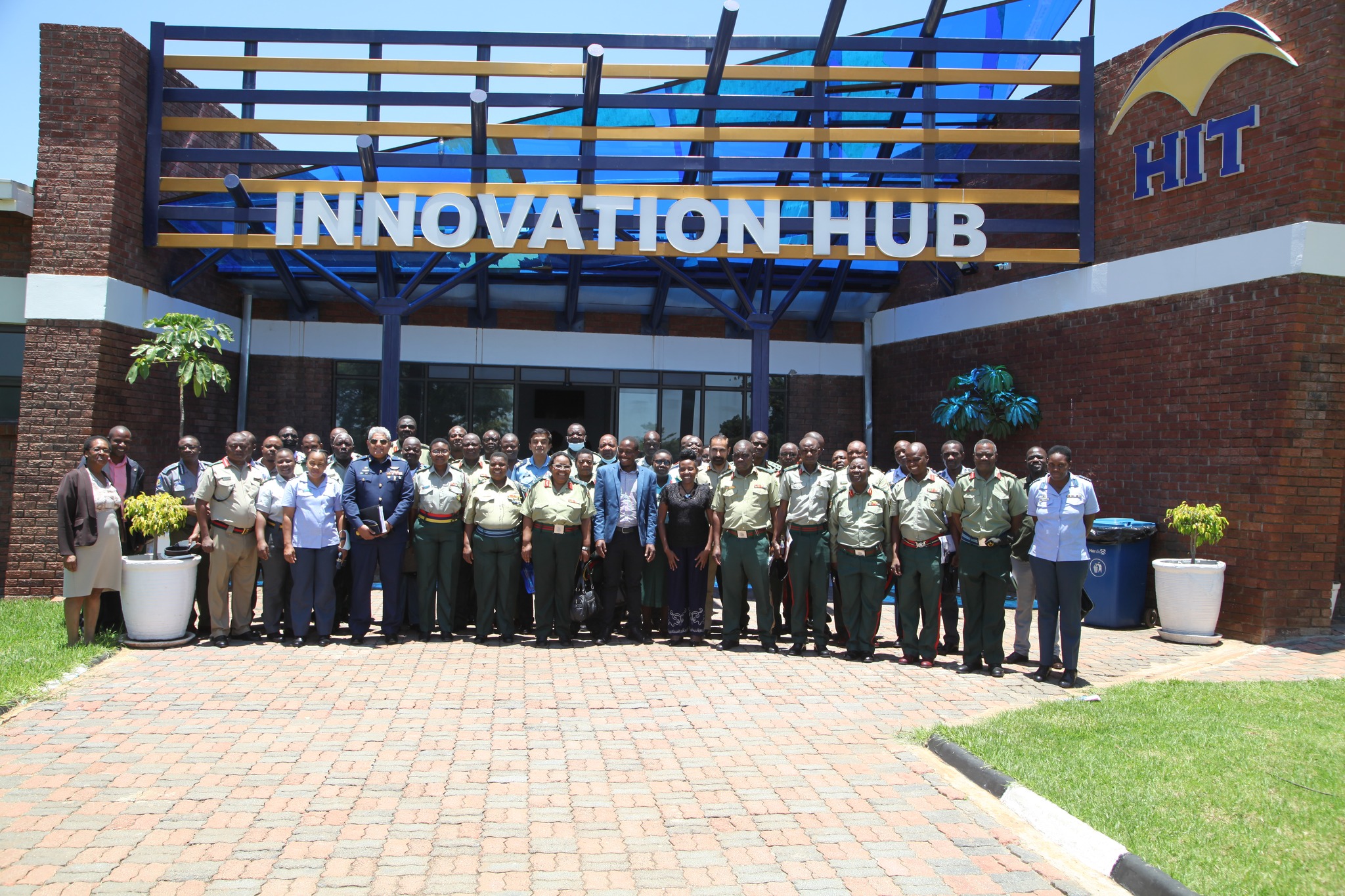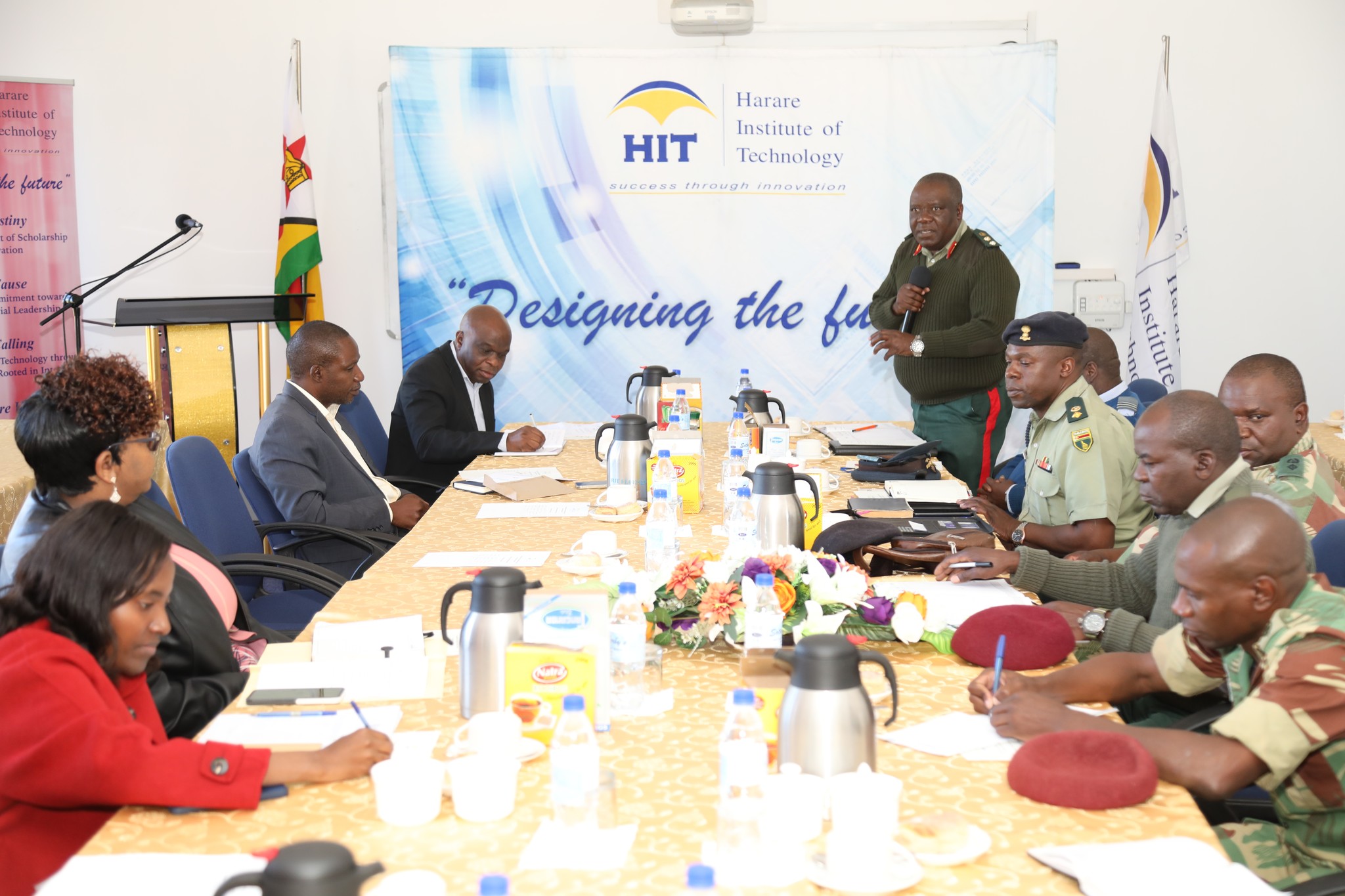
The Harare Institute of Technology (HIT) is doubling down on resilience. From 22–23 June 2026, the Enterprise Risk Management (ERM) Committee hosted a landmark two-day workshop themed “Proactive Risk Intelligence: Securing HIT’s Future,” bringing staff together to sharpen their understanding of risk management and embed foresight into everyday institutional operations.
Setting the Tone
Opening the event, Pro-Vice Chancellor Mr W. Gwarimbo reminded participants that risk is a constant companion in institutional life, and that how an organisation chooses to respond to it makes all the difference. He framed HIT staff as custodians of knowledge and innovation, urging them to meet risk not with avoidance, but with foresight and intelligence. His message set the stage for a workshop built around one core shift: moving from reactive firefighting to proactive anticipation.
What the Workshop Covered
The programme was carefully designed to deepen participants’ grasp of ERM principles while reinforcing HIT’s broader governance structures. Key focus areas included:
Foundations of Proactive Risk Intelligence
Risk Identification, Assessment, Monitoring, and Integrated Reporting
Cybersecurity Risk Intelligence
Development and Implementation of Risk Mitigation Strategies
SHE (Safety, Health, and Environment) Risk Intelligence
Action Planning and 30/60/90-Day Roadmaps for embedding risk-aware cultures
Learning from the Experts
The sessions were enriched by seasoned industry professionals who brought both technical depth and practical experience to the room:
Mr Mabasa Mwakutuya, a distinguished ERM and actuarial consultant with a strong track record across Africa, including work with ZERA, SAZ, Nicoz Diamond, and Tropical Re, shared insights on quantitative risk modelling and governance. He currently leads a Quantitative Risk and Modelling Team at TN Cybertech Bank, lending real-world authority to the discussion.
Mr Maxwell Rugonye, who brings 19 years of experience in audit, risk, consulting, and data analytics, championed the role of digital tools in modern risk management. His demonstration of how SQL, Python, and Power BI can automate processes and improve visibility into risk exposures underscored a clear message: technology-driven decision-making is no longer optional for institutions serious about resilience.
Securing the Institution’s Future
At its core, the workshop reinforced HIT’s commitment to embedding resilience into every facet of its operations. By equipping staff with the tools to anticipate and mitigate risk before it materialises, HIT is safeguarding its institutional mandate while creating the secure environment innovation and academic excellence need to thrive.
This initiative is a clear marker of HIT’s forward-looking vision — an institution preparing today for the uncertainties of tomorrow, while continuing to lead in knowledge creation and technological advancement.