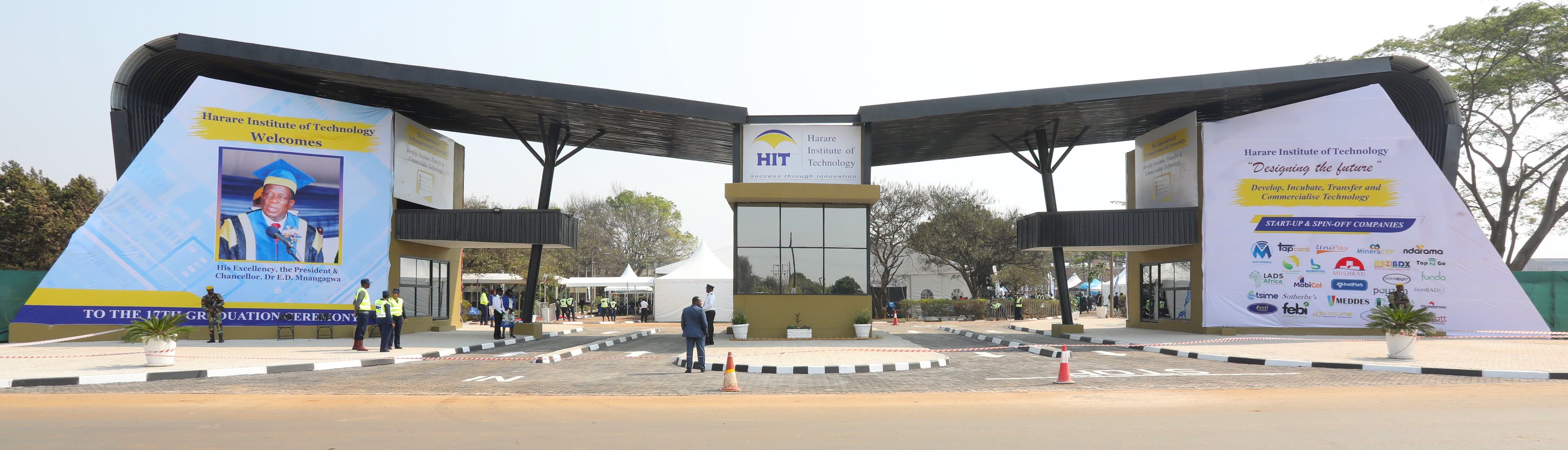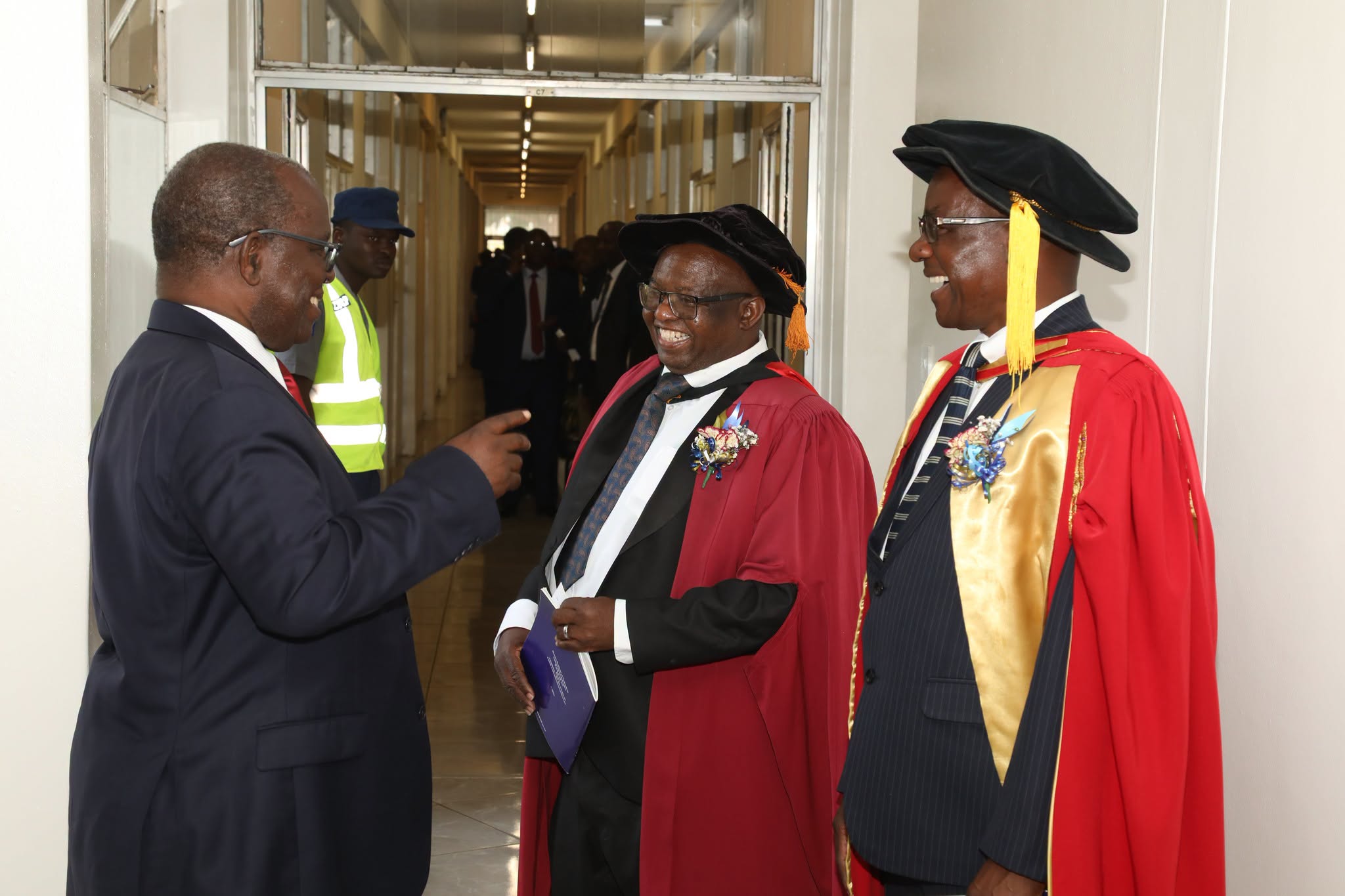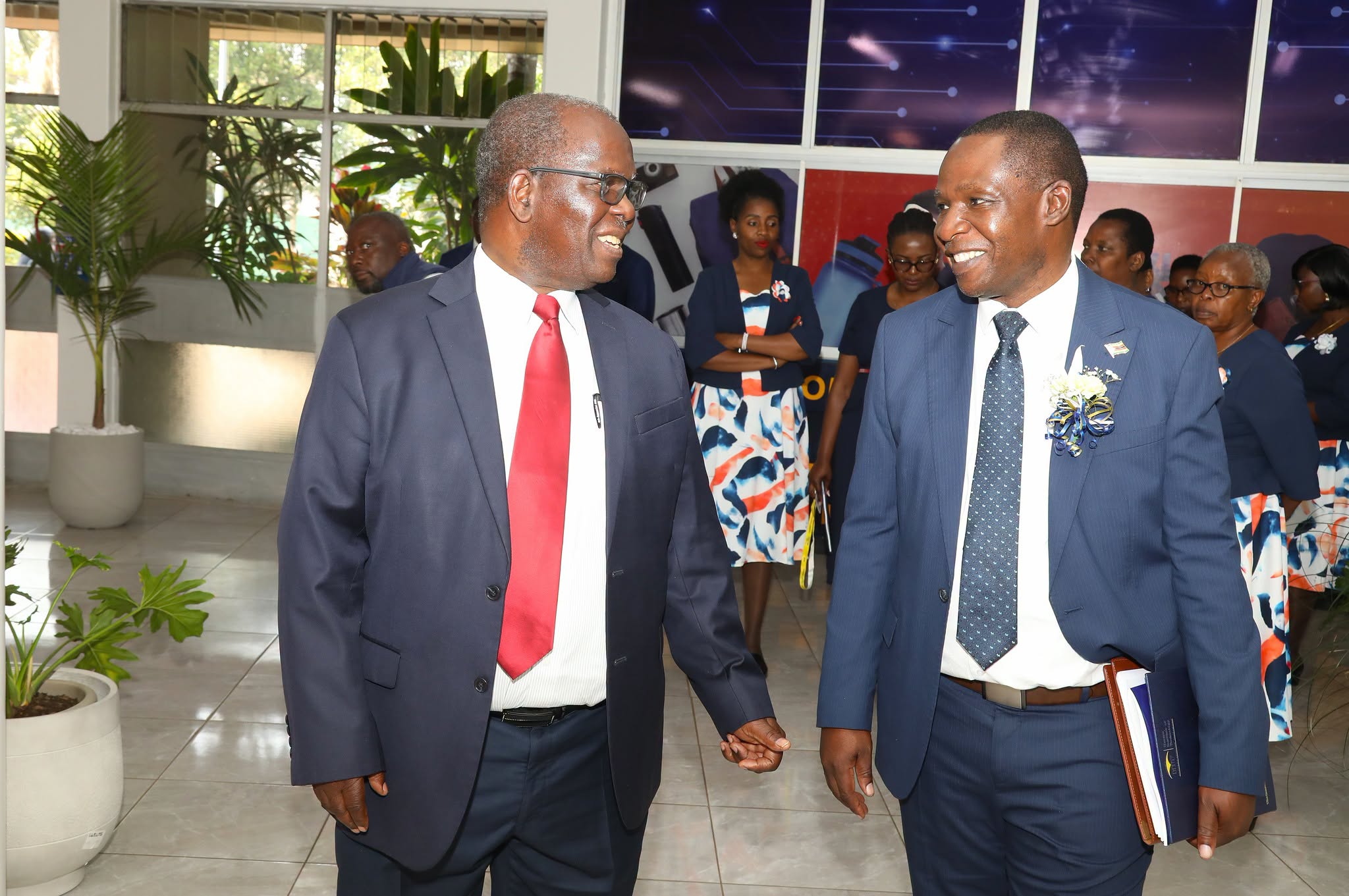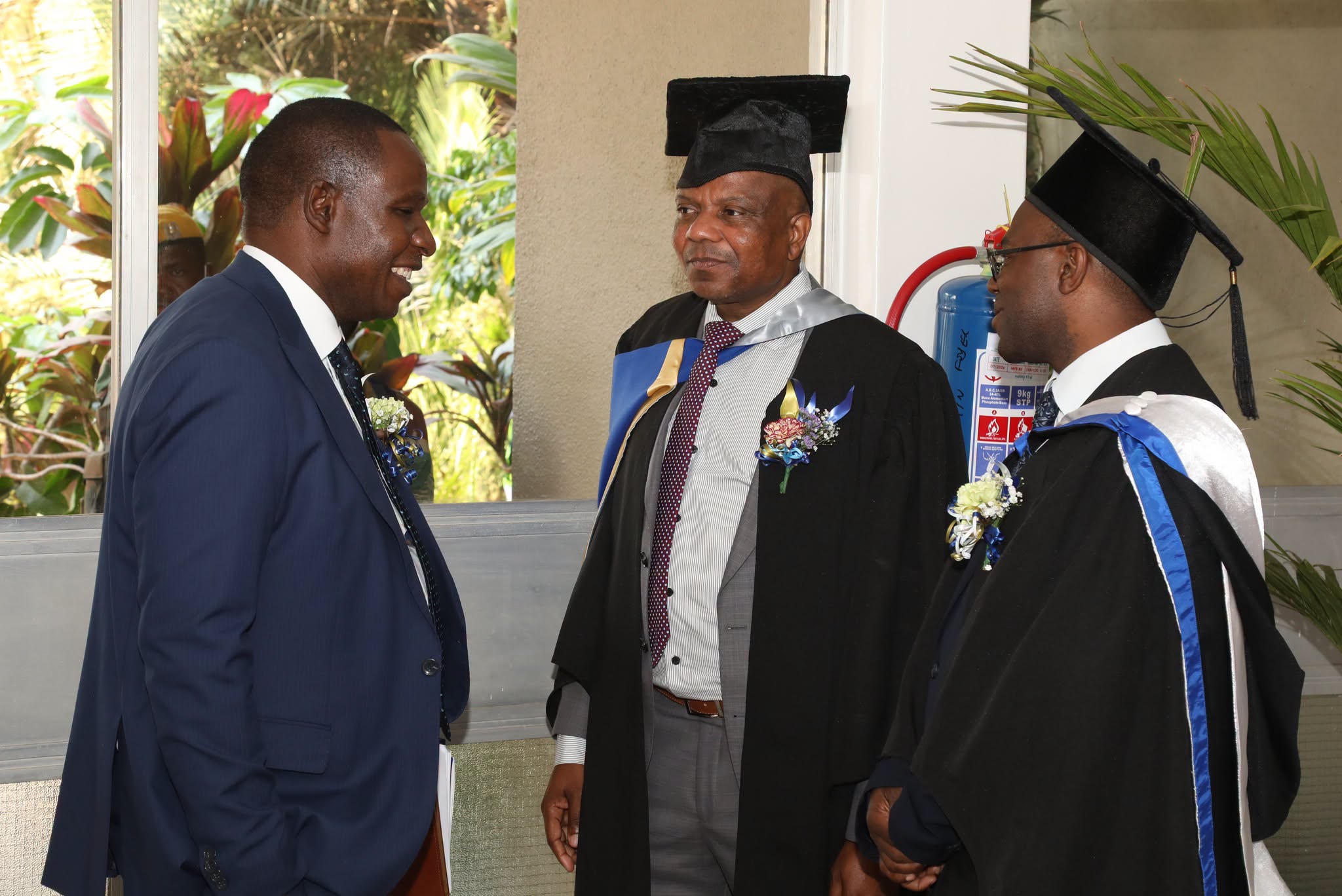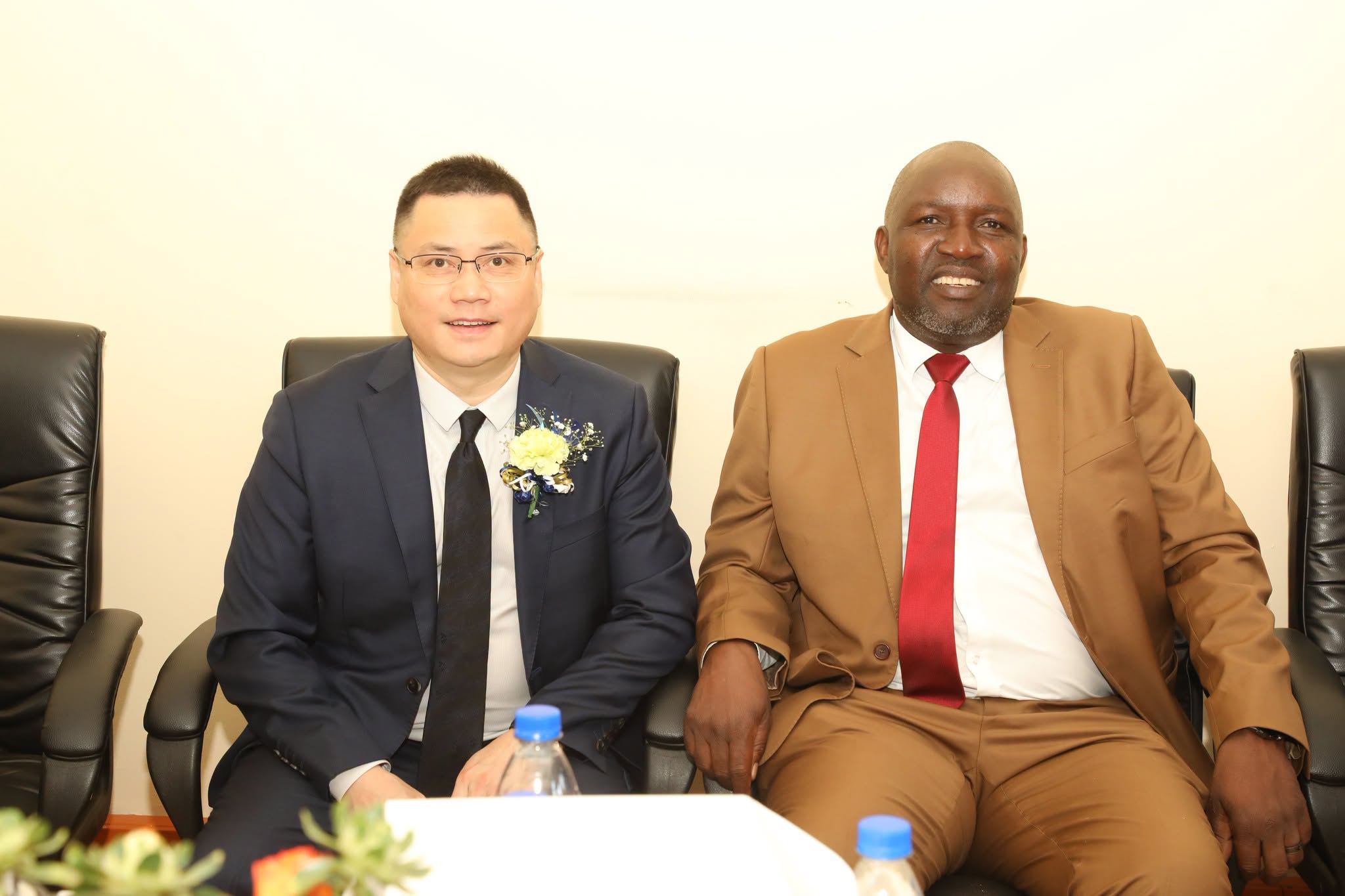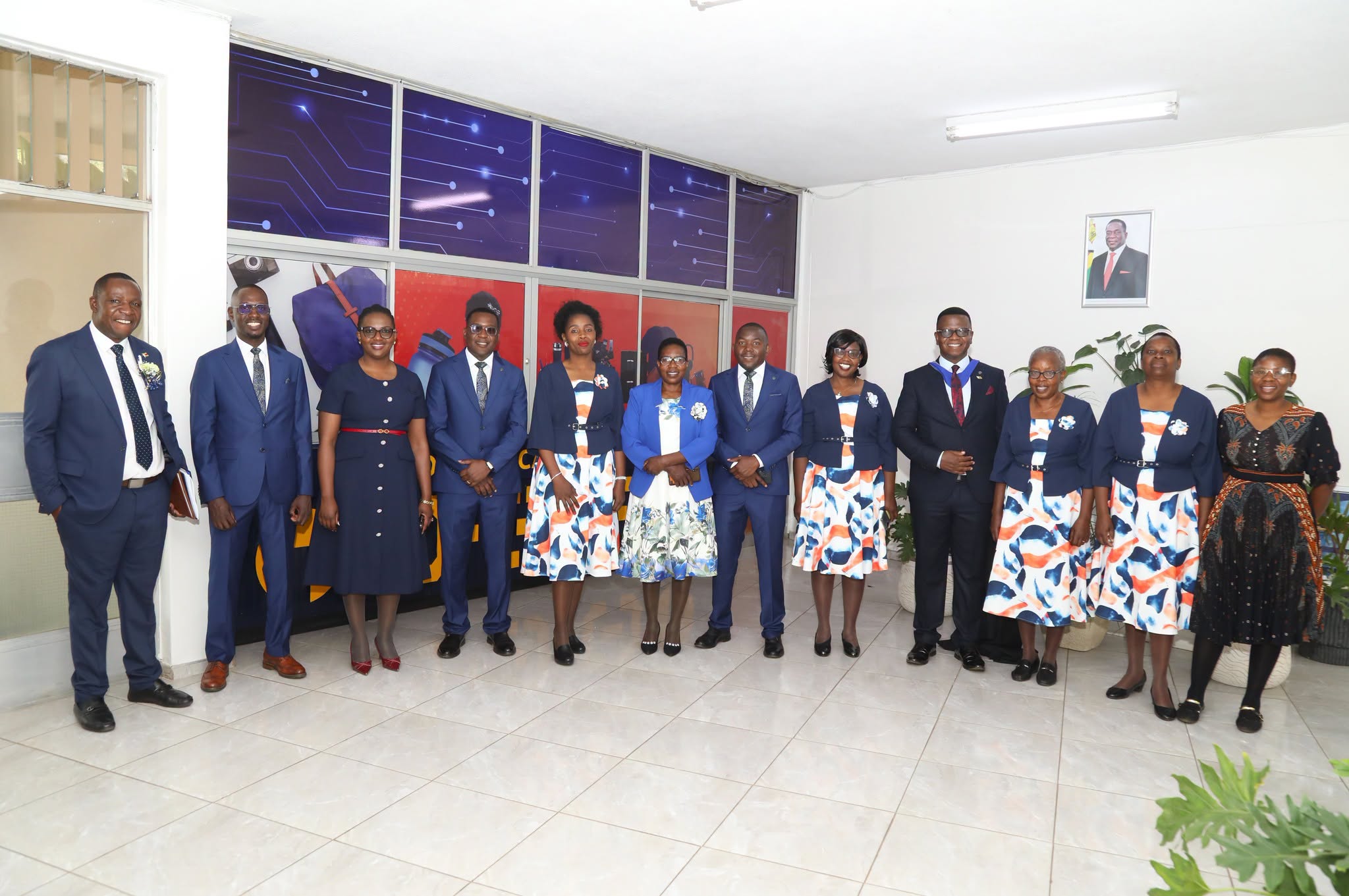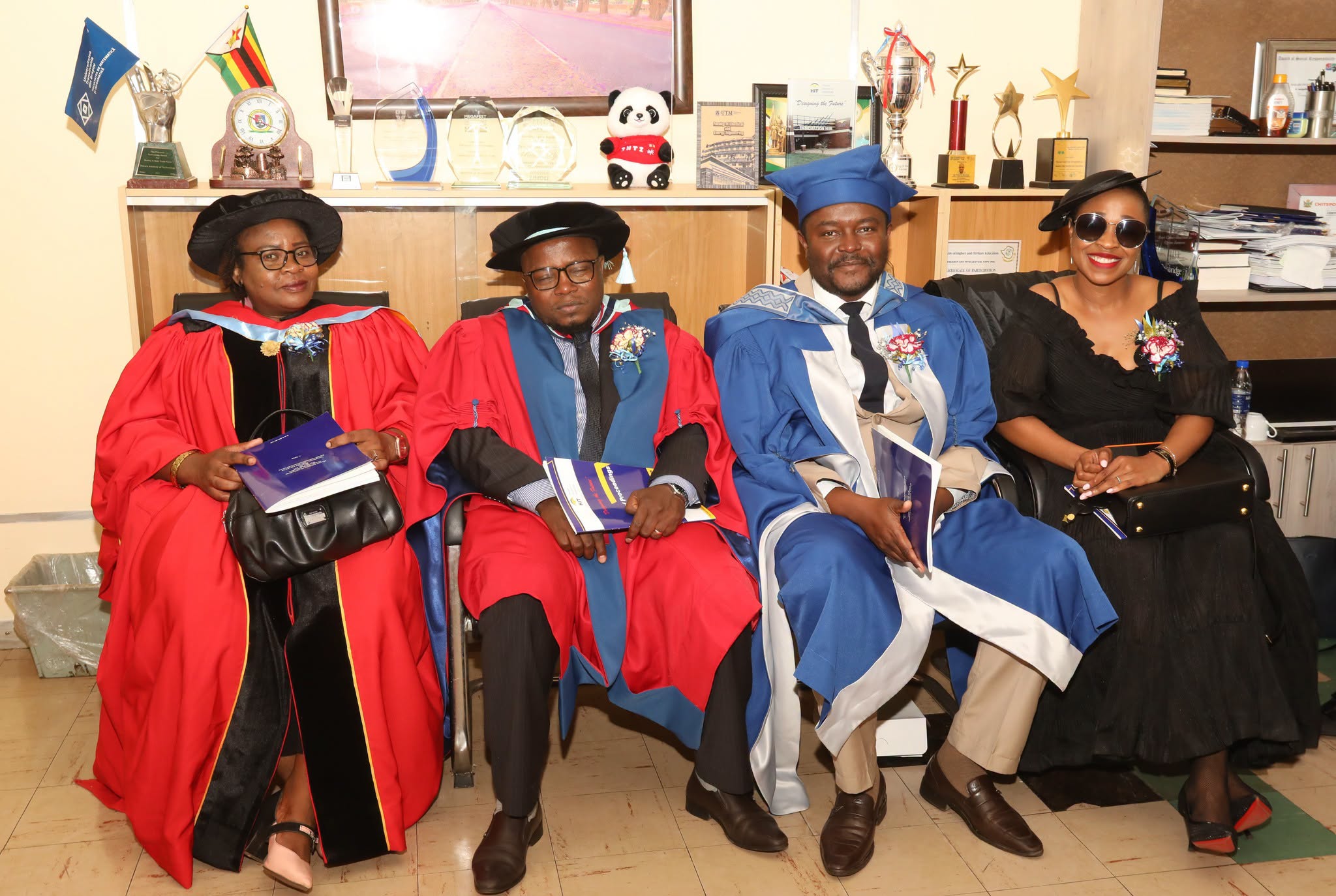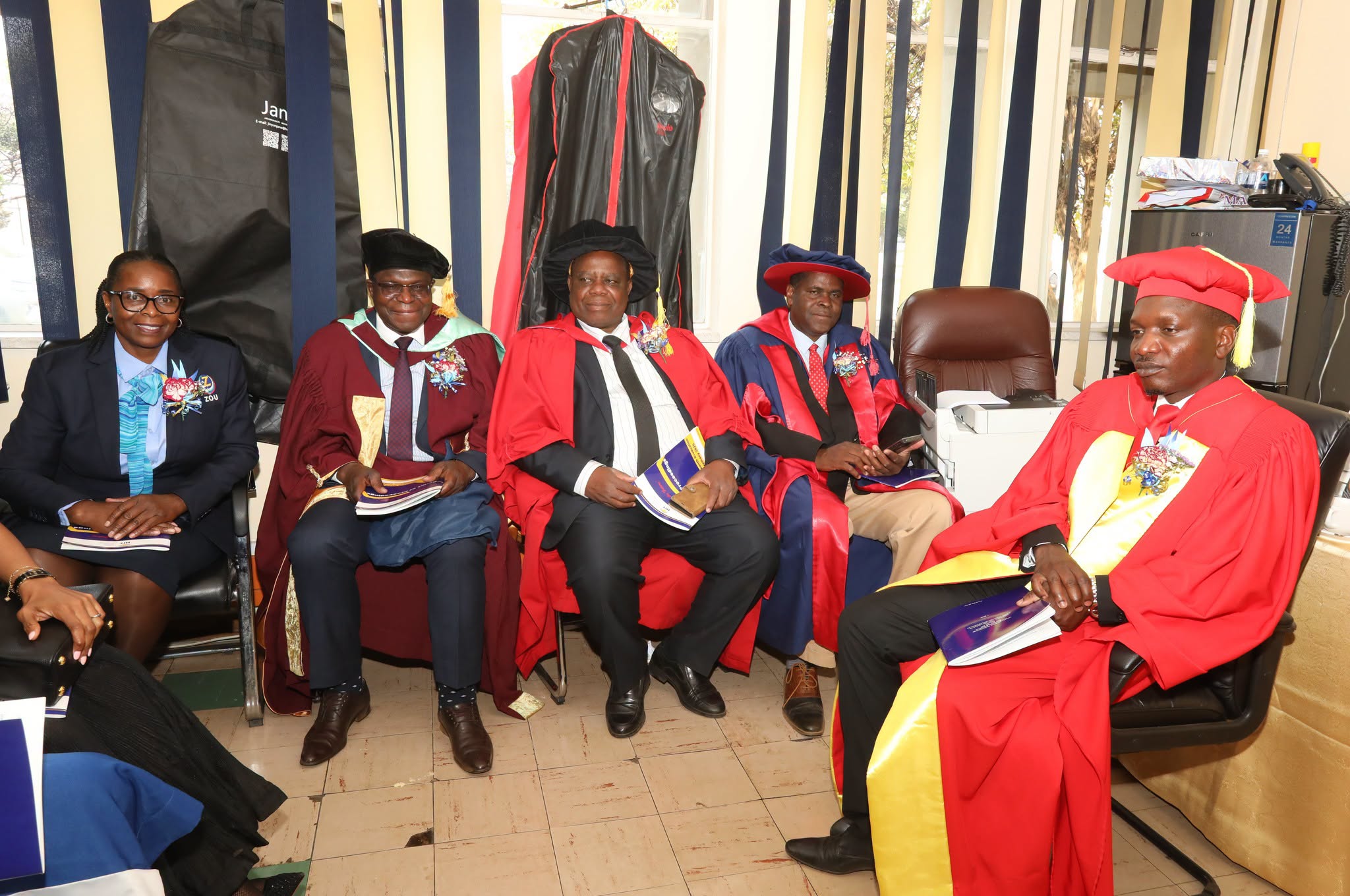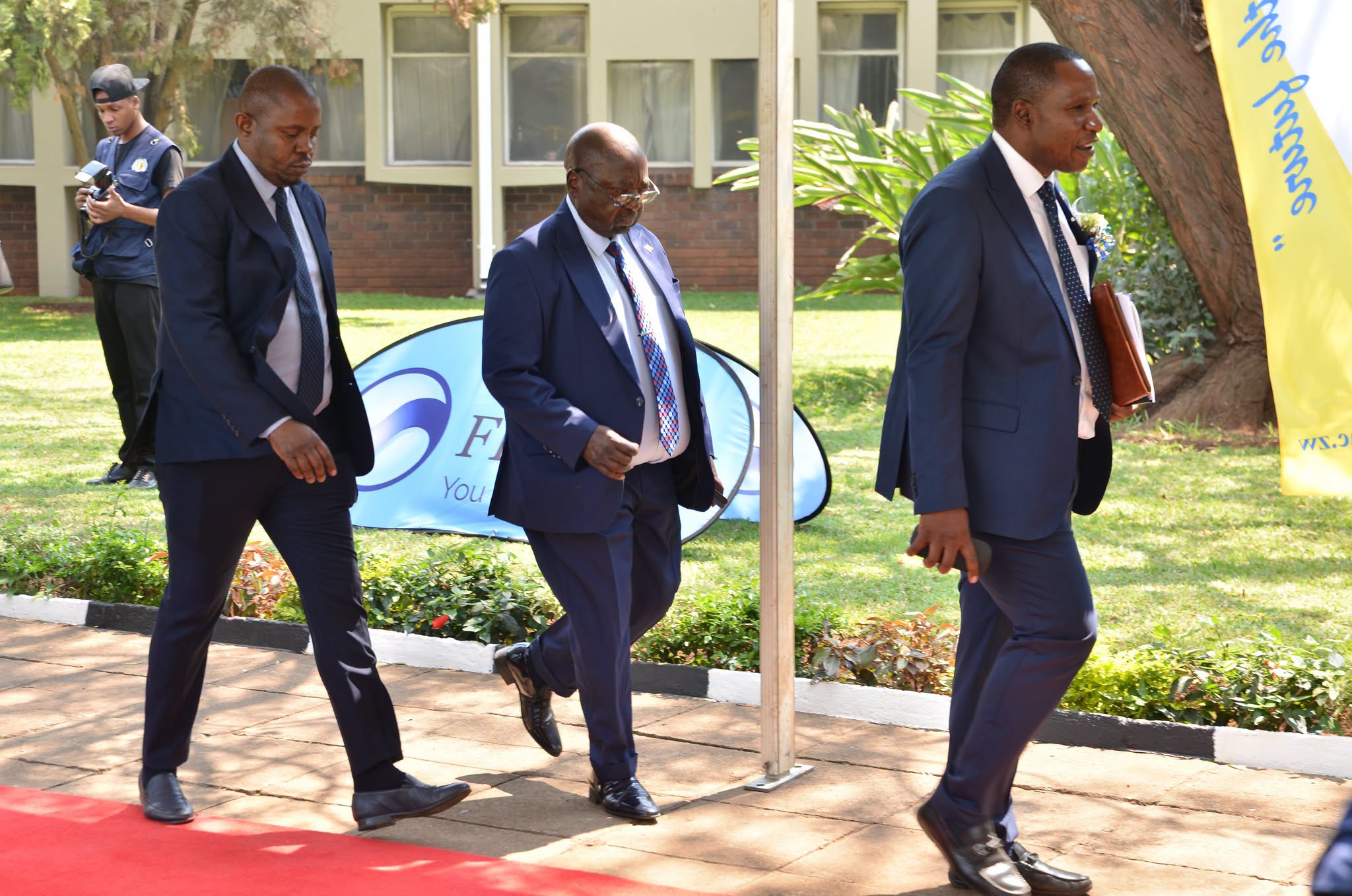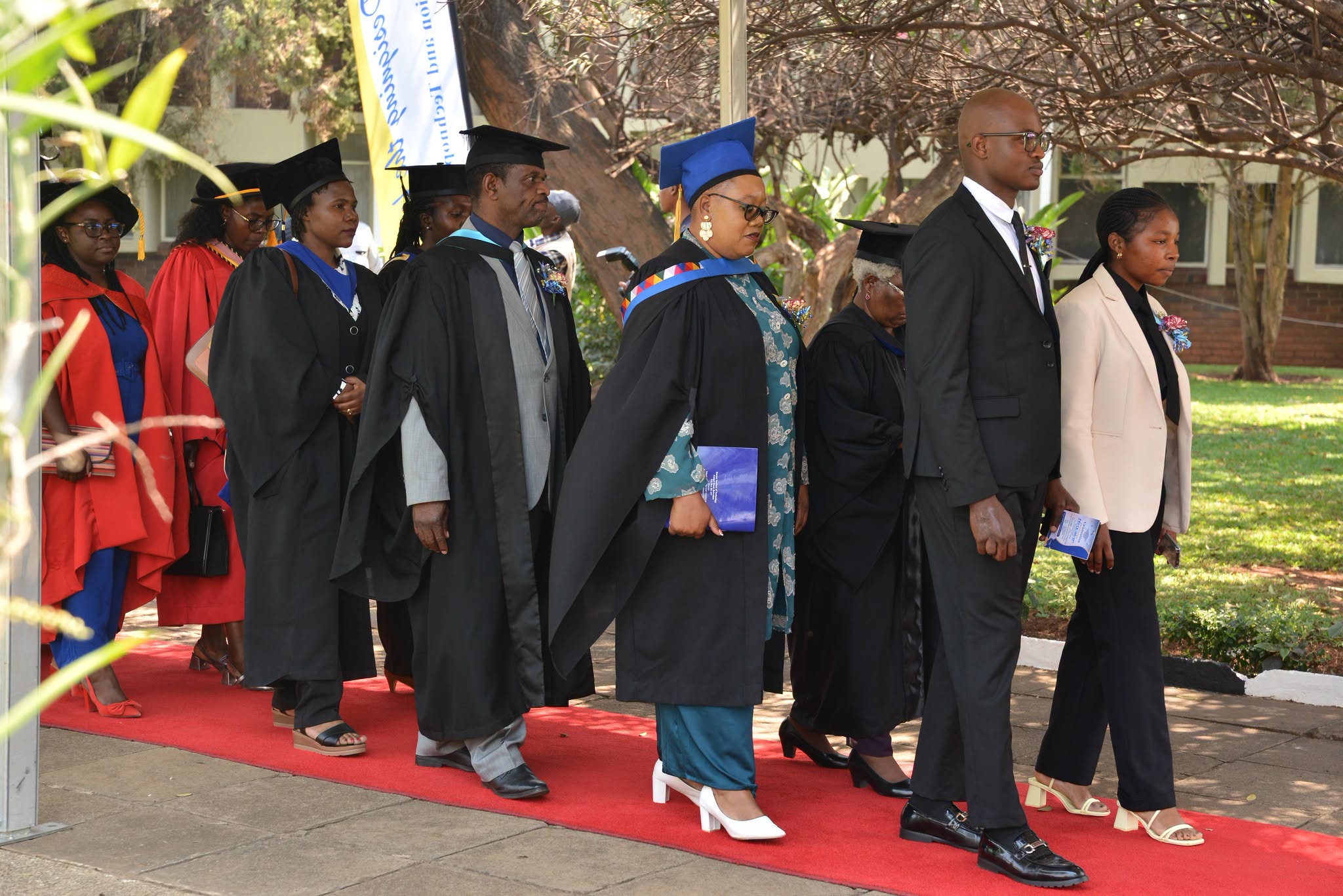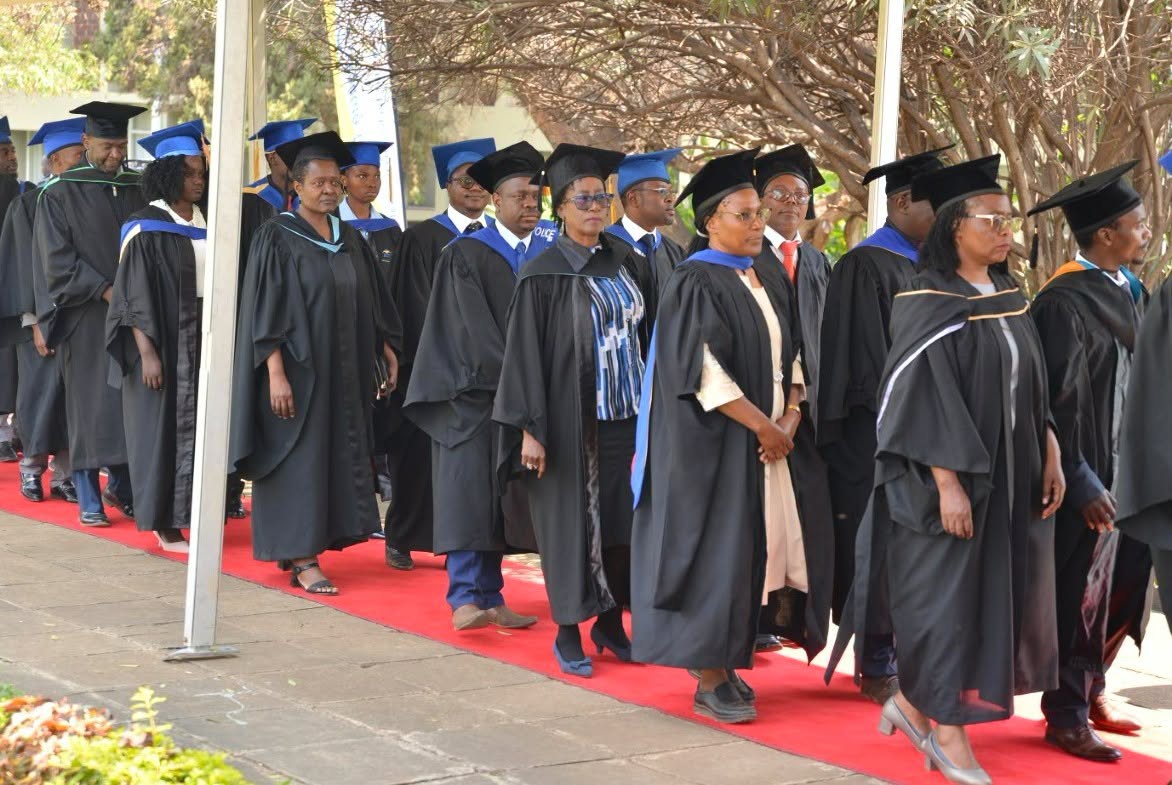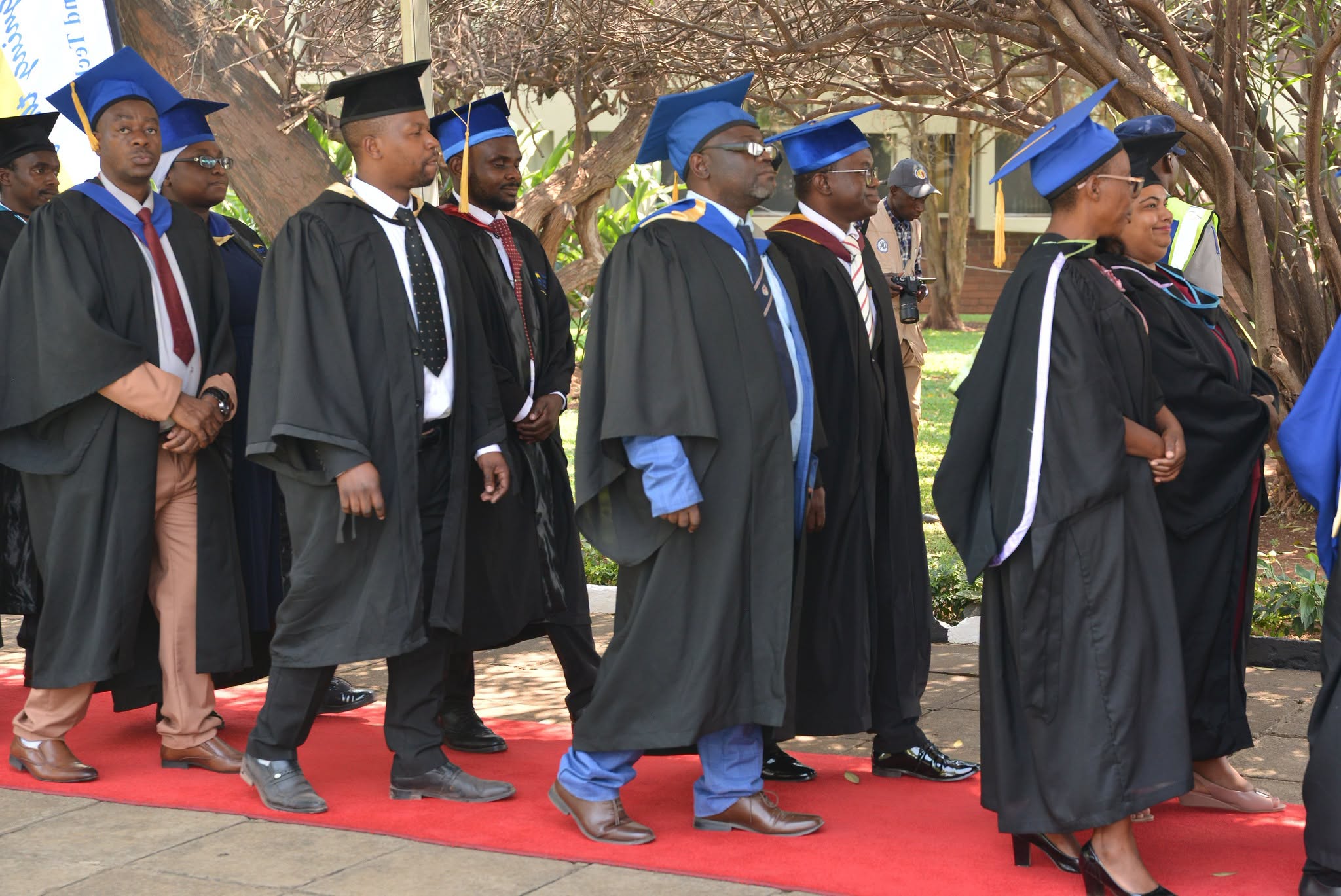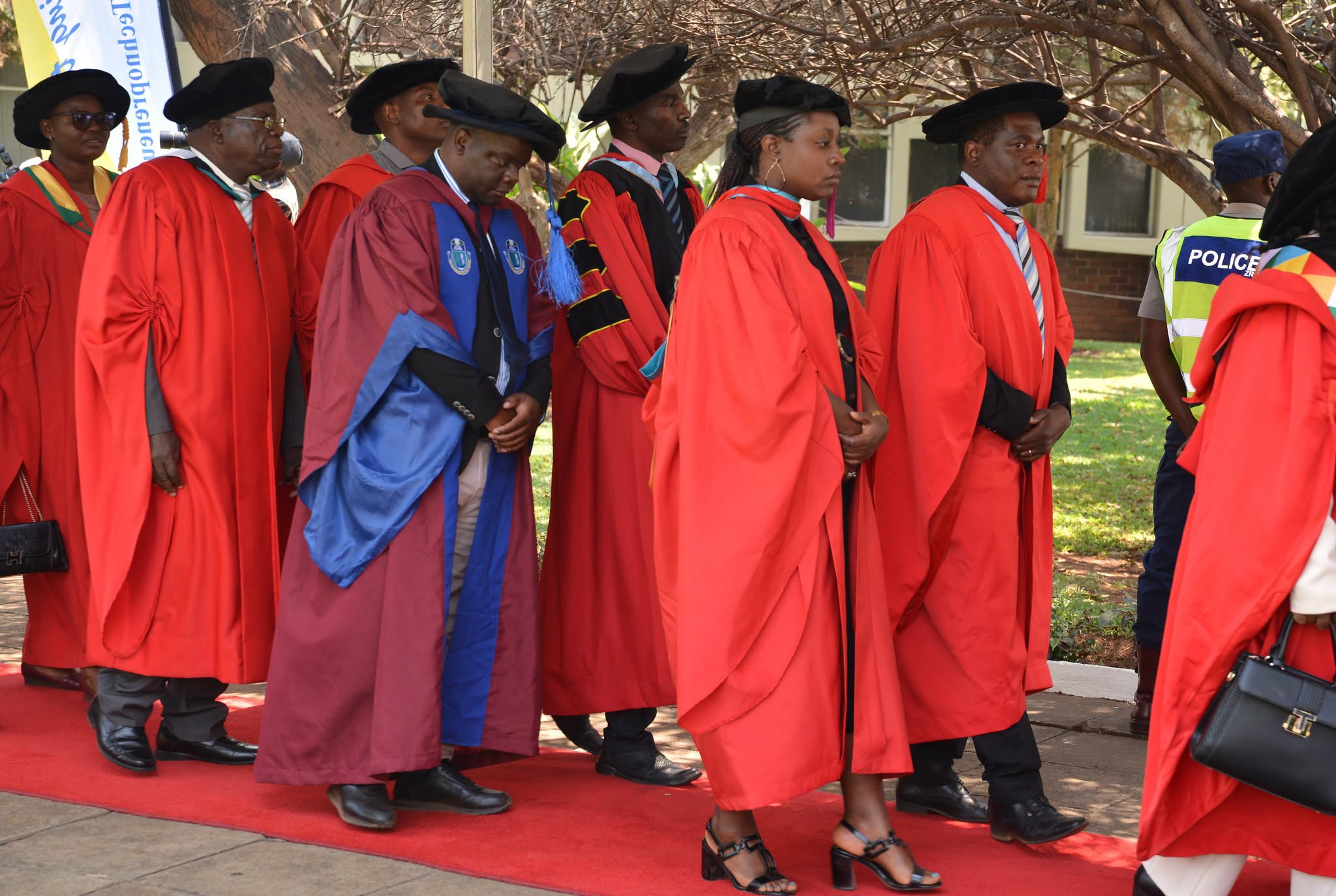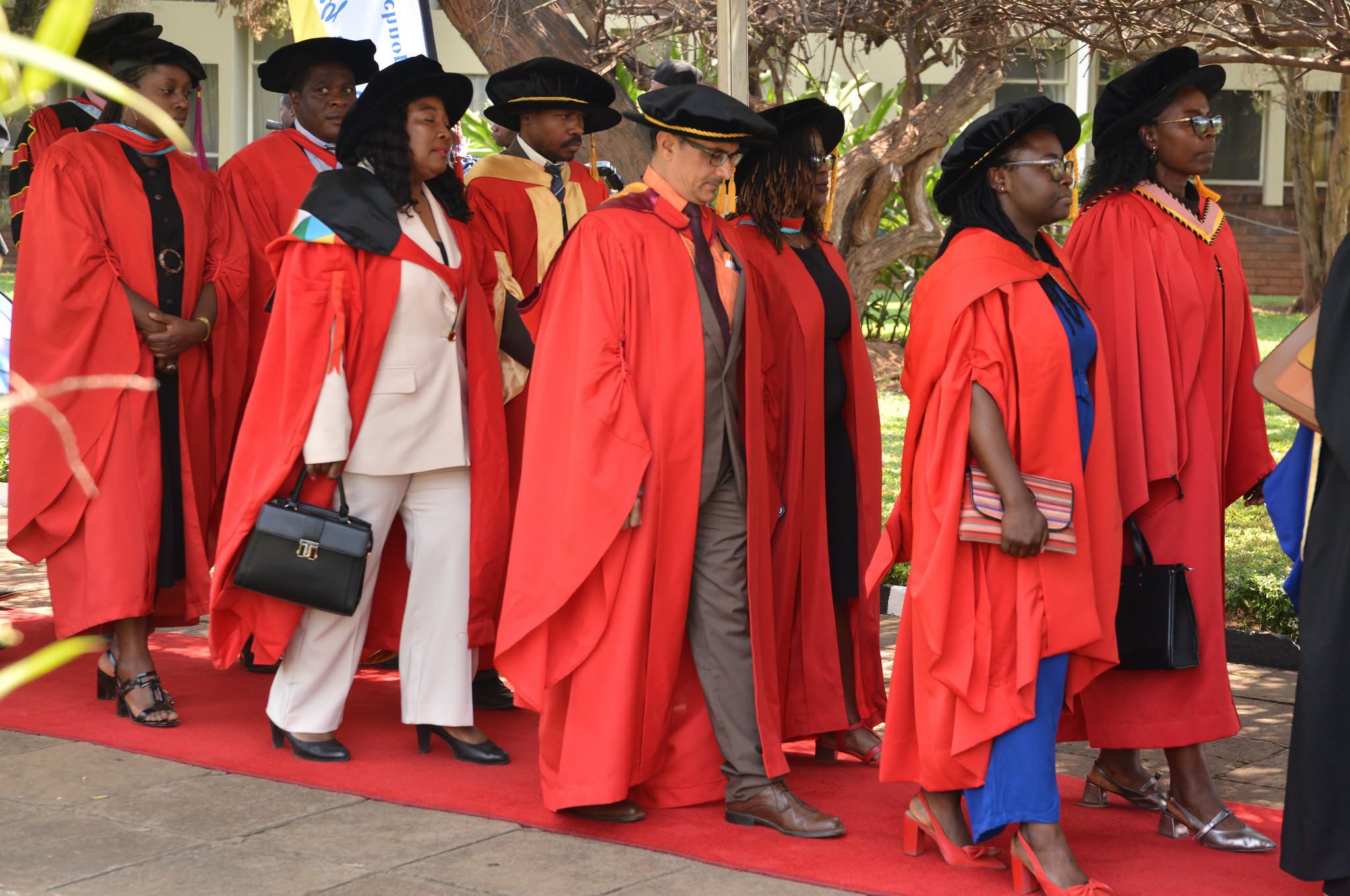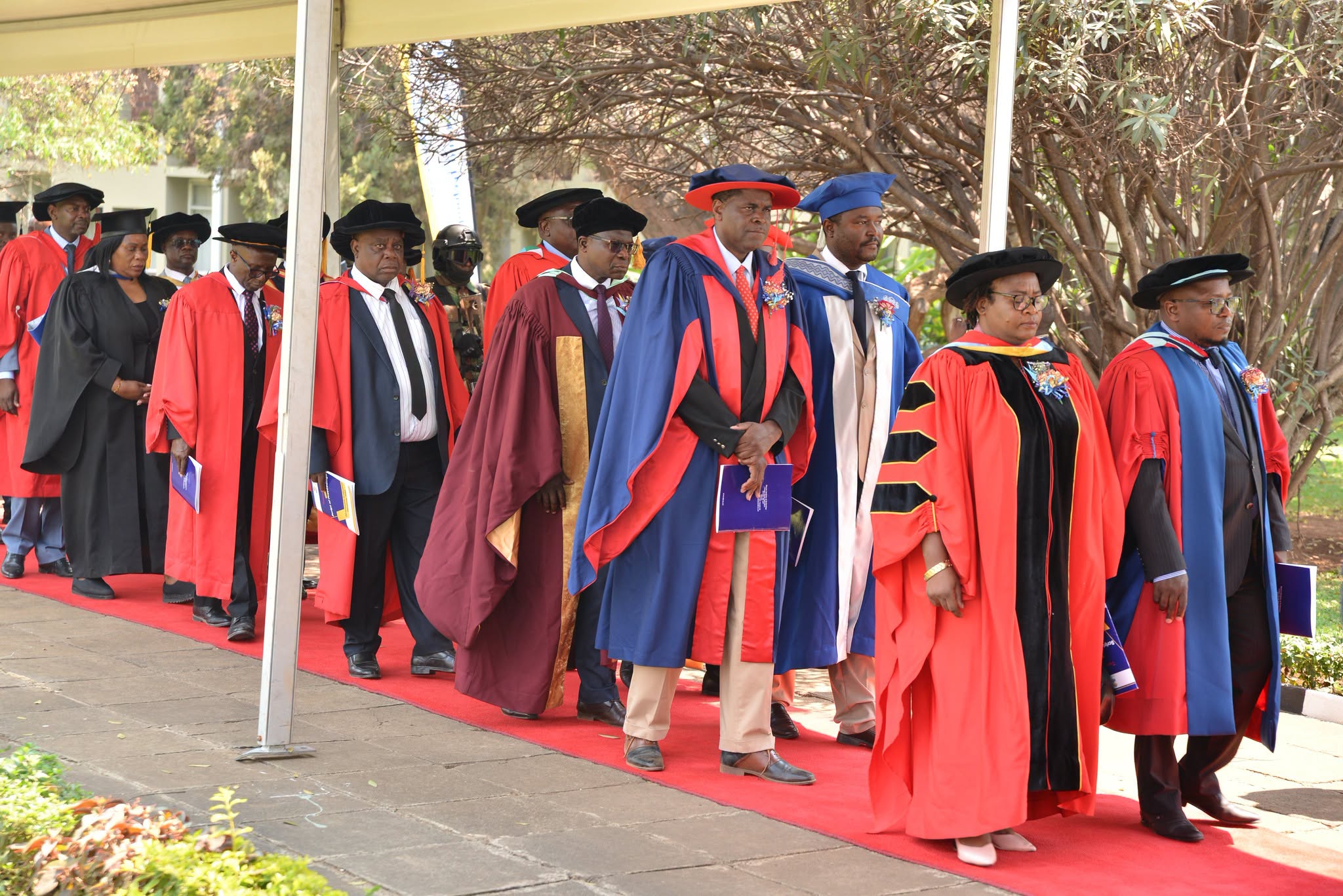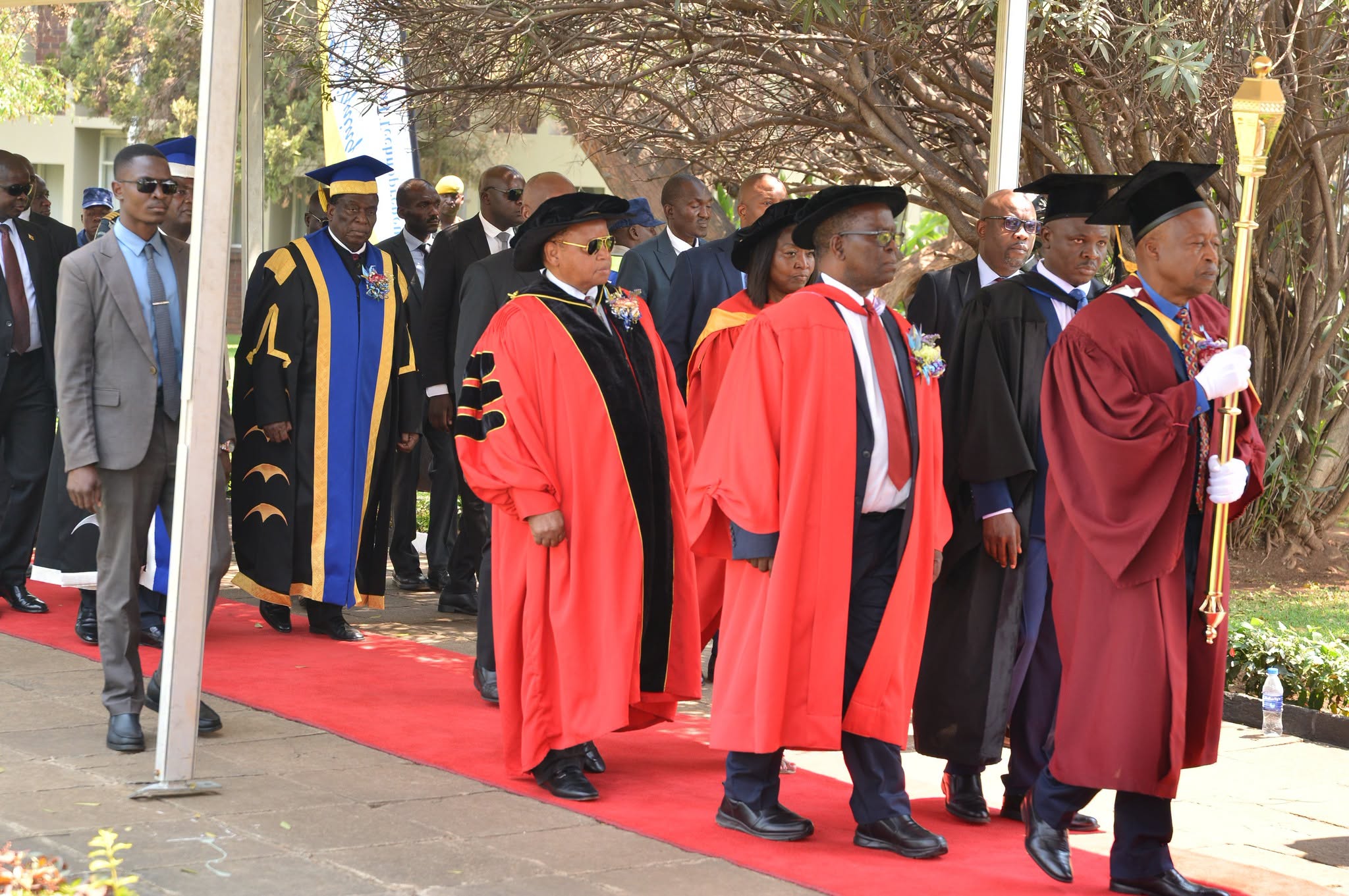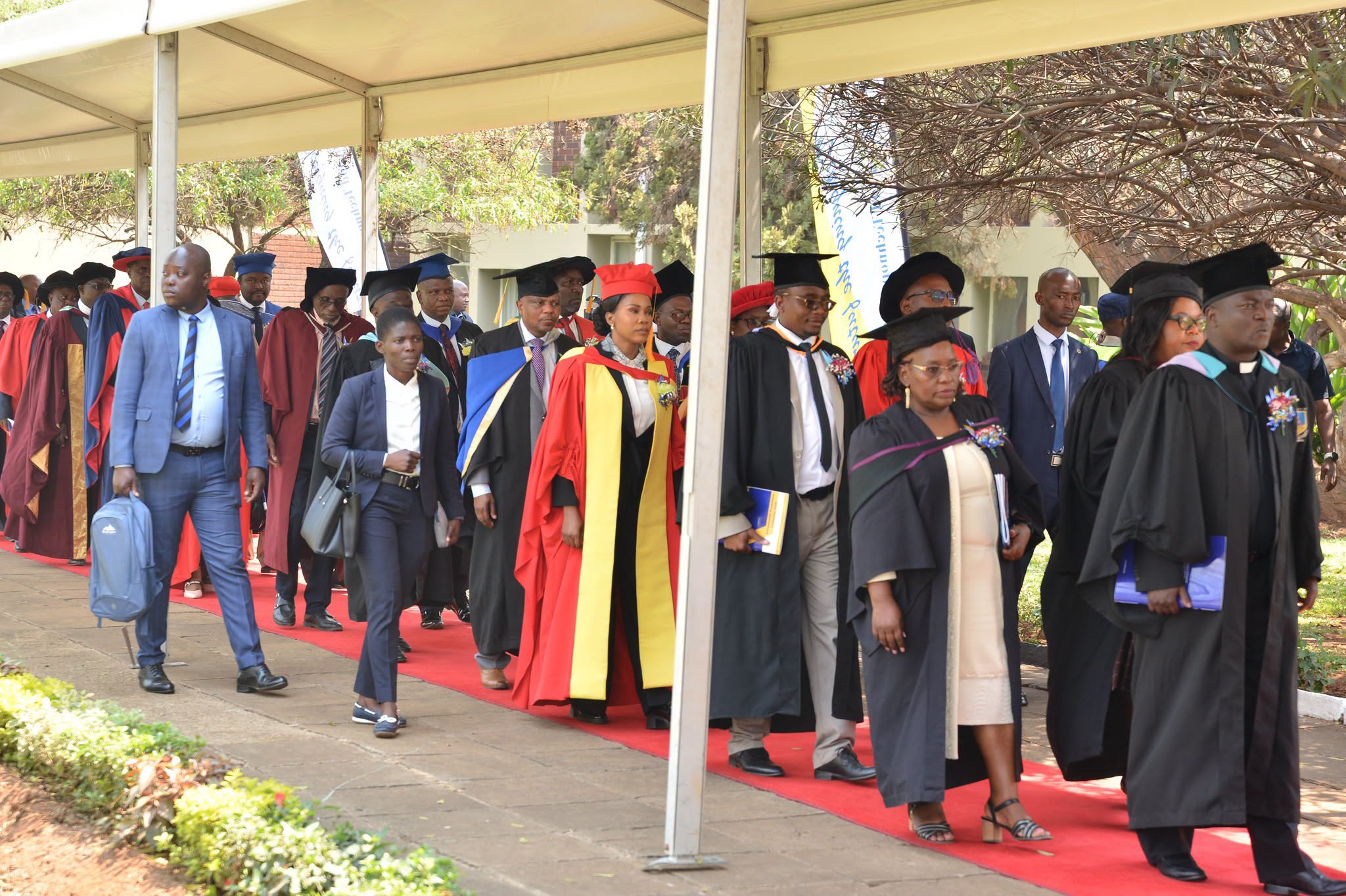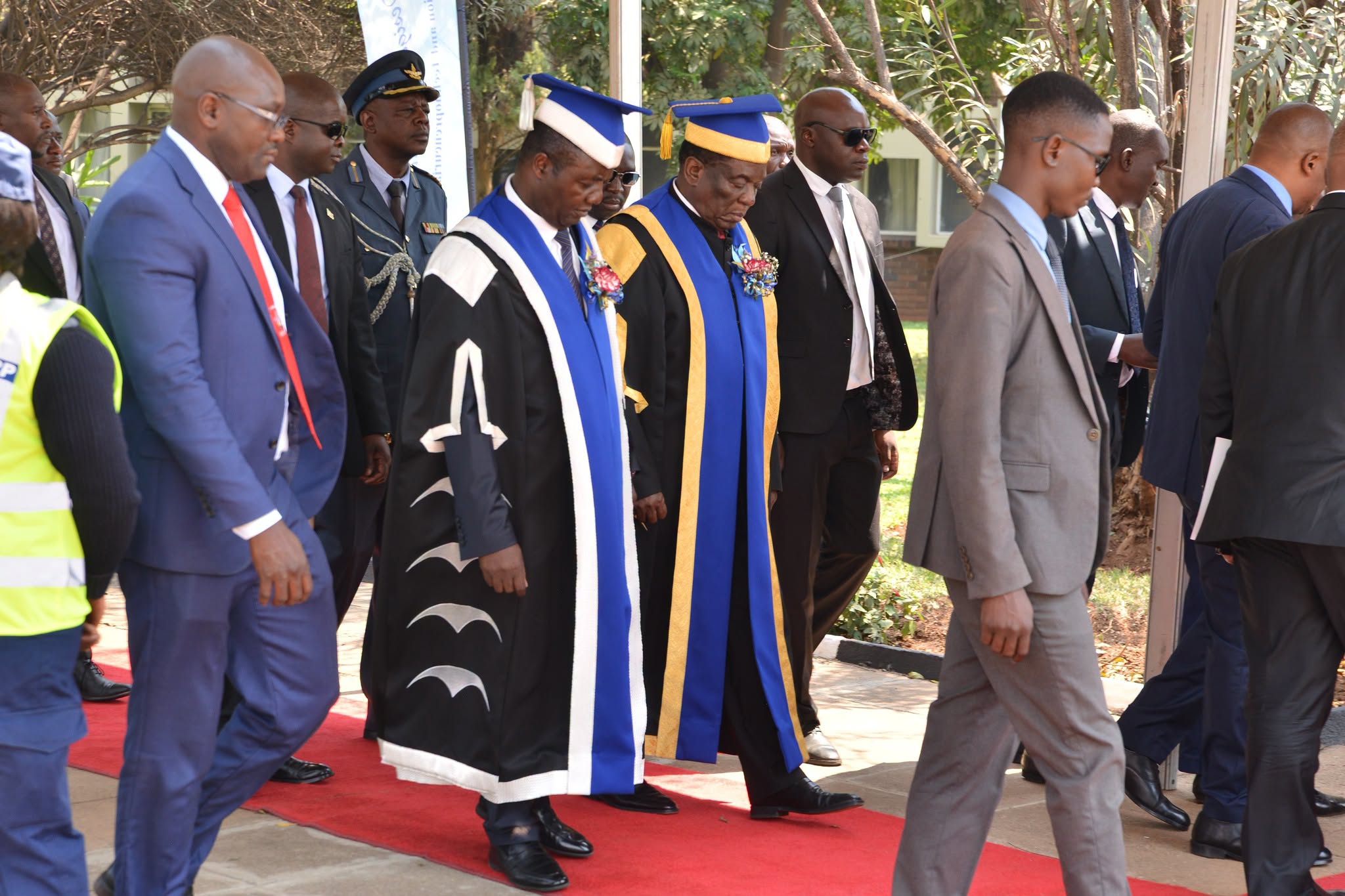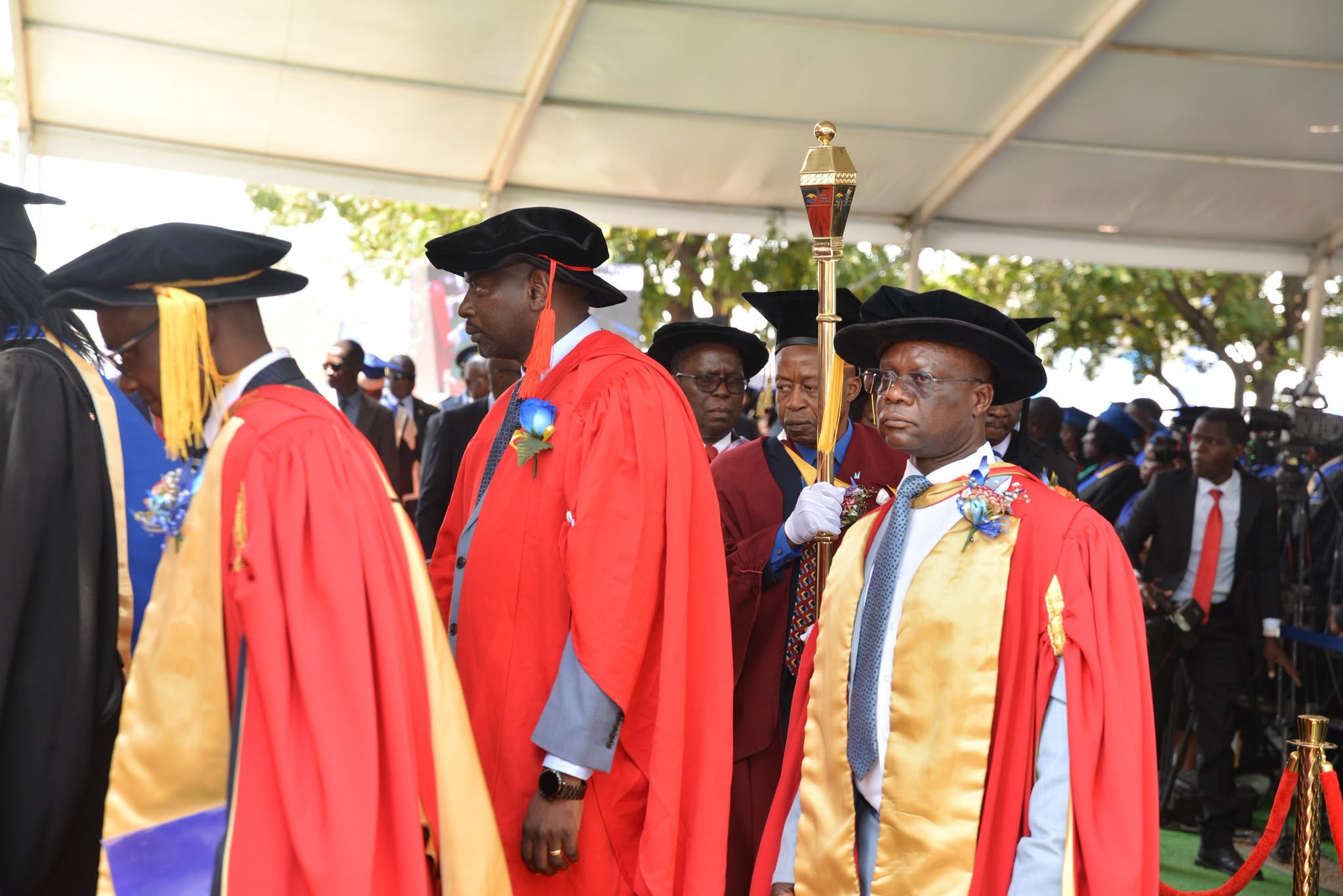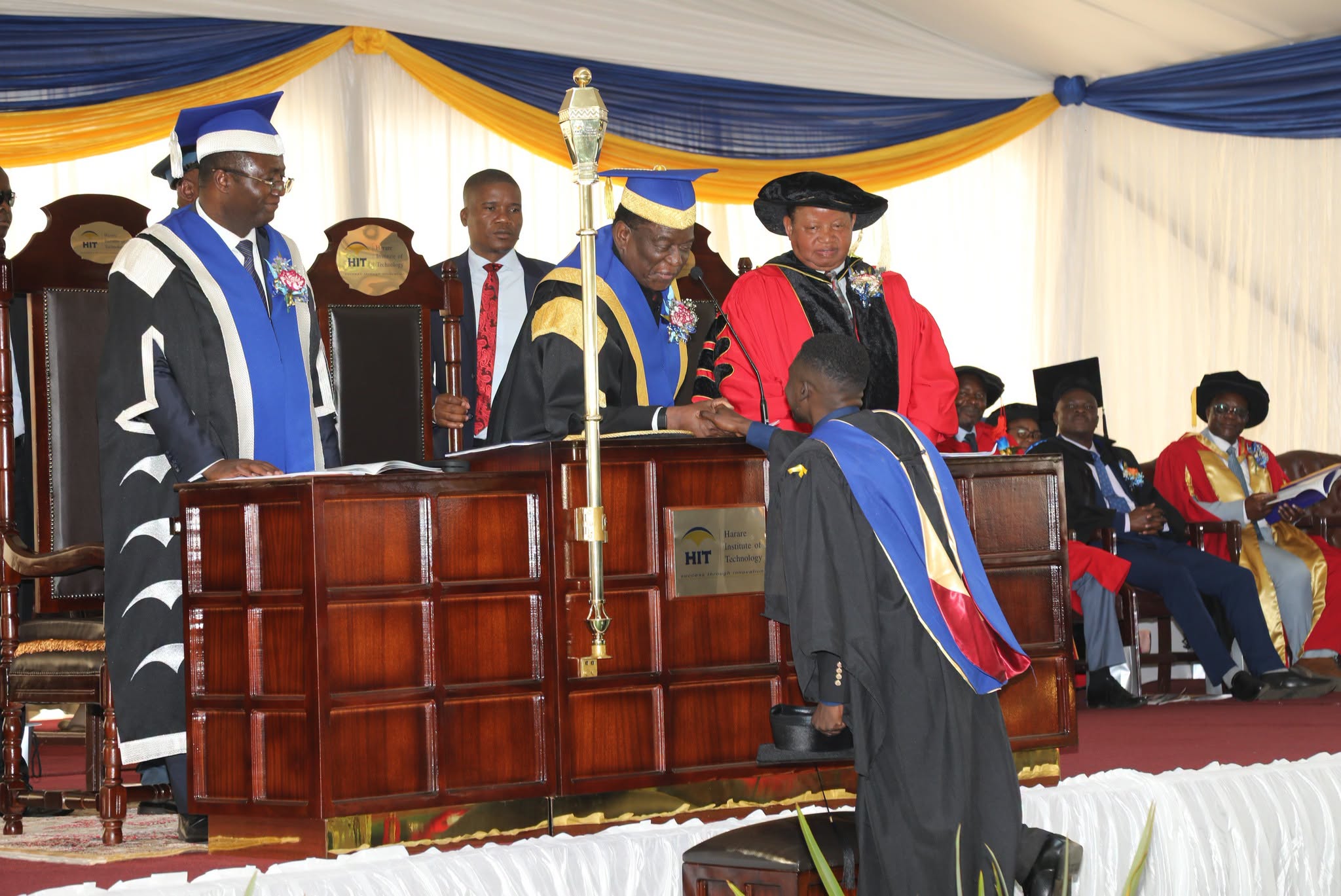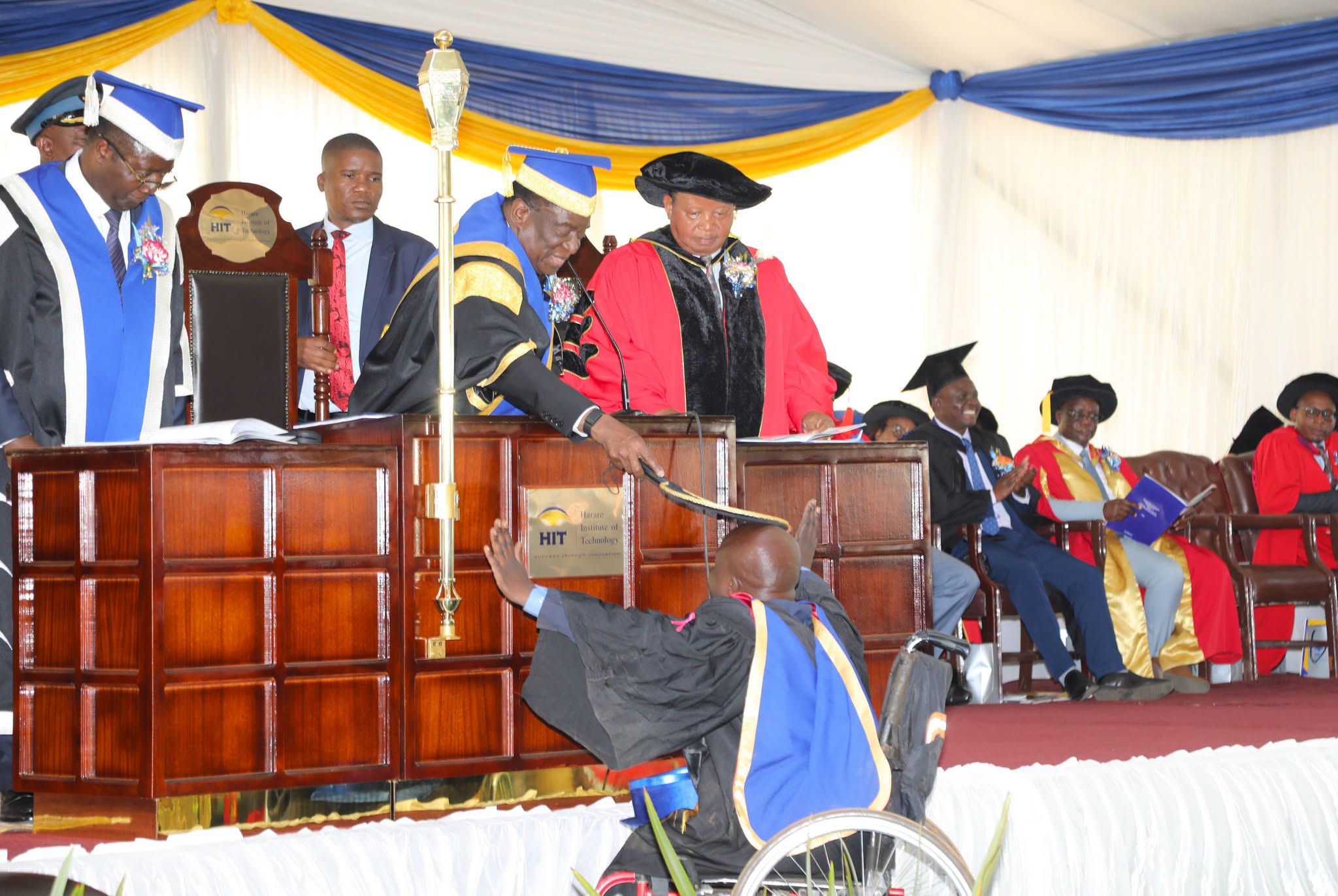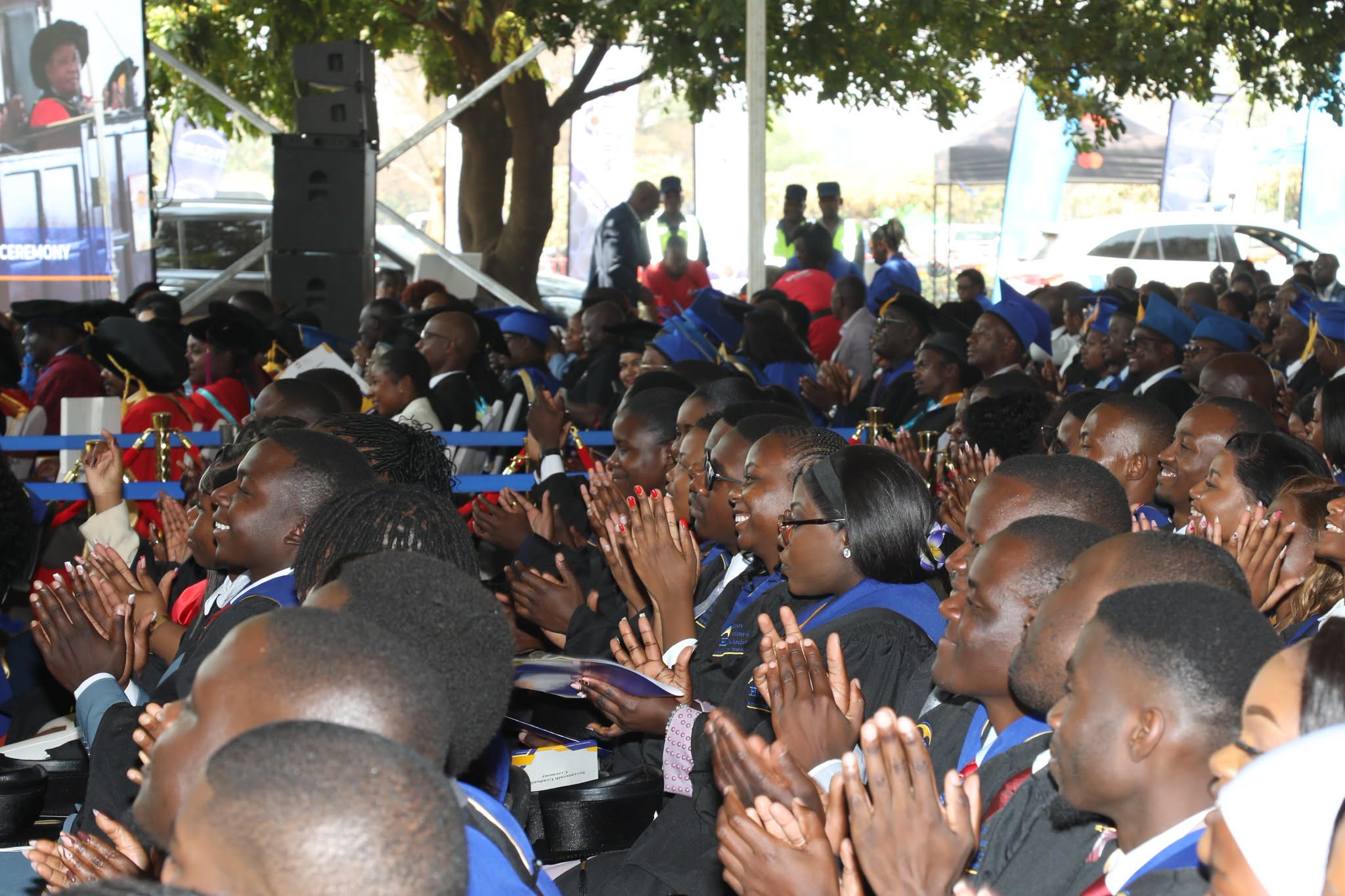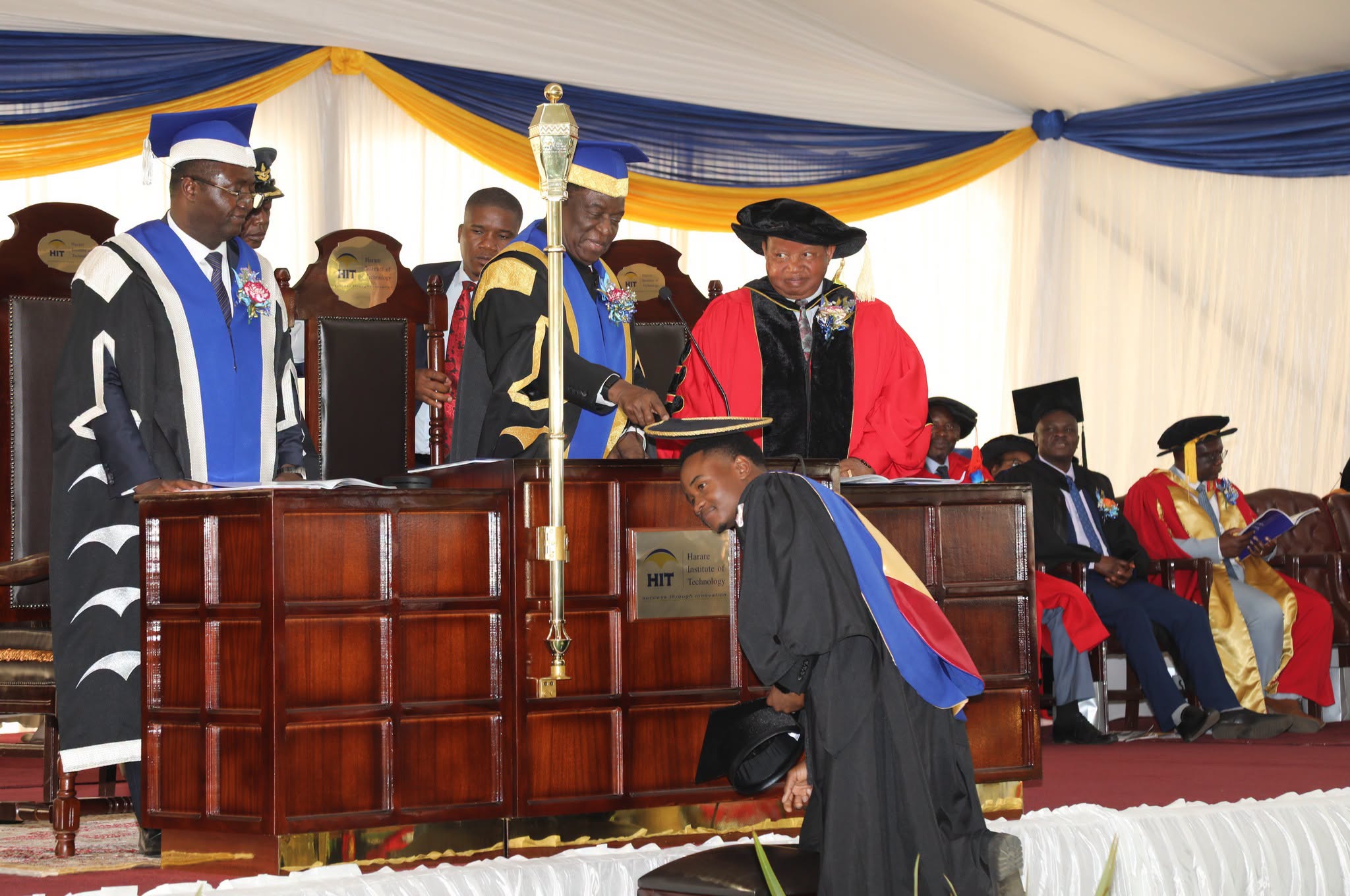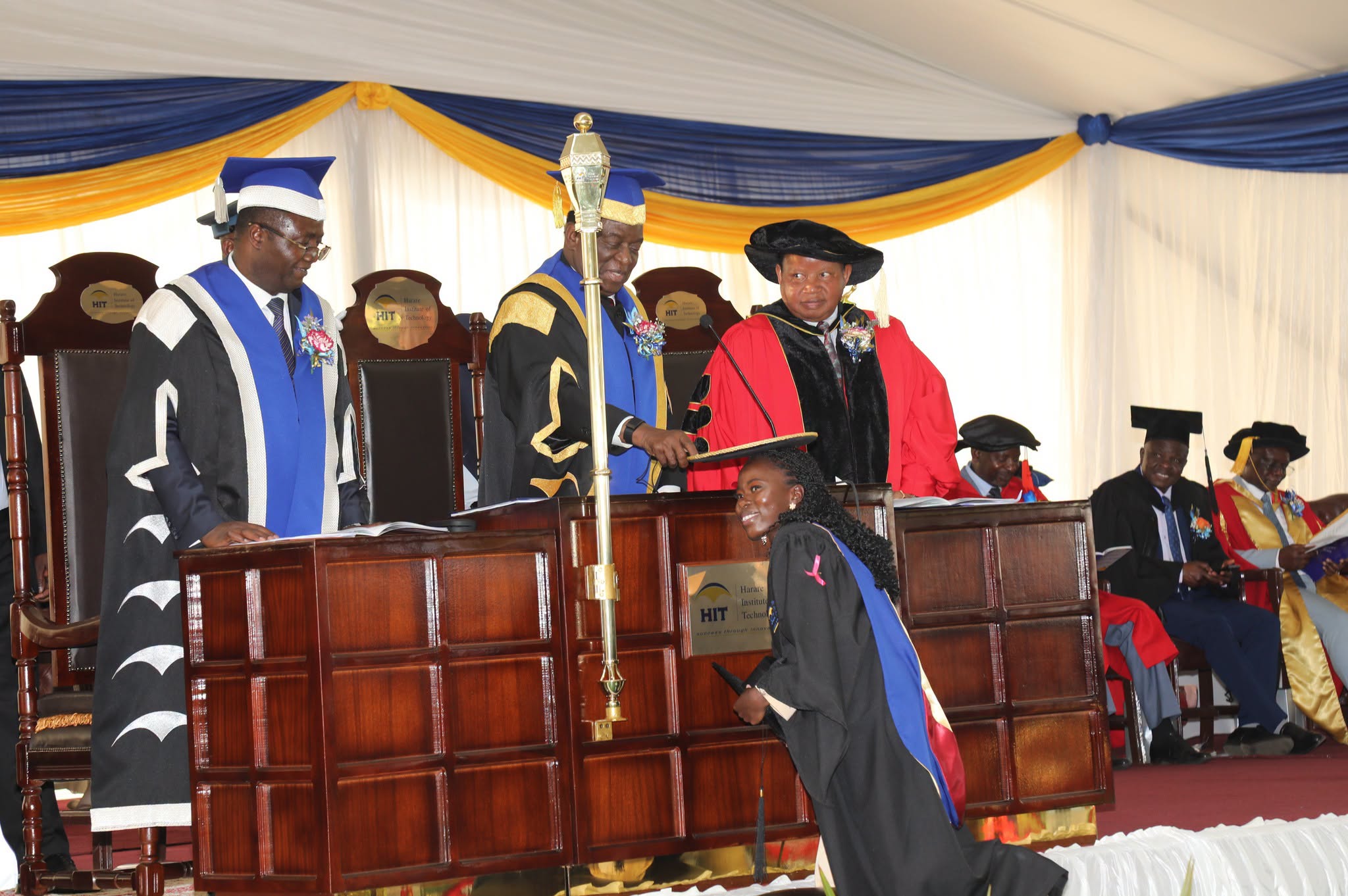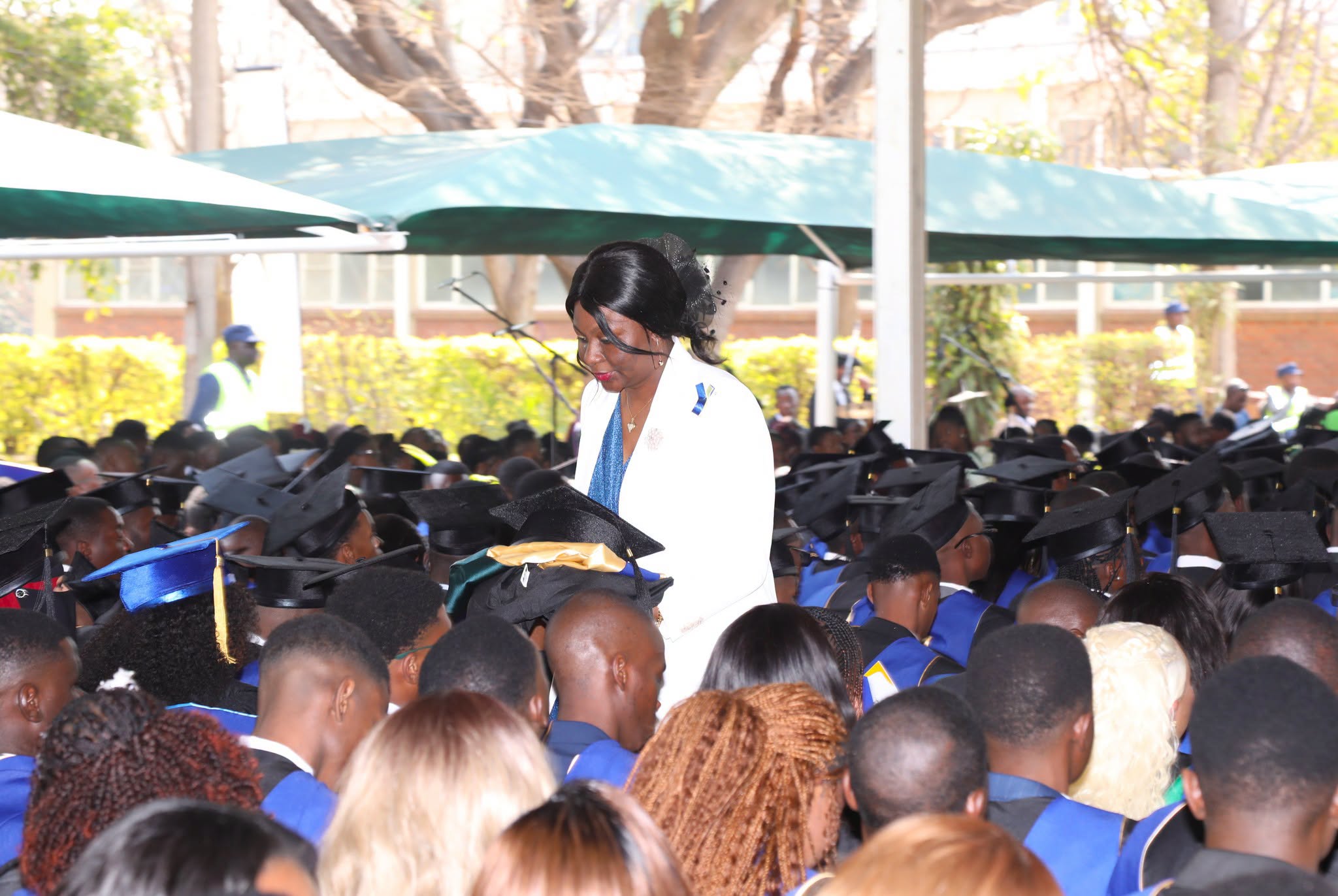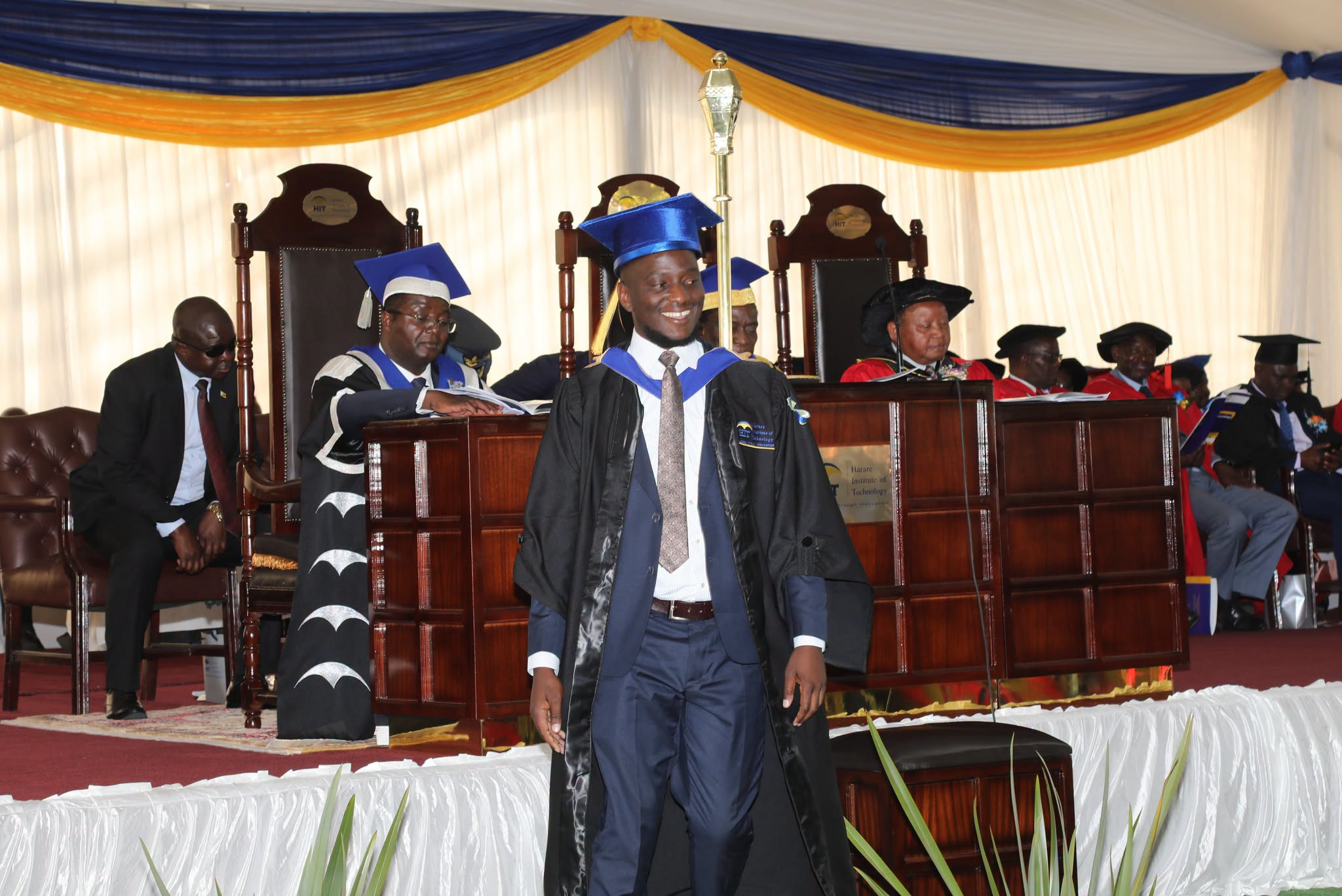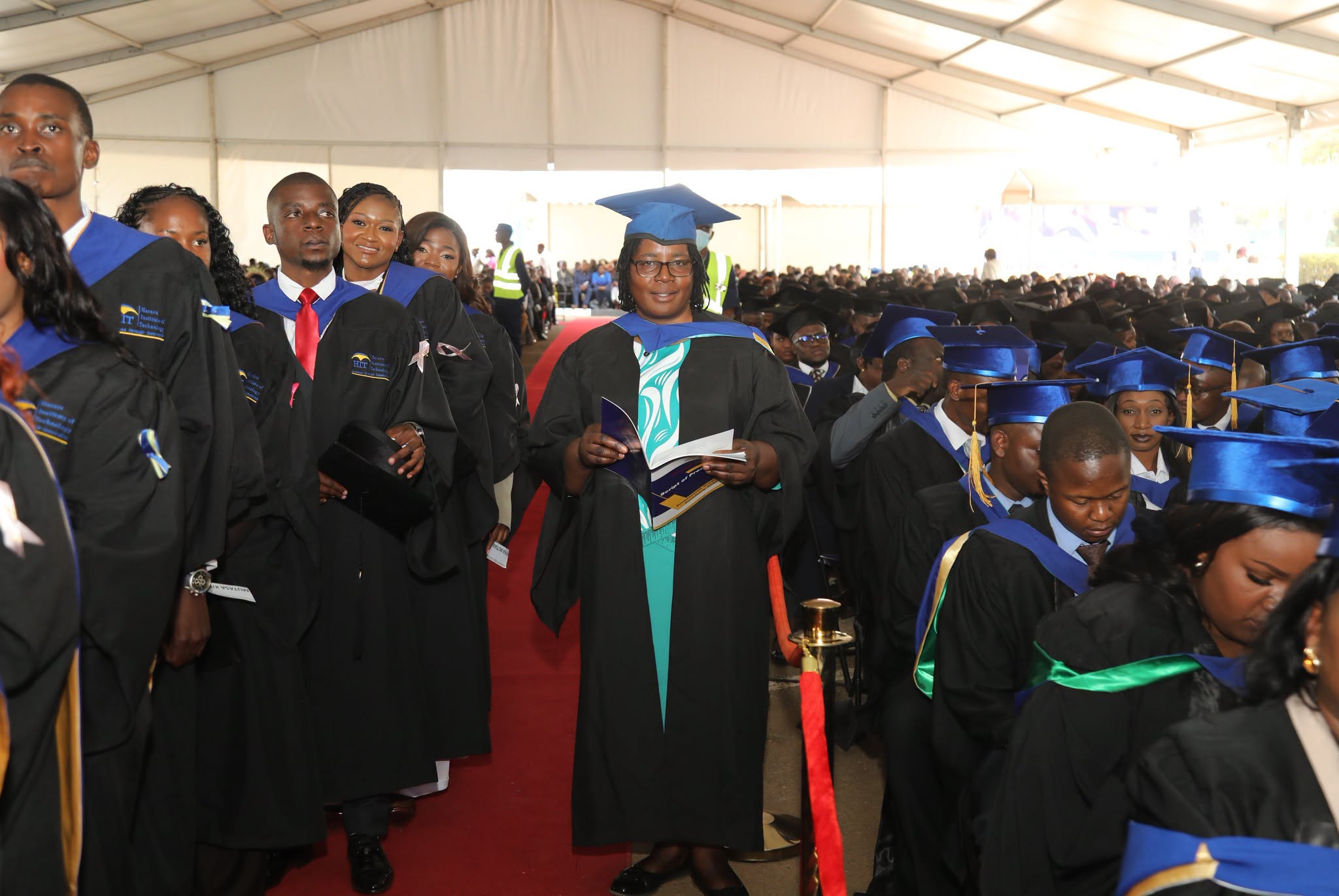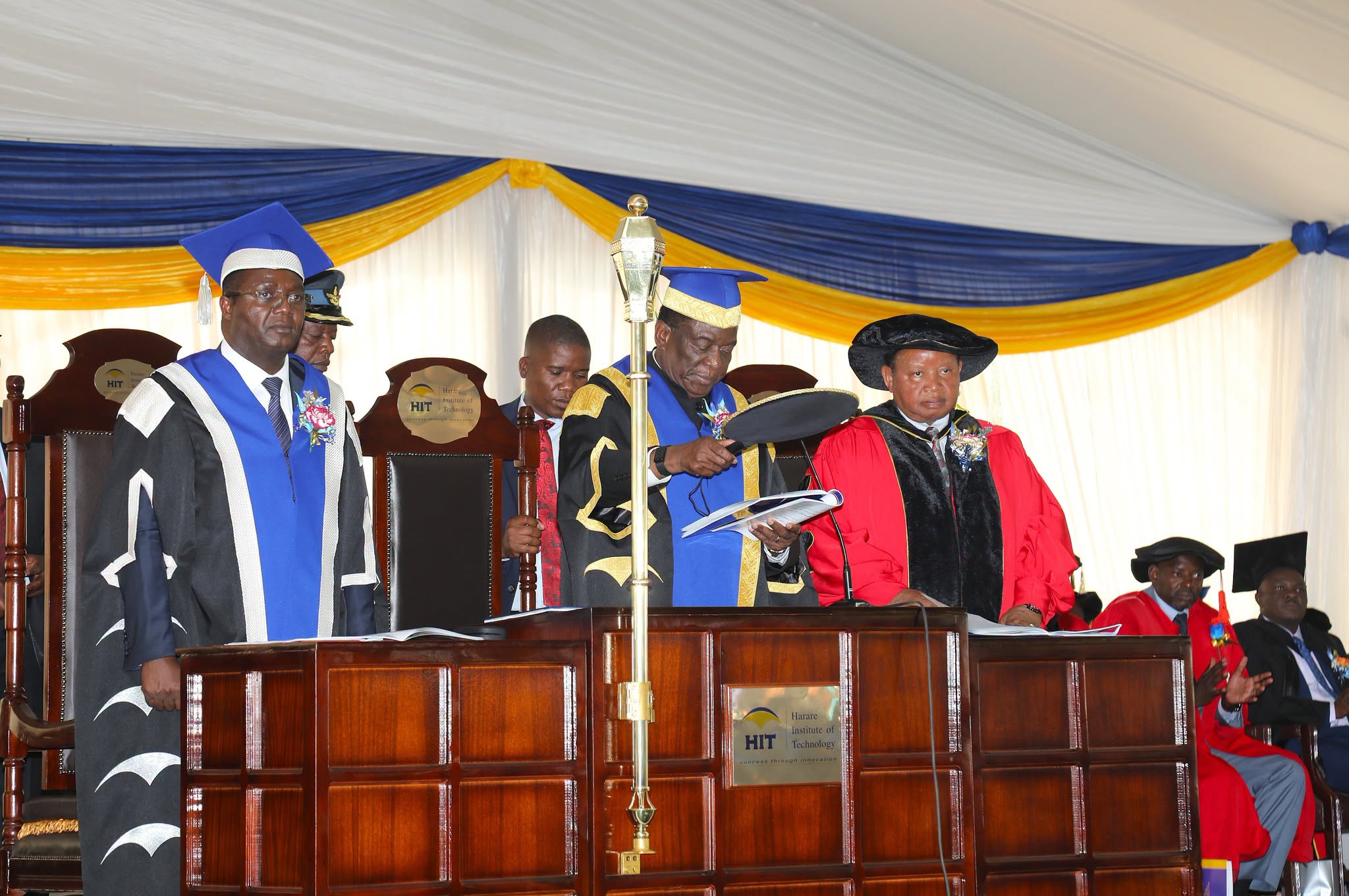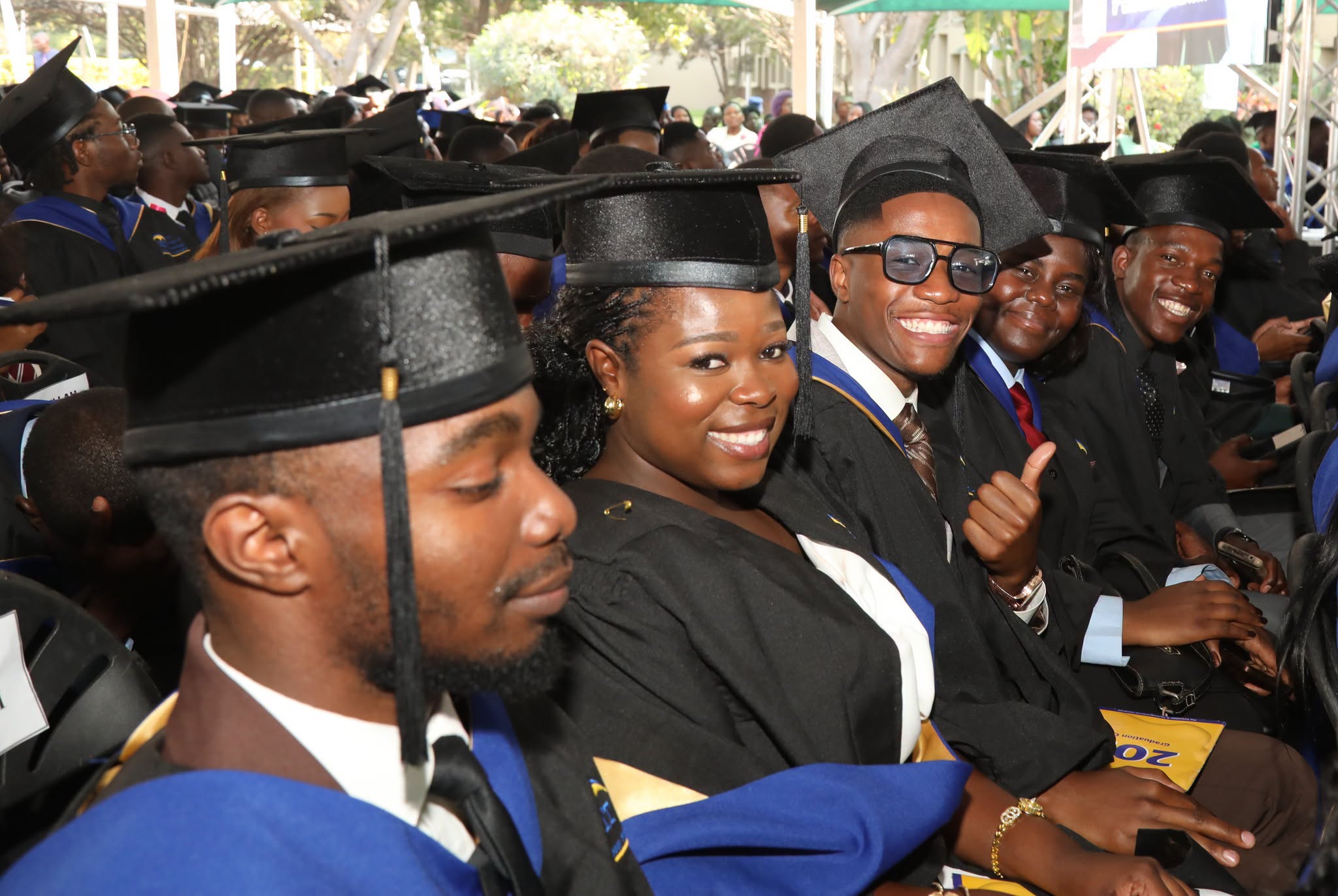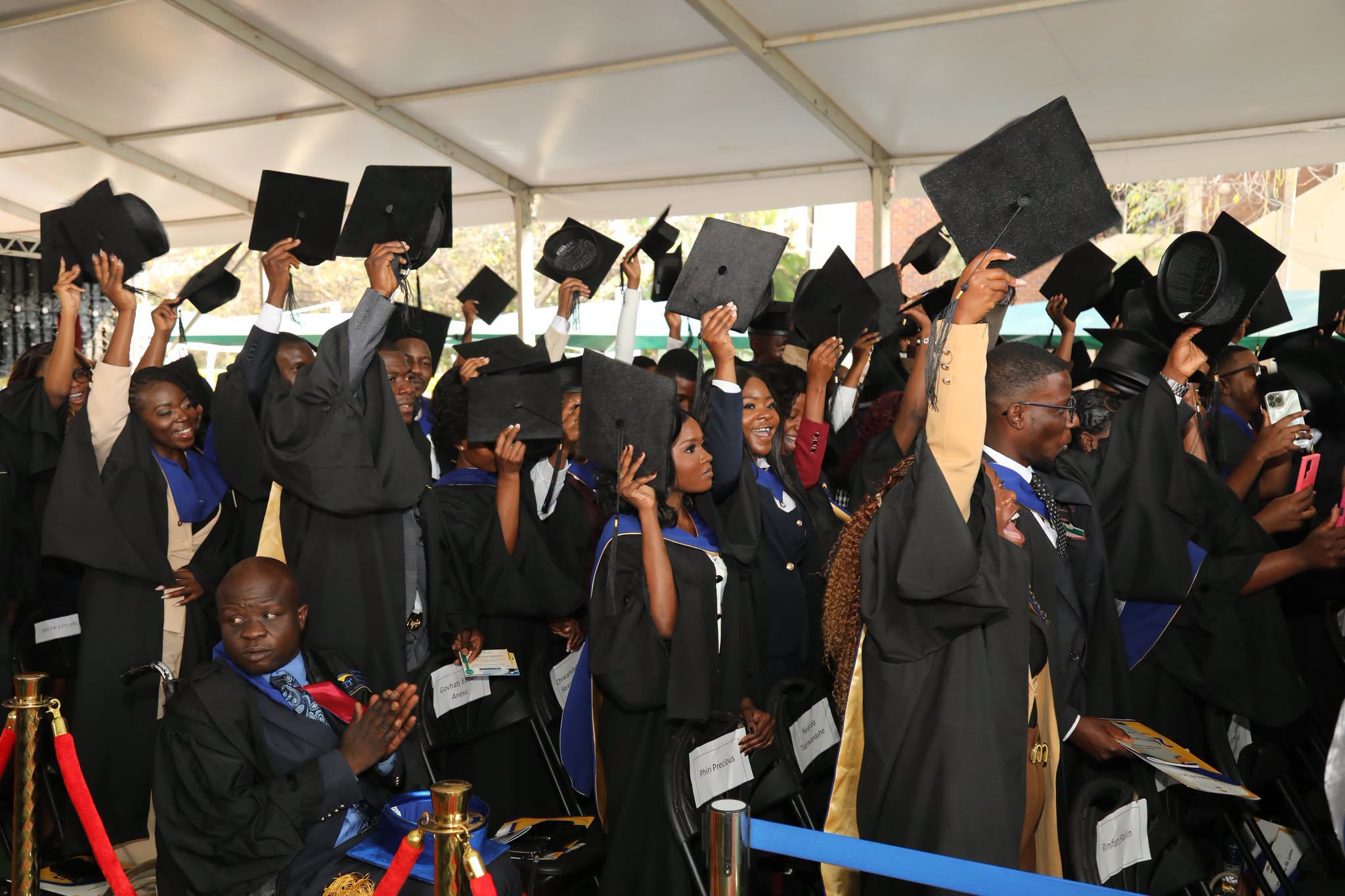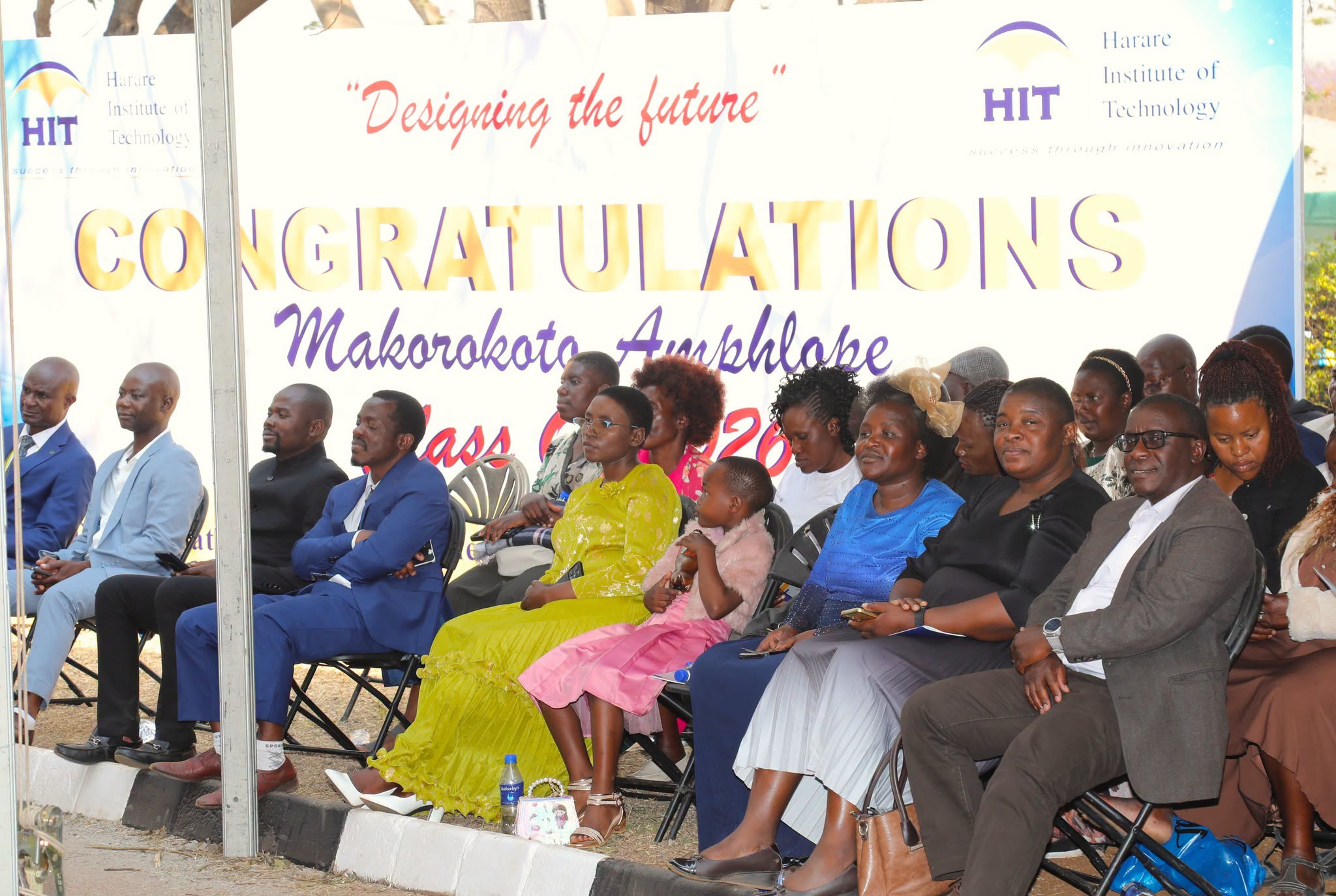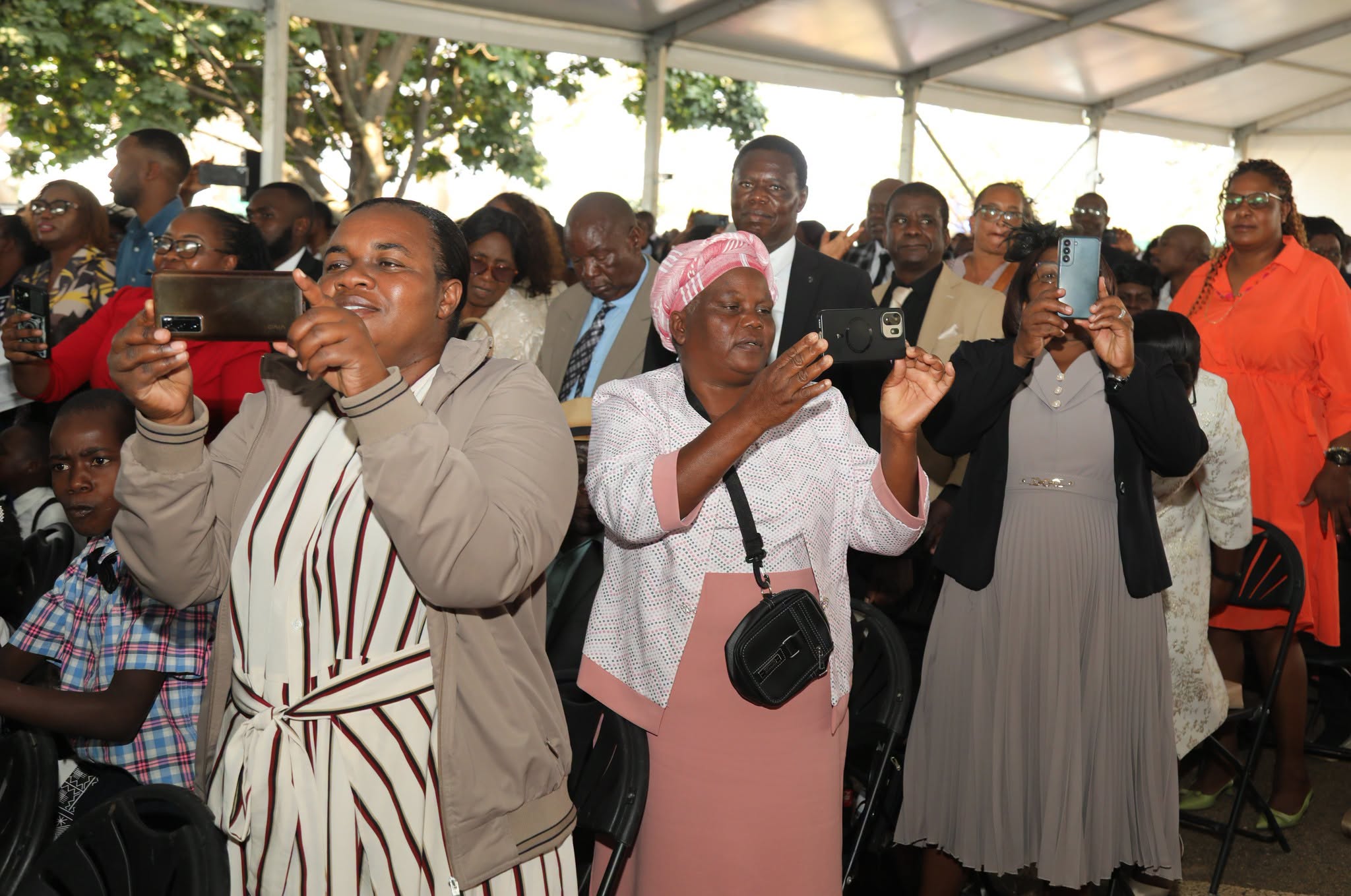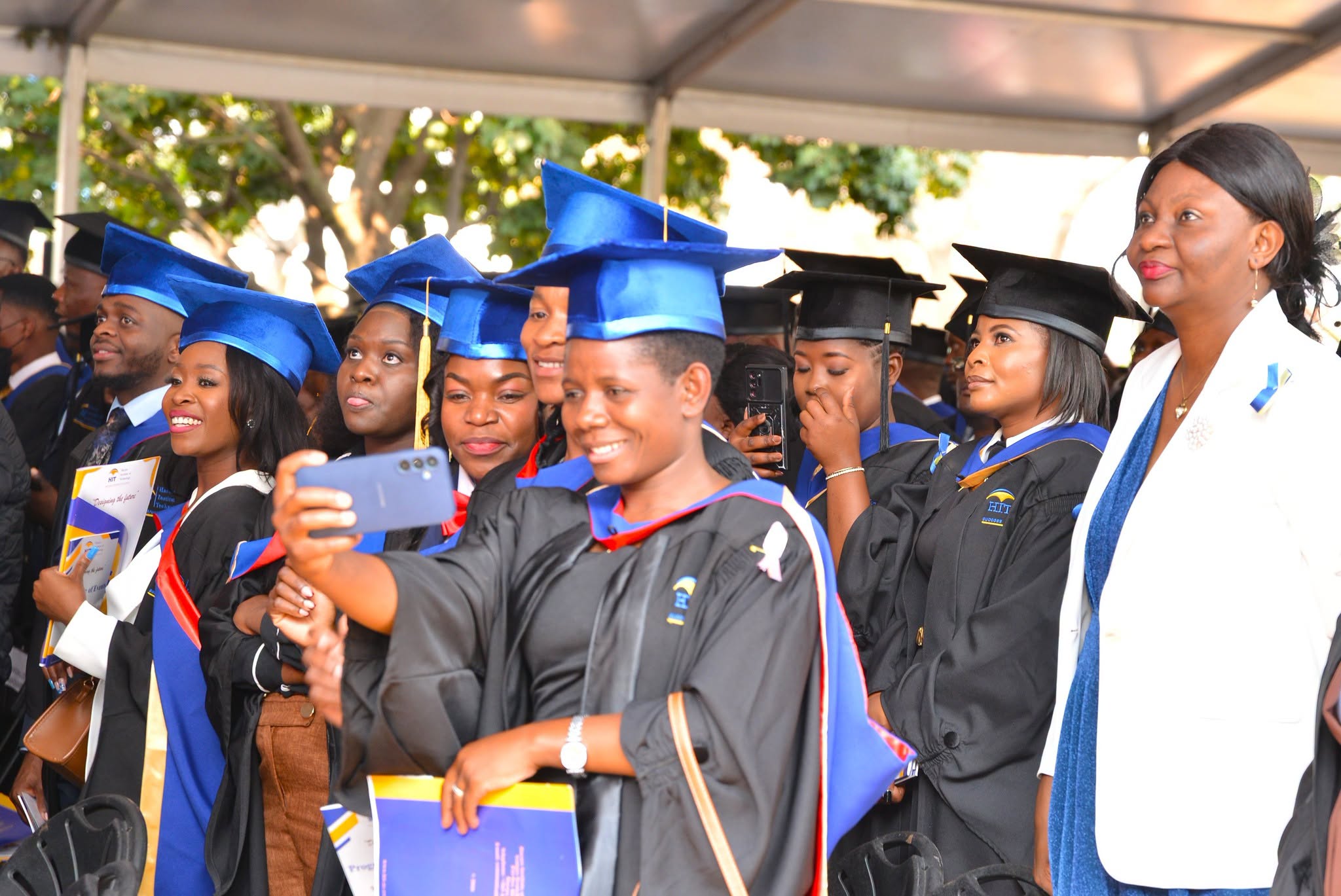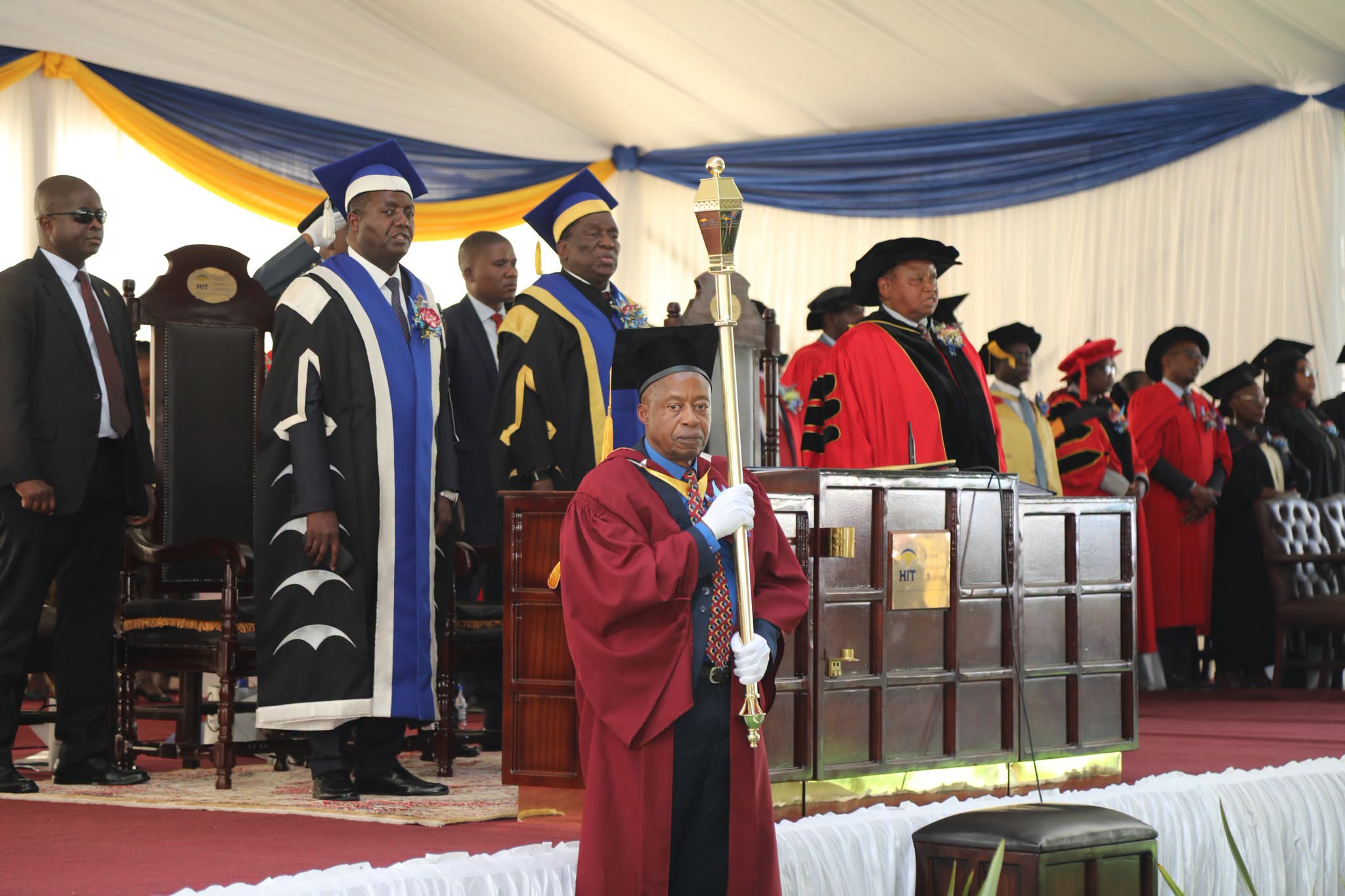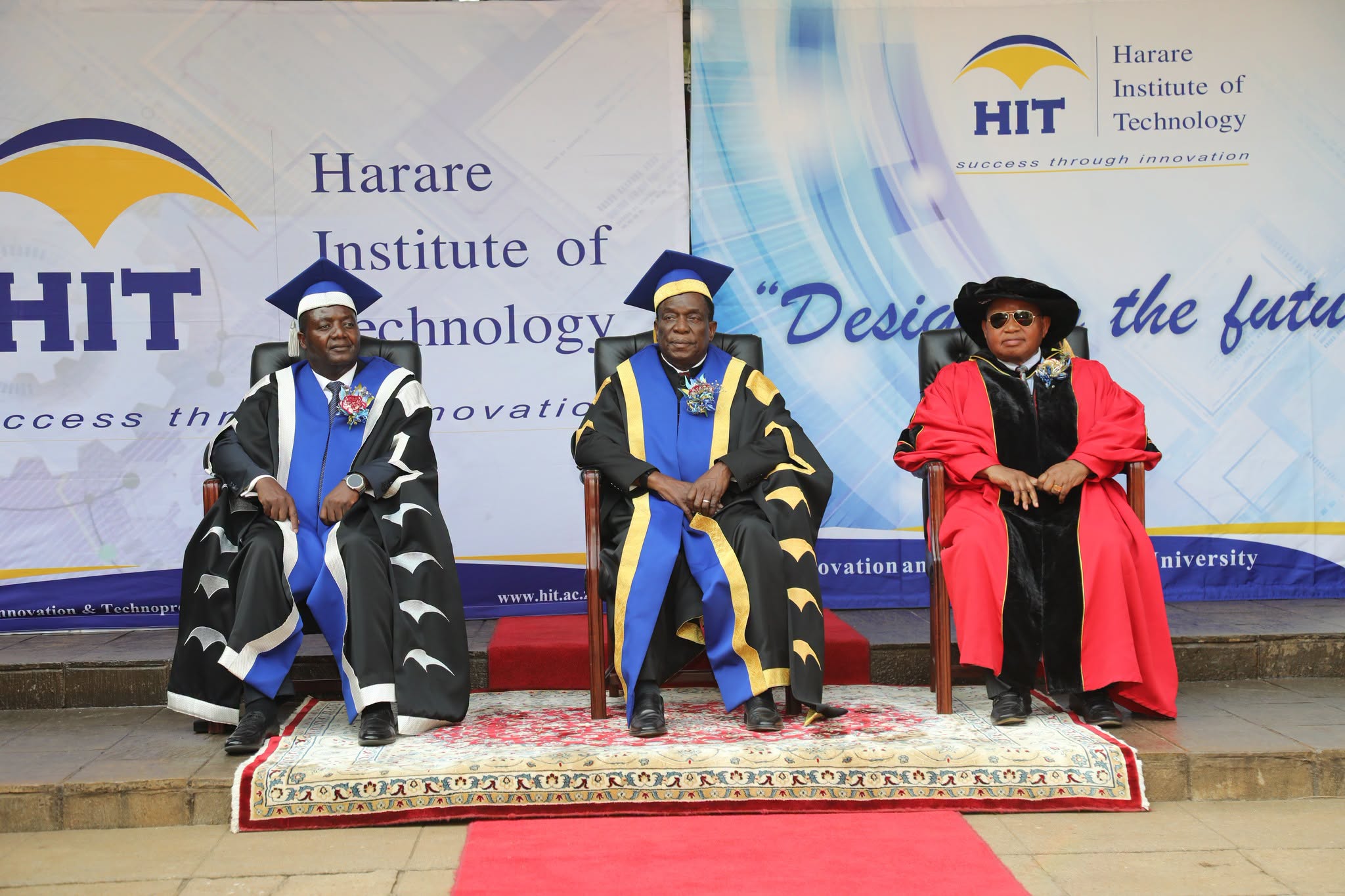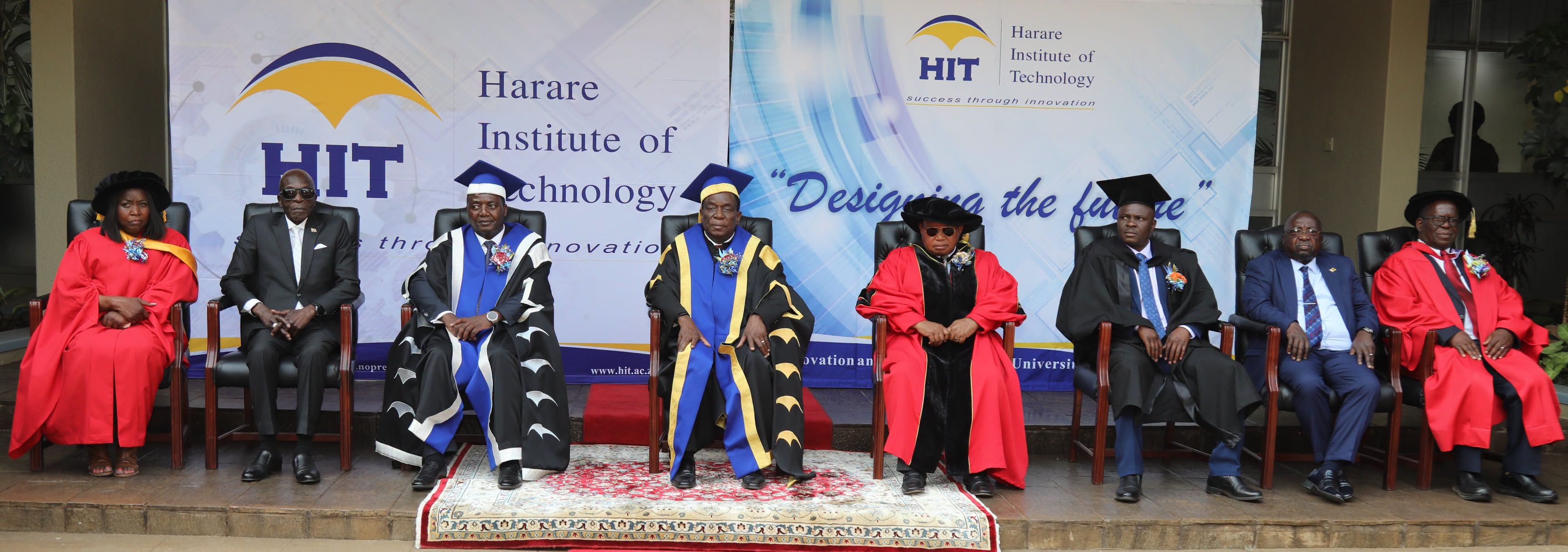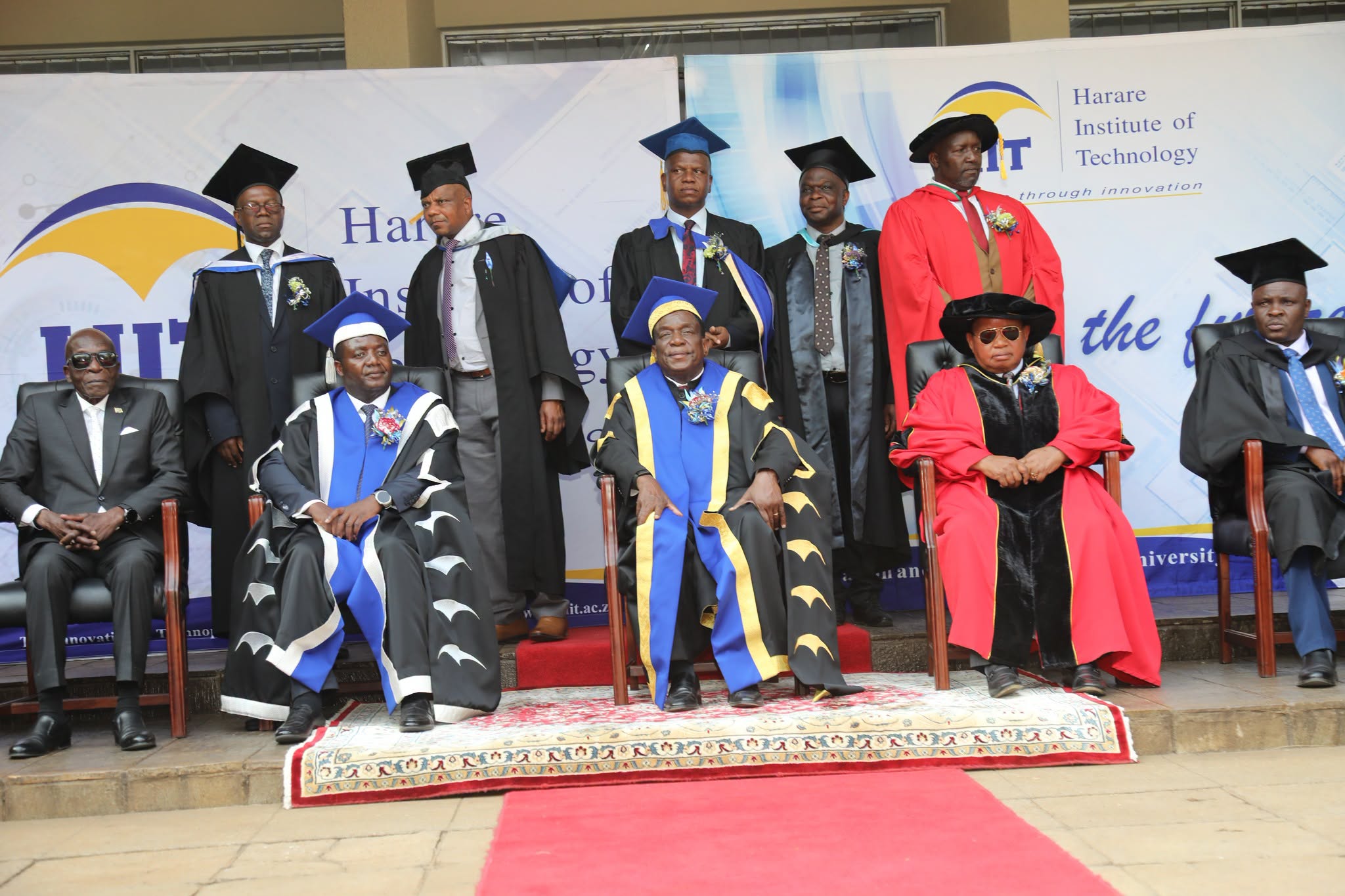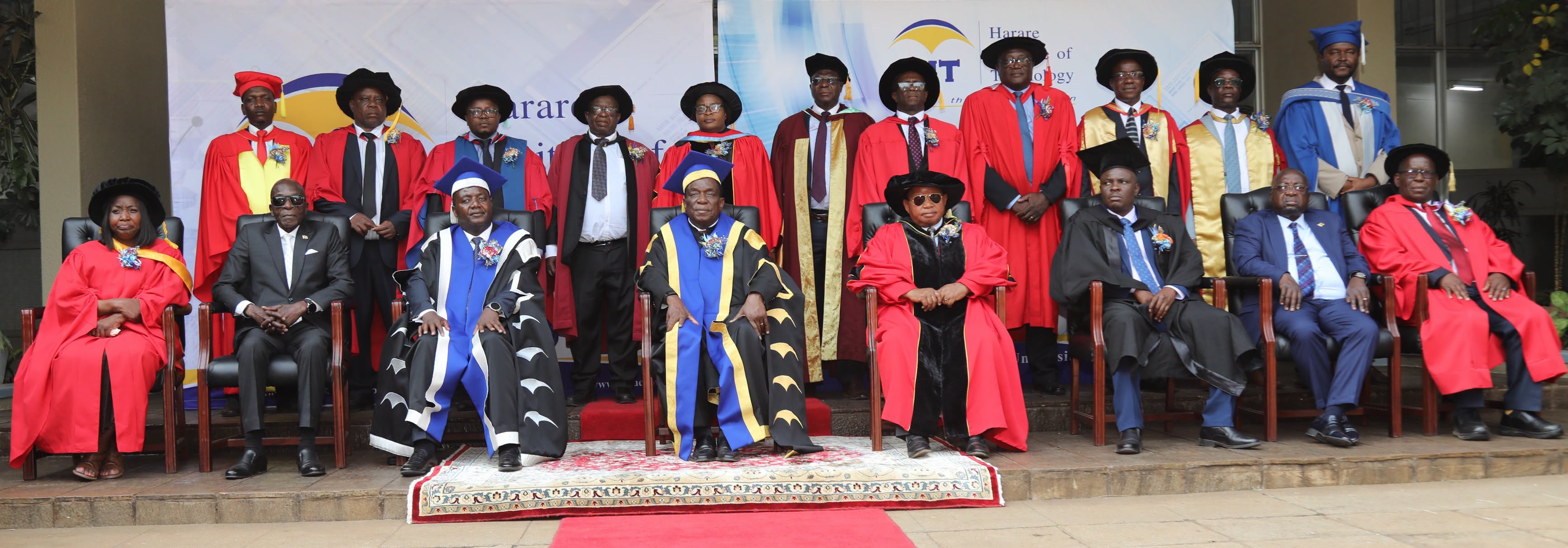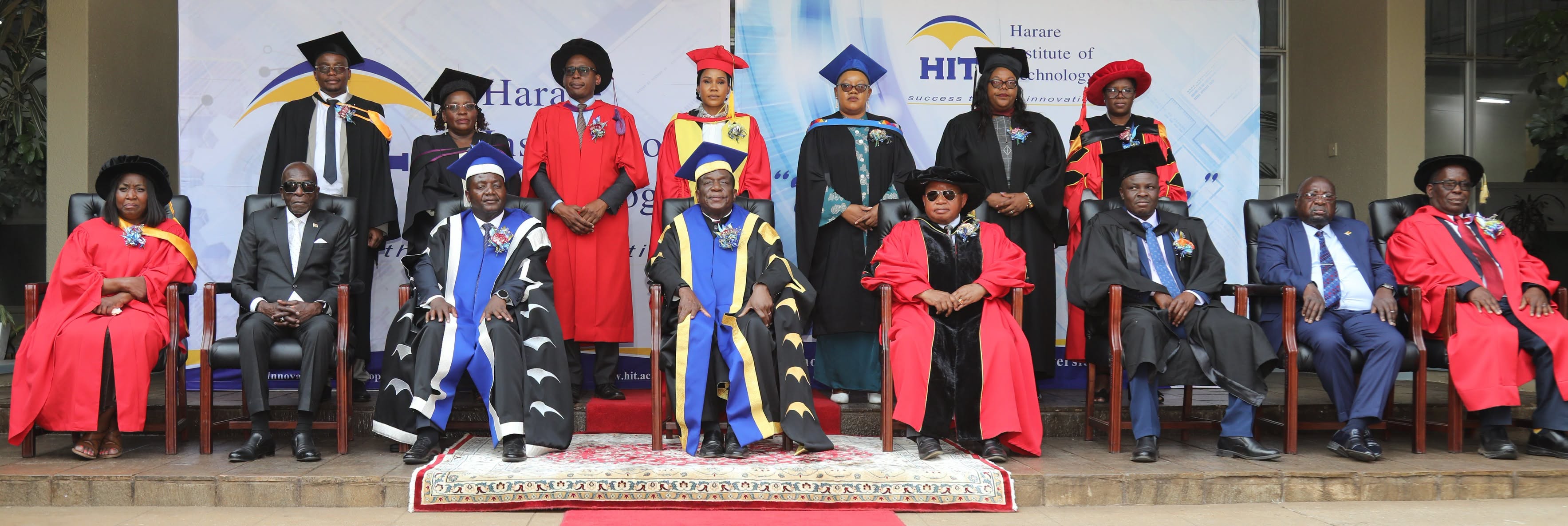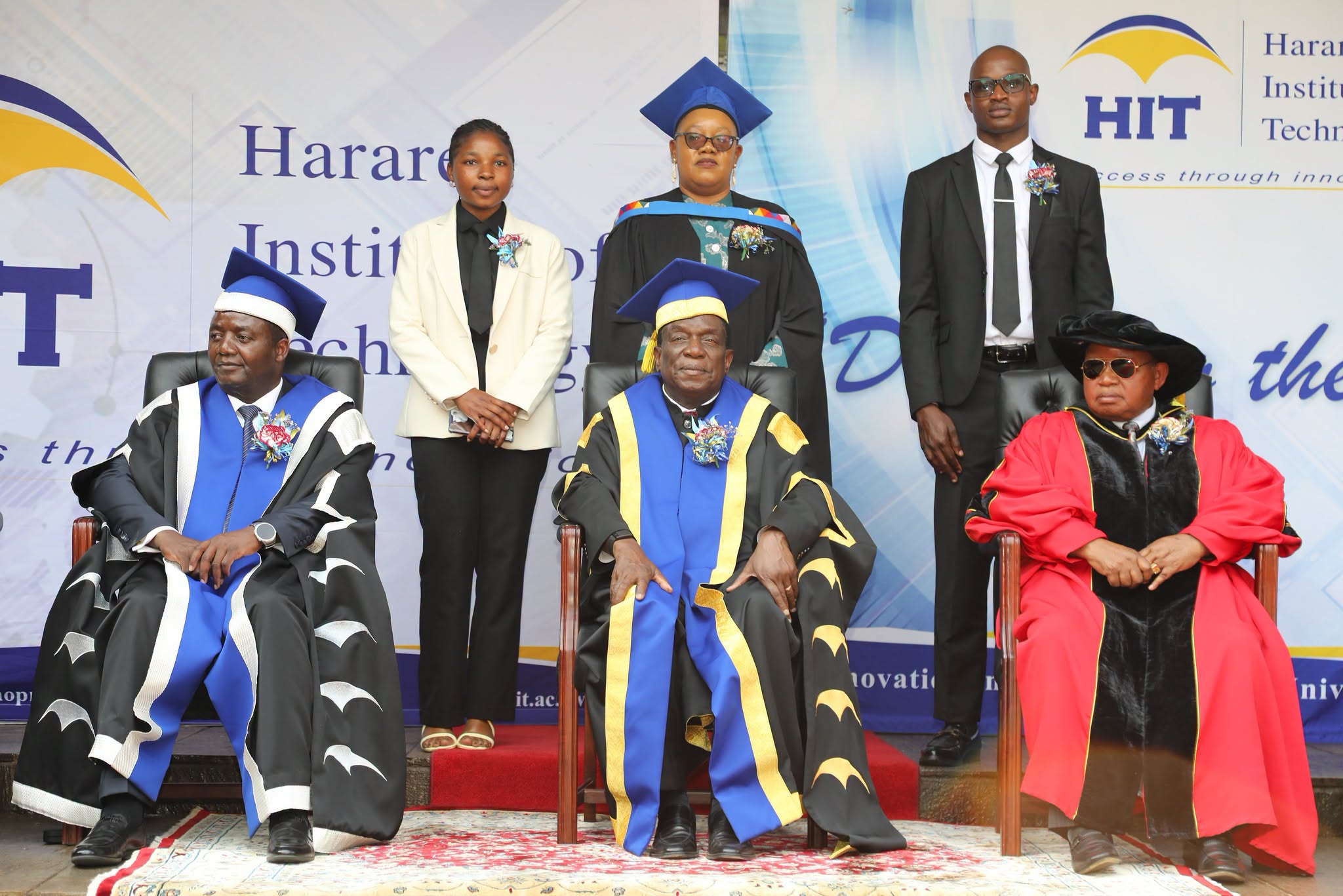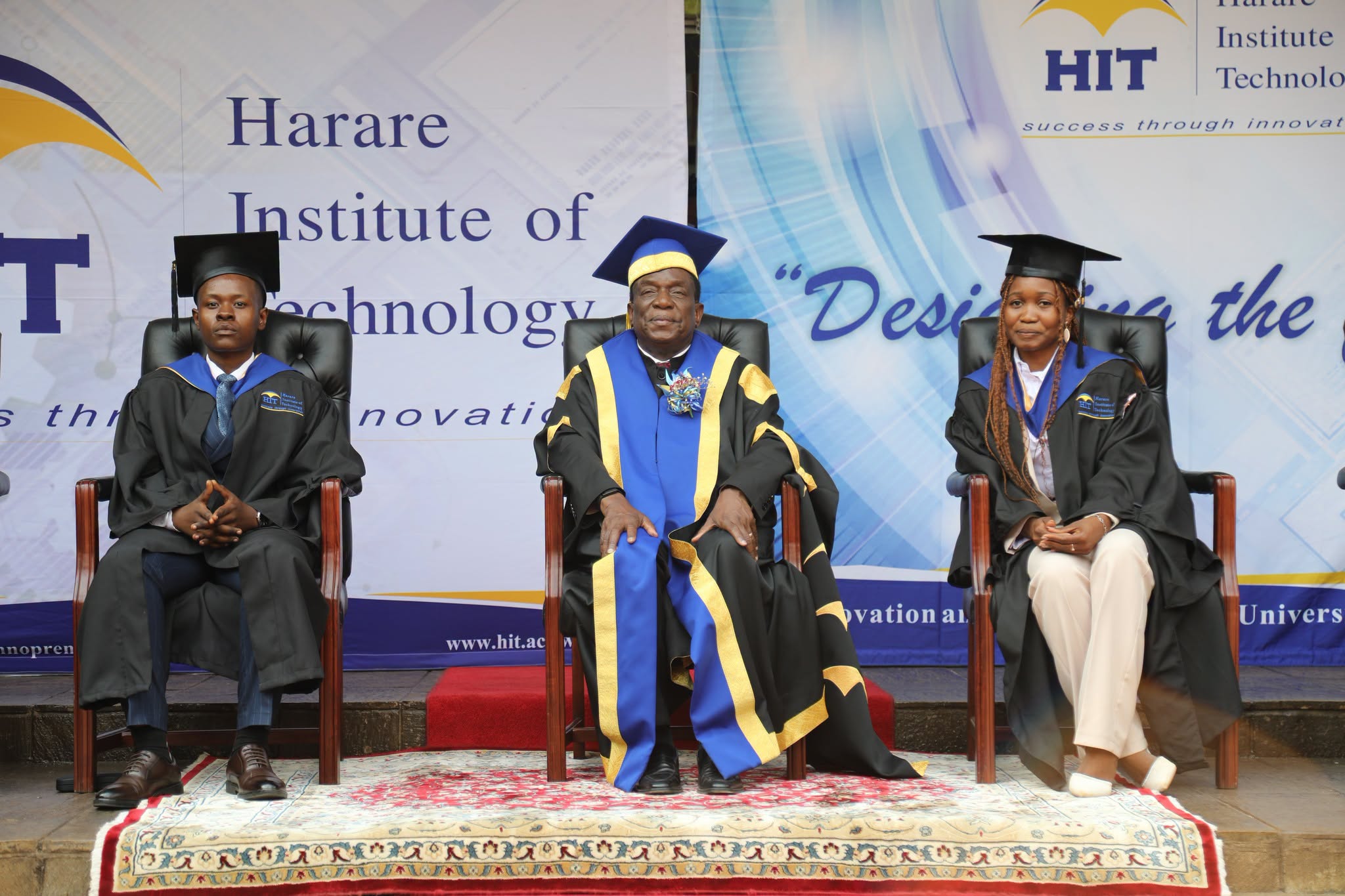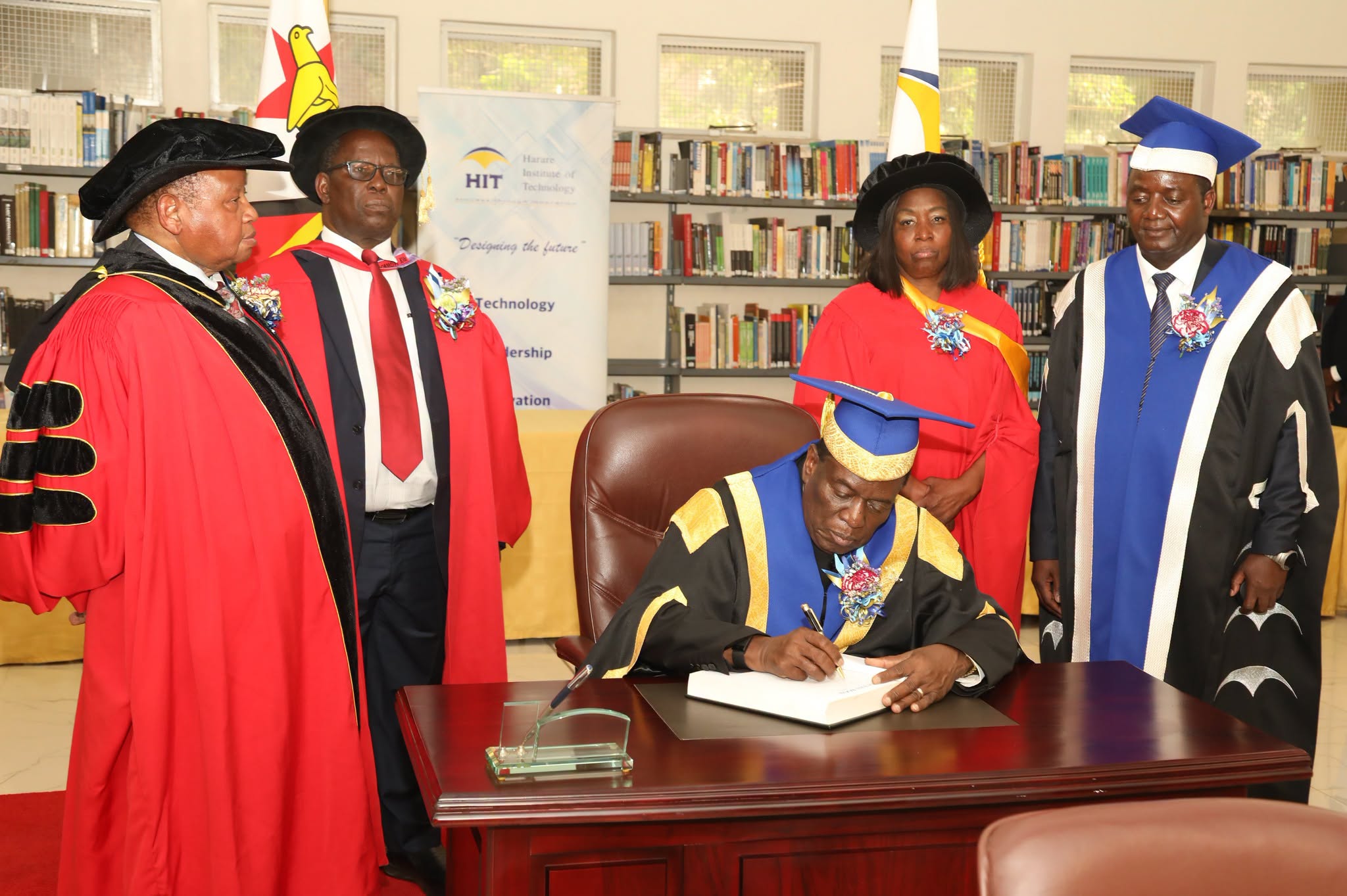

His Excellency the President of the Republic of Zimbabwe and HIT Chancellor, Dr E.D. Mnangagwa, capped 734 graduates at HIT’s 17th Graduation Ceremony, held at the Belvedere Campus on Friday, 04 September 2026.
The graduating class comprised 402 young men and 332 young women, up from 632 graduates the previous year, with 287 physically capped on the day. Degrees were conferred across five disciplines: Engineering and Technology, Information Science and Technology, Business and Management Sciences, Industrial Sciences and Technology, and Allied Health Sciences.
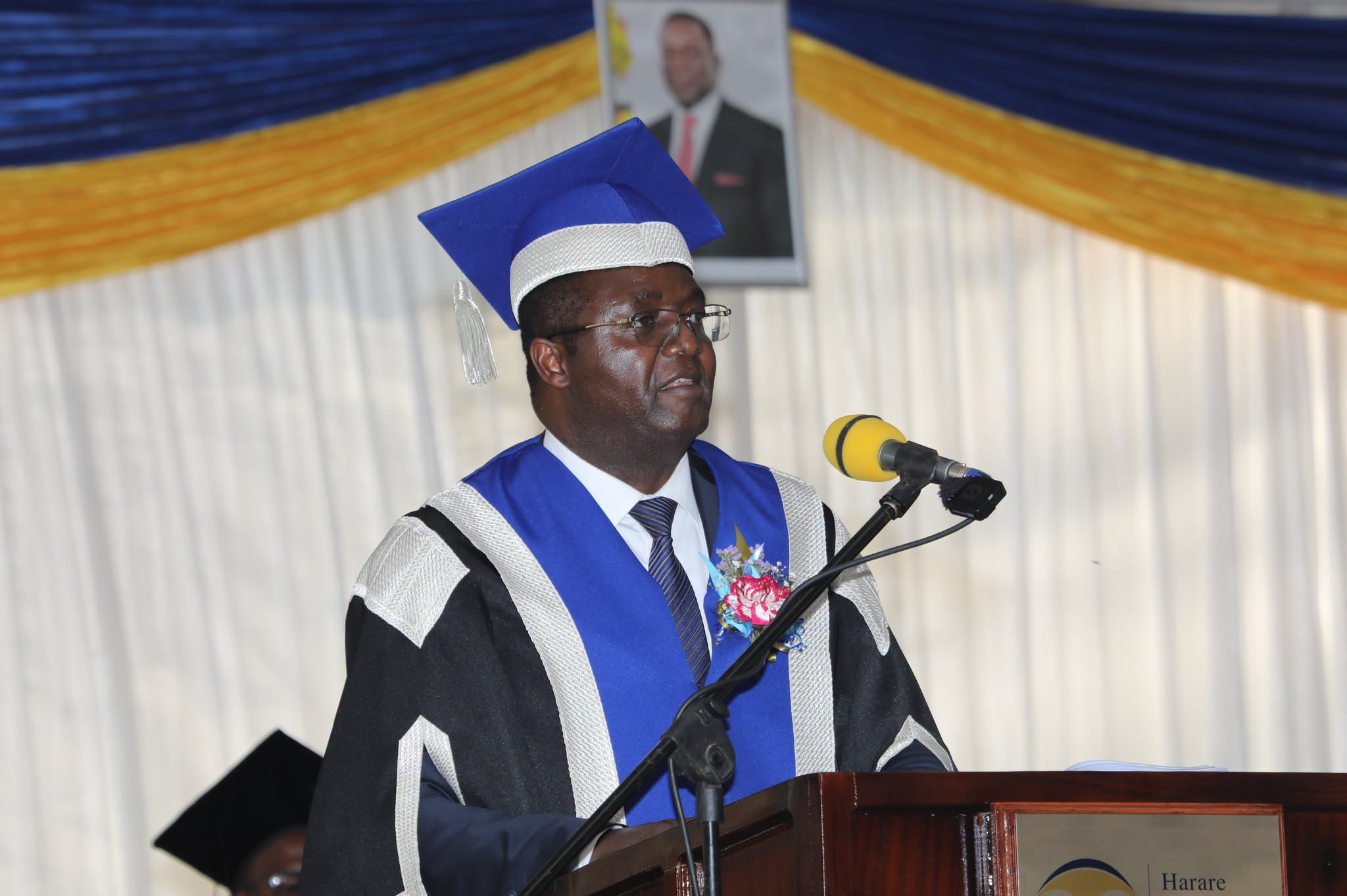
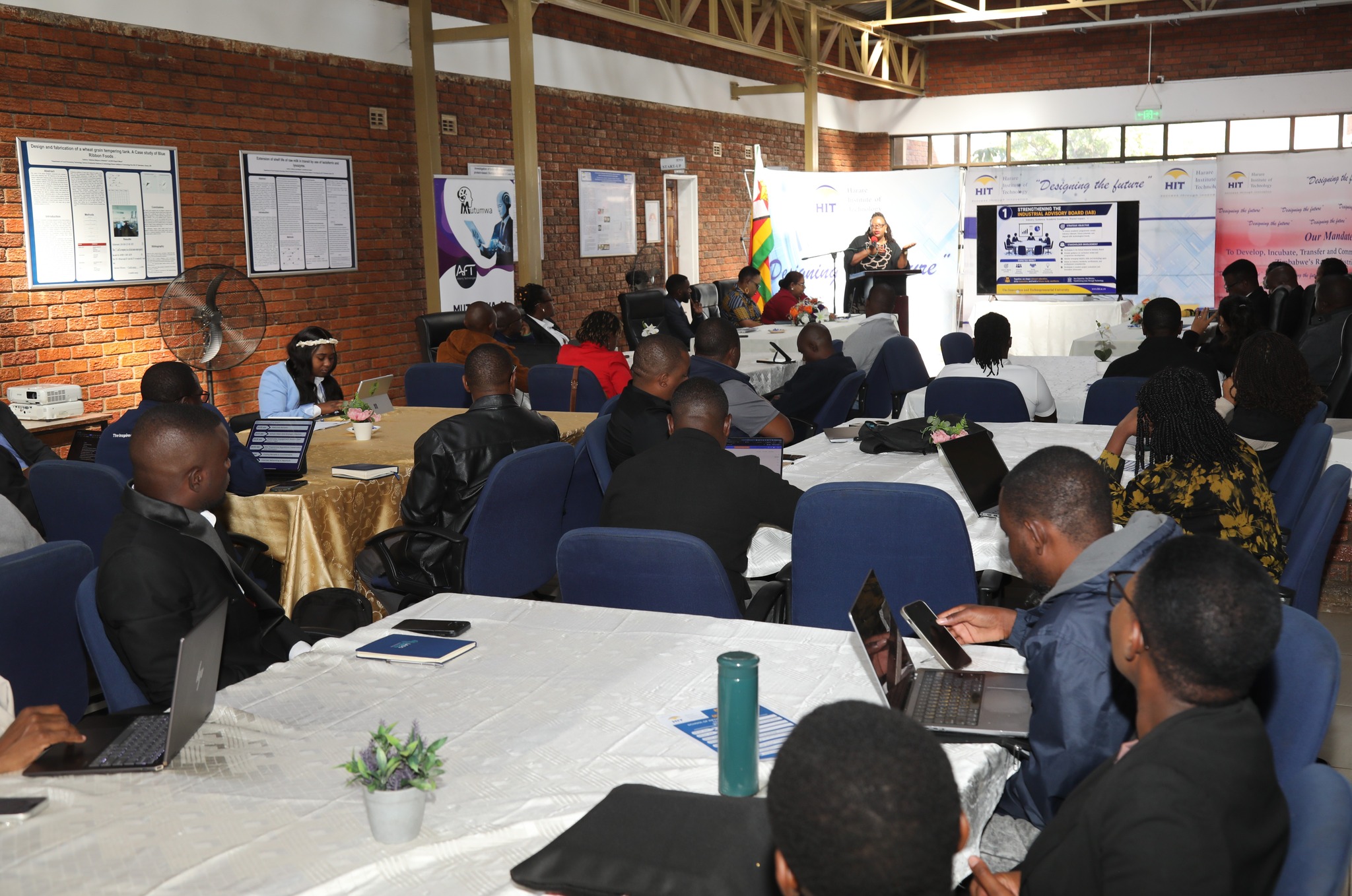
In his remarks, HIT Vice Chancellor Professor Engineer Quinton Kanhukamwe reaffirmed that the institution exists because of a national mandate: to develop, incubate, transfer and commercialise technology for Zimbabwe’s industrialisation. He described that mandate as resting on three pillars: HIT’s destiny to be the stimulant of scholarship in innovation, its cause to cultivate commitment towards technopreneurial leadership, and its calling to commercialise technology through professionalism rooted in integrity. He linked this to the Government’s Heritage-Based Education 5.0 philosophy, tracing the doctrine to the President’s own inaugural address, as recorded in the official Hansard of Parliament.
Highlighting the institution’s achievements over the past year, Professor Kanhukamwe pointed to a growing list of international partnerships: the University of Tokyo, an academic agreement with Seoul Cyber University, the Korea-Zimbabwe Knowledge Sharing Programme, and links with Jadavpur University (India), Bialystok University of Technology (Poland), the University of Arizona (US), and St Petersburg (Russia).
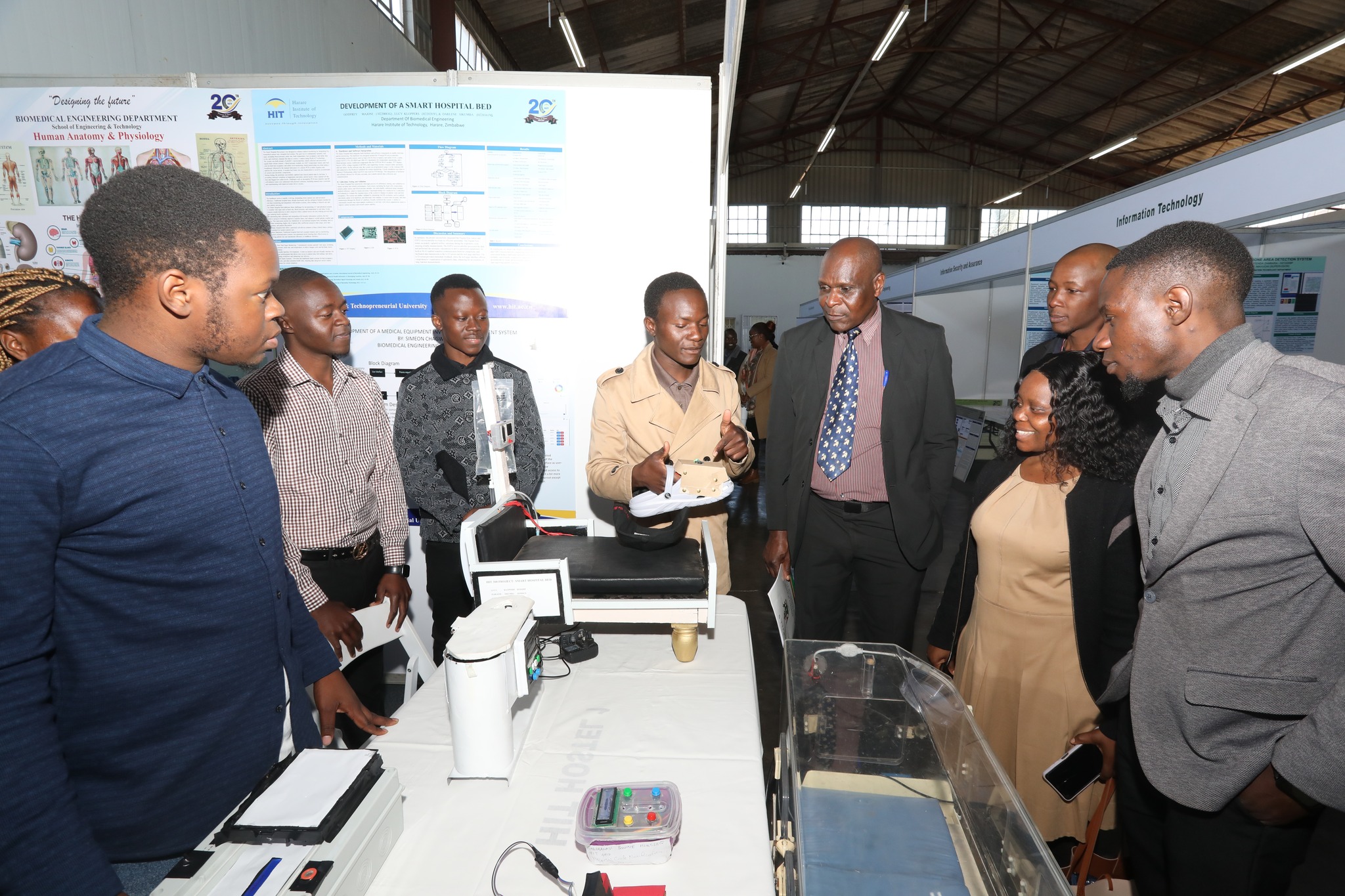
He also cited home-grown ventures that have grown out of HIT’s Innovation Hub, among them Ndarama Technologies, a digital-sovereignty venture now running the Ministry of Mines’ Export Permit Management System and the Citizen Engagement and Scoring Platform, alongside Matsimba Technologies’ e-ticketing system, the Public Service Commission’s pension platform, and a solar panel factory in Belvedere. New research infrastructure commissioned over the year includes the Catalysis and Chemical Process Engineering laboratory, the Electronics, Embedded Systems and Cyber-Physical Engineering laboratory, the Artificial Intelligence, Data and Digital Engineering laboratory, the Bio-Innovation and Health Technologies laboratory, and the Agri-Food Technology and Bioeconomy laboratory.
Looking ahead, Professor Kanhukamwe said HIT would focus on beneficiating Zimbabwe’s critical minerals, building on the National Lithium Study to move the country beyond exporting raw minerals — carrying that work from characterised ore through battery-grade precursor chemistry to lithium iron phosphate cells, electric-vehicle battery packs, and eventually Zimbabwean-assembled vehicles and trams from the Hi-Tech Development Valley. His message to the graduands was unambiguous: their qualifications carry a mandate to keep innovating and commercialising technology for Zimbabwe’s Vision 2030 ambitions.
Speaking after the ceremony, President Mnangagwa said he had the distinct honour of presiding over HIT’s 17th Graduation Ceremony, and congratulated the 734 graduates as fully equipped to drive the nation’s modernisation and industrialisation agenda. He commended HIT for continuing to anchor its programmes on Heritage-Based Education 5.0, producing innovators capable of developing tangible solutions for the country’s socio-economic growth, and urged the Class of 2026 to “go forth and build, industrialise, and innovate,” closing with the Shona proverb, “Nyika inovakwa nevene vayo.”
President Mnangagwa congratulated the graduates as “fully equipped to drive our nation’s modernisation and industrialisation agenda, “urging them to “go forth and build, industrialise, and innovate. Congratulations, Class of 2026!”
Four graduates received special recognition through the E.D. Mnangagwa Chancellor’s Award. Matida Pelemba, who graduated with a Bachelor of Technology Honours Degree in Computer Science and was named Overall Best Female Student, and Sheunopa Shaun Mango, Overall Best Male Student, each received US$1 000, while Kudzaishe Mugadza and Jane Maruma received US$500 cash prizes.
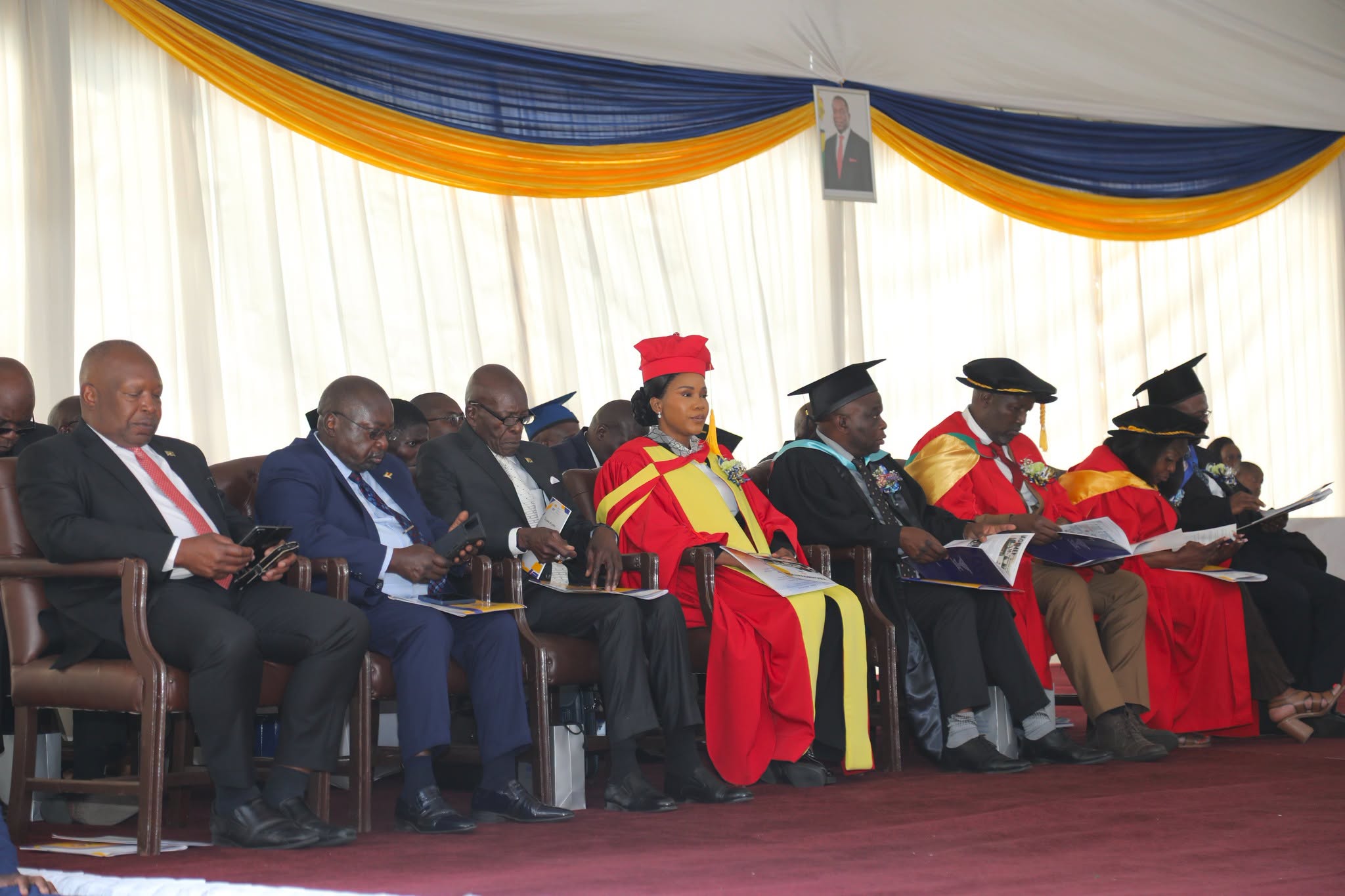
The ceremony was attended by Higher and Tertiary Education, Innovation, Science and Technology Development Minister Dr Frederick Shava, Chief Secretary Dr Martin Rushwaya, Cabinet Ministers, Vice Chancellors from other universities, captains of industry, and senior Government officials.
Congratulations, Class of 2026!