

School of Industrial Sciences and Technology convenes captains of industry in bold push to co-create future-ready graduates and cutting-edge programmes
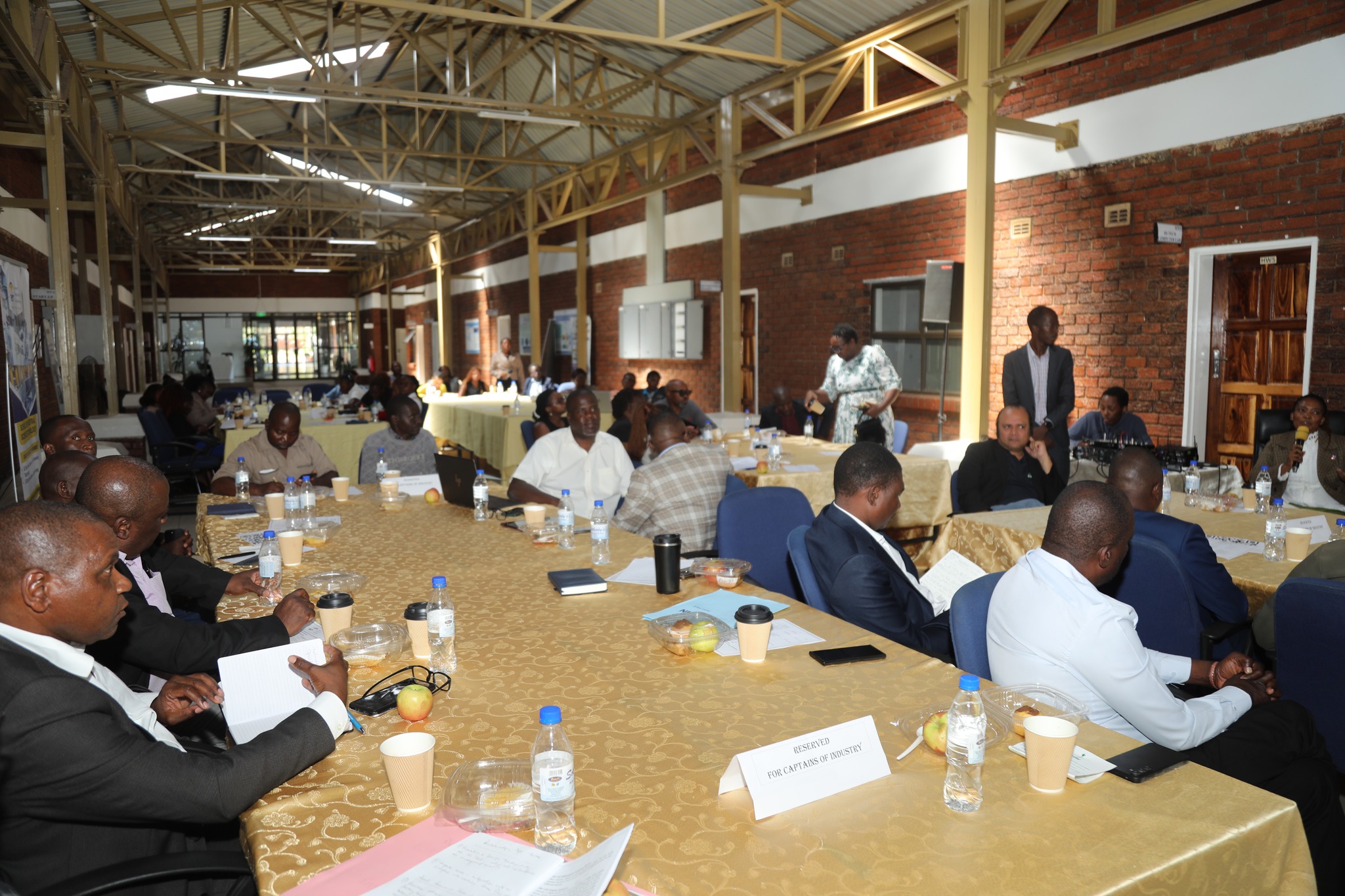
The Harare Institute of Technology (HIT) brought together some of Zimbabwe’s most prominent industry players under one roof, as the School of Industrial Sciences and Technology (SIST) hosted a landmark Stakeholder Breakfast Meeting at the Innovation Hub.
The high-powered gathering, held on Friday 15 May 2026, drew representatives from a cross-section of sectors spanning food manufacturing, agribusiness, research institutions, public health, retail, and biotechnology, united by a shared imperative: to forge a stronger, more responsive partnership between academia and industry.
The occasion drew attendees from organisations including National Foods, Dairibord Zimbabwe, Cairns Foods, Schweppes, Colcom, SEEDCO, OK Zimbabwe, Probottlers, Kefalos Cheese, Agrobusiness, the Horticulture Research Institute, Kutsaga Research Station, the Zimbabwe Standards Authority (SAZ), Harare City Council Laboratories, Central Vet Laboratories, Zambezi Blue/Shamiso Farm, the National Bakers Association, the Environmental Management Authority, and the National Biotechnology Authority, among many others.
A Clarion Call for Honest Engagement
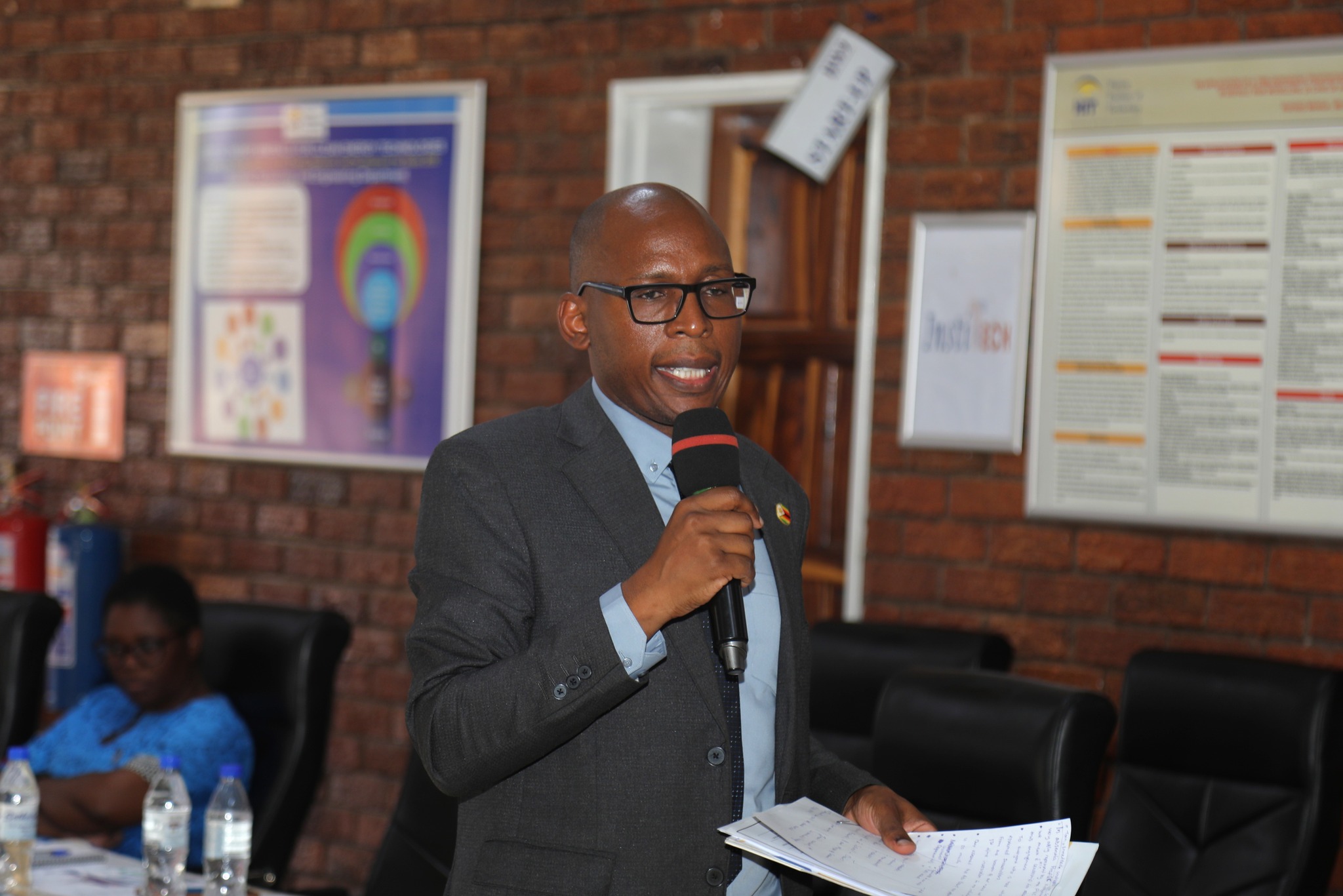
In his opening remarks, HIT’s Vice Chancellor, Prof. Q.C. Kanhukamwe, who was represented by the Pro Vice Chancellor for Academic Affairs, Mr Willard Gwarimbo, set the tone by positioning the morning’s discussions not as a courtesy exercise, but as a strategic inflexion point for both the institution and the industries it serves. “We seek today, your insights in three critical areas: key gaps in graduate competencies, training, infrastructure and industrial attachment programmes, emerging programmes and specialisations needed to address current and future industry demands. We are also seeking opportunities for strengthening University-Industry collaboration in innovation, research, work-integrated learning and skills development,” the Vice Chancellor said.
He added that HIT is committed to bridging the gap between theory and practice by ensuring that the knowledge and skills imparted in our classrooms translate into meaningful value for industry and the broader economy.
In his presentation on the School of Industrial Sciences and Technology’s vision, the Dean, Dr Amos Musengi, articulated the HIT mandate, to develop, incubate, transfer, and commercialise technologies that drive rapid national industrialisation, a mission directly aligned with Zimbabwe’s National Development Strategy 2 (NDS2), the Heritage-Based Education 5.0, and the national Vision 2030 agenda.
The school’s two departments of Biotechnology and Food Processing Technology currently offer BTech (Honours) and MTech degree programmes, with PhD programmes in the pipeline.
“The SIST seeks to develop and usher in new, appropriate technologies for rapid national industrialisation and promote rapid human capital development as regards the biotechnology, food technology and related industrial disciplines. And, to remain relevant and competitive, SIST must align its programmes with modern technological trajectories. This is essential for national development, global competitiveness, and future workforce readiness,” Dr Musengi said.
Future-Facing Programmes on the Table
In his presentation, Dr Amos Musengi unveiled a suite of emerging subject areas that SIST is actively exploring as it seeks to position itself at the cutting edge of scientific and technological education. These include Bioinformatics, Biomanufacturing, Genomics and Gene Technologies, Smart Food Systems, Industrial Crops Technology, Green Synthesis and Circular Industrial Systems, and Computational Biosciences, each responding to specific global and national trends in science, technology and industry.
The school is also pioneering a microcredentials framework, short, skills-focused certifications designed to be flexible, industry-aligned, and stackable. Examples include HACCP, Good Manufacturing Practices, Food Packaging Technology, Microbiological Testing, IoT in Food Manufacturing, and AI in Biotechnology. These offerings are aimed at upskilling existing industry professionals while creating new pathways for lifelong learning.
SIST’s research credentials were also on display. The school has produced internationally published work, including a peer-reviewed study on indigenous starter cultures used in dairy fermentation across sub-Saharan Africa, research on Dioscorea rotundata starch for industrial applications, and a study on antiproliferative activities of phytochemicals from indigenous plant species. Product innovations such as the Mutombo and Mhenivir herbal immune booster lines and the NutriGrow synthetic microbial growth medium were showcased as evidence of the school’s capacity to translate research into market-ready solutions.
Key theme that emerged from early discussions
One key theme that emerged from early discussions was that industry must be treated as a patient, and academia as the doctors tasked with diagnosing and treating the challenges the sector faces. This framing drew visible resonance among attendees and set the stage for candid, solution-driven dialogue.
Industry Speaks: Key Gaps and Recommendations
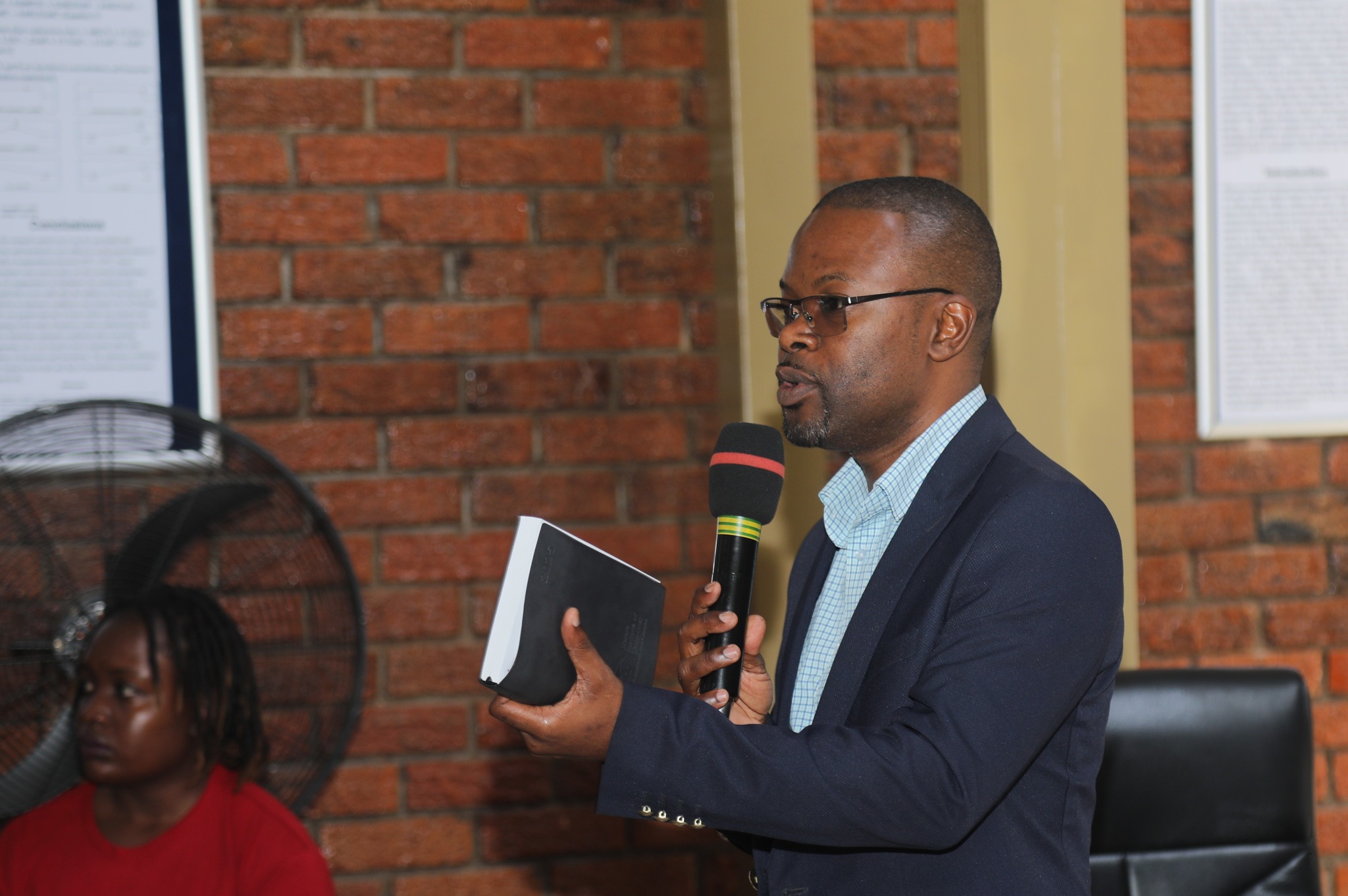
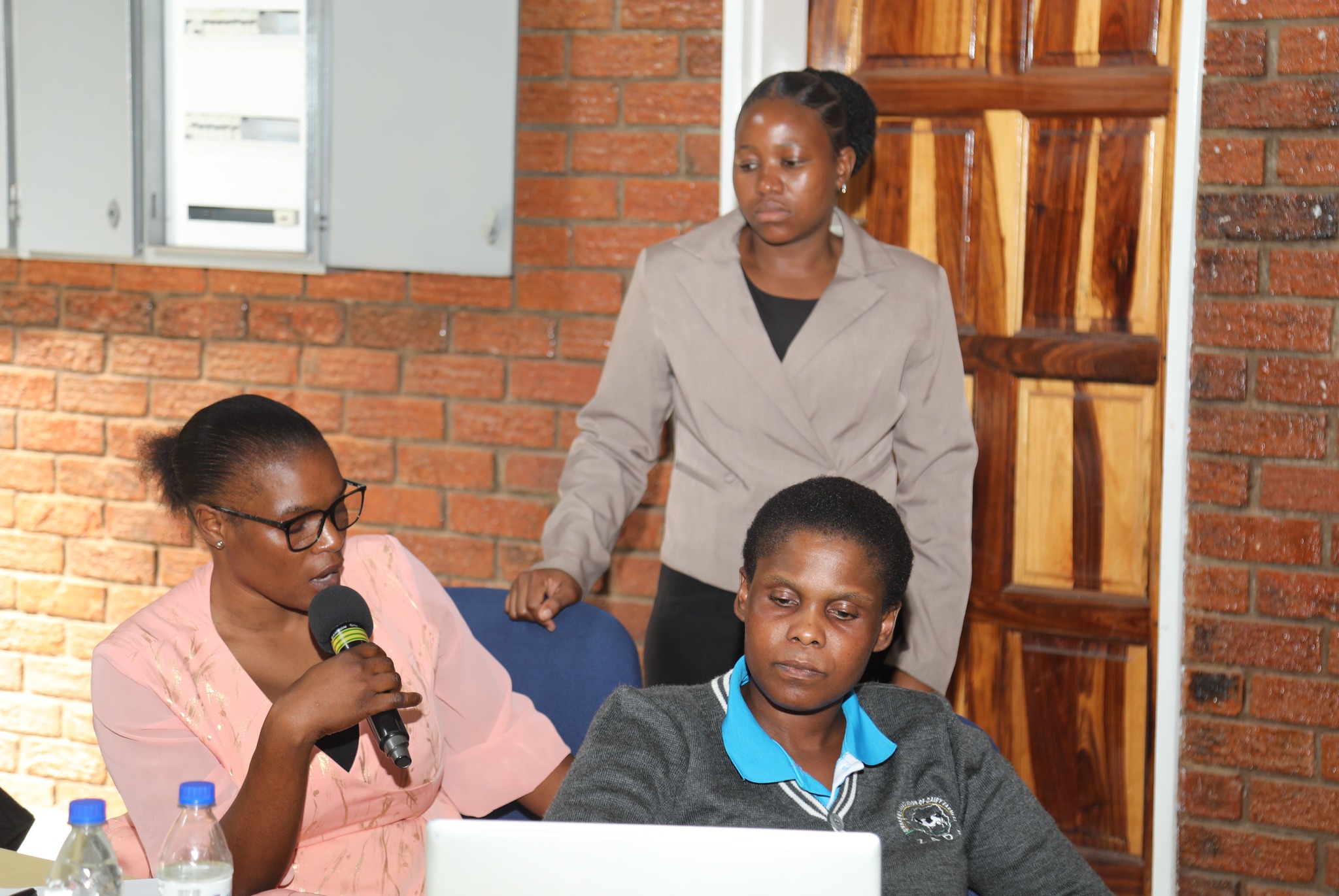
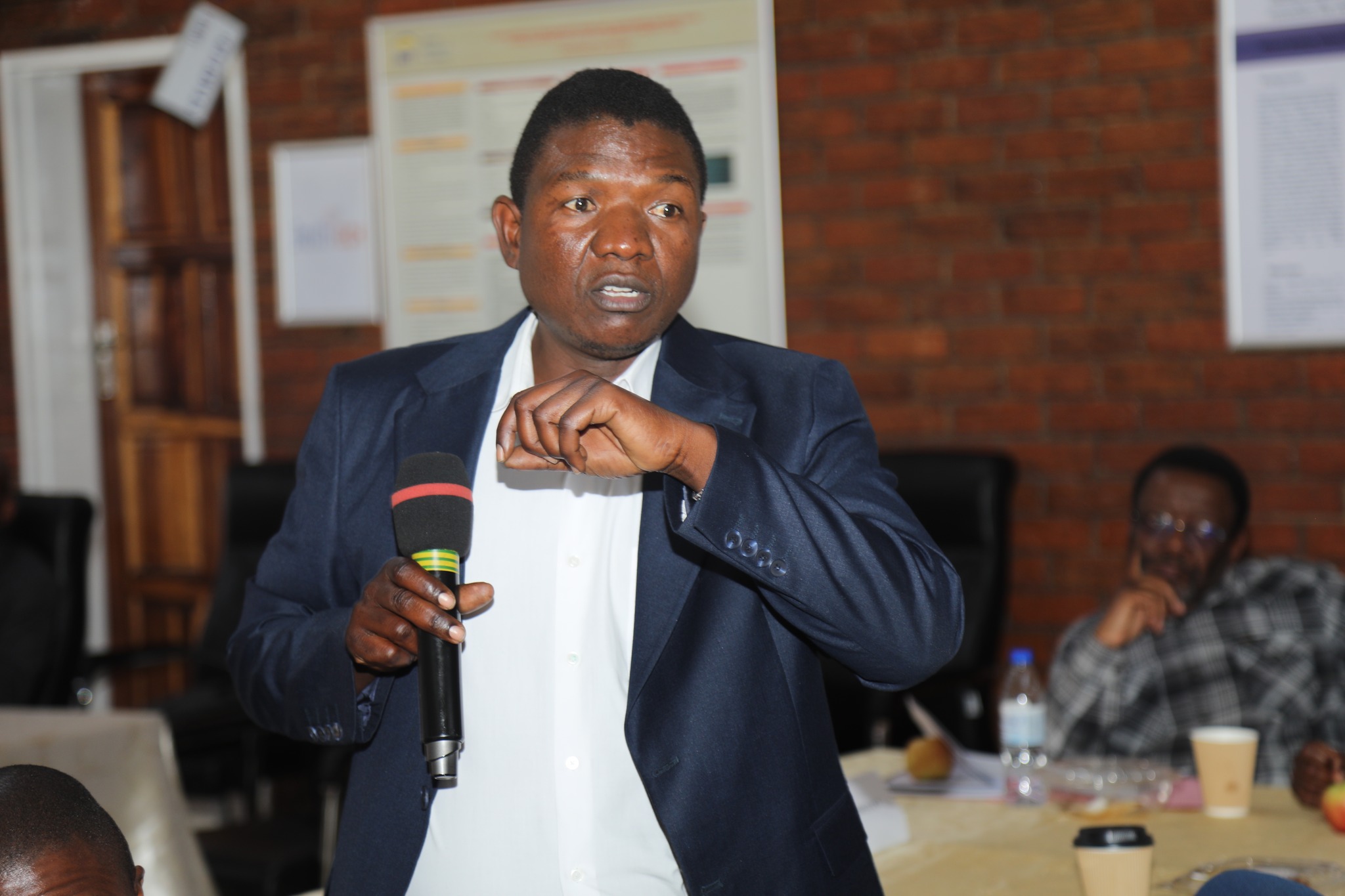
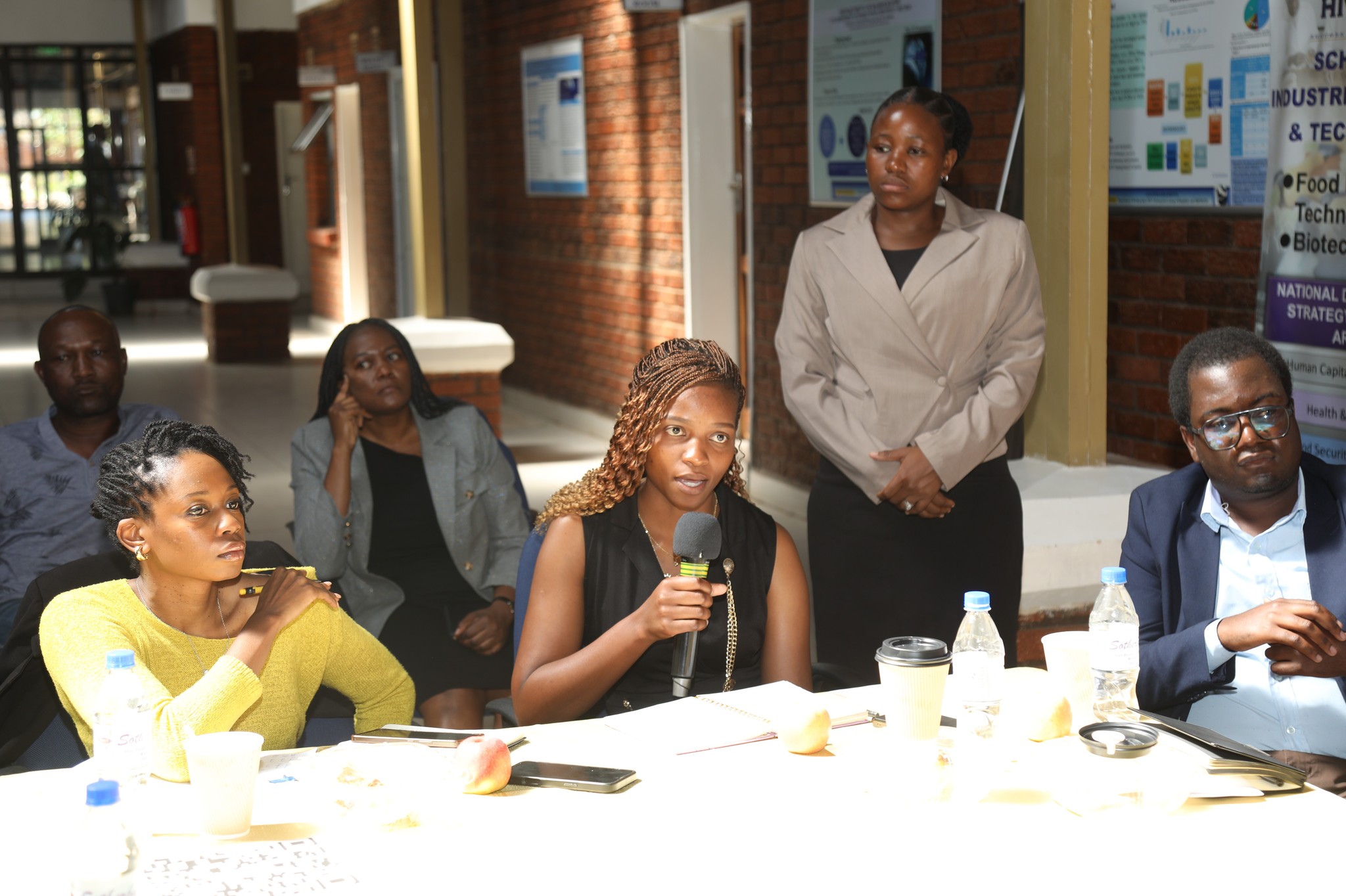
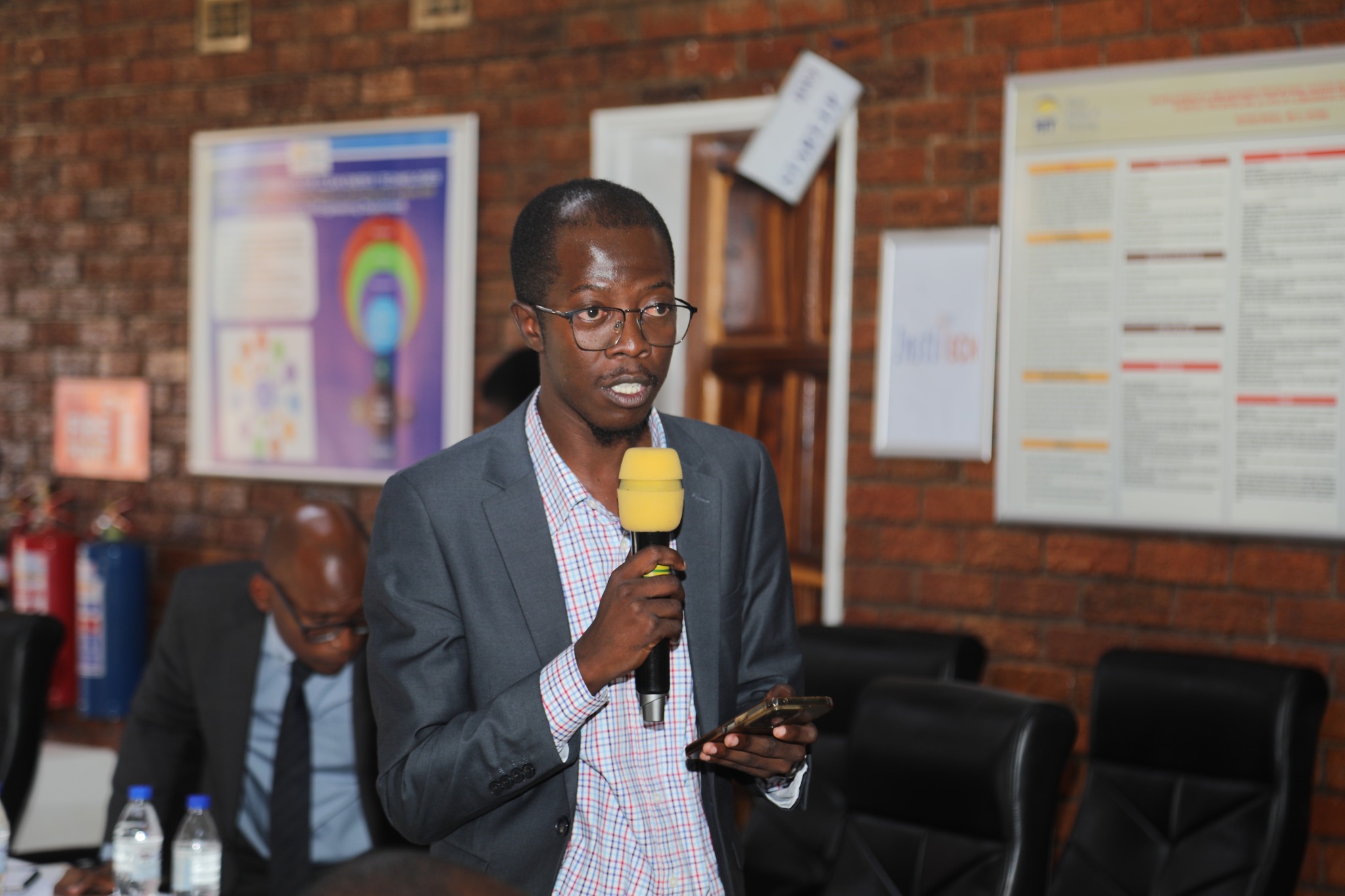
The open discussion segment, facilitated by lecturers from the Departments of Food Processing Technology and Biotechnology, produced a rich harvest of frank industry perspectives. Delegates called for stronger integration of business, economics, accounting and communication skills within the curricula, noting that technical competence alone does not produce industry-ready graduates. There was also a chorus of support for expanding student industry visits to give learners first-hand exposure to real processing environments, as well as for industry experts to regularly come on campus as guest lecturers.
Funding for student research projects emerged as another critical concern, with industry players expressing willingness to explore co-investment models that would anchor research to actual industrial challenges. Delegates further called for closer collaboration to locally produce raw materials and ingredients used in food, beverage and dairy manufacturing, a move that could significantly reduce Zimbabwe’s import bill while creating new opportunities for academic-industry joint ventures.
Perhaps the most forward-looking recommendation to emerge was the call for co-creation of academic programmes together with industry, a departure from the traditional top-down model of curriculum development. The incorporation of Artificial Intelligence and data analytics into the curricula was also flagged as a non-negotiable priority, reflecting the accelerating pace of digital transformation across all sectors.
A Framework for Sustained Partnership
The meeting closed with agreement on the need for a comprehensive stakeholder report to be compiled, capturing both what industry requires and what HIT must do, and do in partnership with industry, going forward. Delegates affirmed their commitment to practical collaboration frameworks spanning curriculum development, industrial attachment, applied research, innovation, and workforce preparedness.
HIT reaffirmed its position not as a passive recipient of industry feedback, but as an active co-architect of Zimbabwe’s industrial future. As Dr A. Musengi concluded, together, academia and industry must co-create sustainable partnerships, drive industrial transformation, advance technology and innovation, build a competitive future-ready workforce, and contribute meaningfully to national development.
The SIST Breakfast Meeting marks a significant step in HIT’s ongoing mission to bridge the gap between the classroom and the shop floor, ensuring that every graduate who walks out of its doors is not merely theoretically competent but practically innovative, business-minded, adaptable, robust, and ready to contribute to national industrialisation from day one.