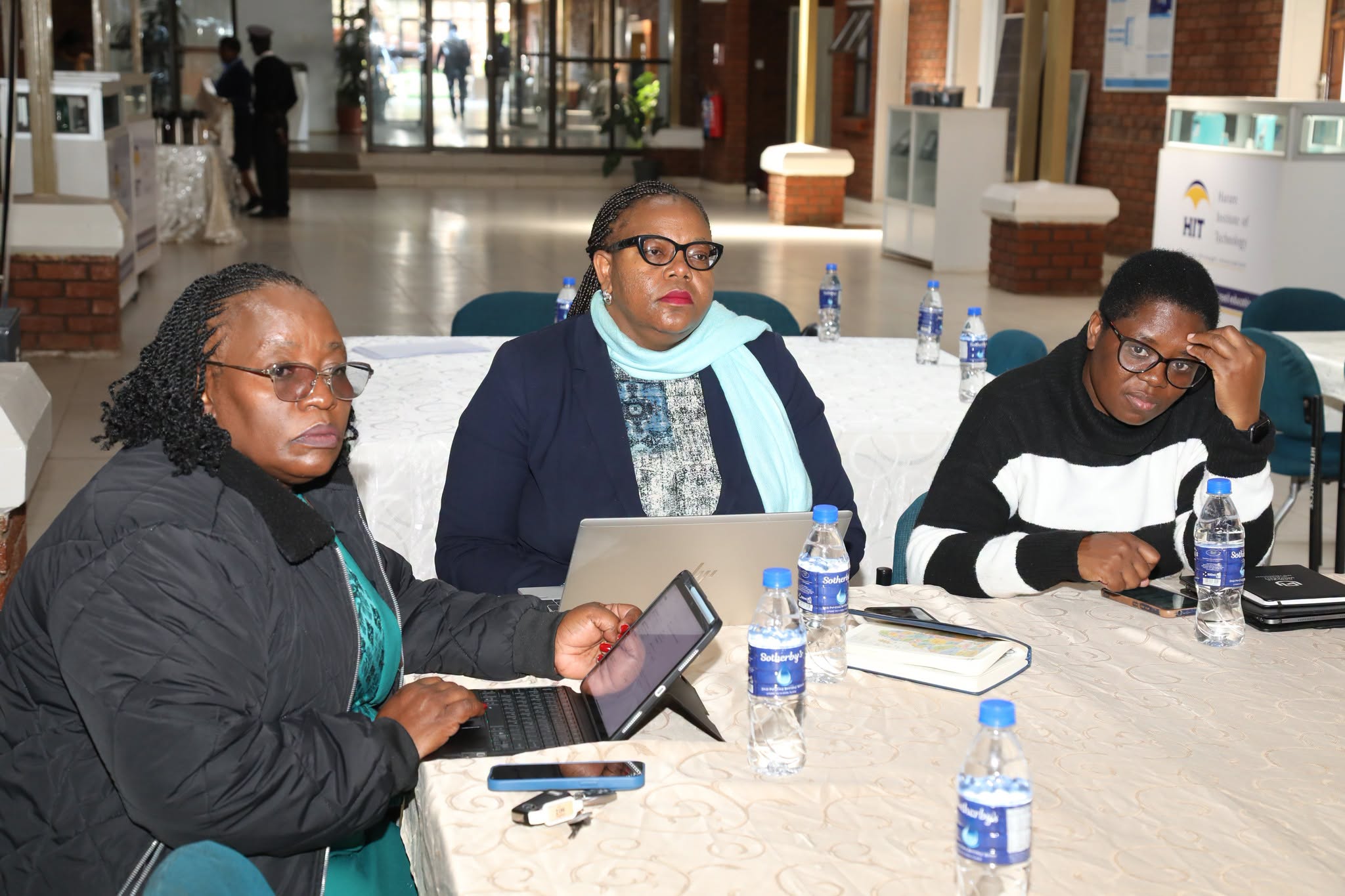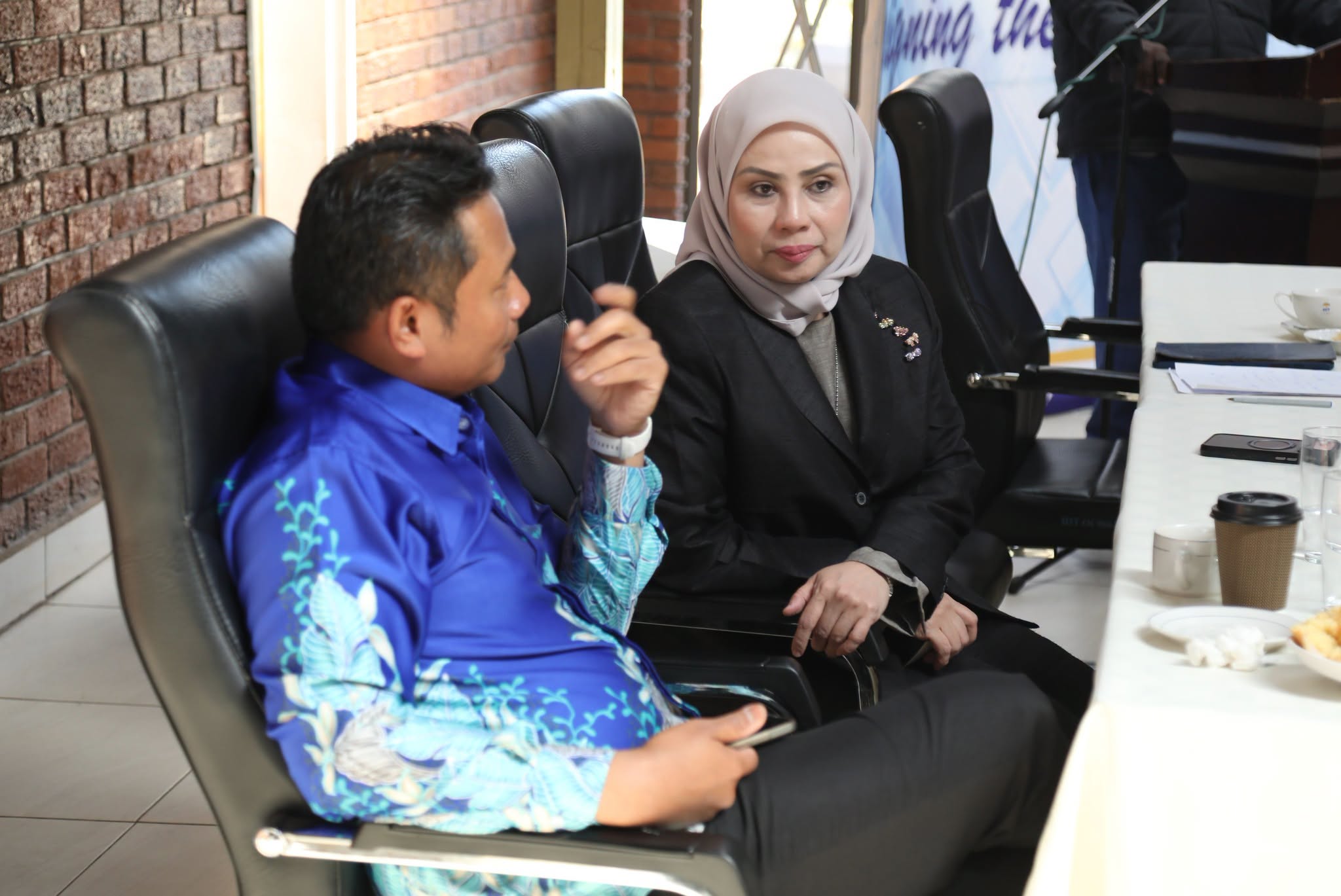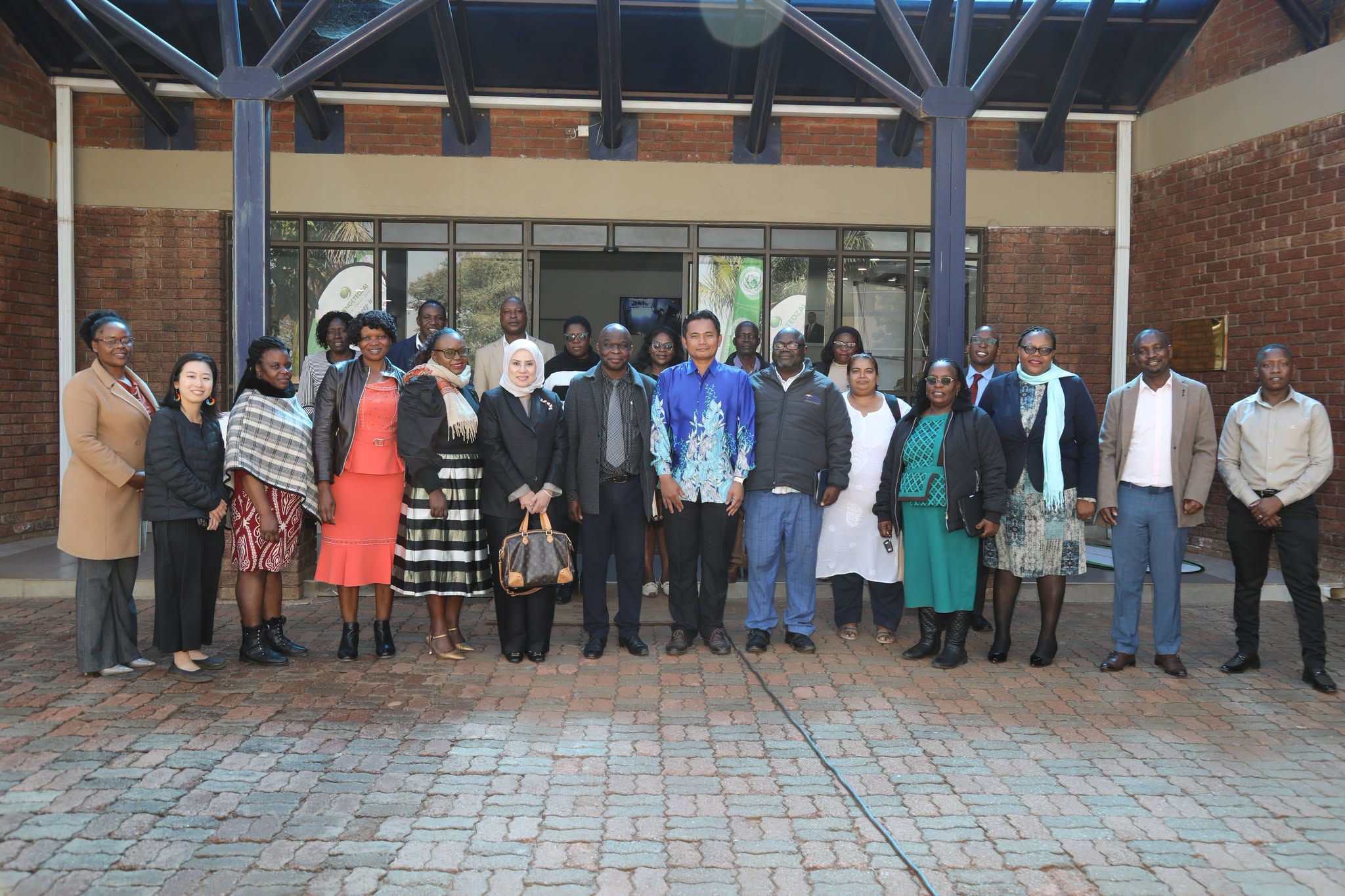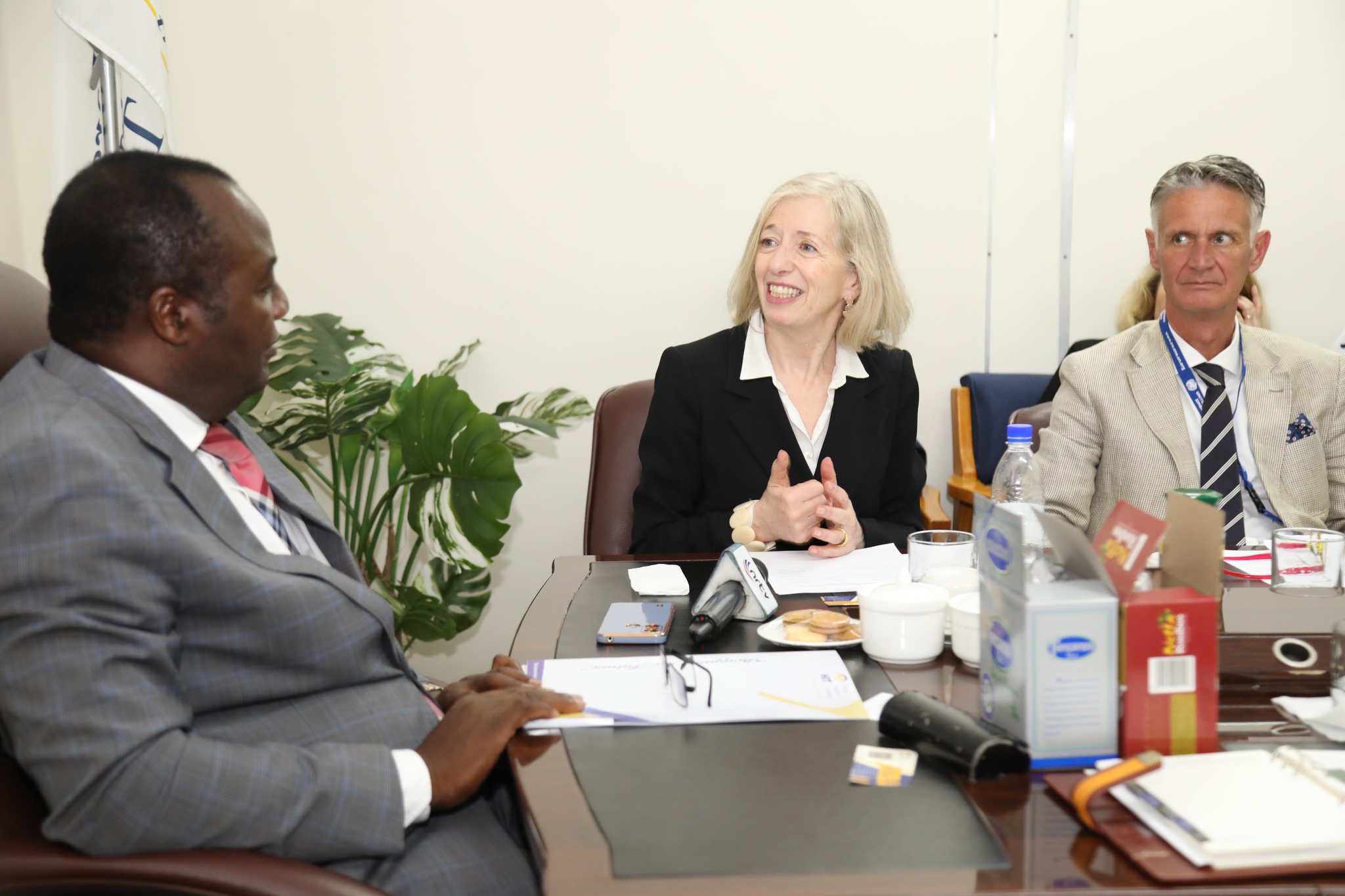


When people talk about a university’s reputation, they often picture rankings, league tables, positions, points. But what actually goes into climbing those tables? That question sat at the centre of a recent capacity-building workshop hosted by the Harare Institute of Technology (HIT), where academic leaders, quality assurance practitioners, and faculty gathered to unpack one of the most pressing conversations in modern higher education: how does an institution earn genuine global visibility, and what role do microcredentials play in getting there?
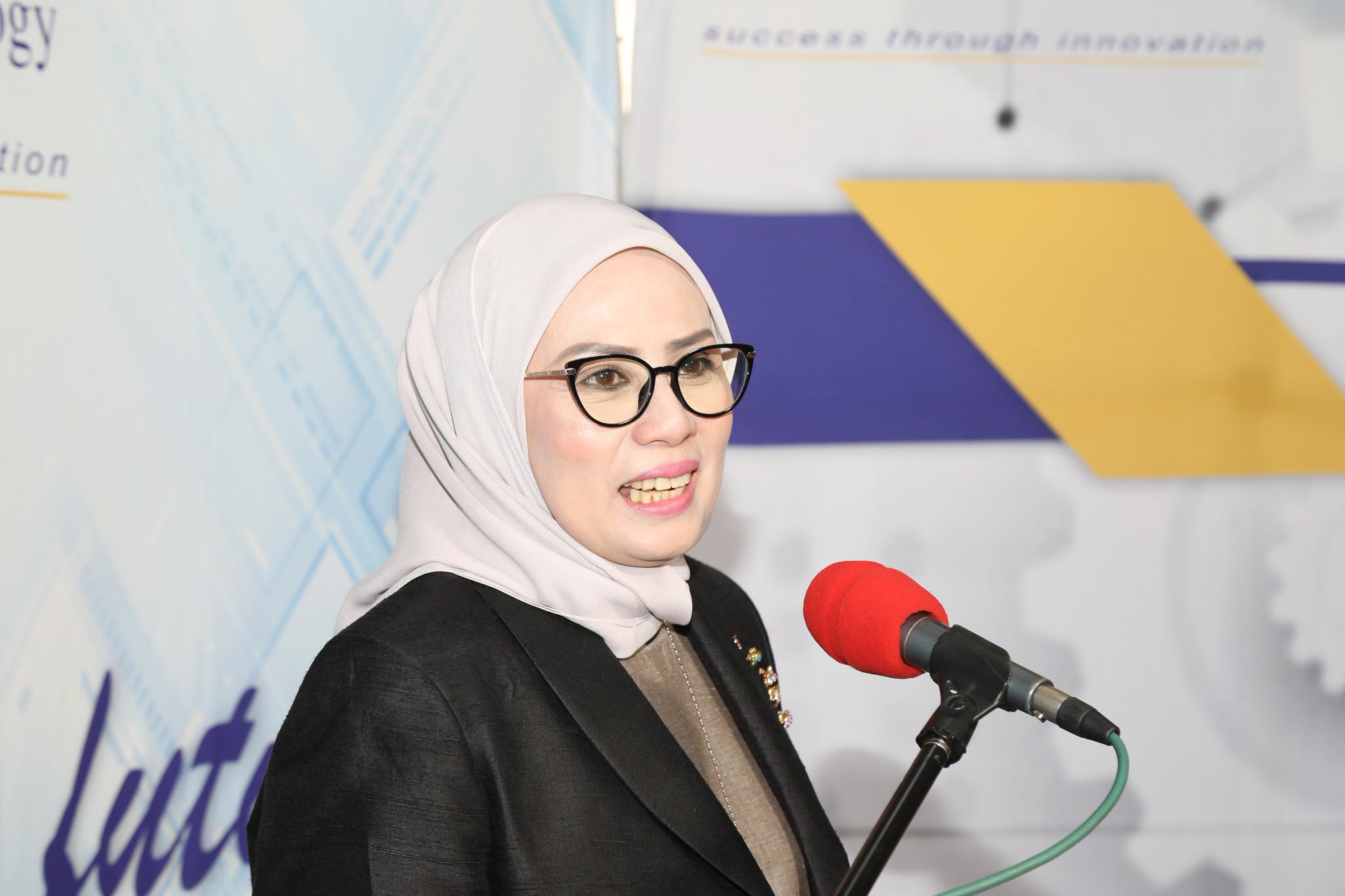
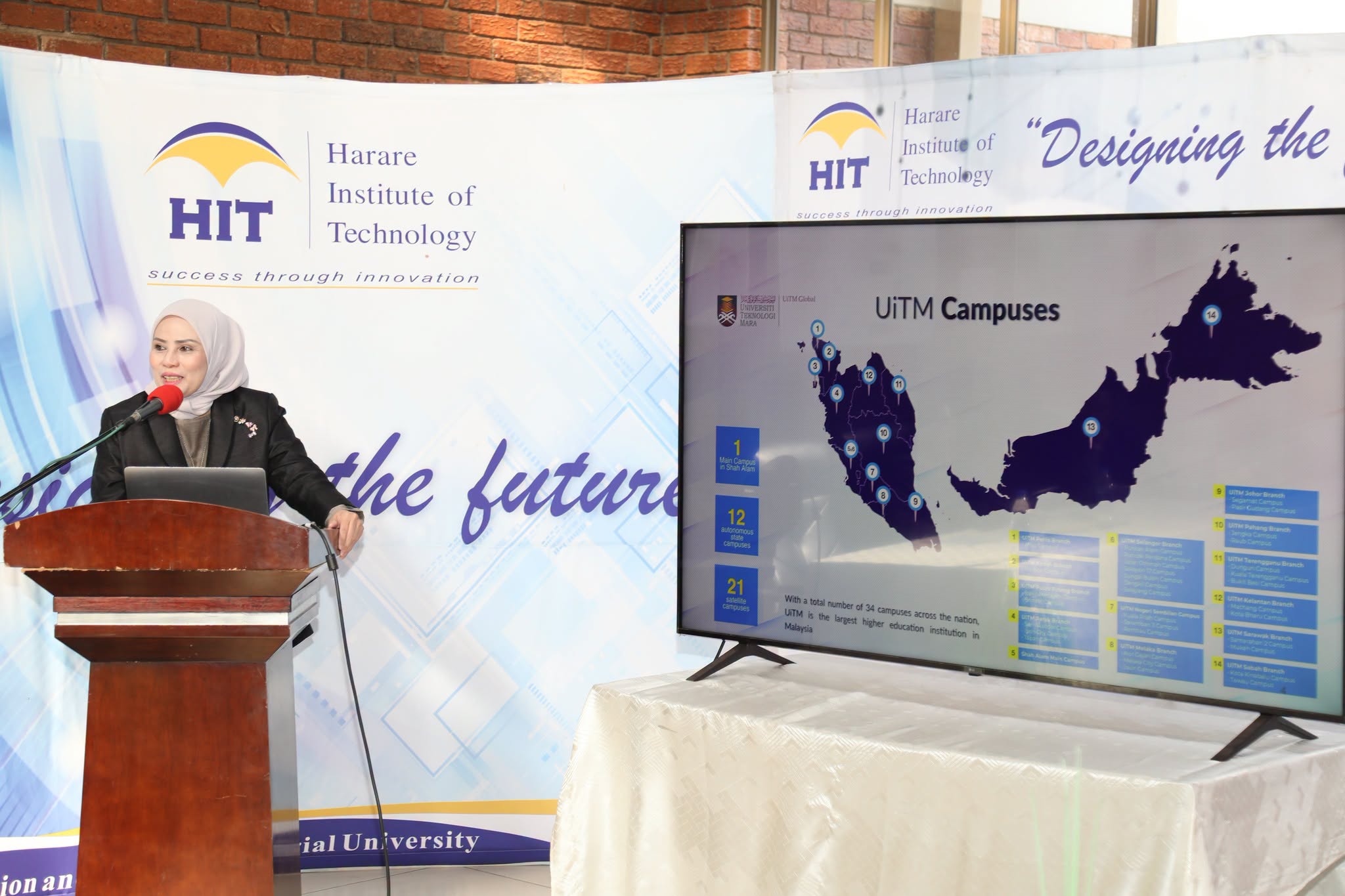
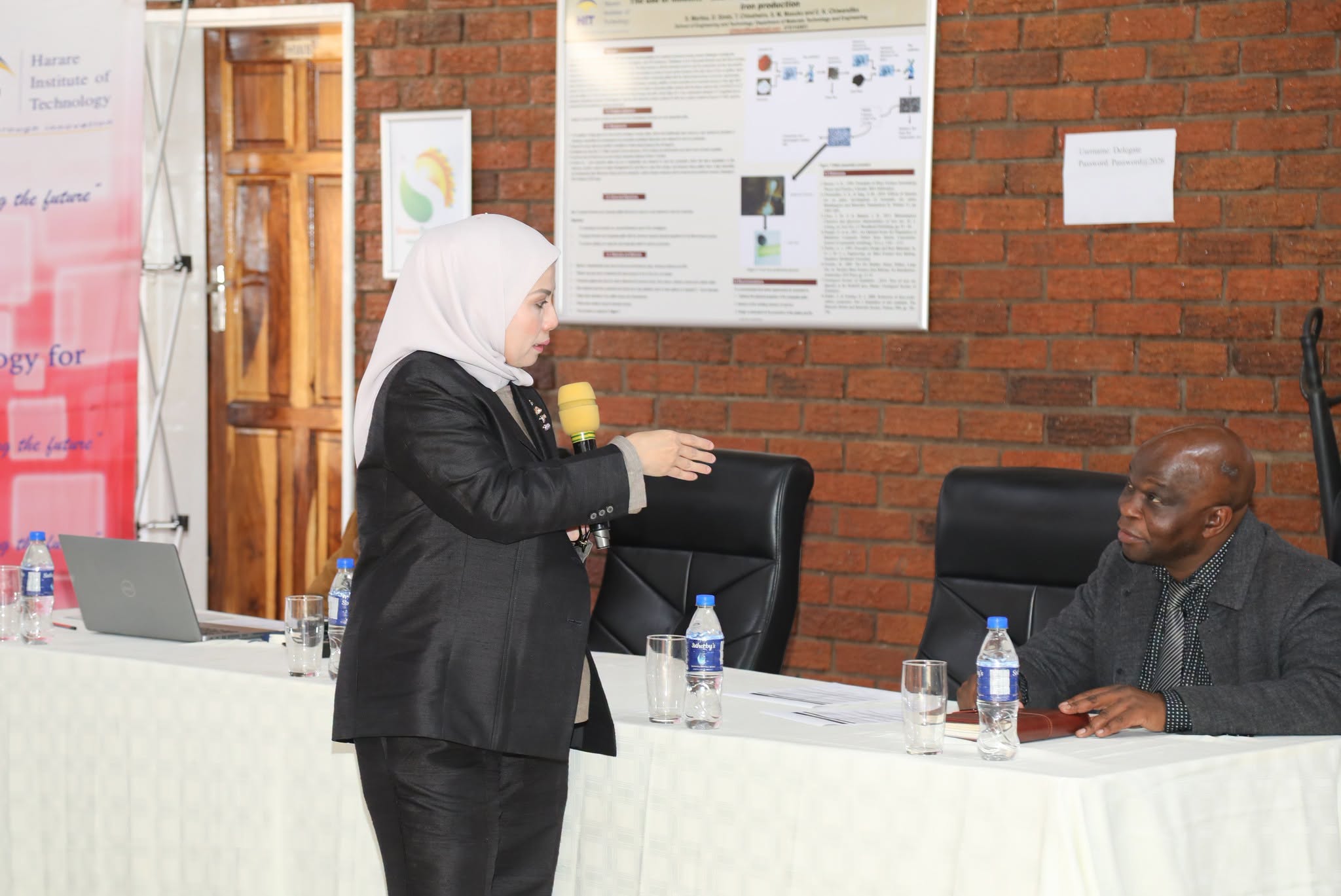
Leading the conversation was Professor Datin Dr. Norazida Mohamed of Universiti Teknologi MARA (UiTM), Malaysia, an institution whose own rise up international rankings offers a case study in what deliberate, sustained institutional strategy can achieve. Organised jointly by HIT’s Department of Forensic Accounting and Auditing and the Quality Assurance Directorate, the session felt less like a lecture and more like a masterclass in institutional ambition.
Professor Norazida didn’t offer shortcuts. Instead, she walked participants through the ingredients that actually move the needle: a strong research culture, quality teaching, international collaboration, community engagement rooted in sustainability, and perhaps most underrated, disciplined data management. Rankings, she reminded the room, aren’t the goal. They’re the scoreboard. The real work is institutional excellence; the rankings simply reflect it back.
From there, the workshop turned practical. A roadmap took shape, one built around boosting research output and citation impact, deepening international partnerships, sharpening graduate employability, strengthening ties with industry, tightening data governance, and embedding a culture where quality improvement isn’t a once-a-year exercise but a daily habit.
The second half of the day shifted focus to something newer on many institutions’ radar: microcredentials. Think of them as precision tools for learning, digital certifications that prove someone has mastered a specific skill or competency, whether as part of a full degree or as a standalone qualification. For working professionals, career-changers, or students wanting to stack targeted skills onto their CV, microcredentials offer a flexibility that traditional degree structures often can’t.
Professor Norazida shared how universities worldwide are designing, assessing, and quality-assuring these credentials, and how doing it well means responding to what industry actually needs, not just what’s convenient to teach.
For HIT, the timing matters. As the University pushes deeper into its vision of becoming a hub of technological innovation, conversations like these, grounded in real partnerships with institutions like UiTM, aren’t just theoretical. They’re building blocks. Every roadmap point discussed in that room links back to the same goal: graduates who are genuinely ready for the demands of the Fourth and Fifth Industrial Revolutions, and an institution whose global standing reflects the quality already happening inside its walls.