
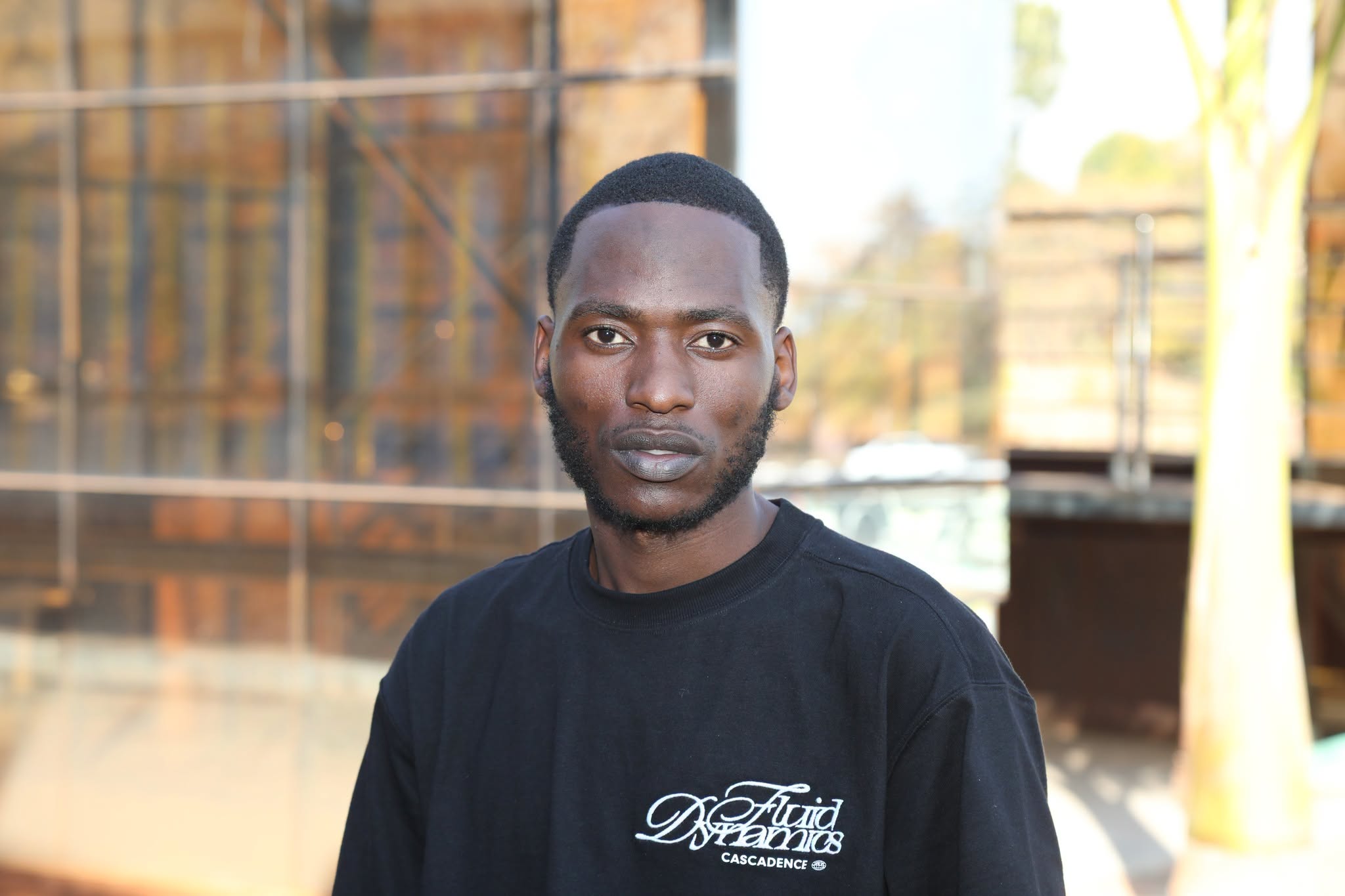
Some journeys start with a suitcase. Kudzaishe Chibanda’s started with a leap of faith.
In February 2026, the Harare Institute of Technology Information Technology student boarded a flight that would take him thousands of kilometres from home to a quiet, snow-dusted city in northeastern Poland he had, until then, only seen on a map. Six months later, he would return with more than a transcript full of new courses. He would return changed.
This is the story of his Erasmus+ Mobility Programme experience at Bialystok University of Technology (BUT), a story about classrooms, yes, but also about courage, culture, and the quiet confidence that comes from figuring life out in a place where nobody knows your name.
A Different Kind of Classroom
Kudzaishe arrived at Bialystok University of Technology expecting to learn. What he didn’t expect was how differently he would be taught to think.
BUT’s academic culture blends theory with hands-on practice, pushing students to solve problems rather than memorise them. Lectures turned into laboratory sessions, laboratory sessions spilled into workshops, and workshops demanded the kind of independent thinking and teamwork that no textbook can teach on its own.
Over the course of his mobility, Kudzaishe immersed himself in five demanding courses: Computer Networks, Artificial Intelligence, Database Security, Software Engineering, and Advanced Database and Warehousing. Each one stretched him in a different direction, and together, they filled the gaps in his IT foundation with new depth in intelligent systems, cybersecurity, data management, and modern software development.
In his Database Security course, he moved through the entire lifecycle of building a secure system, from sketching Entity Relationship diagrams and modelling data logically, to implementing tables, writing SQL, and finally locking it all down with user roles, access privileges, and PL/SQL programming. It’s one thing to know database security exists in principle. It’s another to have built the walls yourself, brick by brick, and tested whether they hold.
Computer Networks brought a different kind of hands-on learning, MikroTik routers and Linux systems standing in for the invisible infrastructure that keeps the world connected. Kudzaishe configured VLANs to segment traffic, set up DHCP services, wired up dynamic OSPF routing, and built firewall rules using Linux iptables. Somewhere between configuring his first VLAN under the 802.1Q standard and watching it actually work, the abstract idea of “network security” became something real, something he had built with his own hands.
Then came Artificial Intelligence, neural networks, machine learning models, decision trees, the training and testing of datasets that increasingly shape how the world makes decisions. And Advanced Database and Warehousing, which pulled back the curtain on how organisations turn oceans of raw data into the kind of intelligence that drives real business strategy.
His Software Engineering course rounded out the semester, grounding him in the discipline and structure behind good software: requirements analysis, UML diagrams, design principles, and the messy, essential art of working well in a team.
Beyond the formal syllabus, Kudzaishe also stepped into Artificial Intelligence workshops and Google-led sessions that peeled back the curtain on industry practice, proof that the gap between “what we study” and “what the world actually uses” is smaller than it looks, if you’re willing to show up and pay attention.
Life Beyond the Lecture Hall
Ask anyone who has studied abroad, and they’ll tell you: the real education rarely happens in the classroom.
For Kudzaishe, it happened on the streets of Białystok, a city he describes as peaceful, clean, and quietly organised, the kind of place that seems built for focus. It happened in the awkward, funny, humbling moments of trying to order food or ask for directions in a language he didn’t speak, leaning on translation apps and no small amount of creativity to bridge the gap. It happened in the warmth of strangers who went out of their way to help a newcomer find his footing, and in friendships forged with fellow international students navigating the same beautiful disorientation.
The language barrier could have been a wall. Instead, it became a teacher, nudging him toward a kind of adaptability and open-mindedness that no lecture on “cross-cultural communication” could have installed in him.
One detail stayed with him long after the culture shock faded: BLIK, Poland’s ubiquitous digital payment system, woven so seamlessly into daily life that cash almost felt like an afterthought. For a young technologist from Zimbabwe, it wasn’t just a convenient way to pay for coffee; it was a glimpse of a possible future. He found himself thinking about digital transformation back home, about what it might take to bring that same seamless, secure convenience to Zimbabwe’s own financial systems.
That’s the thing about travel, especially for someone in tech: you don’t just collect memories. You collect ideas, the kind that quietly follow you home and refuse to leave.
Coming Home Different
By the time his mobility period ended in July 2026, Kudzaishe wasn’t the same student who had left Harare months earlier. He was more technically capable, certainly, fluent now in the language of secure databases, resilient networks, intelligent systems, and disciplined software design. But the bigger change was harder to put on a transcript: a new confidence, a sharper independence, and an ease in multicultural spaces that only comes from having lived, struggled, and thrived somewhere unfamiliar.
His advice to future Erasmus students is simple, and it carries the weight of someone who has actually lived it: embrace the opportunity fully. Prepare for the culture shock. Stay open, because the moments that challenge you the most are usually the ones that teach you the most.
For Kudzaishe Chibanda, and for Harare Institute of Technology, this is what Erasmus+ mobility is really about: not just a semester abroad, but a bridge between Zimbabwe and the world, between classroom theory and lived experience, between who a student is when they leave and who they become when they return.
Kudzaishe left Harare as a student of Information Technology. He came back an engineer of his own possibility.